Industrial decarbonization projects stall when payback is unclear




Industrial decarbonization often loses momentum when business cases rely on vague savings, unstable energy prices, or uncertain uptime gains. For business evaluators, stalled projects are rarely about ambition alone—they reflect gaps in measurable return, risk allocation, and technical confidence. This article examines why payback uncertainty slows action and how clearer performance data, lifecycle analysis, and equipment-level efficiency insights can turn hesitation into investable progress.
Why industrial decarbonization projects stall at the approval stage
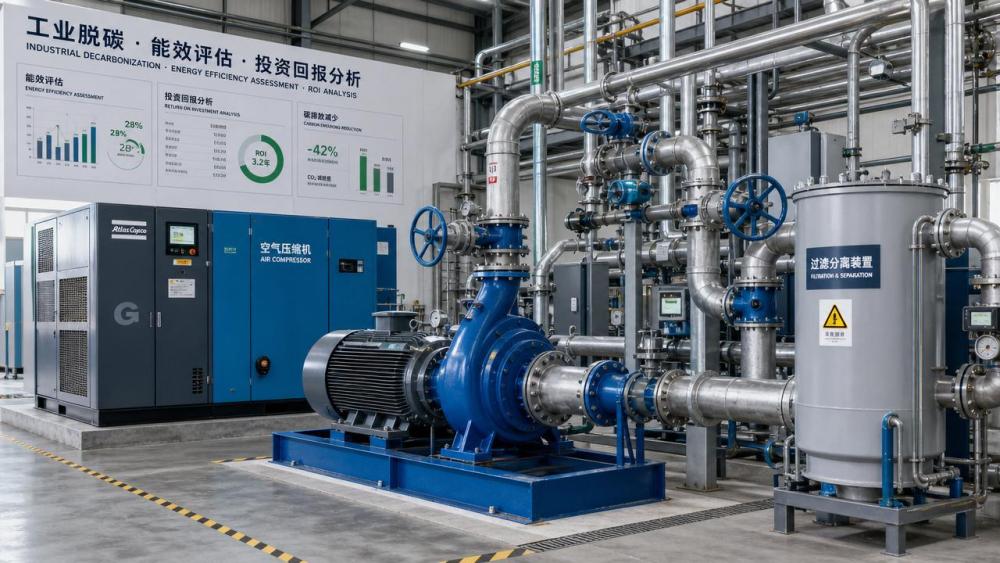
In many industrial organizations, the problem is not whether industrial decarbonization matters. The problem is whether a proposed project can survive internal scrutiny from finance, operations, engineering, procurement, and compliance at the same time. When each function uses a different definition of value, approvals slow down.
Business evaluators are usually asked to compare capital expenditure today against future benefits that may depend on load profile, maintenance discipline, utility tariffs, plant utilization, and equipment integration quality. If any of those assumptions are weak, the project moves from strategic priority to deferred decision.
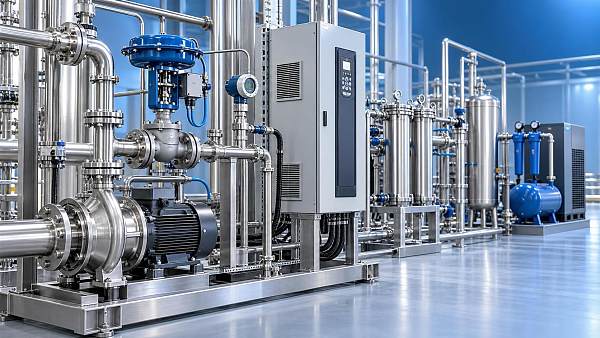
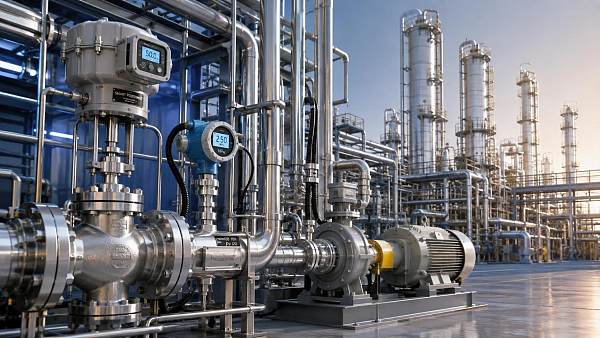
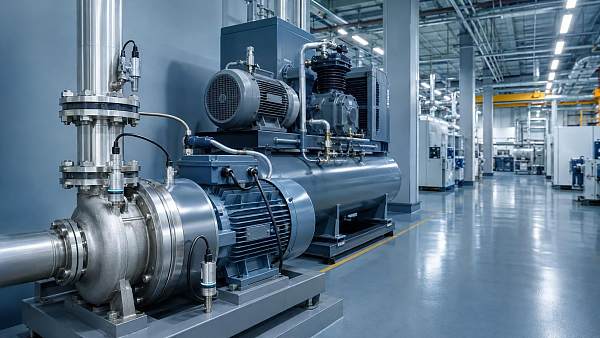
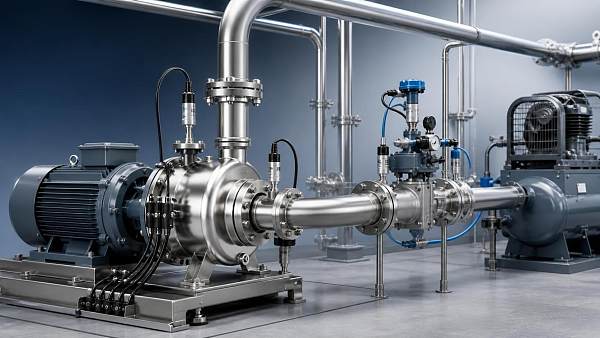
This is especially true in fluid and gas systems, where pumps, valves, compressors, and separation equipment consume substantial energy but do not always show losses in a visible way. A throttled control valve, a cavitating centrifugal pump, a leaking compressed air network, or a fouled filtration train can quietly erode efficiency for years without triggering a capital response.
- Savings are estimated from nameplate performance instead of actual operating curves.
- Project owners focus on energy reduction but omit downtime risk, spare parts impact, and process stability.
- Finance teams request a clear payback window, while engineering teams present only technical improvement narratives.
- Suppliers propose equipment upgrades without a lifecycle baseline, making alternatives hard to compare.
For industrial decarbonization to move forward, decision-makers need a bridge between process physics and commercial evaluation. That bridge is where specialized intelligence becomes valuable.
What makes payback look unclear even when energy savings seem obvious
A motor efficiency upgrade may appear straightforward, but actual return can vary sharply when the equipment operates under partial load, oversized conditions, or unstable duty cycles. In compressors and pumps, the difference between design point and real operating point often determines whether the business case is strong or fragile.
Another issue is system interaction. Replacing one component does not automatically optimize the whole process. A premium pump installed in a poorly controlled network, or a high-efficiency compressor feeding a leak-prone air distribution system, may deliver less savings than promised. Business evaluators therefore need system-level assumptions, not only component-level brochures.
Which cost drivers matter most in industrial decarbonization decisions
Before approving any industrial decarbonization initiative, evaluators should separate visible capex from hidden operating economics. In fluid control and general machinery, annual energy cost is often only one part of the return equation. Reliability, process quality, maintenance interval, and regulatory exposure also shape economic value.
The table below helps translate common industrial decarbonization measures into evaluation logic that procurement, engineering, and finance can discuss using the same framework.
The key takeaway is simple: unclear payback often comes from missing operational verification, not from the absence of decarbonization potential. Projects become investable when the cost drivers are measured at the system boundary, not guessed from catalog values.
Why fluid and gas systems deserve closer scrutiny
Fluid machinery frequently offers some of the fastest industrial decarbonization wins because energy use is recurring and process-critical. Yet it is also where oversimplified business cases fail. Hydraulic losses, pressure drops, throttling behavior, compressor part-load efficiency, and separation fouling rates can swing total return more than purchase price differences.
This is why FCSM’s focus on pump hydraulics, control valve behavior, compressor thermodynamics, and separation performance is commercially relevant. Technical detail is not academic overhead. It is often the difference between an approved project and a frozen budget line.
How business evaluators can build a more defensible payback model
A durable business case for industrial decarbonization should not rely on one savings number. It should use a layered model that shows best case, base case, and downside case. This approach helps management understand sensitivity rather than assume certainty.
A practical evaluation sequence
- Establish a measured baseline using actual operating data such as kWh, pressure, flow, run hours, failure frequency, and maintenance cost.
- Define the system boundary clearly. Include upstream and downstream effects instead of isolating one machine.
- Separate direct savings from indirect savings. Direct savings include energy reduction; indirect savings include lower downtime, water recovery gains, and better process consistency.
- Stress-test assumptions against variable tariffs, production rates, and maintenance scenarios.
- Assign risk ownership. Clarify whether performance risk sits with the owner, integrator, OEM, or service partner.
This method gives procurement and finance a structured path to evaluate industrial decarbonization without overselling certainty. It also makes supplier comparisons more transparent.
What data should be requested before vendor comparison
When proposals arrive, business evaluators should request more than energy claims. They should ask for evidence linked to operating reality. The next table summarizes the data points that most improve decision quality.
A proposal that cannot answer these questions may still contain a good product, but it does not yet contain a decision-ready business case. That distinction matters in industrial decarbonization procurement.
Where equipment-level insight changes the investment outcome
Many delayed projects become viable once evaluators move from generic decarbonization language to equipment-level diagnosis. In process industries, the biggest opportunities often sit inside rotating and throttling assets that have drifted from optimal operation.
Pumps: hidden losses in flow mismatch and cavitation
Industrial centrifugal pumps frequently operate away from best efficiency point because plants expand, processes shift, or safety margins accumulate over time. The result is higher energy draw, vibration, seal stress, and maintenance frequency. If a retrofit addresses only motor efficiency but ignores hydraulic mismatch, projected payback may disappoint.
Compressors: the cost of pressure instability and unloaded running
Compressed air is one of the most expensive utilities in many plants. Yet industrial decarbonization proposals in this area often underestimate leak losses and pressure setpoint inflation. A variable-speed compressor can save meaningful energy, but only if storage, controls, filtration pressure drop, and end-use demand are analyzed together.
Control valves: efficiency gains through better process control
Smart pneumatic control valves may not always show savings as a direct kWh line item. Their value can appear in tighter process control, less off-spec production, reduced steam or air waste, and more stable pressure or temperature profiles. For evaluators, this means industrial decarbonization should include process performance metrics, not just utility invoices.
Filtration and separation: resource efficiency beyond electricity
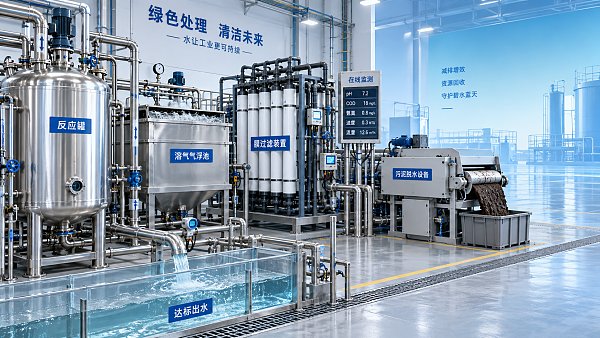
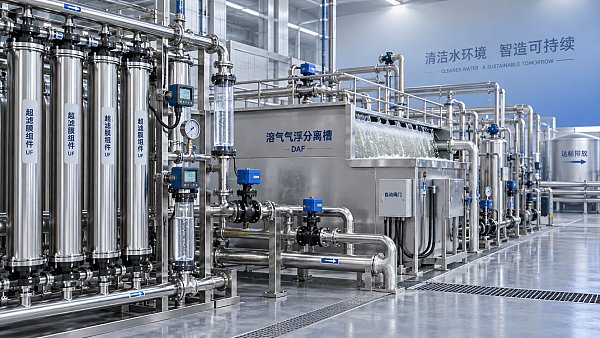
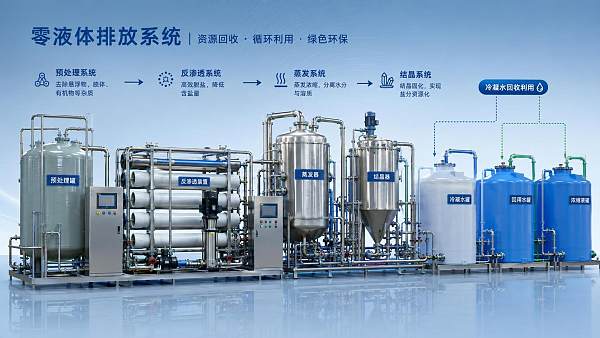
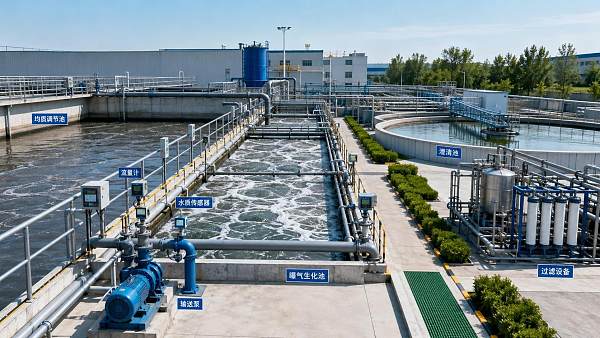
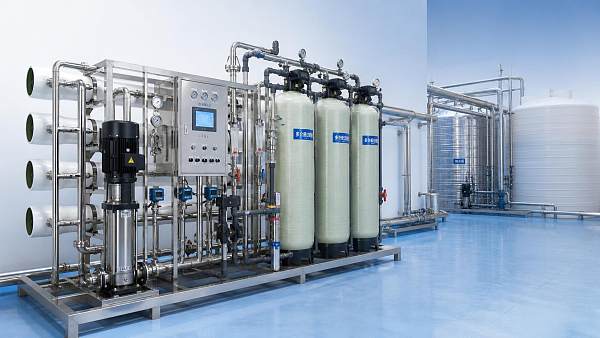
In wastewater reuse, ZLD pathways, or SWRO applications, the business case often depends on water recovery, concentrate handling cost, membrane life, and cleaning intensity. Energy is important, but total economics may improve even more through reduced freshwater intake, lower discharge burden, and steadier process continuity.
Common mistakes that weaken industrial decarbonization business cases
- Using a single electricity tariff assumption even when the facility has time-of-use pricing or volatile regional cost exposure.
- Ignoring maintenance savings because they are harder to quantify, even though they may materially improve payback.
- Treating all runtime hours as equal without checking whether equipment spends long periods at low load.
- Comparing vendor capex totals without normalizing for control scope, commissioning, spare parts, and instrumentation.
- Skipping process diagnostics, which leaves root causes such as cavitation, valve hunting, or fouling unaddressed.
These mistakes do more than create forecasting error. They undermine confidence. Once management loses confidence in the methodology, even good industrial decarbonization projects are postponed.
How standards, verification, and reporting reduce approval risk
Business evaluators do not need perfect certainty, but they do need credible verification pathways. Referencing common test methods, energy-efficiency documentation, performance curves, and commissioning records helps reduce internal friction. Depending on project type, organizations may also align with common motor efficiency frameworks, pressure equipment requirements, environmental reporting practices, or plant energy management protocols.
The value of this discipline is practical. Better documentation improves supplier comparability, strengthens budget requests, and supports later reporting on emissions reduction or operational performance. It also helps convert industrial decarbonization from a strategic slogan into an auditable operating program.
FAQ for business evaluators reviewing industrial decarbonization projects
How should payback be calculated when savings vary by operating conditions?
Use scenario-based modeling. Build at least three cases based on actual load profiles, tariff ranges, and expected uptime. If the project remains acceptable under the base case and understandable under the downside case, internal approval becomes easier. Avoid relying on peak-efficiency assumptions alone.
Which industrial decarbonization projects usually show faster returns in general machinery systems?
Projects involving compressed air leakage reduction, pressure optimization, pump duty matching, and controls improvement often show relatively visible returns because they address recurring utility losses. However, fast return still depends on measured baseline data and proper system integration.
What should procurement ask when technical teams propose new pumps or compressors?
Ask for actual duty-point analysis, annual energy estimate under site conditions, integration scope, maintenance assumptions, expected spare parts needs, and commissioning requirements. Procurement should also ask what performance indicators will be used after startup to confirm savings.
Why do some decarbonization projects look good on paper but fail after commissioning?
The most common reasons are under-scoped controls, poor baseline data, system leaks, unaddressed process constraints, or the wrong operating point. Savings are not delivered by hardware alone. They are delivered by correct selection, correct integration, and sustained operation near intended conditions.
Why informed intelligence improves industrial decarbonization decisions
For business evaluators, the best industrial decarbonization projects are not necessarily the most ambitious. They are the ones that connect technical performance to commercial evidence. In fluid and gas systems, that means understanding cavitation risk, valve control behavior, compressor thermodynamics, separation efficiency, lifecycle maintenance, and compliance context together.
FCSM is positioned around exactly this intersection. Its industry intelligence links pump sets, high-precision control valves, air compressors, and filtration or separation equipment with the larger decarbonization and digital transformation agenda of process industries. For organizations evaluating where to invest next, that cross-functional perspective is useful because it reduces blind spots between engineering detail and board-level capital logic.
Why choose us for project evaluation support
If your industrial decarbonization project is stalled by uncertain return, FCSM can help structure the decision around measurable equipment and system factors rather than generalized efficiency claims. Our coverage of centrifugal pumps, plunger pumps, smart pneumatic control valves, compressor systems, and industrial filtration gives business evaluators a practical basis for comparing options across energy use, process impact, and lifecycle risk.
- Parameter confirmation: review operating flow, pressure, duty cycle, media conditions, and control requirements before commercial comparison.
- Product and solution selection: compare retrofit versus replacement paths for pumps, compressors, valves, and separation units.
- Delivery planning: assess how commissioning scope, instrumentation, spares, and shutdown windows affect total project timing.
- Compliance discussion: identify what efficiency documentation, testing references, or environmental reporting inputs may be needed.
- Quotation alignment: clarify what is included in pricing so capital cost, operating cost, and risk transfer can be compared fairly.
If you are preparing an internal business case, refining a vendor shortlist, or testing the robustness of an industrial decarbonization payback model, contact us with your operating parameters, target timeline, and evaluation concerns. A more investable decision usually starts with better-defined assumptions.
Related News
 What drives industrial wastewater treatment cost per cubic meter?Dr. Alistair VaughnIndustrial wastewater treatment cost per cubic meter depends on influent load, effluent targets, energy, technology, and sludge disposal. Explore the key cost drivers.
 How to verify CE compliance for fluid separation equipmentDr. Alistair VaughnFluid separation equipment CE verification made practical: learn how to check declarations, risk assessments, technical files, pressure safety, and installation readiness.
 Separation equipment trends reshaping industrial wastewater treatmentDr. Alistair VaughnSeparation equipment trends are reshaping industrial wastewater treatment through smarter membranes, modular systems, digital monitoring, and resource recovery strategies.
 When stainless steel separation equipment is the right choice for hygienic processesDr. Alistair VaughnStainless steel separation equipment: discover when hygienic design, corrosion resistance, CIP cleanability, and lifecycle reliability make it the smart choice.
 What to assess before choosing a process industry automation supplierDr. Alistair VaughnChoose a process industry automation supplier with confidence. Assess engineering depth, lifecycle reliability, digital integration, energy performance, and safety before you buy.
 How process control innovation in refineries reduces unplanned shutdownsDr. Alistair VaughnDiscover how process control innovation in refineries detects early deviations, improves valve and equipment reliability, and helps prevent costly unplanned shutdowns.
 What should a zero liquid discharge systems integrator include in its proposal?Dr. Alistair VaughnZero liquid discharge systems integrator proposal checklist: compare guarantees, utilities, scope, controls, waste handling, and lifecycle risk before award.
 Industrial wastewater treatment plant design: sizing for flow and loadDr. Alistair VaughnIndustrial wastewater treatment plant design guide: size systems for peak flow, pollutant loads, reliability, compliance, and lower lifecycle costs.
 Can predictive maintenance and machinery diagnostics prevent downtime?Dr. Alistair VaughnPredictive maintenance machinery diagnostics help reduce unplanned downtime by detecting early equipment issues, improving reliability, and enabling smarter maintenance decisions.
 Can a digital transformation machinery platform cut unplanned downtime?Dr. Alistair VaughnDiscover how a digital transformation machinery platform connects asset data, maintenance workflows, and process insights to reduce unplanned downtime.
 How water treatment equipment sizing affects operating costsDr. Alistair VaughnWater treatment equipment sizing shapes energy, chemical, and maintenance costs. Learn how to balance flow, pressure, recovery, and reliability for efficient operation.
 When does food processing automation justify the upfront investment?Dr. Alistair VaughnIndustrial automation solutions for food processing: discover when automation delivers measurable ROI through higher throughput, lower waste, reliable utilities, and stronger food safety control.