Valve Positioner Technology Trends Shaping Predictive Maintenance




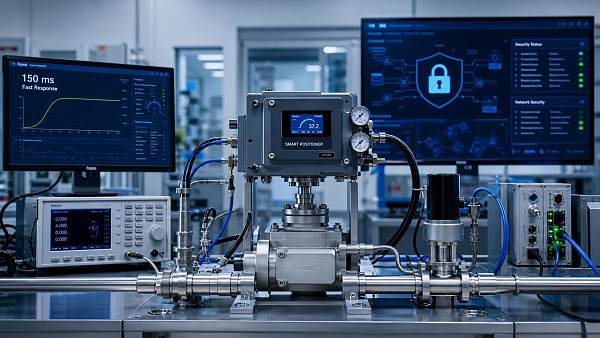
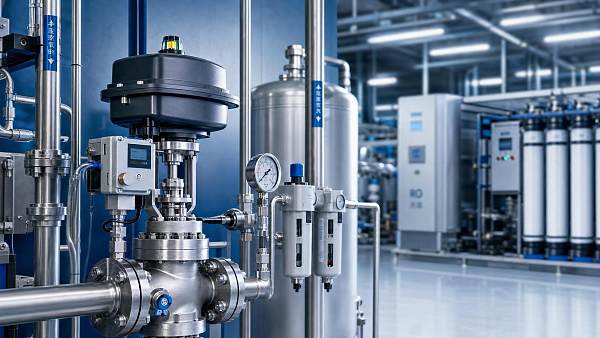
Valve positioners used to be treated as supporting hardware. That view is changing fast. In many process plants, valve positioner technology trends now shape how predictive maintenance is built, timed, and measured.
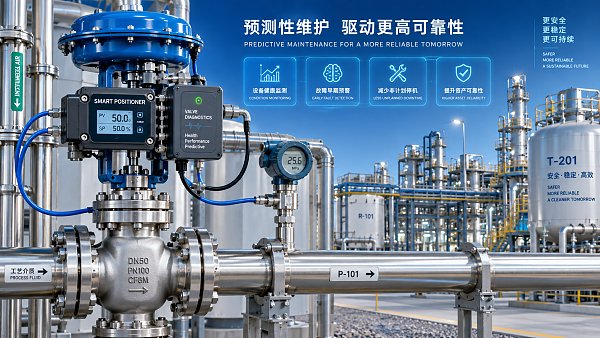
The shift matters because control valves sit inside the most sensitive parts of fluid and gas networks. When position feedback drifts, air supply degrades, or friction rises, the first signal often appears in the positioner.
That makes the device more than an actuator accessory. It becomes an early warning point for reliability, energy loss, and process instability across pumps, compressors, separation lines, and automated valve systems.
Why positioners now sit at the center of maintenance decisions
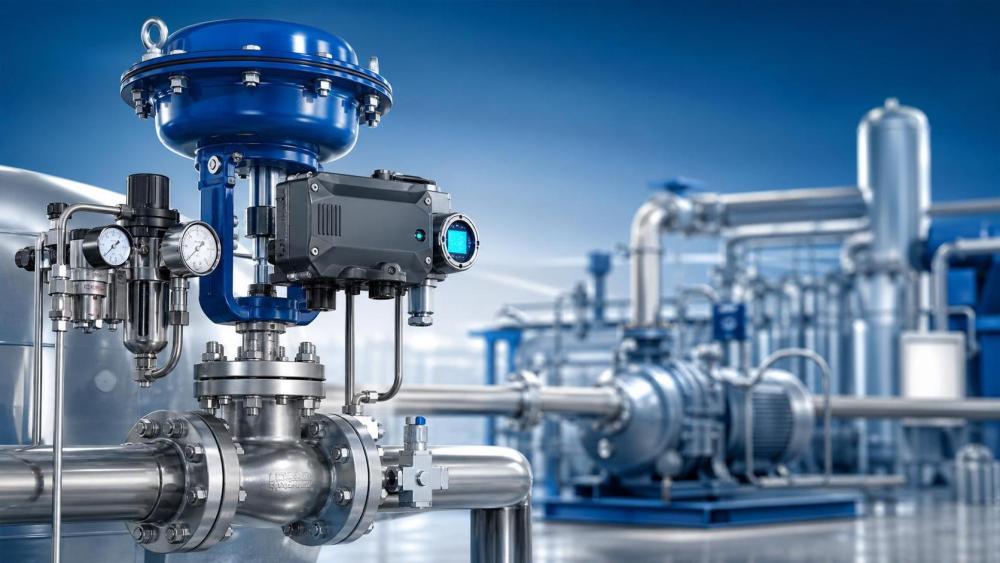
Digitalization in general machinery has pushed maintenance from calendar-based work toward condition-based action. In that transition, valve positioner technology trends have become especially relevant for assets that cycle constantly or throttle under difficult service conditions.
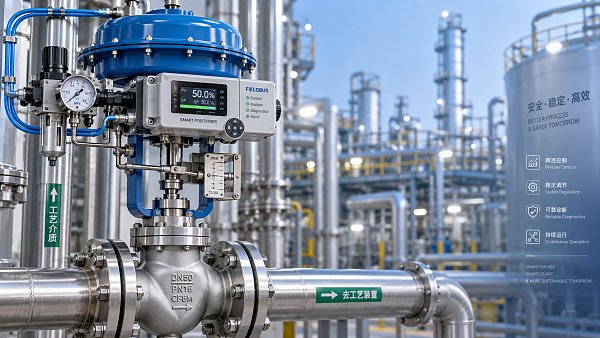
A modern smart positioner continuously compares command input, stem travel, pneumatic response, and internal device health. Instead of waiting for a valve to stick or fail, teams can track gradual deviation.
This fits the broader direction seen across the FCSM landscape. Whether the asset is a centrifugal pump, a compressor package, or a filtration skid, operators want higher reliability, lower energy waste, and fewer disruptive shutdowns.
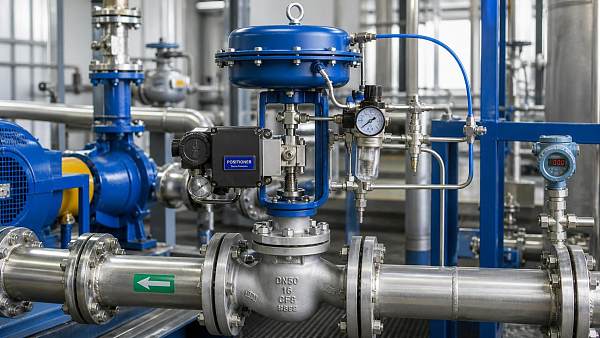
Positioners contribute directly to that goal because they sit where mechanical motion, instrument air, and control logic meet. Few components provide such a concentrated view of real operating behavior.
What these technology trends really mean in practice
The phrase valve positioner technology trends covers more than a move from analog to digital. The real change is the expansion of usable maintenance intelligence from the field device itself.
Several trends stand out across process industries.
Built-in diagnostics are becoming operational tools
Diagnostics once helped mainly during commissioning. Today they support routine maintenance planning. Travel deviation, response lag, cycle count, air leakage indicators, and signature analysis are now practical decision inputs.
That changes work priorities. A valve can stay in service longer when the data shows stable behavior, while another valve may move up the outage list even before process alarms appear.
Communication is wider and more useful
HART, Foundation Fieldbus, and increasingly Ethernet-based integration have made positioner data easier to pull into plant historians, asset management systems, and control platforms.
The trend is not just connectivity for its own sake. It allows maintenance to compare valve behavior with pressure swings, compressor load changes, pump cavitation events, or batch transitions.
Smarter self-calibration reduces hidden performance loss
Automatic calibration and adaptive tuning are another important part of valve positioner technology trends. These features help keep stroke accuracy consistent as packing friction, air quality, or process loads change.
The maintenance value is simple. Better calibration means fewer false assumptions about whether a problem sits in the valve body, actuator, tubing, air supply, or control signal.
Where the strongest business value shows up
In many plants, the direct financial impact of valve positioner technology trends is not the device price. It is the avoided cost of unstable control, excessive air consumption, wasted energy, and emergency intervention.
This is especially true in services where flow precision affects upstream and downstream assets. A control valve that hunts or stalls can disturb pump duty points, compressor efficiency, thermal balance, and separation quality.
For facilities pursuing low-carbon operations, even small control inaccuracies matter. Poor valve behavior can force pumps and compressors to work harder, raising power demand while reducing process consistency.
That broader system view aligns with the FCSM perspective on smart fluid control. Predictive maintenance is not limited to a single valve assembly. It supports the performance of the full fluid and gas network.
Typical value points
- Earlier detection of stiction, hysteresis, and actuator wear.
- Better outage planning based on actual condition, not fixed intervals.
- Lower risk of process quality loss during load changes.
- Stronger evidence for repair, replacement, or trim redesign decisions.
- Improved coordination between instrumentation, mechanical, and operations data.
Common scenarios where trend awareness makes a difference
Not every valve requires the same level of monitoring. The practical value of valve positioner technology trends becomes clearer when tied to service conditions and failure consequences.
These examples show why valve positioner technology trends should be read in context. The same alert can point to different root causes depending on service duty and process dynamics.
How to interpret data without overreacting
One risk with smarter devices is acting on every signal as if it were a confirmed fault. Useful predictive maintenance depends on filtering noise from meaningful drift.
A single travel error snapshot rarely tells the full story. Trends over time matter more than isolated values, especially during startups, grade changes, or unusual operating modes.
It also helps to pair positioner diagnostics with valve signatures, instrument air quality records, and process historian data. That cross-check avoids unnecessary bench work and repeat field visits.
Useful checks before scheduling intervention
- Compare command signal and actual stem position over several operating states.
- Look for increasing deadband, not just one abnormal cycle.
- Verify air supply pressure, dryness, and contamination history.
- Check whether control loop tuning is driving unnecessary movement.
- Review failure criticality before moving a valve into the outage scope.
What to watch when selecting or upgrading positioners
When plants refresh installed valve populations, valve positioner technology trends should guide selection criteria. The most important question is not which unit has the longest feature list.
The better question is which device produces reliable, usable information under actual site conditions. Harsh ambient exposure, poor instrument air, legacy DCS limits, and maintenance skill depth all affect results.
A practical evaluation usually includes diagnostics depth, communication compatibility, calibration stability, local interface quality, spare part availability, and cybersecurity support for connected environments.
For mixed fleets, standardization can also matter as much as performance. Shared tools, common alarm logic, and consistent maintenance workflows often deliver more value than isolated premium features.
A stronger next step for predictive maintenance planning
The most useful response to valve positioner technology trends is usually a structured review, not a wholesale replacement campaign. Start with valves that influence throughput, safety margin, energy use, or shutdown risk.
Then map the available positioner data against recurring maintenance problems. Where the signals are strong, build thresholds, historian links, and inspection rules around them. Where the signals are weak, refine the failure logic first.
In a market shaped by tighter efficiency targets and wider digital integration, positioners are becoming one of the clearest field-level sources for maintenance judgment. Reading those signals well is now part of running a more stable fluid control system.
A sensible next move is to rank critical valves, compare existing diagnostics coverage, and define which deviations truly justify action. That approach turns trend awareness into a workable predictive maintenance standard.
Related News
 How fluid control digitalization improves valve maintenance planningProcess Control ArchitectFluid control digitalization helps teams prioritize valve maintenance, reduce unplanned downtime, and improve reliability with actionable condition data.
 How smart valve positioners improve process control valve accuracyProcess Control ArchitectDiscover how smart positioners improve process control valve accuracy, reduce friction-related errors, enhance stability, and enable predictive maintenance.
 How to evaluate a valve automation supplier before placing an orderProcess Control ArchitectChoose a valve automation supplier with confidence. Learn how to assess engineering capability, compatibility, testing, lead times, and lifecycle support before ordering.
 How Does Industrial Automation Change Valve Specification Requirements?Process Control ArchitectHow does industrial automation change valve specification needs? Discover smarter sizing, diagnostics, protocols, fail-safe design, and lifecycle strategies for reliable control.
 Retrofit vs replacement automation: which option minimizes downtime?Process Control ArchitectRetrofit vs replacement automation: compare downtime, integration risk, lifecycle costs, and phased execution to protect uptime and modernize with confidence.
 When smart pneumatic control valves improve water treatment stabilityProcess Control ArchitectSmart pneumatic control valves for water treatment improve flow precision, dosing consistency, diagnostics, and plant stability. Learn how to select the right solution.
 When predictive maintenance for process valves pays off in plant operationsProcess Control ArchitectPredictive maintenance for process valves can cut downtime, reduce energy loss, and boost reliability. Learn when it pays off in plant operations—and how to justify the investment.
 Revised EN 14382:2026 Adds EMC Immunity Test for Smart Valve Positioners in EU ExportsProcess Control ArchitectEN 14382:2026 now mandates EMC immunity testing for Smart Valve Positioners, reshaping EU export compliance for valve OEMs and integrators. Learn what changed and how to prepare.
 FDA Tightens Import Rules for Smart Valve PositionersProcess Control ArchitectSmart valve positioners now face stricter FDA import rules. Learn how IEC 61508 SIL2 or UL 61508 documentation affects U.S. clearance, suppliers, and compliance planning.
 EN 14382:2026 Raises EU Entry Bar for Smart PositionersProcess Control ArchitectEN 14382:2026 raises the EU entry bar for Smart Valve Positioners with a 150 ms step response cap and IEC 62443-4-2 cybersecurity checks. Learn what exporters, buyers, and compliance teams must do before Nov 1, 2026.
 High-Precision Stainless Steel Control Valves for Corrosive Process LinesProcess Control ArchitectHigh-precision control valves stainless steel solutions improve corrosion resistance, flow stability, and safety in demanding process lines. Discover how to reduce downtime and boost control accuracy.
 How a Valve Performance Consultant Improves Uptime and Control AccuracyProcess Control ArchitectValve performance consultant insights to improve uptime, control accuracy, and energy efficiency. Learn how targeted diagnostics solve hidden valve issues across process systems.