2026 Industrial Filtration Solutions: What Changed




In 2026, industrial filtration solutions are no longer defined by basic contaminant removal alone. For enterprise decision-makers facing tighter discharge rules, rising energy costs, and digital upgrade pressure, the real shift lies in smarter separation, lower lifecycle cost, and stronger system reliability. This article explores what changed, why it matters, and how advanced filtration strategies are reshaping industrial performance and compliance.
What Enterprise Buyers Really Need to Know in 2026
The biggest change in industrial filtration solutions is not a single new filter media or separator design. It is the move from component purchasing to system-level performance management.
Decision-makers are no longer asking only whether a filter can remove particles. They are asking whether the full filtration train can reduce downtime, stabilize quality, lower energy use, and protect compliance.
That shift matters because filtration now sits closer to core business risk. Poor separation performance can trigger unplanned shutdowns, product losses, membrane fouling, permit violations, and higher operating cost across connected equipment.
In practical terms, 2026 buyers are comparing solutions by lifecycle economics, automation readiness, maintainability, and process fit. Capital cost still matters, but total ownership cost now carries much greater weight.
Why Industrial Filtration Solutions Changed So Fast
Several pressures have accelerated change across the market. The first is stricter environmental enforcement, especially around wastewater reuse, emissions control, hazardous solids handling, and Zero Liquid Discharge pathways.
The second driver is energy. Pumps, blowers, compressors, and membrane systems consume significant power, so filtration inefficiency now directly affects plant energy intensity and carbon performance targets.
The third is process stability. Many industries are running with tighter quality windows, more automation, and less tolerance for contamination excursions that can damage instruments, valves, nozzles, and downstream equipment.
The fourth driver is labor reality. Plants want systems that are easier to monitor, easier to service, and less dependent on constant manual intervention by highly experienced operators.
As a result, industrial filtration solutions in 2026 are increasingly evaluated as strategic infrastructure rather than consumable support equipment. That is a major mindset change for executive teams and technical procurement leaders.
From Standalone Equipment to Integrated Separation Systems
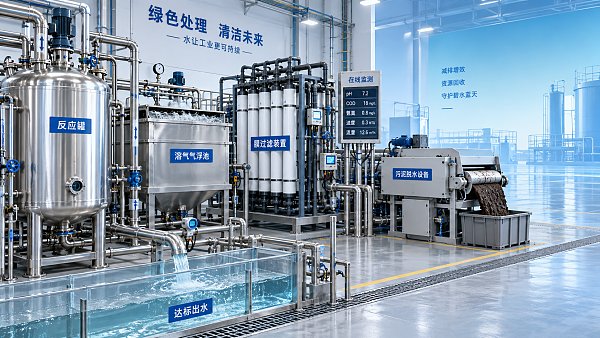
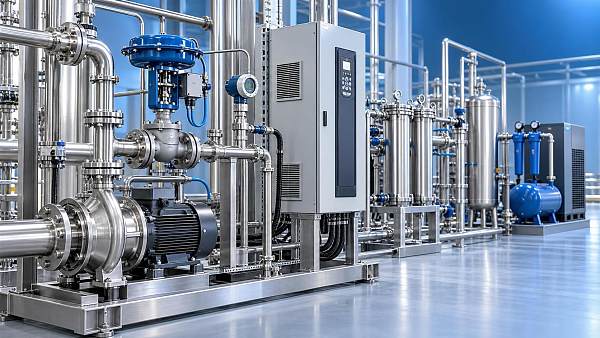
One of the clearest differences in 2026 is the rise of integrated design thinking. Instead of selecting bag filters, cartridge filters, membranes, or centrifuges in isolation, companies are optimizing the full separation sequence.
This means matching pretreatment, solids reduction, flow balancing, pressure control, chemical dosing, and final polishing into one coordinated operating strategy. The goal is to protect the most sensitive assets while minimizing waste and rework.
For example, a membrane skid may look competitive on paper, but without the right upstream solids control and flow conditioning, fouling rates can erase expected returns very quickly.
Similarly, a high-capacity mechanical separator may reduce bulk solids well, yet still fail business targets if it cannot support consistent downstream water quality or if maintenance intervals remain too short.
For decision-makers, the lesson is simple: do not buy filtration stages as disconnected products. Buy process outcomes supported by an engineered system architecture.
What New Buying Criteria Matter Most Now
In earlier years, many procurement teams focused heavily on micron rating, nominal throughput, and upfront equipment pricing. Those specifications remain important, but they no longer tell the full story.
Today, the strongest buying criteria include contaminant variability tolerance, cleanability, fouling resistance, pressure drop stability, automation compatibility, spare parts availability, and real field maintainability.
Another critical factor is resilience under upset conditions. Industrial filtration solutions must now perform not only during ideal operation but also when influent quality shifts, temperatures change, or production loads spike.
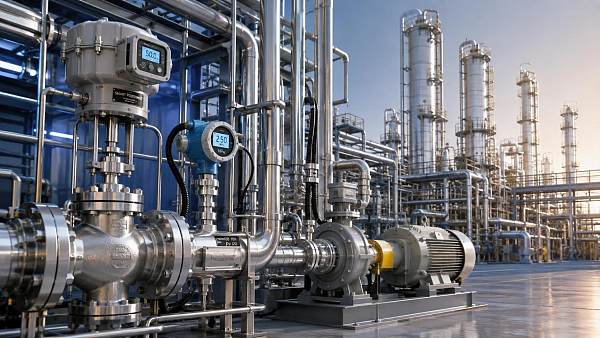
Enterprise buyers should also assess integration with pumps, control valves, sensors, and digital plant systems. A filtration unit that cannot communicate useful performance data limits predictive maintenance and slows response to process drift.
In high-stakes sectors such as chemicals, food processing, power, mining, pharmaceuticals, and water treatment, these advanced criteria often determine whether a project delivers long-term value or recurring operational frustration.
Digital Monitoring Is No Longer Optional
Another major development in 2026 is that digital visibility has become a standard expectation for serious industrial filtration solutions. Plants want more than alarms; they want usable performance intelligence.
Modern systems increasingly track differential pressure, turbidity, conductivity, permeate quality, flow imbalance, vibration, valve response, and cleaning cycle effectiveness. This data helps teams detect performance decline before failure occurs.
For executives, the business value lies in fewer surprises. Better monitoring can reduce emergency shutdowns, improve consumables planning, support audit readiness, and give clearer evidence for capital planning decisions.
For plant teams, digital tools improve troubleshooting speed. Instead of reacting after product quality or discharge quality fails, they can identify whether the root cause is fouling, mechanical wear, control instability, or feed variability.
The best systems also convert raw operating data into decision support. That includes maintenance recommendations, cleaning optimization, asset health indicators, and energy-performance benchmarking across multiple sites.
Lower Lifecycle Cost Is Replacing Lowest Purchase Price
In 2026, the most effective industrial filtration solutions are being sold on economic logic, not just technical promise. This is especially relevant for business leaders under cost, reliability, and sustainability pressure.
Lifecycle cost includes energy use, consumables replacement, water recovery, labor time, cleaning chemistry, spare parts, waste disposal, downtime risk, and process losses caused by unstable filtration performance.
A lower-cost unit may appear attractive at bid stage but become expensive if pressure drop rises quickly, filter media changes are frequent, or cleaning cycles interrupt production more often than expected.
By contrast, a more advanced system may justify higher initial spending if it extends run length, reduces membrane replacement, lowers waste volume, or cuts operator intervention across a multi-year operating horizon.
Decision-makers should ask suppliers for scenario-based cost models using realistic feed conditions, maintenance assumptions, and site energy prices. If the supplier cannot model operating economics clearly, caution is warranted.
Compliance and Water Strategy Are More Closely Linked
Regulatory pressure is reshaping how companies define filtration value. Compliance is no longer just about passing a discharge test. It increasingly connects to water reuse, resource efficiency, and corporate risk management.
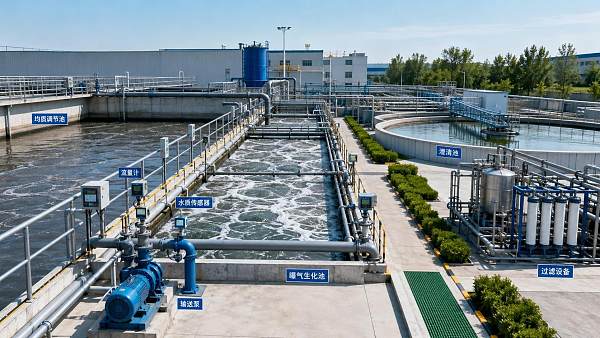
Many plants now need industrial filtration solutions that support internal reuse loops, reduced freshwater dependence, stricter sludge handling, and cleaner separation of valuable byproducts from waste streams.
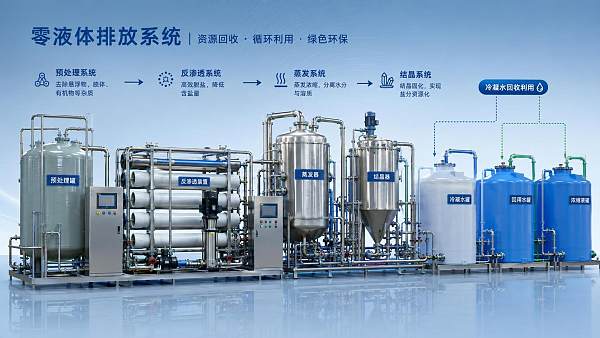
This is especially visible in sectors pursuing Zero Liquid Discharge, advanced wastewater reclamation, or tighter control of process contamination in environmentally sensitive jurisdictions.
For leadership teams, this creates a strategic opportunity. Better filtration can reduce compliance exposure while improving operational resilience against water scarcity, disposal cost volatility, and public sustainability scrutiny.
In other words, filtration investment is increasingly part of environmental strategy, not just utility management. That makes the business case broader and often more compelling.
Where Decision-Makers Still Make Expensive Mistakes
Despite market progress, common errors remain. One is choosing technology based on a generic specification sheet instead of actual feed characteristics, seasonal variability, and downstream process sensitivity.
Another mistake is underestimating pretreatment. Many advanced systems fail economically not because the core technology is poor, but because upstream solids, oils, scaling potential, or hydraulic fluctuations were ignored.
Some companies also overfocus on peak throughput and neglect maintainability. If changeout procedures are difficult, spare parts are proprietary, or cleaning requirements are complex, operating friction rises quickly.
Another costly issue is weak instrumentation. Without good pressure, flow, and quality data, teams cannot verify whether the filtration unit is underperforming, overdesigned, or simply operated outside its intended window.
Finally, many buyers still fail to align filtration projects with wider plant systems. Pump sizing, valve control quality, piping layout, and automation logic all influence real separation performance.
How to Evaluate Industrial Filtration Solutions More Effectively
For enterprise buyers, a better evaluation process starts with defining the business objective clearly. Is the priority discharge compliance, product purity, water reuse, asset protection, energy reduction, or all of these together?
Next, quantify the real feed profile. That includes particle size distribution, solids loading swings, oil content, temperature range, chemical compatibility, and upset scenarios. Without this, proposals are often misleading.
Then compare technologies using outcome-based criteria: expected recovery rate, contaminant removal consistency, cleaning frequency, footprint, utility demand, labor burden, and integration complexity.
Request pilot evidence or reference cases where possible, especially if influent conditions are difficult or variable. A credible supplier should be able to discuss failure modes, not only ideal performance claims.
Also evaluate service capability. In 2026, supplier intelligence matters almost as much as hardware. Strong technical support, application expertise, and commissioning quality often determine actual project success.
What 2026 Means for Future Investment Decisions
The broad market direction is clear. Industrial filtration solutions are becoming smarter, more connected, and more tightly linked to operational resilience, environmental performance, and long-term cost control.
For enterprise decision-makers, the main implication is that filtration should be reviewed as a strategic process asset. It affects uptime, utility cost, compliance confidence, and the reliability of broader plant modernization efforts.
The companies gaining the most value are those that connect separation performance with pumps, valves, compressors, controls, and digital maintenance workflows rather than treating each asset category independently.
This integrated approach is especially relevant in complex process industries, where fluid handling efficiency, contamination control, and system reliability directly affect production economics and sustainability targets.
In 2026, buying better filtration is no longer about installing a finer barrier. It is about building a more reliable, measurable, and economically resilient industrial process.
Conclusion
What changed in 2026 is not just filtration technology itself, but the standard by which industrial filtration solutions are judged. Performance is now measured by total business impact.
Enterprise buyers should prioritize lifecycle value, digital visibility, compliance resilience, and full-system compatibility over narrow equipment comparisons or lowest bid logic.
The right filtration strategy can cut risk, improve water and energy efficiency, protect downstream equipment, and strengthen plant reliability. That is why filtration now belongs in the core investment conversation.
For decision-makers, the smartest next step is to evaluate current separation systems against future operating demands. In many plants, the gap between acceptable performance and strategic performance is now impossible to ignore.
Related News
 What drives industrial wastewater treatment cost per cubic meter?Dr. Alistair VaughnIndustrial wastewater treatment cost per cubic meter depends on influent load, effluent targets, energy, technology, and sludge disposal. Explore the key cost drivers.
 How to verify CE compliance for fluid separation equipmentDr. Alistair VaughnFluid separation equipment CE verification made practical: learn how to check declarations, risk assessments, technical files, pressure safety, and installation readiness.
 Separation equipment trends reshaping industrial wastewater treatmentDr. Alistair VaughnSeparation equipment trends are reshaping industrial wastewater treatment through smarter membranes, modular systems, digital monitoring, and resource recovery strategies.
 When stainless steel separation equipment is the right choice for hygienic processesDr. Alistair VaughnStainless steel separation equipment: discover when hygienic design, corrosion resistance, CIP cleanability, and lifecycle reliability make it the smart choice.
 What to assess before choosing a process industry automation supplierDr. Alistair VaughnChoose a process industry automation supplier with confidence. Assess engineering depth, lifecycle reliability, digital integration, energy performance, and safety before you buy.
 How process control innovation in refineries reduces unplanned shutdownsDr. Alistair VaughnDiscover how process control innovation in refineries detects early deviations, improves valve and equipment reliability, and helps prevent costly unplanned shutdowns.
 What should a zero liquid discharge systems integrator include in its proposal?Dr. Alistair VaughnZero liquid discharge systems integrator proposal checklist: compare guarantees, utilities, scope, controls, waste handling, and lifecycle risk before award.
 Industrial wastewater treatment plant design: sizing for flow and loadDr. Alistair VaughnIndustrial wastewater treatment plant design guide: size systems for peak flow, pollutant loads, reliability, compliance, and lower lifecycle costs.
 Can predictive maintenance and machinery diagnostics prevent downtime?Dr. Alistair VaughnPredictive maintenance machinery diagnostics help reduce unplanned downtime by detecting early equipment issues, improving reliability, and enabling smarter maintenance decisions.
 Can a digital transformation machinery platform cut unplanned downtime?Dr. Alistair VaughnDiscover how a digital transformation machinery platform connects asset data, maintenance workflows, and process insights to reduce unplanned downtime.
 How water treatment equipment sizing affects operating costsDr. Alistair VaughnWater treatment equipment sizing shapes energy, chemical, and maintenance costs. Learn how to balance flow, pressure, recovery, and reliability for efficient operation.
 When does food processing automation justify the upfront investment?Dr. Alistair VaughnIndustrial automation solutions for food processing: discover when automation delivers measurable ROI through higher throughput, lower waste, reliable utilities, and stronger food safety control.