2026 Separation Equipment Trends Shaping Energy and Water Projects




Energy and water infrastructure is entering a more exacting phase. In 2026, separation equipment trends are no longer limited to process optimization. They now shape project finance, compliance exposure, uptime, and long-term asset value.
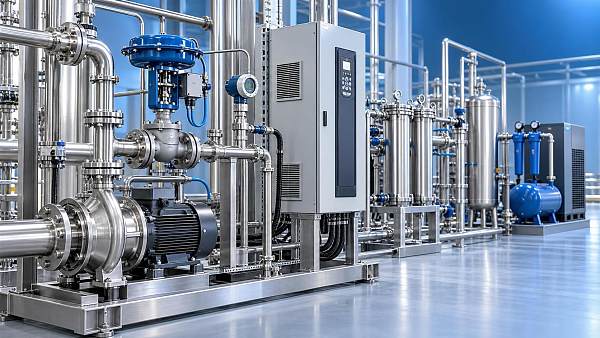
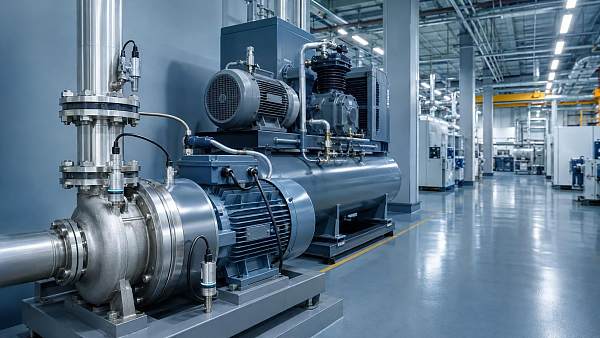
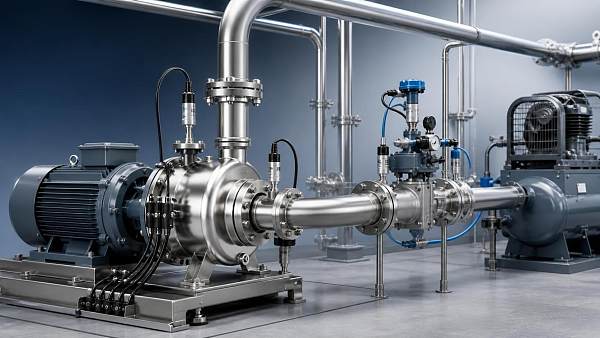
That shift matters because treatment trains are becoming more integrated with pumps, valves, compressors, controls, and digital monitoring. A separation system is not an isolated package anymore. It sits at the center of reliability, energy intensity, and water recovery performance.
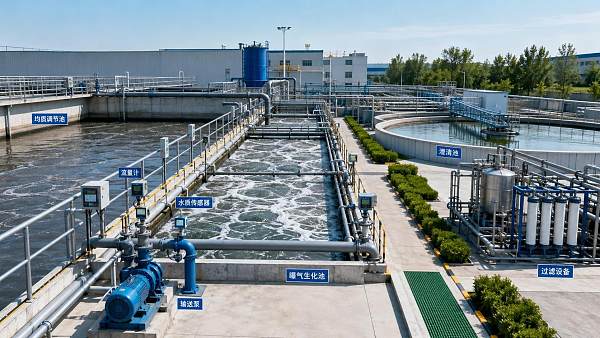
For projects linked to desalination, municipal reuse, industrial wastewater, power generation, mining, and hydrogen-related utilities, the right reading of separation equipment trends can improve decisions long before procurement starts.
Why separation equipment trends are moving into the boardroom
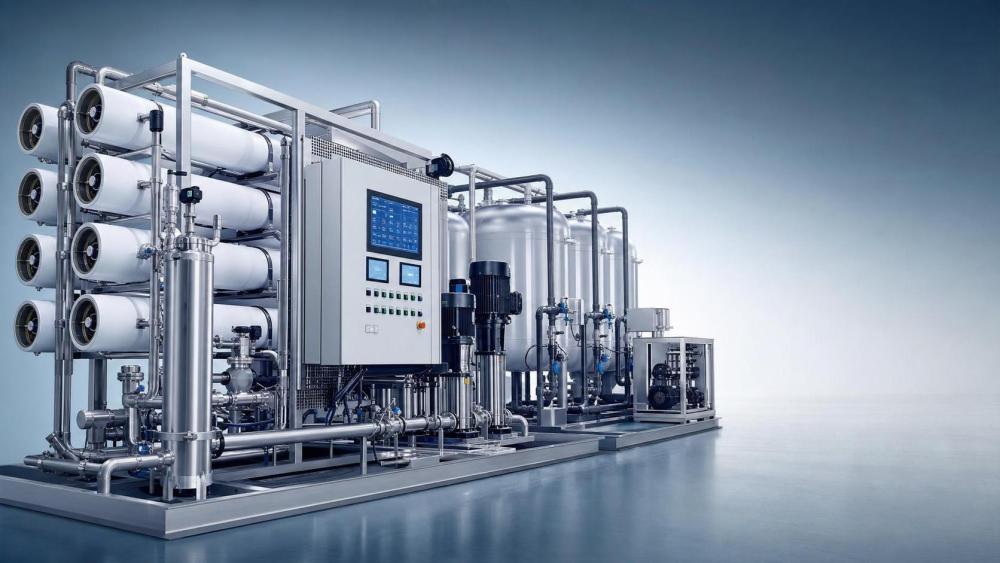
The pressure comes from several directions at once. Energy prices remain volatile. Water discharge rules are tightening. Capital budgets face more scrutiny. At the same time, operators are expected to deliver higher recovery with fewer disruptions.
In that environment, separation equipment trends become a strategic signal. They show where lifecycle costs are falling, where regulatory risk is rising, and which technologies are mature enough for wider deployment.
This is also where FCSM’s industry lens is useful. Separation performance rarely depends on membranes or filters alone. Pump hydraulics, valve control precision, compressor efficiency, and process automation all influence fouling rates, flow stability, and operating economics.
What the term covers in practical project terms
In simple terms, separation equipment trends describe how technologies for removing solids, salts, oils, gases, and contaminants are evolving across industrial and utility systems.
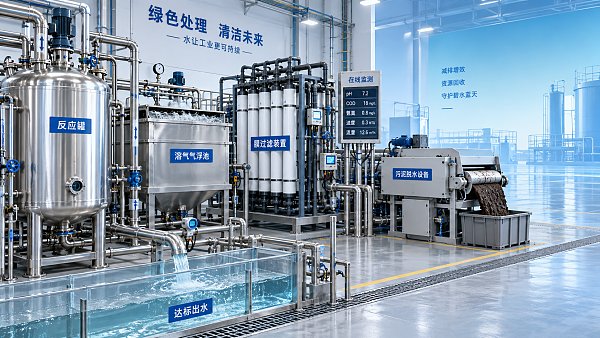
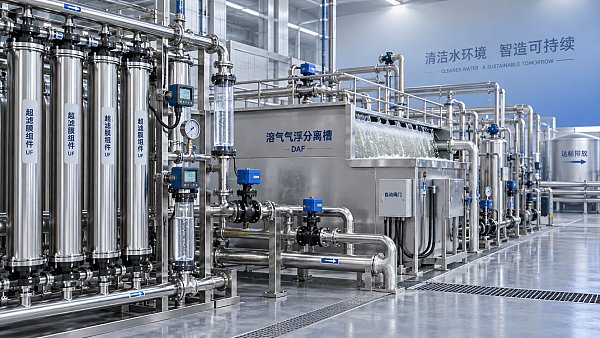
That includes conventional filtration, membrane separation, centrifugation, dissolved air flotation, sludge dewatering, gas-liquid separation, and polishing stages for reuse or discharge compliance.
The important point is not the equipment category by itself. The real issue is how each option performs under changing feed conditions, stricter targets, and higher expectations for energy efficiency.
The wider system matters
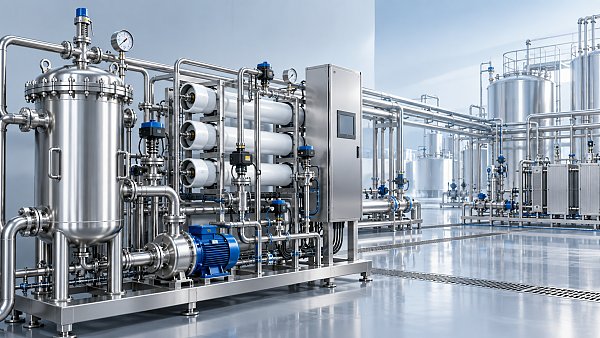
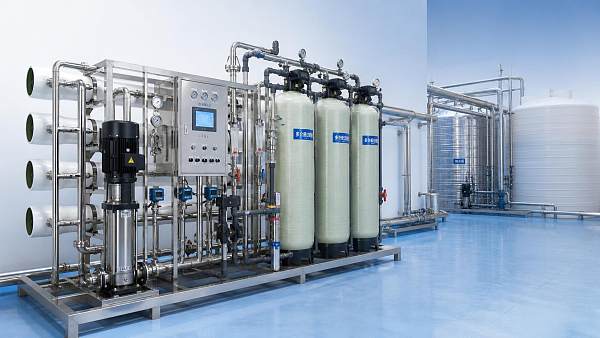
A membrane skid can only perform as designed if upstream pumps control pressure smoothly, valves maintain stable throttling, and air systems support dependable automation. Weak balance-of-plant design often becomes the hidden cause of poor separation results.
That is why current separation equipment trends are increasingly evaluated as part of fluid control architecture rather than as stand-alone treatment hardware.
The 2026 trends with the strongest business impact
Several developments stand out because they affect both project feasibility and operating resilience.
- Higher-value pretreatment is gaining priority to protect downstream membranes and extend cleaning intervals.
- Low-energy separation designs are advancing, especially in water reuse and desalination support systems.
- Modular and containerized systems are reducing site complexity and shortening commissioning schedules.
- Digital condition monitoring is moving from optional feature to expected capability.
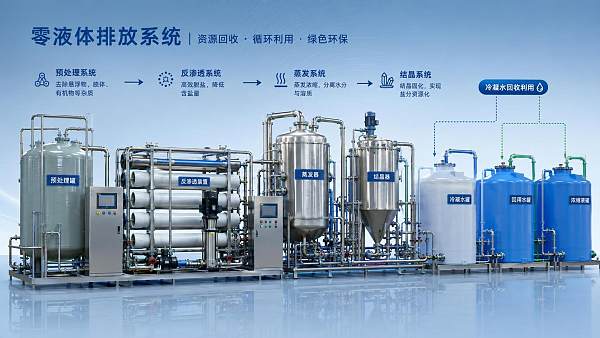
- ZLD and high-recovery applications are driving demand for more robust materials and tighter process control.
More worth noting is the shift from nameplate efficiency to operating-window efficiency. Equipment that looks competitive in ideal conditions may underperform when feedwater quality changes or load fluctuates.
Smart automation is becoming inseparable from separation
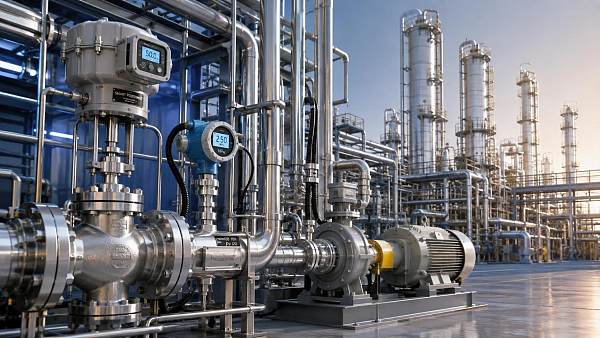
One of the most important separation equipment trends is the rise of smarter control. Sensors, valve positioners, and predictive logic help maintain pressure, flow, and chemical dosing within narrower limits.
This matters because unstable operating conditions increase fouling, waste energy, and create avoidable downtime. In practice, a better control philosophy can deliver as much value as a hardware upgrade.
Where these trends are showing up first
Not every sector is moving at the same pace. Adoption usually follows the severity of water stress, energy intensity, and discharge constraints.
From an investment perspective, these sectors share one concern. Separation is being judged less by installed capacity and more by recoverable value across the full process chain.
How to interpret performance beyond brochure claims
A common mistake is to compare technologies only on removal efficiency. In reality, the better question is how separation performance behaves over time, under variable feed, maintenance interruptions, and utility constraints.
This is where several evaluation factors become useful.
- Recovery versus rejection under realistic operating conditions.
- Sensitivity to pressure swings, cavitation risk, and unstable valve control.
- Cleaning frequency, consumables profile, and spare part exposure.
- Material durability in corrosive, scaling, or abrasive service.
- Integration with digital diagnostics and predictive maintenance routines.
The stronger separation equipment trends in 2026 point toward systems that make these variables more visible and easier to manage, rather than simply promising higher theoretical output.
The hidden cost of poor integration
When separation equipment is mismatched with pumps or valve control logic, the result is often pressure oscillation, excessive energy draw, and accelerated wear. Those issues can undermine the economics of an otherwise sound process design.
FCSM’s broader focus on pumps, smart control valves, compressors, and filtration reflects this reality. The most useful market intelligence now connects component behavior across the whole fluid system.
What deserves closer attention during planning
In practical terms, separation equipment trends should influence front-end planning, not just final equipment selection. Early-stage choices often determine whether later optimization is easy or expensive.
A disciplined review usually includes feed variability, recovery targets, energy intensity, automation depth, and expected tightening of discharge standards over the asset life.
It also helps to separate short-term procurement savings from long-term operating outcomes. Lower upfront cost can become a liability if fouling, downtime, or chemical consumption rises faster than expected.
Useful questions for the next evaluation cycle
- Which separation stages create the largest energy penalty today?
- Where does unstable flow or pressure reduce treatment consistency?
- How much resilience is built into scaling, fouling, and upset scenarios?
- Can monitoring data support predictive action rather than reactive repair?
- Which separation equipment trends align with future compliance, not just current permits?
A practical path into 2026
The most useful way to approach separation equipment trends is to treat them as decision frameworks, not headlines. The relevant question is not which technology sounds advanced. It is which configuration improves recovery, reliability, and controllability in a specific operating context.
For energy and water projects, that means reviewing separation choices alongside pump performance, valve precision, compressed air stability, and maintenance intelligence. Better outcomes usually come from system alignment rather than one isolated upgrade.
A sensible next step is to map current process bottlenecks, compare lifecycle assumptions, and track which separation equipment trends have real evidence behind them. That creates a stronger basis for 2026 planning than relying on vendor claims or legacy specifications alone.
Related News
 What drives industrial wastewater treatment cost per cubic meter?Dr. Alistair VaughnIndustrial wastewater treatment cost per cubic meter depends on influent load, effluent targets, energy, technology, and sludge disposal. Explore the key cost drivers.
 How to verify CE compliance for fluid separation equipmentDr. Alistair VaughnFluid separation equipment CE verification made practical: learn how to check declarations, risk assessments, technical files, pressure safety, and installation readiness.
 Separation equipment trends reshaping industrial wastewater treatmentDr. Alistair VaughnSeparation equipment trends are reshaping industrial wastewater treatment through smarter membranes, modular systems, digital monitoring, and resource recovery strategies.
 When stainless steel separation equipment is the right choice for hygienic processesDr. Alistair VaughnStainless steel separation equipment: discover when hygienic design, corrosion resistance, CIP cleanability, and lifecycle reliability make it the smart choice.
 What to assess before choosing a process industry automation supplierDr. Alistair VaughnChoose a process industry automation supplier with confidence. Assess engineering depth, lifecycle reliability, digital integration, energy performance, and safety before you buy.
 How process control innovation in refineries reduces unplanned shutdownsDr. Alistair VaughnDiscover how process control innovation in refineries detects early deviations, improves valve and equipment reliability, and helps prevent costly unplanned shutdowns.
 What should a zero liquid discharge systems integrator include in its proposal?Dr. Alistair VaughnZero liquid discharge systems integrator proposal checklist: compare guarantees, utilities, scope, controls, waste handling, and lifecycle risk before award.
 Industrial wastewater treatment plant design: sizing for flow and loadDr. Alistair VaughnIndustrial wastewater treatment plant design guide: size systems for peak flow, pollutant loads, reliability, compliance, and lower lifecycle costs.
 Can predictive maintenance and machinery diagnostics prevent downtime?Dr. Alistair VaughnPredictive maintenance machinery diagnostics help reduce unplanned downtime by detecting early equipment issues, improving reliability, and enabling smarter maintenance decisions.
 Can a digital transformation machinery platform cut unplanned downtime?Dr. Alistair VaughnDiscover how a digital transformation machinery platform connects asset data, maintenance workflows, and process insights to reduce unplanned downtime.
 How water treatment equipment sizing affects operating costsDr. Alistair VaughnWater treatment equipment sizing shapes energy, chemical, and maintenance costs. Learn how to balance flow, pressure, recovery, and reliability for efficient operation.
 When does food processing automation justify the upfront investment?Dr. Alistair VaughnIndustrial automation solutions for food processing: discover when automation delivers measurable ROI through higher throughput, lower waste, reliable utilities, and stronger food safety control.