Aquatech China 2026 Opens in Shanghai




Aquatech China 2026 opened at the Shanghai New International Expo Centre on October 28, 2026, bringing water treatment technologies together across the supply chain. The supplied event information does not identify a new policy, standard or trade rule. For manufacturers, buyers and system integrators, the exhibition is nevertheless an opportunity to examine product documentation and specifications that may affect procurement and delivery.
Water Treatment Technologies on Display in Shanghai
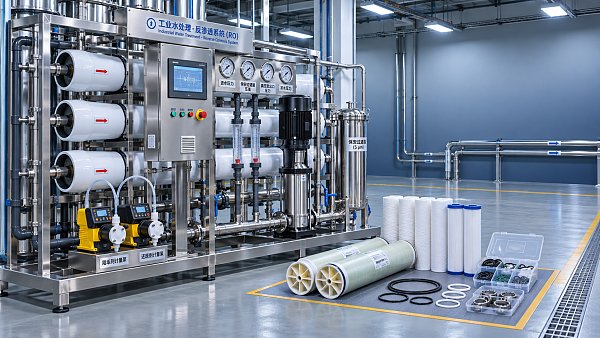
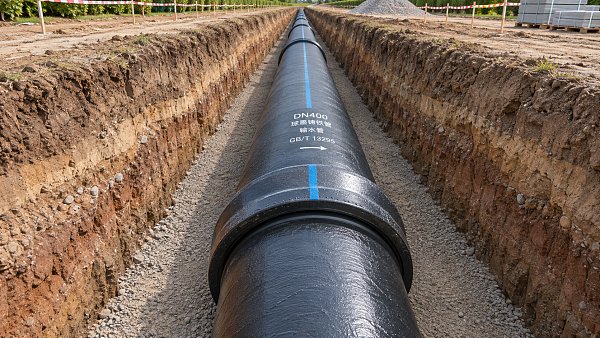
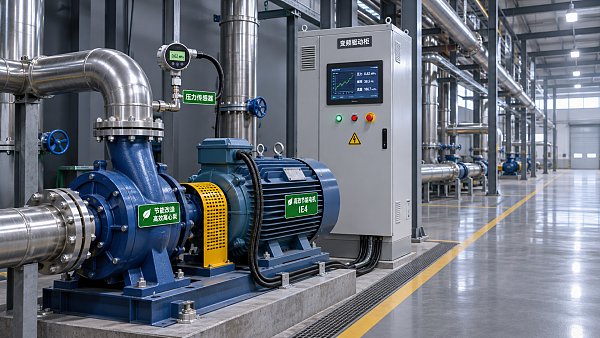
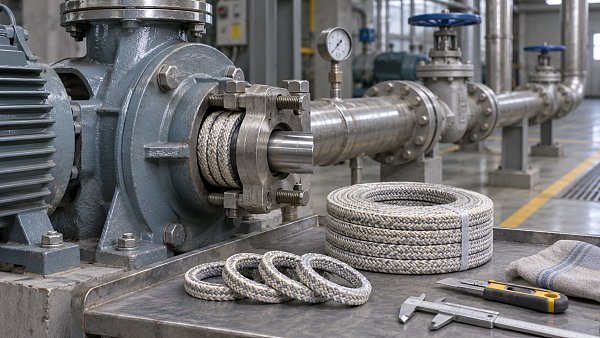
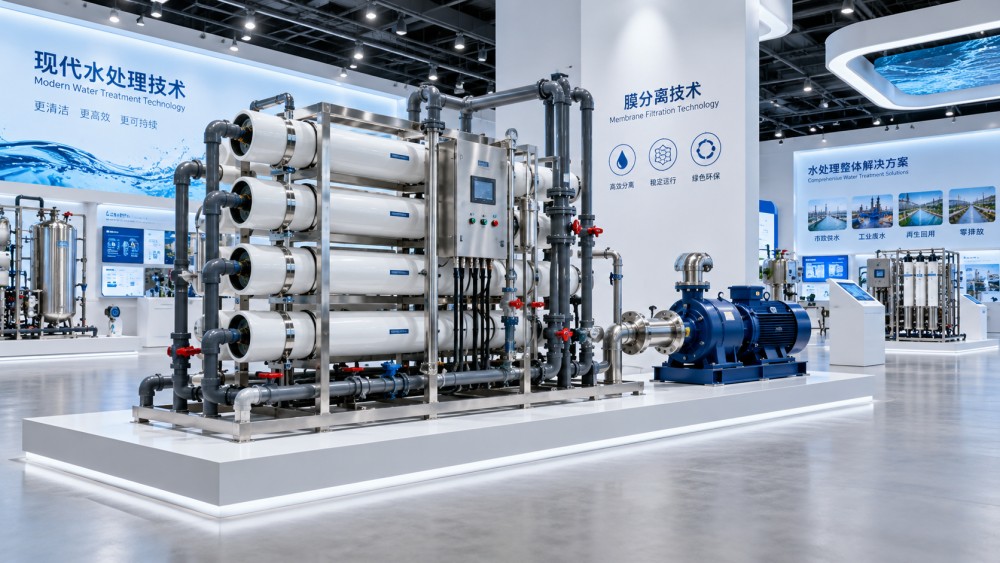
The exhibition covers 30,000 square metres and brings together more than 450 domestic and international companies. Nearly 10 specialist forums are being held alongside displays of products and technologies spanning water purification, wastewater treatment, membrane technology, pumps, pipes, valves and smart water management.
Where Product Selection Meets Project Requirements
Manufacturers and component suppliers
From an industry perspective, suppliers of membranes, pumps, pipes and valves may face questions about how their products fit into broader treatment systems. Buyers may seek technical documentation, testing information and evidence of applicable certifications when comparing products. The event information does not establish any new certification requirement or change to an existing one.
Buyers and system integrators
For procurement teams and integrators, the range of technologies on display may provide a basis for comparing equipment and potential combinations. Analysis suggests that compatibility, performance under specified operating conditions and the availability of supporting documents could influence supplier selection and project delivery. Any applicable requirements would need to be checked against the relevant project and market.
Engineering and service providers
Providers involved in installation or ongoing service may find it useful to examine how proposed equipment and smart water management solutions would be integrated and supported. As a practical consideration, delivery arrangements, maintenance information and product traceability could affect project planning, although no changes to these arrangements are confirmed in the event summary.
Checks to Carry Into Procurement Discussions
Review specifications and supporting evidence
Companies evaluating water purification or wastewater treatment products could compare technical specifications with their intended applications and request available test reports and certification documents. Any claim that a particular approval is required should be verified against the applicable requirements rather than inferred from the exhibition.
Test compatibility across components
Where membranes, pumps, pipes, valves and control systems are being considered together, buyers and integrators may benefit from checking interfaces and operating conditions before selecting a combination. Alternative products or configurations could also be evaluated against the relevant project specifications.
Clarify documentation and delivery terms
Procurement teams could review supplier qualifications, technical documents, delivery schedules and after-sales arrangements during discussions. Where a purchase is subject to a tender or cross-border transaction, the relevant tender documents and trade requirements should be checked separately; the supplied information identifies no change to either.
What the Exhibition Does and Does Not Signal
In our assessment, this event is better understood as an opportunity to observe products and discuss requirements than as evidence of a rule already taking effect. The supplied summary does not report a policy announcement, revised standard or certification decision. Any later announcement or change in procurement practice would need independent verification before businesses treat it as an execution signal.
What deserves closer attention is whether subsequent official statements, standards documents or tender specifications identify changes relevant to the technologies presented, and how buyers and suppliers respond. No such developments are confirmed by the information provided.
Keeping the Event in Perspective
The exhibition brings multiple parts of the water treatment supply chain into one setting. Its practical value for a business may lie in comparing technologies and checking the evidence needed for specific purchases or projects. For now, it should not be treated as confirmation of a regulatory or trade-rule change.
Basis for This Report and Further Verification
This article is based on the supplied news title, event date and event summary. No specific official source link was provided in the input, so the event details and any subsequent developments should continue to be verified. Relevant materials for follow-up may include official announcements, standards organisation documents, trade authority information and industry reporting. Policy details, certification practices, tender changes, trade implementation and industry feedback remain matters for further observation.
Facing technical bottlenecks in manufacturing or looking for more efficient industrial solutions? Leave your details below and let the engineering experts at FCSM solve them for you.
Related News
 Beijing Plan Calls for Higher Efficiency in Compressors, Pumps and Other EquipmentDr. Alistair VaughnBeijing's zero-carbon factory plan targets higher efficiency in compressors, pumps and other equipment. Explore what buyers and suppliers should verify.
 How does ISO 16889 measure hydraulic filter performance?Dr. Alistair VaughnIndustrial filtration and separation: discover how ISO 16889 measures hydraulic filter efficiency, beta ratios and contaminant capacity to help you compare filters with confidence.
 Sulzer and NABEP Agree to Support Rebuilding of Venezuelan Heavy-Oil UpgraderDr. Alistair VaughnSulzer and NABEP agree to support Venezuela’s Petrocedeño heavy-oil upgrader rebuild. Explore the supply-chain implications and key questions for suppliers.
 How to size control valves for boiler feedwaterDr. Alistair VaughnSize control valves for boiler feed with confidence. Learn to calculate Cv, assess low-load control, and prevent cavitation for reliable operation.
 How to detect leaks in industrial compressed air systemsDr. Alistair VaughnExplore compressed air system leak detection methods for industrial facilities. Find leaks safely, prioritize repairs, and verify results to reduce air loss.
 How to assess an industrial water treatment supplier's after-sales supportDr. Alistair VaughnAssess an industrial water treatment supplier’s after-sales support with practical checks for response times, technical expertise, spare parts and service costs.
 Selecting C20 Ductile Iron Pipe for Buried Water MainsDr. Alistair VaughnC20 ductile iron pipe selection starts with more than pressure class. Explore surge, soil, joint and approval checks to specify buried water mains with confidence.
 How industrial machinery retrofit trends are shaping energy efficiencyDr. Alistair VaughnExplore industrial machinery retrofit trends, from smart controls to system upgrades, and discover how to improve energy efficiency without compromising reliability.
 Gland Packing Market Forecast to Grow Through 2035 on Pump and Valve MaintenanceDr. Alistair VaughnGland packing market growth through 2035 is driven by pump and valve maintenance. Explore demand trends and opportunities in high-performance sealing.
 ComVac ASIA 2026 Opens in Shanghai, Focusing on Compressor IntelligenceDr. Alistair VaughnComVac ASIA 2026 opens in Shanghai, spotlighting intelligent compressors, digitalization and emerging opportunities in compressed air and vacuum technology.
 Industrial Compressor Overheating: Causes and Maintenance ChecksDr. Alistair VaughnIndustrial compressor selection starts with understanding overheating. Explore key causes, safety checks and maintenance tips to prevent recurring shutdowns.
 Industrial Compressor Sizing: Matching Capacity to DemandDr. Alistair VaughnMaster industrial compressor selection with practical guidance on sizing capacity, pressure, duty cycles and storage to meet demand efficiently.