Decarbonization Roadmap Priorities for Industrial Energy Planning




Decarbonization Roadmap Priorities Are Moving From Ambition to Operating Discipline
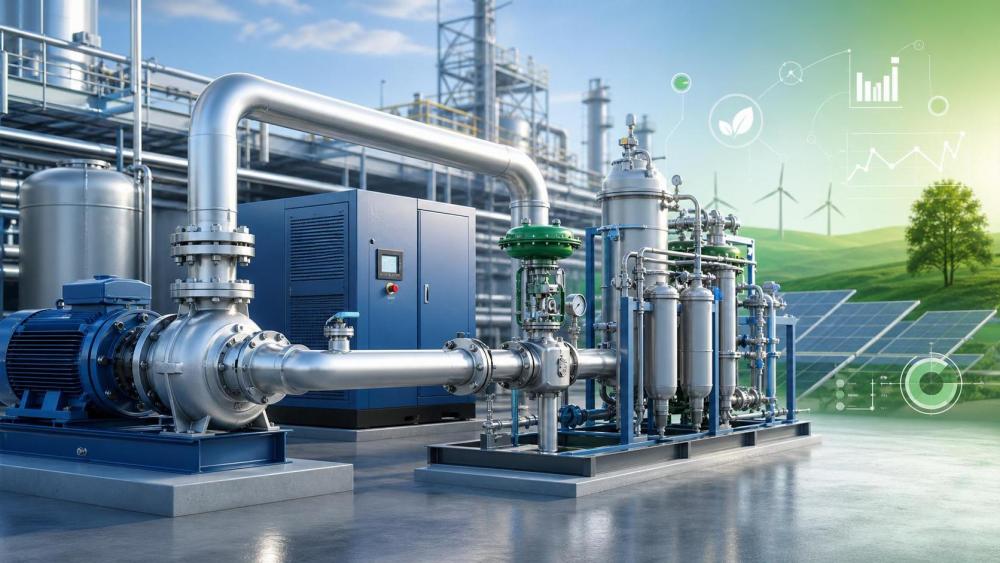
Industrial energy planning has entered a different phase. Carbon targets still matter, but boardroom attention is shifting toward execution quality, asset efficiency, and operational resilience.
That is why the decarbonization roadmap now sits closer to maintenance strategy, process control, and capital allocation than to stand-alone sustainability reporting.
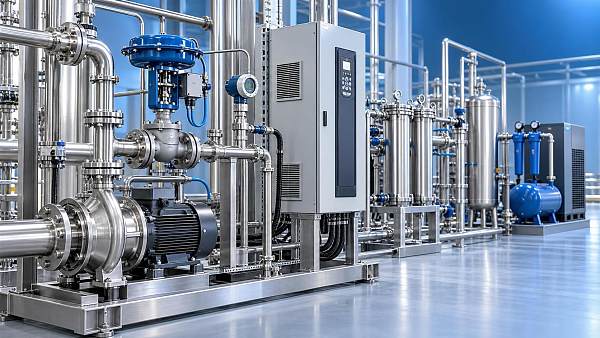
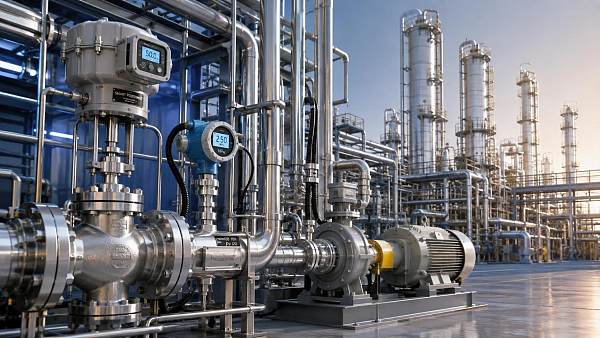
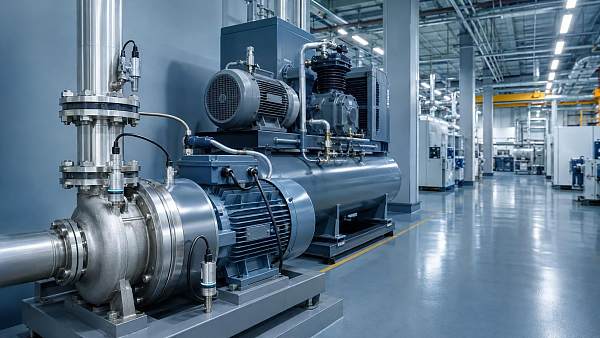
Across general industry, the most visible gains are no longer coming from headline commitments. They are coming from better pump hydraulics, tighter valve control, smarter compressed air management, and cleaner separation loops.
This matters because fluid and gas systems consume a large share of industrial power. Small inefficiencies inside rotating and control equipment scale quickly across continuous operations.
FCSM has tracked this shift closely. The strongest market signal is not abstract decarbonization language, but rising demand for measurable performance in pumps, compressors, valves, and filtration systems.
A practical decarbonization roadmap therefore begins with energy visibility and equipment reality. It is less about isolated upgrades, and more about understanding where thermodynamic losses truly sit.
Why the Decarbonization Roadmap Is Becoming More Specific
Several forces are making industrial energy planning more precise. Regulation is part of the story, but it is no longer the only driver.
Electricity price volatility has changed project math. Efficiency upgrades that once looked incremental now affect margin protection and production stability.
At the same time, procurement standards in global projects are getting tighter. Energy performance, leakage control, lifecycle emissions, and digital traceability increasingly influence tender competitiveness.
Another shift is technical. More sites now have enough sensor coverage to identify where pressure loss, cavitation, heat rejection, and idle-load waste are distorting system efficiency.
That makes the decarbonization roadmap less theoretical. It becomes a site-specific sequence of interventions, especially in fluid transport and compressed air systems.
- Motor efficiency regulations are raising the baseline for pumps, compressors, and auxiliaries.
- Material cost swings are forcing closer scrutiny of retrofit timing and total lifecycle value.
- Digital monitoring is exposing hidden losses that were previously treated as normal operating conditions.
- Peak carbon and water reuse targets are linking energy planning with process redesign.
The result is a more disciplined market. The best decisions now connect equipment physics with financial timing, rather than treating carbon reduction as a separate agenda.
The Largest Opportunities Are Still Inside Core Fluid and Gas Systems
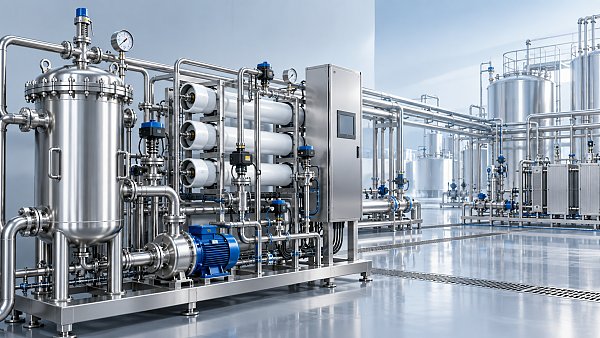
In many facilities, the decarbonization roadmap succeeds or stalls on ordinary machinery. That includes centrifugal pumps, plunger pumps, control valves, compressors, and filtration trains.
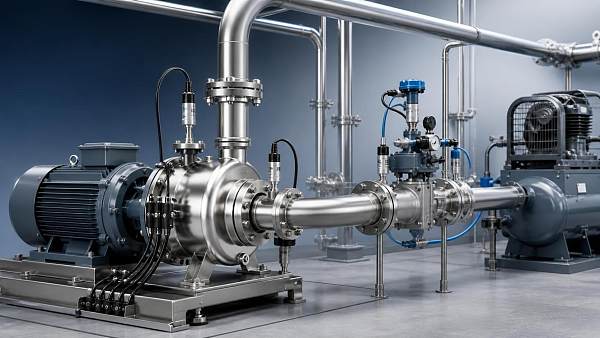
Centrifugal pumps remain a major focus because hydraulic mismatch is common. Oversizing, poor duty-point alignment, and chronic cavitation quietly raise energy use and maintenance frequency.
Compressed air offers another clear example. Permanent magnet variable frequency designs and two-stage compression have improved the ceiling, but leakage and unstable loading still erode performance.
Control valves are also becoming part of the carbon discussion. Poor valve sizing or unstable throttling can force pumps and compressors into inefficient operating windows.
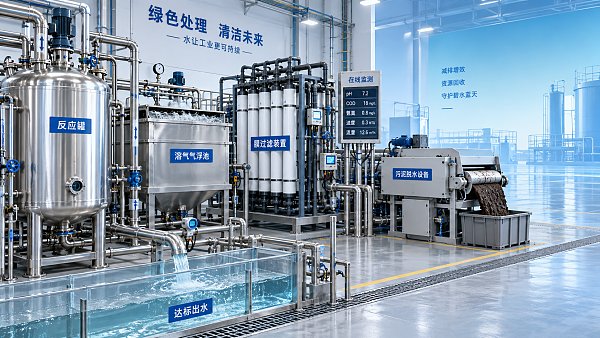
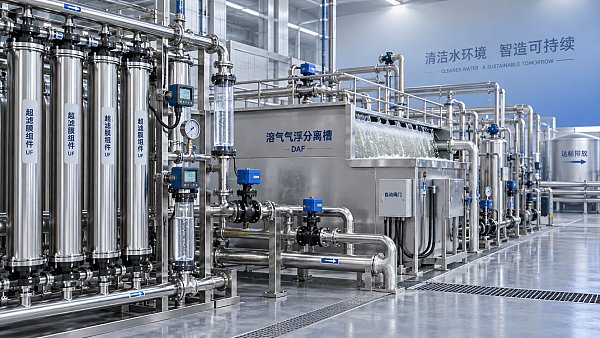
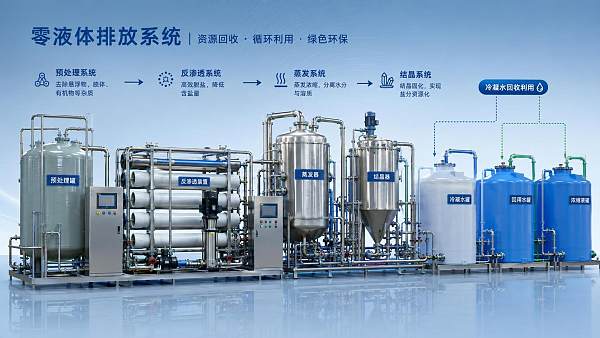
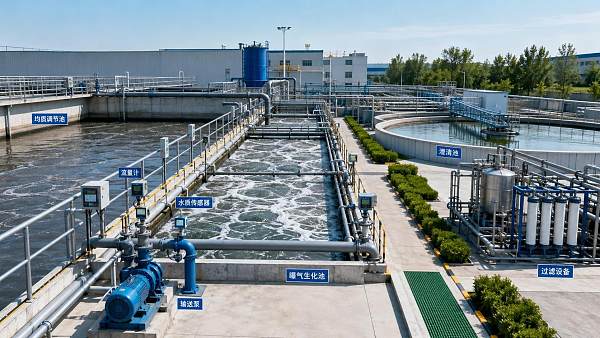
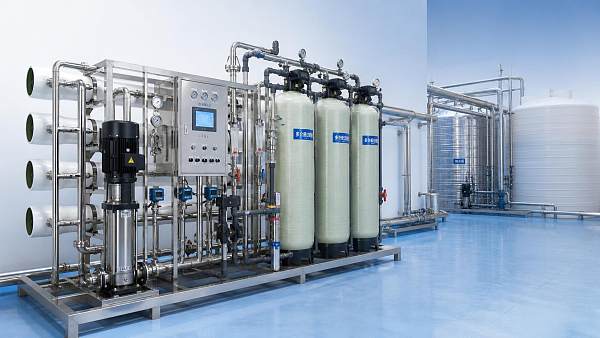
In water, chemical, and wastewater processes, filtration and separation systems now carry dual pressure. They must lower energy intensity while supporting reuse, ZLD, and discharge compliance.
What stands out is that these are not niche issues. They sit in mainstream industrial infrastructure, which is exactly why the decarbonization roadmap now depends on equipment-level judgment.
Digital Visibility Is Changing Which Projects Get Priority
A few years ago, many energy plans started with generic audits. Today, better data is changing the order of investment.
More operators can now compare actual duty cycles with design assumptions. That exposes where a pump retrofit will outperform a motor-only upgrade, or where valve instability is driving energy waste elsewhere.
This is where FCSM’s intelligence model has practical value. Insights built from CFD behavior, control noise analysis, rotor thermodynamics, and material trends help translate raw signals into operating decisions.
The decarbonization roadmap becomes sharper when data is interpreted through process context. Not every alarming metric is equally important, and not every efficient component improves the full system.
More investment committees are therefore asking a different question. They want to know which intervention reduces carbon while preserving uptime, process quality, and maintenance predictability.
That shift favors integrated planning over isolated procurement. It also explains why digitalization and decarbonization are now moving together in industrial machinery decisions.
The Impact Is Spreading Beyond Energy Costs Alone
A mature decarbonization roadmap changes more than utility spend. It affects asset reliability, bid positioning, compliance confidence, and even spare-parts strategy.
For export-facing operations, this is increasingly commercial. Buyers and project owners are examining energy-performance credibility with more rigor, especially in process-heavy sectors.
For facilities under water stress, the picture is broader still. Separation efficiency, membrane performance, and pressure management influence both emissions intensity and water security.
There is also a maintenance consequence. When the decarbonization roadmap targets real inefficiencies, it often removes vibration, heat, and unstable control behavior that would otherwise shorten asset life.
More clearly now, carbon reduction is being judged through operational evidence. Sites that cannot quantify system performance will struggle to prioritize investments or defend them internally.
What Deserves Attention in the Next Planning Cycle
The next phase of industrial energy planning will reward selectivity. Broad ambition is less useful than a sequenced decarbonization roadmap tied to loss mechanisms and decision timing.
Start where energy intensity and controllability intersect
Assets with high runtime and unstable operating windows usually offer the fastest returns. Pumps, compressors, and control loops often meet both conditions.
Separate retrofit logic from replacement logic
Not every old asset should be replaced. In some cases, impeller redesign, variable speed control, trim correction, or leak elimination delivers stronger value than full equipment turnover.
Use process interactions, not single metrics
A lower motor power reading may look positive while system pressure losses increase elsewhere. The decarbonization roadmap should be validated across the full flow path.
Watch standards and tender language closely
Efficiency requirements, leakage expectations, and digital reporting needs are changing together. Competitive positioning now depends on meeting all three.
- Map the top energy-consuming fluid and gas assets by runtime, duty stability, and maintenance burden.
- Identify where throttling, cavitation, pressure drop, or compressed air leakage create recurring losses.
- Rank projects by combined carbon impact, uptime protection, and payback resilience.
- Revisit performance data quarterly, not only during annual capital planning.
The strongest decarbonization roadmap is rarely the most dramatic. It is the one that turns equipment insight into repeatable operating gains.
A Practical Reading of What Comes Next
The market is moving toward harder proof. Carbon intent still matters, but industrial stakeholders increasingly trust evidence from energy curves, pressure behavior, reliability records, and lifecycle outcomes.
That makes the decarbonization roadmap a live management tool rather than a static policy document. It should evolve with operating data, regulation shifts, and equipment performance reality.
A sensible next step is to review where fluid and gas systems are consuming energy without creating proportional process value. That usually reveals the most actionable part of the roadmap.
From there, compare upgrade paths against actual duty conditions, not nameplate assumptions. In many facilities, that is where low-carbon planning starts to become commercially credible.
Related News
 What drives industrial wastewater treatment cost per cubic meter?Dr. Alistair VaughnIndustrial wastewater treatment cost per cubic meter depends on influent load, effluent targets, energy, technology, and sludge disposal. Explore the key cost drivers.
 How to verify CE compliance for fluid separation equipmentDr. Alistair VaughnFluid separation equipment CE verification made practical: learn how to check declarations, risk assessments, technical files, pressure safety, and installation readiness.
 Separation equipment trends reshaping industrial wastewater treatmentDr. Alistair VaughnSeparation equipment trends are reshaping industrial wastewater treatment through smarter membranes, modular systems, digital monitoring, and resource recovery strategies.
 When stainless steel separation equipment is the right choice for hygienic processesDr. Alistair VaughnStainless steel separation equipment: discover when hygienic design, corrosion resistance, CIP cleanability, and lifecycle reliability make it the smart choice.
 What to assess before choosing a process industry automation supplierDr. Alistair VaughnChoose a process industry automation supplier with confidence. Assess engineering depth, lifecycle reliability, digital integration, energy performance, and safety before you buy.
 How process control innovation in refineries reduces unplanned shutdownsDr. Alistair VaughnDiscover how process control innovation in refineries detects early deviations, improves valve and equipment reliability, and helps prevent costly unplanned shutdowns.
 What should a zero liquid discharge systems integrator include in its proposal?Dr. Alistair VaughnZero liquid discharge systems integrator proposal checklist: compare guarantees, utilities, scope, controls, waste handling, and lifecycle risk before award.
 Industrial wastewater treatment plant design: sizing for flow and loadDr. Alistair VaughnIndustrial wastewater treatment plant design guide: size systems for peak flow, pollutant loads, reliability, compliance, and lower lifecycle costs.
 Can predictive maintenance and machinery diagnostics prevent downtime?Dr. Alistair VaughnPredictive maintenance machinery diagnostics help reduce unplanned downtime by detecting early equipment issues, improving reliability, and enabling smarter maintenance decisions.
 Can a digital transformation machinery platform cut unplanned downtime?Dr. Alistair VaughnDiscover how a digital transformation machinery platform connects asset data, maintenance workflows, and process insights to reduce unplanned downtime.
 How water treatment equipment sizing affects operating costsDr. Alistair VaughnWater treatment equipment sizing shapes energy, chemical, and maintenance costs. Learn how to balance flow, pressure, recovery, and reliability for efficient operation.
 When does food processing automation justify the upfront investment?Dr. Alistair VaughnIndustrial automation solutions for food processing: discover when automation delivers measurable ROI through higher throughput, lower waste, reliable utilities, and stronger food safety control.