Digital Transformation Trends Shaping Industrial Operations in 2026




Digital transformation trends are moving from pilot projects to operating discipline
In 2026, industrial change feels less experimental and more structural. Digital transformation trends now shape how plants run, how assets are financed, and how risk is measured.
What changed is not only technology maturity. Energy volatility, emissions pressure, and tighter uptime expectations have pushed digital programs closer to core operations.
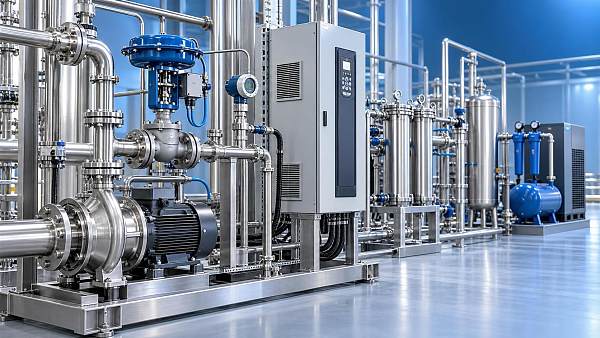
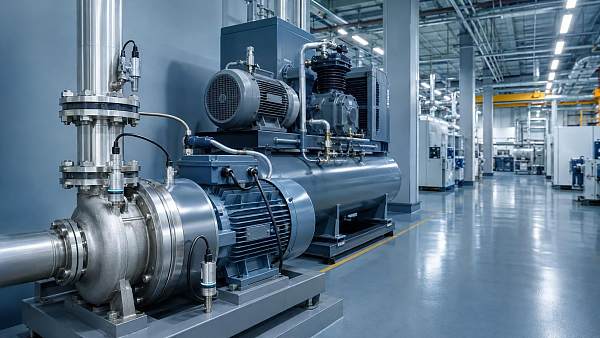
This is especially visible in fluid and gas systems. Pumps, valves, compressors, and separation equipment are no longer treated as isolated hardware lines.
They are becoming connected performance assets. Their data now influences maintenance timing, process stability, energy intensity, and even tender competitiveness.
For industrial enterprises, the practical question is no longer whether digital transformation trends matter. It is where measurable gains appear first and where hidden costs still remain.
That is why market attention is shifting toward operational intelligence. The value sits in linking equipment behavior with process outcomes, not in collecting dashboards for their own sake.
Why this shift is becoming more visible across industrial operations
Several forces are reinforcing each other. Their overlap explains why digital transformation trends look stronger in 2026 than they did only a few years ago.
- Decarbonization targets now require auditable efficiency data, not broad sustainability claims.
- Aging assets are staying in service longer, raising the value of predictive diagnostics.
- Process disruptions have made supply chains less forgiving of unplanned equipment failure.
- Sensor costs have fallen while industrial analytics tools have become easier to deploy.
- Operational teams increasingly need one view across utilities, process lines, and maintenance systems.
The result is a different investment logic. Companies are funding digital work where it lowers specific energy use, protects throughput, or improves lifecycle reliability.
From recent market signals, fluid machinery is a major beneficiary. These assets consume large amounts of power and often sit at the center of process continuity.
That makes them ideal starting points for digital transformation trends. A small efficiency gain in pumping, compression, or separation can scale quickly across a plant network.
The strongest signal: intelligent equipment is being judged by system impact
One of the clearest digital transformation trends is a move away from equipment-level thinking. Buyers and operators increasingly want system-level visibility and control.
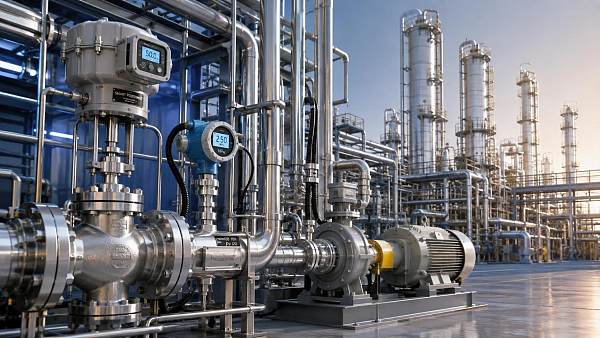
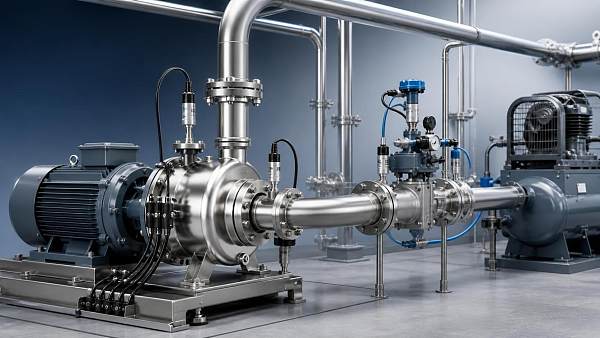
In centrifugal pumps, this means tracking cavitation risk, seal performance, vibration behavior, and motor efficiency as one operational picture.
In control valves, it means combining positioner data with flow instability, noise thresholds, and process safety margins.
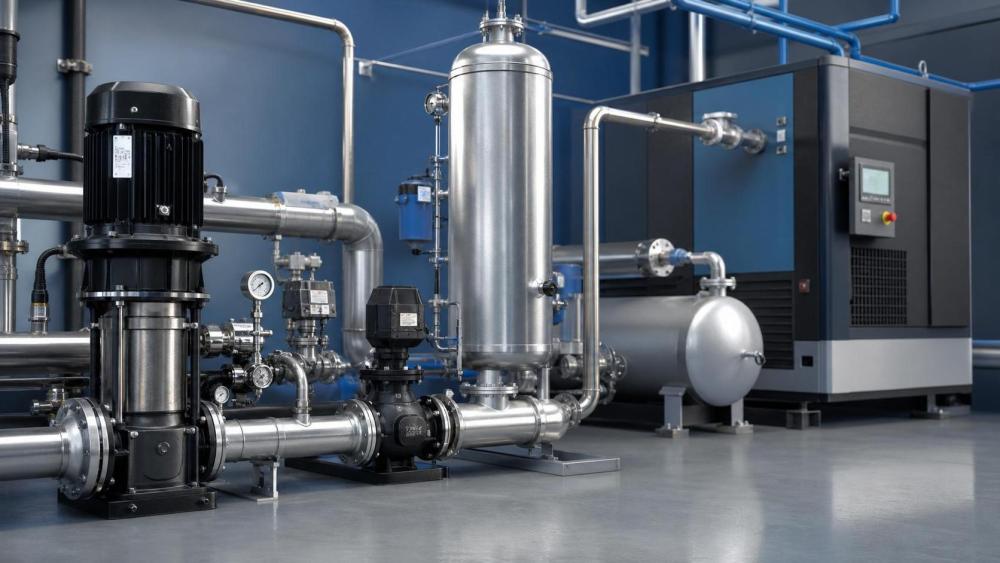
In air compressor systems, the focus has shifted toward load matching, leakage diagnosis, thermal performance, and energy optimization across the full compressed air network.
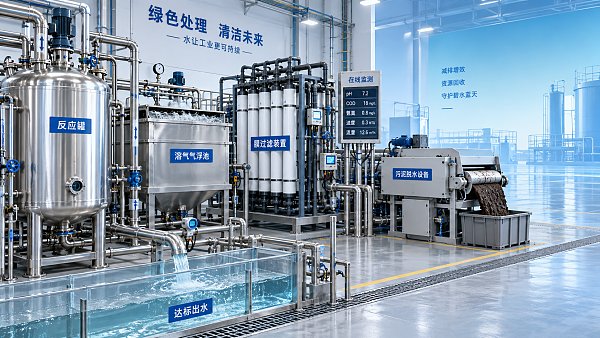
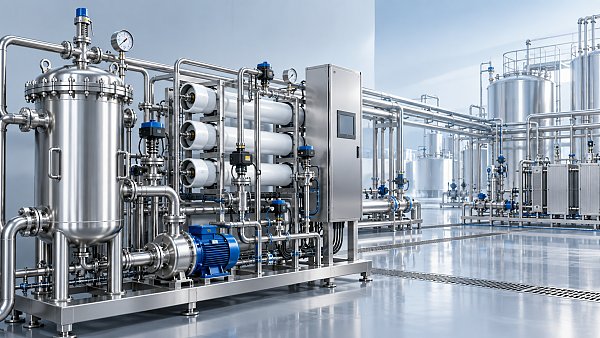
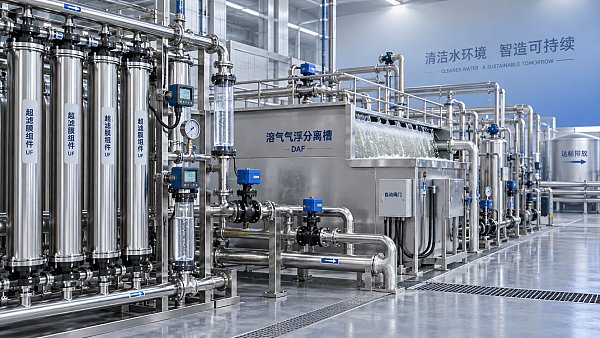
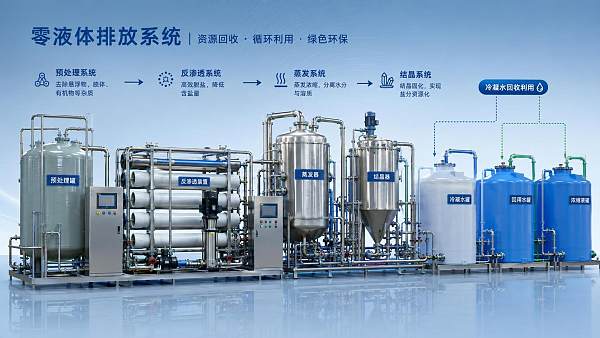
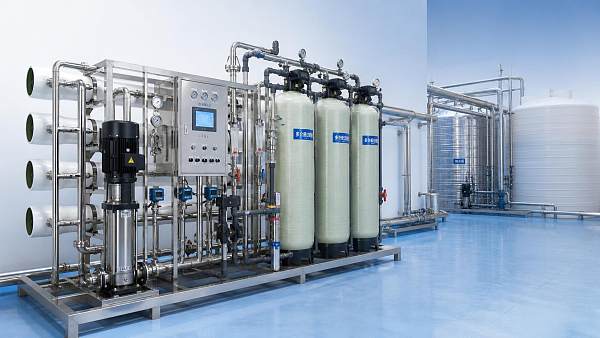
In filtration and separation, digital monitoring is increasingly tied to membrane fouling, pressure drop behavior, recovery ratios, and wastewater compliance risk.
This broader lens mirrors the way FCSM observes the industrial landscape. The most valuable insight now comes from stitching fluid dynamics, control logic, and commercial pressure into one decision frame.
What system-level visibility is changing
The data race is no longer about volume alone
Another important development is that raw data accumulation is losing prestige. Digital transformation trends now reward context, quality, and actionability.
Plants already generate vast machine data. The problem is that many signals remain disconnected from root causes or business decisions.
That is why engineering-led interpretation is becoming more valuable. A vibration alarm matters more when linked to impeller wear, hydraulic imbalance, or off-design operation.
The same applies to compressor telemetry. Temperature and pressure trends are useful only when they explain leakage, poor staging, or declining COP across duty cycles.
This creates space for specialized intelligence platforms. FCSM’s focus on CFD, thermodynamic evolution, valve noise models, and material regulation is relevant because generic analytics often miss these industrial subtleties.
In other words, digital transformation trends are becoming domain-specific. Industrial operations need interpretation grounded in equipment physics, not only software architecture.
Demand is shifting from automation alone to resilience and proof
For years, automation promised efficiency. In 2026, the stronger demand is for resilience that can be measured and defended.
This affects investment priorities across general industry. Capital is moving toward technologies that can verify uptime, emissions performance, and energy outcomes under real operating conditions.
That shift also changes replacement cycles. Older pumps and compressors may still run, yet they struggle to meet stricter energy standards or digital reporting expectations.
A replacement decision is now shaped by more than mechanical wear. Connectivity, controllability, and audit-ready efficiency data are becoming part of the asset case.
This is one reason top-tier fluid machinery is seeing replacement demand. Peak carbon policies and tighter motor rules are making performance transparency a commercial differentiator.
Digital transformation trends therefore reach beyond the plant floor. They increasingly influence financing, compliance, tender strategy, and brand credibility in industrial markets.
Where the impact is landing first
- Energy-intensive utilities, where every optimization can be quantified quickly.
- Critical process loops, where valve response and flow precision affect product quality.
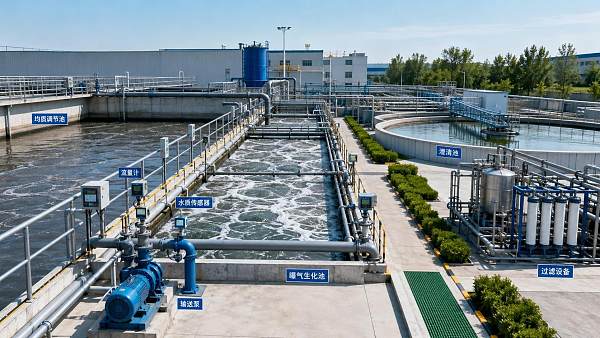
- Water and wastewater systems, where separation performance now intersects with compliance and reuse targets.
- Remote or harsh environments, where predictive maintenance lowers service risk and spare-parts exposure.
What deserves closer attention before budgets are committed
Not every digital project creates operating value. The gap between attractive presentations and usable results is still wide.
A practical starting point is to test every initiative against three questions. Does it explain a real source of loss, does it support action, and can it scale across assets?
This matters because digital transformation trends can be distorted by software-first thinking. Industrial results depend on instrumentation quality, process context, and maintenance discipline.
It is also worth watching material and regulatory signals. Special metal availability, motor standards, and emissions rules can alter the return profile of digital retrofits.
More advanced operators are now pairing market intelligence with operating data. That combination helps separate short-lived hype from structural change.
For fluid machinery, the most useful view often sits at the intersection of process design, reliability engineering, and energy policy.
The next move is to build a narrower, sharper digital agenda
The industrial winners in 2026 are unlikely to be those with the most software. They will be the ones that connect digital transformation trends to specific operating constraints.
A sensible next step is to rank assets by energy intensity, process criticality, and maintenance volatility. That quickly reveals where data can create tangible returns.
Then compare those priorities against current sensing gaps, control limitations, and reporting requirements. This usually produces a clearer roadmap than broad digital ambition statements.
It also helps to track specialized signals from fluid control and system machinery. Changes in cavitation behavior, valve noise envelopes, compressor thermodynamics, or membrane performance often forecast larger operating issues.
That is where disciplined intelligence becomes useful. Reading digital transformation trends through the actual mechanics of flow, pressure, air, and separation leads to better timing and better capital decisions.
The direction is clear. Industrial operations are becoming more connected, more accountable, and more performance-driven. The next advantage will come from acting on that reality with precision.
Related News
 What drives industrial wastewater treatment cost per cubic meter?Dr. Alistair VaughnIndustrial wastewater treatment cost per cubic meter depends on influent load, effluent targets, energy, technology, and sludge disposal. Explore the key cost drivers.
 How to verify CE compliance for fluid separation equipmentDr. Alistair VaughnFluid separation equipment CE verification made practical: learn how to check declarations, risk assessments, technical files, pressure safety, and installation readiness.
 Separation equipment trends reshaping industrial wastewater treatmentDr. Alistair VaughnSeparation equipment trends are reshaping industrial wastewater treatment through smarter membranes, modular systems, digital monitoring, and resource recovery strategies.
 When stainless steel separation equipment is the right choice for hygienic processesDr. Alistair VaughnStainless steel separation equipment: discover when hygienic design, corrosion resistance, CIP cleanability, and lifecycle reliability make it the smart choice.
 What to assess before choosing a process industry automation supplierDr. Alistair VaughnChoose a process industry automation supplier with confidence. Assess engineering depth, lifecycle reliability, digital integration, energy performance, and safety before you buy.
 How process control innovation in refineries reduces unplanned shutdownsDr. Alistair VaughnDiscover how process control innovation in refineries detects early deviations, improves valve and equipment reliability, and helps prevent costly unplanned shutdowns.
 What should a zero liquid discharge systems integrator include in its proposal?Dr. Alistair VaughnZero liquid discharge systems integrator proposal checklist: compare guarantees, utilities, scope, controls, waste handling, and lifecycle risk before award.
 Industrial wastewater treatment plant design: sizing for flow and loadDr. Alistair VaughnIndustrial wastewater treatment plant design guide: size systems for peak flow, pollutant loads, reliability, compliance, and lower lifecycle costs.
 Can predictive maintenance and machinery diagnostics prevent downtime?Dr. Alistair VaughnPredictive maintenance machinery diagnostics help reduce unplanned downtime by detecting early equipment issues, improving reliability, and enabling smarter maintenance decisions.
 Can a digital transformation machinery platform cut unplanned downtime?Dr. Alistair VaughnDiscover how a digital transformation machinery platform connects asset data, maintenance workflows, and process insights to reduce unplanned downtime.
 How water treatment equipment sizing affects operating costsDr. Alistair VaughnWater treatment equipment sizing shapes energy, chemical, and maintenance costs. Learn how to balance flow, pressure, recovery, and reliability for efficient operation.
 When does food processing automation justify the upfront investment?Dr. Alistair VaughnIndustrial automation solutions for food processing: discover when automation delivers measurable ROI through higher throughput, lower waste, reliable utilities, and stronger food safety control.