Energy Efficiency Solutions That Cut Operating Costs in 2026




In 2026, energy efficiency solutions sit at the center of industrial cost control. They are no longer framed as optional upgrades, but as practical levers for lowering power bills, stabilizing throughput, and meeting tighter regulatory expectations across global operations.
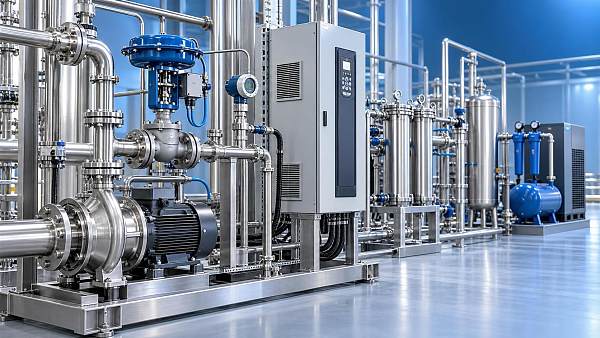
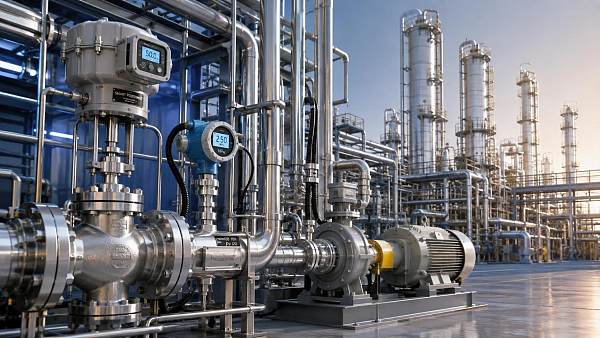
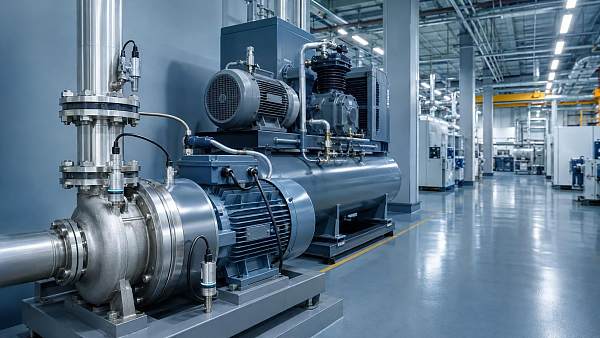
That shift matters most in fluid and gas systems. Pumps, compressors, control valves, and separation equipment often run continuously, which means even modest efficiency gains can reshape total operating cost over an asset’s full service life.
For companies tracking performance through the lens of reliability, carbon intensity, and lifecycle value, the real question is not whether to invest. It is which energy efficiency solutions deliver measurable returns without creating operational risk.
Why efficiency has become a cost strategy
Energy prices remain volatile in many regions. At the same time, motor regulations, emissions targets, and reporting standards are forcing industrial sites to account for how energy is consumed, not only how much is purchased.
This is where energy efficiency solutions become strategic. A better pump curve, a smarter valve positioner, or a more efficient compressor package can reduce waste every hour, not just during peak demand periods.
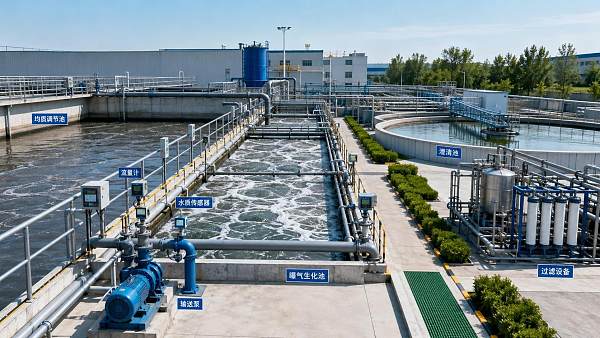
In sectors served by FCSM, the effect is especially visible. Fluid transfer, compressed air generation, pressure boosting, and wastewater treatment all convert electricity into motion, pressure, or separation. Losses in those conversions show up quickly on the balance sheet.
The broader value is resilience. Efficient systems tend to run cooler, experience less mechanical stress, and maintain steadier process conditions. Cost reduction and asset health increasingly move together.
What energy efficiency solutions really include in 2026
The term covers more than high-efficiency motors. In industrial practice, it refers to a coordinated set of equipment, controls, data tools, and operating methods that cut unnecessary energy use without sacrificing output.
In 2026, the most effective energy efficiency solutions usually combine design optimization with digital visibility. Hardware alone rarely captures the full opportunity if the system still runs far from its best efficiency point.
Core solution areas
- High-efficiency motors paired with variable frequency drives for load matching.
- Pump and compressor redesigns that improve hydraulic or thermodynamic performance.
- Smart pneumatic control valves that reduce throttling losses and improve process stability.
- Digital monitoring for pressure, flow, power draw, leak detection, and predictive maintenance.
- System-level retrofits, including piping changes, filtration improvements, and control logic updates.
Simple replacements still matter. Yet the strongest results usually come from evaluating the full energy path, from electrical input to useful process output.
Where operating costs are won or lost
Many industrial sites still focus on purchase price. In reality, the larger cost exposure often appears in decades of electricity use, maintenance events, unplanned downtime, and process inefficiency.
That is why energy efficiency solutions should be judged by lifecycle economics. A lower-cost asset that operates off-curve or requires frequent intervention can become the more expensive choice within a short period.
This is also why trusted technical intelligence matters. FCSM’s focus on cavitation behavior, compressor thermodynamics, and control valve performance reflects where hidden costs often originate.
The systems attracting the most attention
Not every asset offers the same savings potential. In 2026, attention is moving toward systems that consume power continuously or influence process-wide efficiency downstream.
Industrial centrifugal pumps
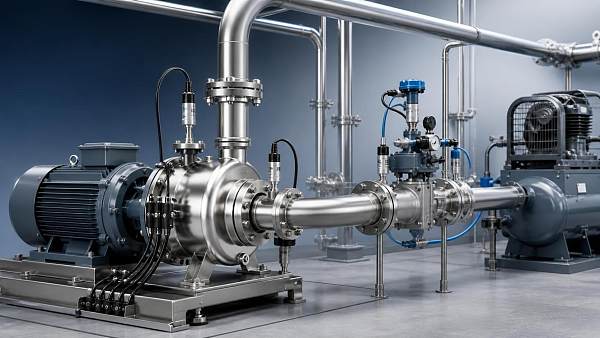
These remain one of the clearest targets for energy efficiency solutions. Many installed units were selected with generous design margins, then forced to operate away from their best efficiency point for years.
Better sizing, improved impeller geometry, and reduced cavitation risk can cut energy use while improving seal life and process consistency.
Air compressor systems
Compressed air is still one of the most expensive utilities in industry. Permanent magnet variable frequency systems, two-stage compression, and leak analytics are now central energy efficiency solutions in many plants.
The best projects do not stop at the compressor room. They examine pressure bands, storage, piping losses, and end-use demand behavior.
Smart control valves and separation systems
Valve trim selection affects more than control accuracy. It can influence pressure losses, noise, erosion, and the broader energy profile of a process line.
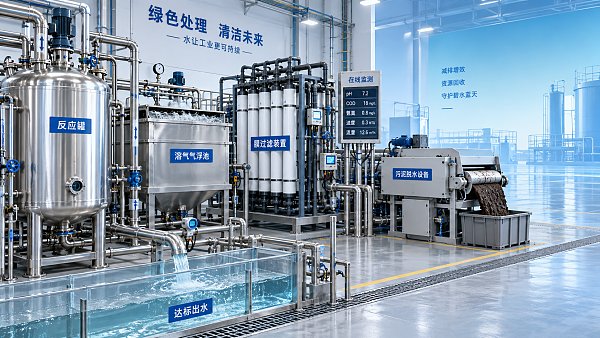
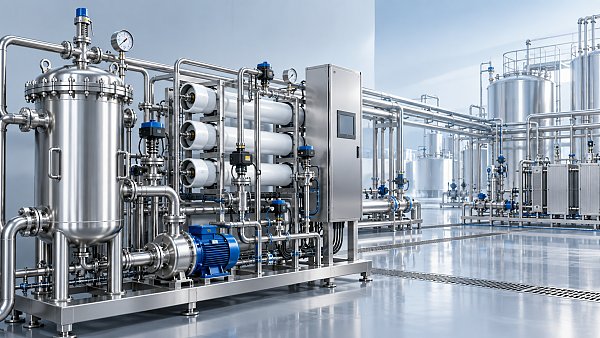
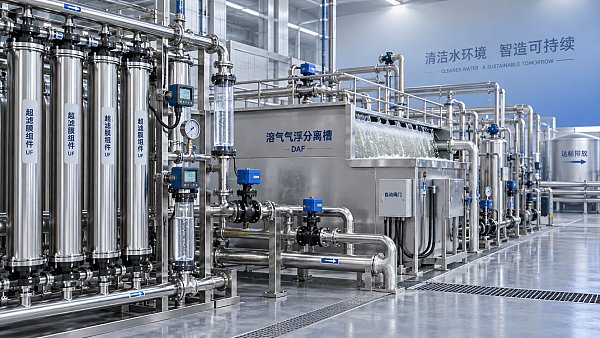
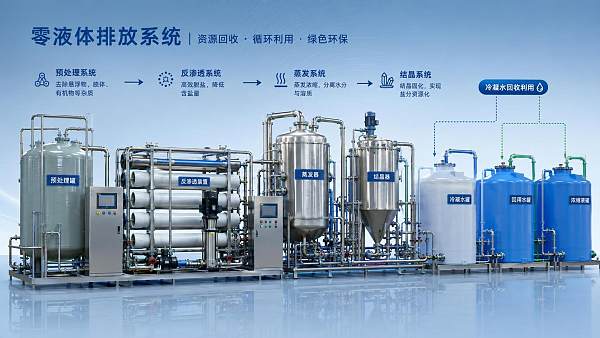
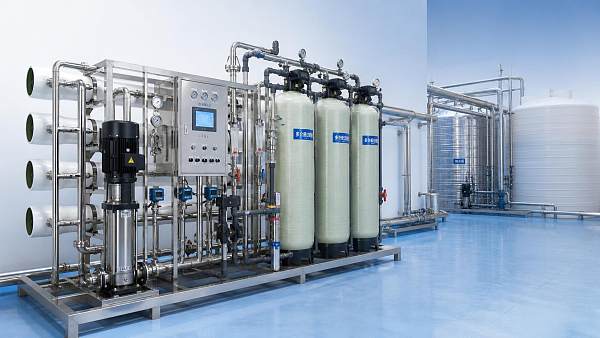
In filtration and separation, even small improvements in fouling resistance or membrane recovery can cut pump loads and cleaning frequency, especially in water-intensive operations.
How to evaluate solutions without missing hidden trade-offs
The strongest energy efficiency solutions are not always the most advanced on paper. They are the ones that fit duty conditions, maintenance capabilities, utility pricing, and production targets.
A structured review helps avoid common mistakes, especially in retrofit programs where legacy constraints shape the result.
- Map baseline performance using actual flow, pressure, load profile, and energy data.
- Separate equipment efficiency from system inefficiency before choosing upgrades.
- Compare annual energy savings with maintenance savings and uptime impact.
- Check whether compliance rules or tender standards favor premium-efficiency designs.
- Review digital monitoring needs early, not after equipment selection.
This is where a lifecycle mindset becomes useful. An efficient asset that cannot be monitored, maintained, or integrated into the control architecture may underperform in practice.
Digital optimization is now part of the efficiency equation
One of the biggest changes in 2026 is that energy efficiency solutions increasingly depend on data quality. Plants are moving beyond monthly utility reviews toward real-time visibility at the equipment and subsystem level.
That matters because many losses are dynamic. A pump may be efficient during one production phase and wasteful during another. A compressor may spend hours unloaded. A valve may hold a process stable while consuming excess pressure.
FCSM’s intelligence model reflects this trend. Technical analysis tied to CFD, thermodynamic evolution, and predictive maintenance offers a more realistic way to judge which upgrades will hold value over time.
In practical terms, digital optimization often includes power monitoring, condition-based maintenance, remote diagnostics, and control tuning. These tools help keep initial efficiency gains from eroding after commissioning.
What a sensible next step looks like
A useful starting point is not a full plant overhaul. It is a ranked view of where energy intensity, process criticality, and replacement timing overlap.
Sites with major pump fleets, compressed air dependence, or filtration bottlenecks often have the clearest first cases for energy efficiency solutions. From there, a phased roadmap becomes easier to justify and measure.
The most effective reviews usually compare three things together: current duty conditions, lifecycle cost, and future compliance pressure. That combination helps separate cosmetic upgrades from meaningful operational improvements.
For organizations following the fluid control and system machinery landscape, the next move is to build decision criteria around verified performance, not nameplate claims alone. That is where energy efficiency solutions begin to translate into durable cost advantage.
- industrial centrifugal pumps
- smart pneumatic control valves
- air compressor systems
- control valve performance
- centrifugal pumps
- plunger pumps
- control valves
- pneumatic control valves
- air compressors
- separation equipment
- predictive maintenance
- energy efficiency
- two-stage compression
- valve trim
- energy efficiency solutions
- smart control valves
Related News
 What drives industrial wastewater treatment cost per cubic meter?Dr. Alistair VaughnIndustrial wastewater treatment cost per cubic meter depends on influent load, effluent targets, energy, technology, and sludge disposal. Explore the key cost drivers.
 How to verify CE compliance for fluid separation equipmentDr. Alistair VaughnFluid separation equipment CE verification made practical: learn how to check declarations, risk assessments, technical files, pressure safety, and installation readiness.
 Separation equipment trends reshaping industrial wastewater treatmentDr. Alistair VaughnSeparation equipment trends are reshaping industrial wastewater treatment through smarter membranes, modular systems, digital monitoring, and resource recovery strategies.
 When stainless steel separation equipment is the right choice for hygienic processesDr. Alistair VaughnStainless steel separation equipment: discover when hygienic design, corrosion resistance, CIP cleanability, and lifecycle reliability make it the smart choice.
 What to assess before choosing a process industry automation supplierDr. Alistair VaughnChoose a process industry automation supplier with confidence. Assess engineering depth, lifecycle reliability, digital integration, energy performance, and safety before you buy.
 How process control innovation in refineries reduces unplanned shutdownsDr. Alistair VaughnDiscover how process control innovation in refineries detects early deviations, improves valve and equipment reliability, and helps prevent costly unplanned shutdowns.
 What should a zero liquid discharge systems integrator include in its proposal?Dr. Alistair VaughnZero liquid discharge systems integrator proposal checklist: compare guarantees, utilities, scope, controls, waste handling, and lifecycle risk before award.
 Industrial wastewater treatment plant design: sizing for flow and loadDr. Alistair VaughnIndustrial wastewater treatment plant design guide: size systems for peak flow, pollutant loads, reliability, compliance, and lower lifecycle costs.
 Can predictive maintenance and machinery diagnostics prevent downtime?Dr. Alistair VaughnPredictive maintenance machinery diagnostics help reduce unplanned downtime by detecting early equipment issues, improving reliability, and enabling smarter maintenance decisions.
 Can a digital transformation machinery platform cut unplanned downtime?Dr. Alistair VaughnDiscover how a digital transformation machinery platform connects asset data, maintenance workflows, and process insights to reduce unplanned downtime.
 How water treatment equipment sizing affects operating costsDr. Alistair VaughnWater treatment equipment sizing shapes energy, chemical, and maintenance costs. Learn how to balance flow, pressure, recovery, and reliability for efficient operation.
 When does food processing automation justify the upfront investment?Dr. Alistair VaughnIndustrial automation solutions for food processing: discover when automation delivers measurable ROI through higher throughput, lower waste, reliable utilities, and stronger food safety control.