Fluid Separation Equipment Trends Shaping 2026 Plant Upgrades




As manufacturers plan 2026 capital upgrades, fluid separation equipment is moving from a utility asset to a strategic lever for efficiency, compliance, and resilience. From tighter wastewater standards to smarter process control and lower energy intensity, plant leaders are rethinking how separation systems support uptime, product quality, and decarbonization goals. This article explores the trends enterprise decision-makers should watch now.
Why fluid separation equipment is now a board-level upgrade topic
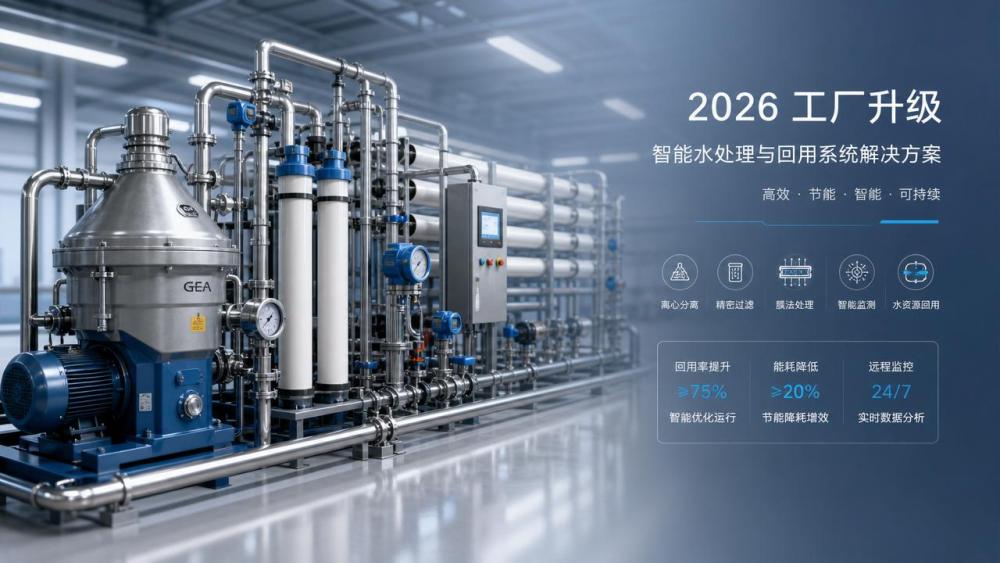
In many plants, fluid separation equipment used to be specified late in the project, often after pumps, valves, compressors, and core process lines were already fixed. That approach is fading quickly.
Today, separation systems influence water reuse, waste disposal cost, product recovery, corrosion risk, energy consumption, and permit compliance. For enterprise decision-makers, that means separation performance now affects both operating margin and expansion flexibility.
This shift is especially visible across diversified industrial groups where one investment committee may oversee chemical processing, food production, metal finishing, municipal treatment interfaces, and utility modernization at the same time.
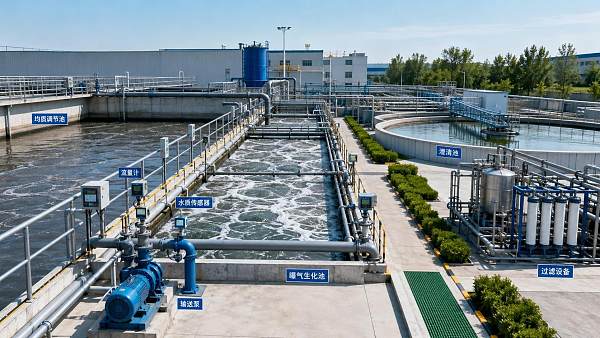
- Discharge regulation is becoming more stringent, especially where suspended solids, oil traces, dissolved contaminants, and sludge handling are under closer scrutiny.
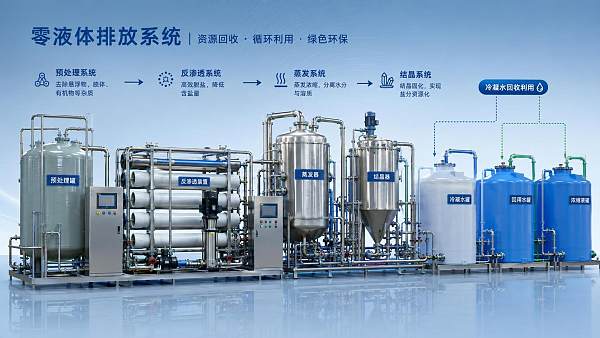
- Water stress is forcing more plants to evaluate recycle loops, RO pretreatment, membrane protection, and Zero Liquid Discharge pathways.
- Energy cost volatility is exposing the hidden lifecycle burden of oversized centrifuges, poorly matched filters, and inefficient dewatering sequences.
- Digital operations teams want measurable separation data, not just vendor claims, so they can connect plant reliability, maintenance, and utility cost models.
For FCSM, this is exactly where fluid intelligence matters. Separation performance does not stand alone. It interacts with pump cavitation behavior, valve control stability, compressor-supported automation, and overall process dynamics.
Which 2026 trends are changing fluid separation equipment decisions?
The 2026 upgrade cycle is being shaped by a set of technical and commercial trends that change how fluid separation equipment is evaluated, justified, and deployed across general industry.
1. Separation is being designed into whole-system efficiency
Plants are no longer judging separators only by solids capture or clarity. They are asking how the equipment affects pump duty, valve wear, membrane fouling, compressed air demand, chemical dosing, and sludge transport.
2. Pretreatment is gaining more capital priority
As more facilities pursue water reuse and ZLD-oriented treatment trains, upstream fluid separation equipment is receiving more attention. Better pretreatment reduces downstream membrane replacement, lowers cleaning frequency, and stabilizes compliance.
3. Smart monitoring is moving from optional to expected
Decision-makers increasingly want sensors for differential pressure, turbidity, conductivity, flow stability, vibration, and sludge dryness. The goal is not just visibility. It is earlier intervention and lower unplanned downtime.
4. Material selection is becoming more strategic
Corrosive media, chloride-rich streams, abrasive slurries, and temperature swings are pushing buyers to examine metallurgy, elastomer compatibility, and surface treatment more carefully than before.
5. Capital approval is shifting toward lifecycle evidence
A lower purchase price is no longer enough. Financial and operations teams want to compare energy use, consumables, maintenance hours, spare parts risk, and disposal cost across the life of the asset.
The table below summarizes the fluid separation equipment trends that matter most during 2026 plant upgrade planning.
The practical message is clear: fluid separation equipment is becoming a design, finance, and compliance decision at once. Teams that evaluate it in isolation tend to pay for that later through unstable operations or expensive retrofit work.
How should buyers compare major fluid separation equipment options?
Not every separation method fits the same plant objective. Some systems protect downstream membranes. Others recover product, reduce hauling cost, or improve discharge quality. Comparing technologies by headline efficiency alone is risky.
Common selection logic by plant objective
- For coarse solids removal and simple pretreatment, screens and primary filtration remain cost-effective and easier to maintain.
- For fine clarification or sludge thickening, centrifuges often provide compact layouts and continuous operation, but energy and wear must be examined closely.
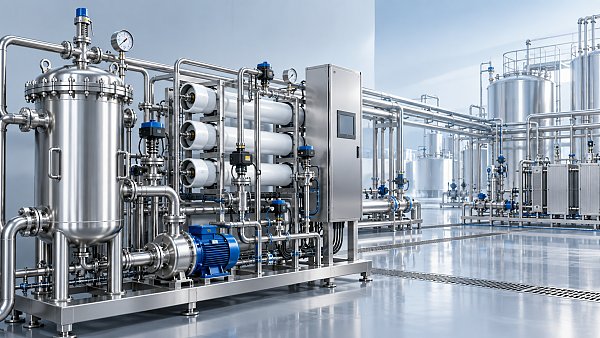
- For polishing and high-purity water pathways, membrane-based fluid separation equipment delivers strong performance, yet pretreatment quality is critical.
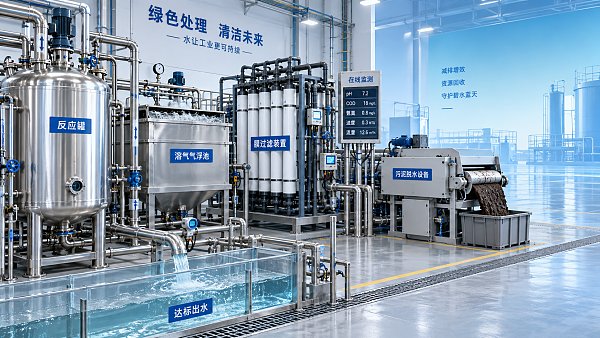
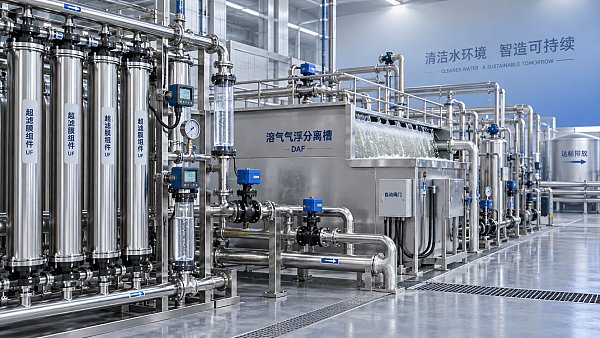
- For oily water or mixed industrial wastewater, dissolved air flotation and hybrid trains can outperform single-stage solutions when influent variability is high.
This comparison table helps enterprise teams align fluid separation equipment types with operating realities rather than generic claims.
A sound choice depends on the separation target, feed variability, maintenance capability, and how the system interacts with the rest of the fluid network. FCSM’s cross-disciplinary perspective is useful here because poor separation design often creates downstream pump, valve, and utility problems that look unrelated at first.
What technical parameters deserve the most attention during procurement?
When procurement teams evaluate fluid separation equipment, the most expensive mistakes usually come from incomplete feed characterization or vague duty definitions. A separator cannot outperform a poor specification.
Critical inputs for a robust specification
- Define normal, minimum, and peak flow. Many units perform well at nameplate conditions but become unstable under frequent turndown or surge operation.
- Characterize solids and liquids correctly. Particle size distribution, oil content, viscosity, pH, temperature, density differences, and corrosive components all change equipment suitability.
- Set measurable outlet targets. Clarified water quality, cake dryness, recovery rate, or membrane protection criteria should be quantified before bids are compared.
- Check integration conditions. Feed pressure stability, upstream pump control, valve response, CIP routines, and automation compatibility affect results as much as core equipment design.
For leadership teams, the issue is not whether every technical detail must be mastered internally. The issue is whether suppliers are forced to respond to a complete and decision-useful specification set.
How can decision-makers balance cost, resilience, and compliance?
A 2026 upgrade budget will be judged on payback, but also on risk avoided. That is why fluid separation equipment should be reviewed through a combined cost and resilience lens.
Where lifecycle cost usually hides
- Energy draw from pumps, drives, air systems, and dewatering equipment can exceed initial cost concerns over time.
- Consumables such as filter media, membranes, chemicals, and wear parts often vary more between duty conditions than between brands.
- Downtime cost can outweigh all other factors in plants where separator failure disrupts production, water reuse loops, or discharge permits.
- Sludge transport and disposal can materially alter the economics of dewatering strategy and solids capture performance.
Compliance should also be treated as an operational cost variable. If fluid separation equipment leaves too little margin under real-world influent variability, the plant may face recurring operator intervention, fines, or forced process constraints.
That is why conservative buyers increasingly prefer solutions with clearer operating windows, easier maintenance access, and stronger data visibility, even when the capital cost is not the lowest bid.
Which standards and implementation checks should not be overlooked?
Specific standards vary by jurisdiction and application, but enterprise buyers should still structure reviews around common compliance and engineering checkpoints rather than leaving them to the final negotiation phase.
Practical review points before final approval
- Material compatibility with the actual process fluid, including chlorides, solvents, cleaning chemicals, and temperature cycling.
- Instrumentation scope, including pressure, flow, turbidity, conductivity, vibration, or sludge concentration where relevant.
- Documentation for performance assumptions, maintenance intervals, consumables, and commissioning requirements.
- Interface alignment with pumps, control valves, compressor-supported actuators, and plant automation logic.
- Commissioning and operator training plans, especially when the plant is moving from manual supervision to more automated process control.
FCSM’s broader machinery perspective is valuable in this stage because separation equipment reliability often depends on upstream hydraulic stability and downstream control responsiveness, not just separator hardware quality.
FAQ: what do enterprise buyers ask most about fluid separation equipment?
How do we know if our plant needs a retrofit or a full replacement?
Start with failure mode and bottleneck mapping. If the issue is isolated to controls, wear parts, instrumentation, or pretreatment mismatch, a retrofit may be enough. If the current fluid separation equipment is fundamentally undersized, incompatible with the fluid, or unable to meet discharge and reuse targets, replacement is usually more economical over time.
What is the biggest mistake in fluid separation equipment procurement?
The most common mistake is buying against average conditions only. Real plants operate with startup peaks, seasonal shifts, contamination spikes, and changing utility conditions. Equipment selected too tightly around nominal data often creates unstable performance and hidden cost.
Which plants benefit most from smart monitoring?
Facilities with variable influent, strict wastewater limits, water reuse targets, or high downtime cost see the fastest value. Smart monitoring helps operators detect fouling, pressure drift, imbalance, and performance degradation before they become production or compliance events.
How should we compare vendor proposals fairly?
Use a common bid matrix. Require each vendor to state feed assumptions, outlet guarantees, energy consumption basis, consumable needs, maintenance intervals, instrumentation included, and expected delivery scope. Without that structure, low-price proposals can hide major lifecycle gaps.
Why work with FCSM when planning 2026 separation upgrades?
FCSM follows fluid systems as an interconnected industrial discipline. That matters because fluid separation equipment decisions are rarely isolated from pumps, smart control valves, air systems, automation, and decarbonization targets.
Our intelligence approach helps decision-makers frame better questions before they commit capital. We focus on process interaction, lifecycle efficiency, maintenance practicality, and the commercial implications of regulatory change and material supply pressure.
If your team is preparing a 2026 plant upgrade, you can consult FCSM on specification review, fluid separation equipment selection logic, integration risks, likely delivery constraints, and the trade-offs between retrofit and replacement pathways.
- Confirm process parameters, influent variability, and outlet targets before issuing RFQs.
- Compare equipment routes for filtration, centrifugation, membrane pretreatment, or hybrid systems.
- Discuss delivery timing, maintenance planning, spare strategy, and operator training needs.
- Review certification expectations, documentation needs, and application-specific customization factors.
- Support quotation alignment so proposals are evaluated on a like-for-like technical basis.
For enterprise buyers, the goal is not just to purchase fluid separation equipment. It is to secure a more stable, efficient, and compliant fluid infrastructure for the next investment cycle. That is the standard worth planning for now.
Related News
 What drives industrial wastewater treatment cost per cubic meter?Dr. Alistair VaughnIndustrial wastewater treatment cost per cubic meter depends on influent load, effluent targets, energy, technology, and sludge disposal. Explore the key cost drivers.
 How to verify CE compliance for fluid separation equipmentDr. Alistair VaughnFluid separation equipment CE verification made practical: learn how to check declarations, risk assessments, technical files, pressure safety, and installation readiness.
 Separation equipment trends reshaping industrial wastewater treatmentDr. Alistair VaughnSeparation equipment trends are reshaping industrial wastewater treatment through smarter membranes, modular systems, digital monitoring, and resource recovery strategies.
 When stainless steel separation equipment is the right choice for hygienic processesDr. Alistair VaughnStainless steel separation equipment: discover when hygienic design, corrosion resistance, CIP cleanability, and lifecycle reliability make it the smart choice.
 What to assess before choosing a process industry automation supplierDr. Alistair VaughnChoose a process industry automation supplier with confidence. Assess engineering depth, lifecycle reliability, digital integration, energy performance, and safety before you buy.
 How process control innovation in refineries reduces unplanned shutdownsDr. Alistair VaughnDiscover how process control innovation in refineries detects early deviations, improves valve and equipment reliability, and helps prevent costly unplanned shutdowns.
 What should a zero liquid discharge systems integrator include in its proposal?Dr. Alistair VaughnZero liquid discharge systems integrator proposal checklist: compare guarantees, utilities, scope, controls, waste handling, and lifecycle risk before award.
 Industrial wastewater treatment plant design: sizing for flow and loadDr. Alistair VaughnIndustrial wastewater treatment plant design guide: size systems for peak flow, pollutant loads, reliability, compliance, and lower lifecycle costs.
 Can predictive maintenance and machinery diagnostics prevent downtime?Dr. Alistair VaughnPredictive maintenance machinery diagnostics help reduce unplanned downtime by detecting early equipment issues, improving reliability, and enabling smarter maintenance decisions.
 Can a digital transformation machinery platform cut unplanned downtime?Dr. Alistair VaughnDiscover how a digital transformation machinery platform connects asset data, maintenance workflows, and process insights to reduce unplanned downtime.
 How water treatment equipment sizing affects operating costsDr. Alistair VaughnWater treatment equipment sizing shapes energy, chemical, and maintenance costs. Learn how to balance flow, pressure, recovery, and reliability for efficient operation.
 When does food processing automation justify the upfront investment?Dr. Alistair VaughnIndustrial automation solutions for food processing: discover when automation delivers measurable ROI through higher throughput, lower waste, reliable utilities, and stronger food safety control.