How Fluid Control Intelligence Monitoring Cuts Downtime




How Fluid Control Intelligence Monitoring Changes Downtime Decisions
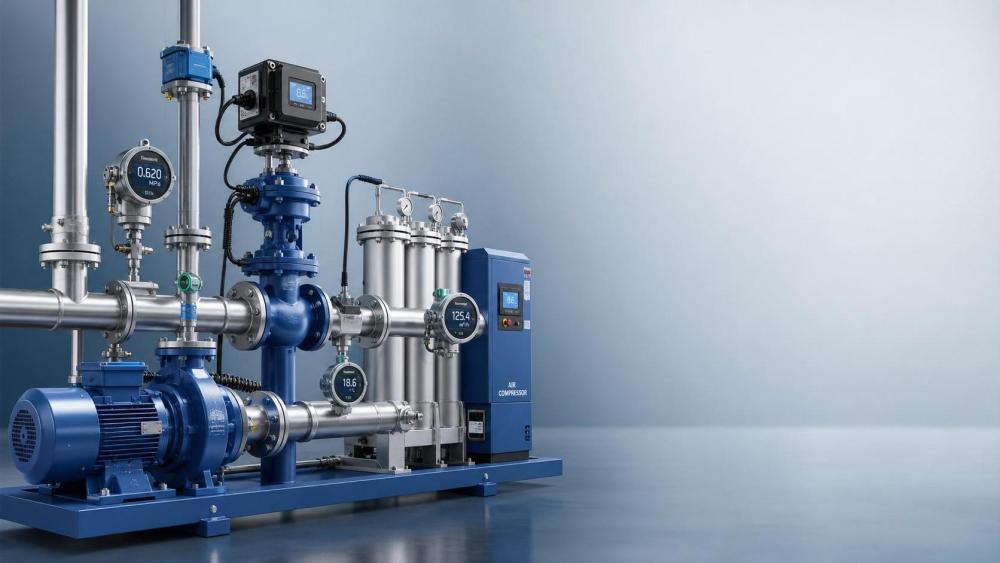
Fluid control intelligence monitoring is no longer a narrow maintenance tool.
In many process environments, it has become a practical way to protect uptime, energy performance, and operating stability at the same time.
That matters because downtime rarely starts with a dramatic equipment failure.
More often, it begins with a slow pressure drift, unstable valve travel, rising compressor temperature, or a filtration loop losing separation efficiency.
The challenge is that those signals look different across pump sets, control valves, air compressors, and fluid separation systems.
This is where fluid control intelligence monitoring earns its value.
It connects field data with operating context, so abnormal behavior is judged against process reality, not against static nameplate assumptions.
For an intelligence platform such as FCSM, that context is essential.
Its coverage of cavitation, valve noise, compressor thermodynamics, and separation reliability reflects how downtime risk spreads through the whole fluid network.
Actual Operating Conditions Shape Monitoring Priorities
In actual use, the first question is not which dashboard looks more advanced.
The first question is what kind of failure pattern the site is trying to catch early.
A chemical transfer pump can fail through cavitation, seal leakage, or bearing wear.
A pneumatic control valve may keep running while already degrading loop stability and product quality.
An air compressor often shows its problem through energy intensity before it shows a shutdown alarm.
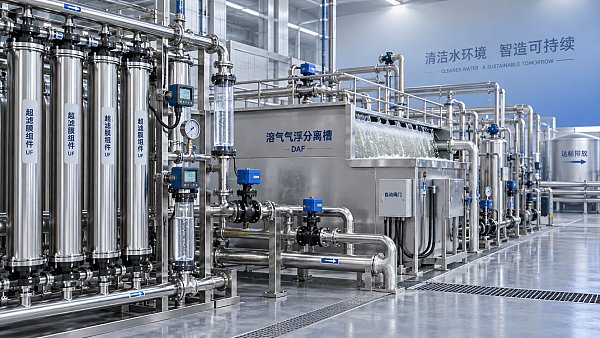
A filtration skid may meet flow targets while membrane fouling quietly drives cleaning frequency higher.
Because of that, fluid control intelligence monitoring should be built around process consequences.
In some lines, a short stop is acceptable but contamination is not.
Elsewhere, the real cost sits in energy loss, unstable throughput, or unplanned maintenance windows.
The stronger approach is to map data points to failure economics, safety exposure, and recovery difficulty.
Pump Networks Need Earlier Warnings Than Traditional Alarms Provide
Centrifugal pumps are often treated as straightforward assets until they begin affecting the whole process balance.
Yet pump downtime usually has upstream and downstream consequences that spread fast.
In water treatment, the concern may be flow continuity and motor efficiency.
In chemicals or special media service, leakage risk and cavitation behavior carry more weight.
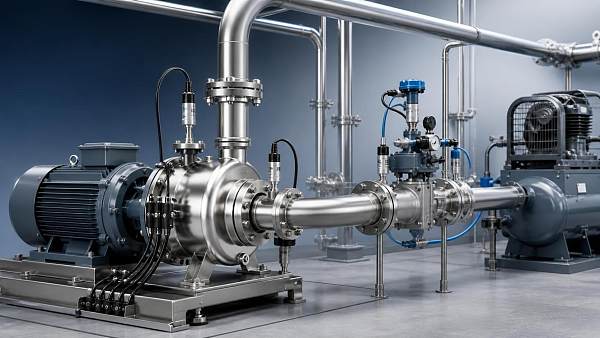
Here, fluid control intelligence monitoring should combine vibration, suction pressure, discharge pressure, power draw, and temperature trends.
The useful signal is often correlation, not any single reading.
For example, rising vibration with unstable suction conditions can indicate cavitation exposure before visible damage appears.
In higher pressure plunger systems, the monitoring logic changes.
Pressure ripple, seal condition, and volumetric efficiency matter more than broad rotating trends alone.
That is especially relevant in SWRO and other extreme-duty services where downtime compounds quickly through water output loss or process interruption.
Valve and Compressor Systems Usually Hide Losses Before They Trigger Failures
A common blind spot is assuming that only rotating equipment deserves advanced monitoring.
In reality, control valves and compressors often create the biggest hidden losses.
With smart pneumatic control valves, downtime is not always the first symptom.
Position deviation, stiction, poor throttling accuracy, and excessive noise can erode process control long before shutdown occurs.
Fluid control intelligence monitoring works best here when valve travel, actuator response, air supply quality, and loop behavior are analyzed together.
That is particularly useful in corrosive or high-temperature service where trim wear develops under difficult inspection conditions.
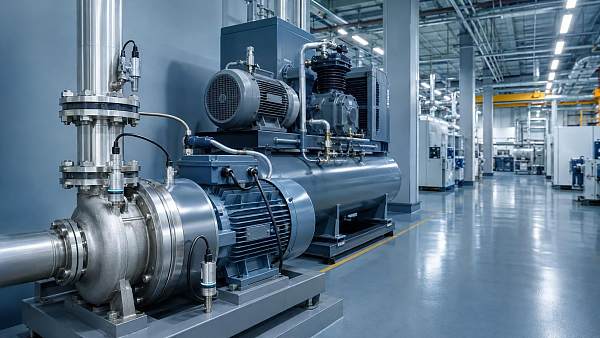
Air compressors present a different pattern.
The operating line may stay alive, but energy waste grows through poor load matching, thermal stress, or air leakage in the wider system.
For these assets, fluid control intelligence monitoring should track specific power, discharge temperature, pressure stability, and duty cycle behavior.
In plants pursuing lower carbon intensity, this is not only a maintenance issue.
It becomes a direct operating cost and compliance issue as motor efficiency rules tighten globally.
Separation and Filtration Lines Demand a Different Kind of Intelligence
Filtration and separation systems are often monitored too narrowly.
Teams watch flow and pressure, but miss the broader reliability story.
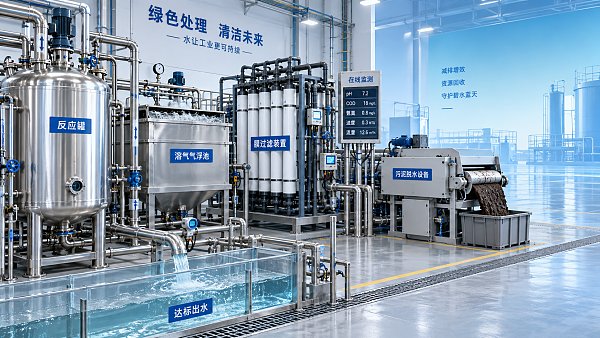
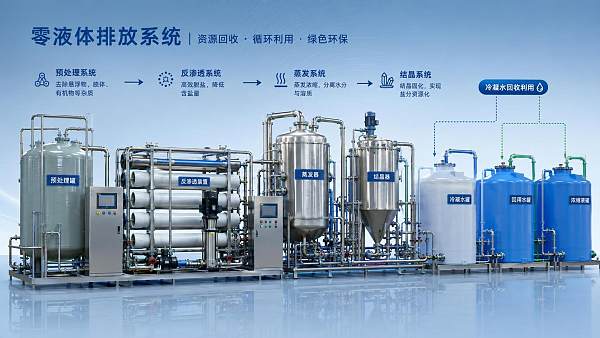
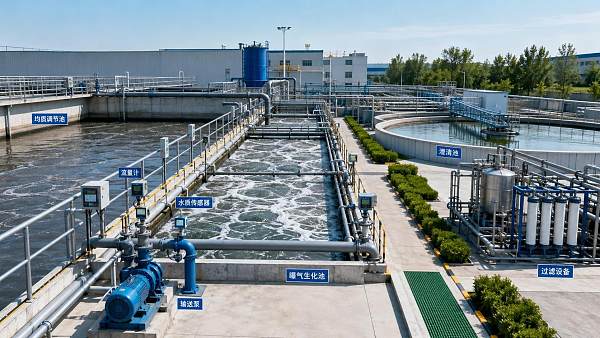
In wastewater reuse, sludge handling, or ZLD-oriented operations, downtime does not only come from a mechanical stop.
It also comes from declining water quality, rising cleaning cycles, and unstable membrane life.
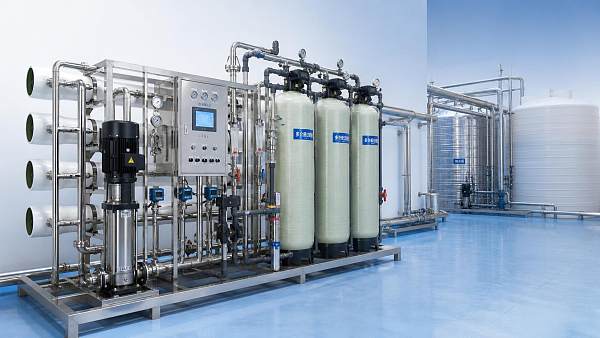
Fluid control intelligence monitoring is effective here when it links differential pressure, conductivity, recovery rate, cleaning frequency, and upstream feed variability.
That broader view helps separate a membrane issue from a feed condition issue or a pump control issue.
This is one reason intelligence platforms need cross-equipment visibility.
FCSM’s perspective across pumps, valves, compressors, and separation equipment reflects that system reality instead of treating each machine as an isolated problem.
Different Environments Change What Good Monitoring Looks Like
The same monitoring package will not fit every operation.
A simple comparison makes the differences easier to judge.
The point is not to collect more data everywhere.
It is to decide which variables best explain downtime risk in that operating context.
Where Fluid Control Intelligence Monitoring Is Commonly Misjudged
Several mistakes appear repeatedly when fluid control intelligence monitoring is introduced.
- Relying on equipment parameters without checking process variability, media properties, and load swings.
- Treating two similar pump or valve services as identical, even when temperature, solids content, or cycling frequency differ.
- Focusing on purchase cost while ignoring sensor maintenance, calibration effort, and integration complexity.
- Building alarms around fixed thresholds when trend interaction would reveal the problem earlier.
- Monitoring the asset but not the process outcome, which weakens prioritization.
A more reliable method is to start from failure history and process bottlenecks.
Then define what must be detected, how early detection needs to happen, and what action the signal should trigger.
A Practical Path for Matching Monitoring to the Right Scenario
Before expanding a monitoring program, it helps to structure the next steps around operating fit.
- List the fluid assets that create the highest downtime cascade when they drift or stop.
- Separate mechanical failure risks from energy, quality, and compliance risks.
- Define the few variables that reveal abnormal behavior early enough to act.
- Check whether site conditions support sensor reliability, data quality, and control integration.
- Review trends against maintenance records so model logic reflects real field behavior.
Fluid control intelligence monitoring reduces downtime most effectively when it is tied to specific operating realities.
That means judging pumps, valves, compressors, and separation systems by how they behave inside the process network, not as isolated assets.
For organizations tracking reliability, energy efficiency, and low-carbon transformation together, that wider view is increasingly the decisive one.
The next useful step is to map critical fluid assets, compare their operating conditions, and build a scenario-based monitoring standard before expanding across the site.
Related News
 What drives industrial wastewater treatment cost per cubic meter?Dr. Alistair VaughnIndustrial wastewater treatment cost per cubic meter depends on influent load, effluent targets, energy, technology, and sludge disposal. Explore the key cost drivers.
 How to verify CE compliance for fluid separation equipmentDr. Alistair VaughnFluid separation equipment CE verification made practical: learn how to check declarations, risk assessments, technical files, pressure safety, and installation readiness.
 Separation equipment trends reshaping industrial wastewater treatmentDr. Alistair VaughnSeparation equipment trends are reshaping industrial wastewater treatment through smarter membranes, modular systems, digital monitoring, and resource recovery strategies.
 When stainless steel separation equipment is the right choice for hygienic processesDr. Alistair VaughnStainless steel separation equipment: discover when hygienic design, corrosion resistance, CIP cleanability, and lifecycle reliability make it the smart choice.
 What to assess before choosing a process industry automation supplierDr. Alistair VaughnChoose a process industry automation supplier with confidence. Assess engineering depth, lifecycle reliability, digital integration, energy performance, and safety before you buy.
 How process control innovation in refineries reduces unplanned shutdownsDr. Alistair VaughnDiscover how process control innovation in refineries detects early deviations, improves valve and equipment reliability, and helps prevent costly unplanned shutdowns.
 What should a zero liquid discharge systems integrator include in its proposal?Dr. Alistair VaughnZero liquid discharge systems integrator proposal checklist: compare guarantees, utilities, scope, controls, waste handling, and lifecycle risk before award.
 Industrial wastewater treatment plant design: sizing for flow and loadDr. Alistair VaughnIndustrial wastewater treatment plant design guide: size systems for peak flow, pollutant loads, reliability, compliance, and lower lifecycle costs.
 Can predictive maintenance and machinery diagnostics prevent downtime?Dr. Alistair VaughnPredictive maintenance machinery diagnostics help reduce unplanned downtime by detecting early equipment issues, improving reliability, and enabling smarter maintenance decisions.
 Can a digital transformation machinery platform cut unplanned downtime?Dr. Alistair VaughnDiscover how a digital transformation machinery platform connects asset data, maintenance workflows, and process insights to reduce unplanned downtime.
 How water treatment equipment sizing affects operating costsDr. Alistair VaughnWater treatment equipment sizing shapes energy, chemical, and maintenance costs. Learn how to balance flow, pressure, recovery, and reliability for efficient operation.
 When does food processing automation justify the upfront investment?Dr. Alistair VaughnIndustrial automation solutions for food processing: discover when automation delivers measurable ROI through higher throughput, lower waste, reliable utilities, and stronger food safety control.