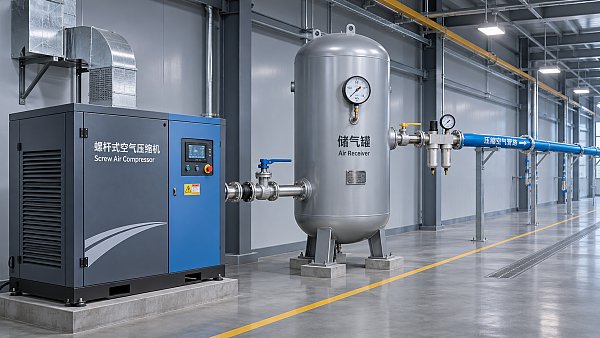




Unplanned downtime often begins with subtle changes in vibration, pressure, flow, or temperature—signals that conventional maintenance schedules can miss before equipment performance deteriorates.
Emerging fluid control technology trends are making these signals more actionable through connected sensors, edge analytics, and digital twins across pumps, control valves, compressors, and filtration systems.
For technical evaluators, the challenge is distinguishing useful diagnostics from impressive dashboards. Effective systems connect reliable measurements with identifiable failure modes and practical maintenance decisions.
This article examines how these technologies support predictive maintenance, which performance indicators matter, and how to assess integration requirements, data quality, and lifecycle value before investing.
What should predictive maintenance actually deliver?
The strongest investment case is earlier detection of actionable deterioration, with enough warning to inspect equipment, arrange parts, and schedule intervention before operational consequences escalate.
A monitoring platform therefore needs to answer three questions: what is changing, how confidently can the change be interpreted, and what should the maintenance team do?
Condition monitoring describes equipment health. Predictive maintenance uses evidence of deterioration to support intervention timing, sometimes through forecasting, sometimes through validated trends and engineering judgment.
Precise remaining useful life estimates are difficult when operating conditions vary or failure histories are sparse. Useful warning windows can still support effective maintenance planning.
Start evaluation with specific failure modes: bearing damage, seal degradation, valve stiction, compressor cooling problems, or membrane fouling. Each requires different measurements and diagnostic logic.
Prioritize assets where failure creates meaningful production, safety, quality, or environmental consequences. Low-cost equipment with readily available redundancy may justify simpler monitoring and planned replacement.
Which fluid control technology trends improve diagnostic confidence?
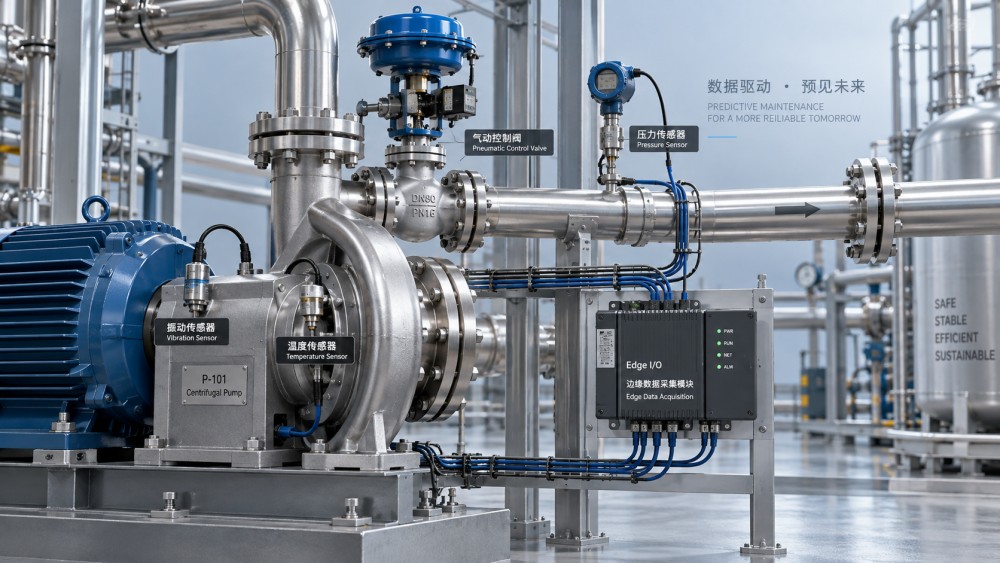
Connected sensors expand visibility, but sensor placement and measurement quality determine diagnostic value. Additional data helps only when it captures relevant equipment behavior and operating conditions.
Multivariable analysis combines vibration, pressure, flow, temperature, speed, and power. Correlated changes help distinguish mechanical deterioration from process disturbances, reducing unnecessary inspections and replacement work.
For example, higher pump vibration alongside reduced suction pressure suggests a different investigation than higher vibration at stable hydraulic conditions accompanied by increasing bearing temperature.
Edge analytics processes measurements near the equipment. It can preserve high-frequency waveform information, detect short events, and continue local monitoring when external connectivity becomes unavailable.
Cloud platforms can support fleet comparisons, model management, and cross-site analysis. Evaluate what remains available locally during communication outages, including alarms, stored data, and diagnostic access.
Hybrid models combine physical relationships with statistical learning. They can make deviations easier to interpret, although their reliability still depends on calibration and representative operating data.
Digital twins are useful when they estimate expected behavior under current conditions. Their value depends on whether differences between measured and predicted performance reveal actionable deterioration.
Which measurements matter for each equipment family?
Fluid machinery shares common monitoring needs, but failure mechanisms differ. A technically credible proposal should explain why each measurement is relevant to the asset being evaluated.
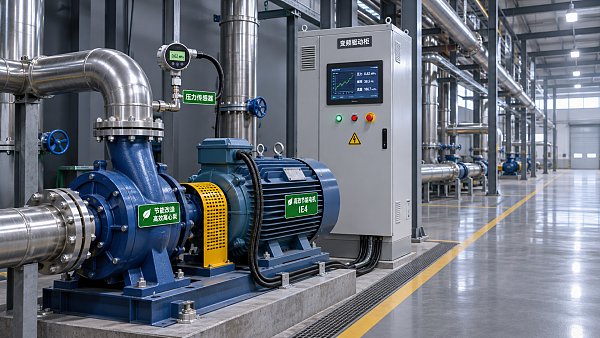
For centrifugal pumps, assess hydraulic measurements against operating speed and the pump curve. A changing duty point can explain apparent efficiency loss without indicating mechanical damage.
Cavitation assessment requires suction conditions, liquid properties, and operating context. Vibration or acoustic signatures alone should not be treated as definitive proof of insufficient suction margin.
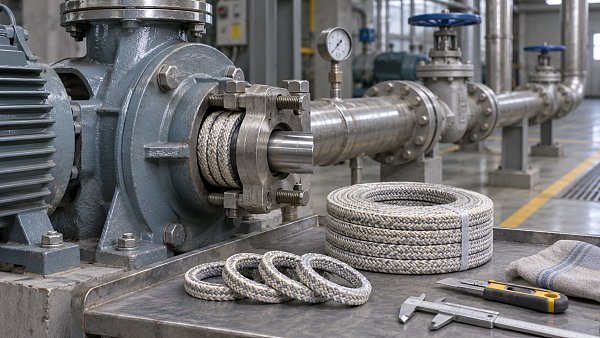
For plunger pumps, pressure pulsation contains normal cyclic behavior. Diagnostics must account for operating speed and pump configuration before identifying abnormal valve or packing performance.
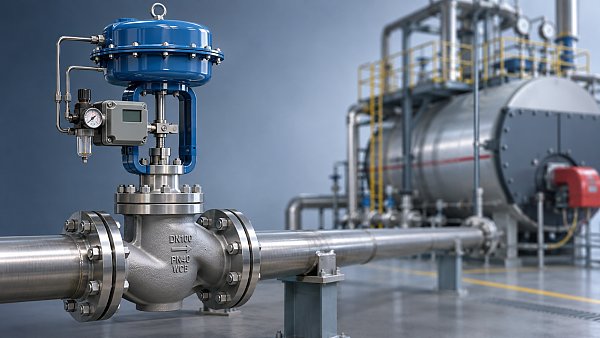
Smart positioners can reveal control valve friction and response changes. Some diagnostic tests require valve movement that disrupts production, so distinguish online monitoring from offline testing.
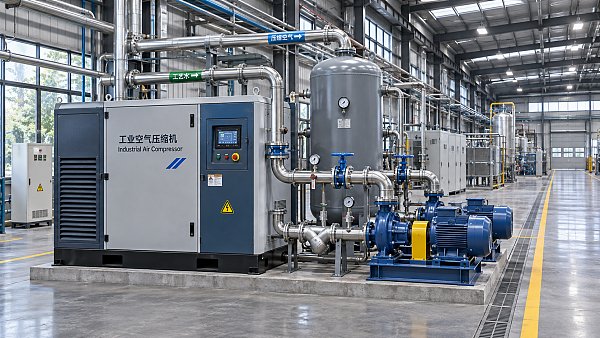
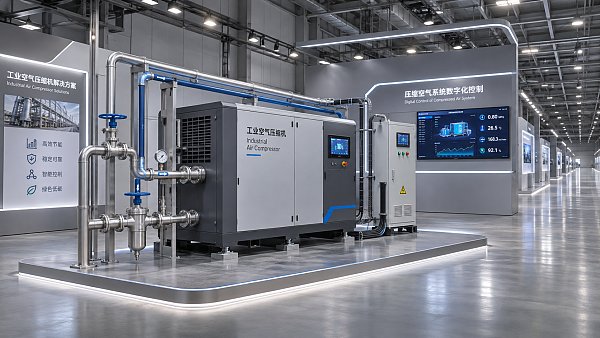
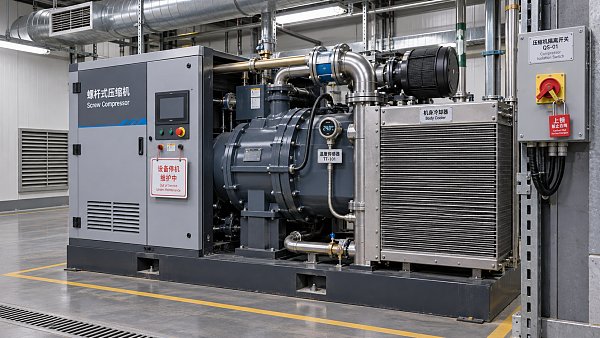
For compressors, interpret specific power at comparable delivery pressure and defined flow reference conditions. Changing demand, unloading behavior, and ambient conditions can distort simple efficiency comparisons.
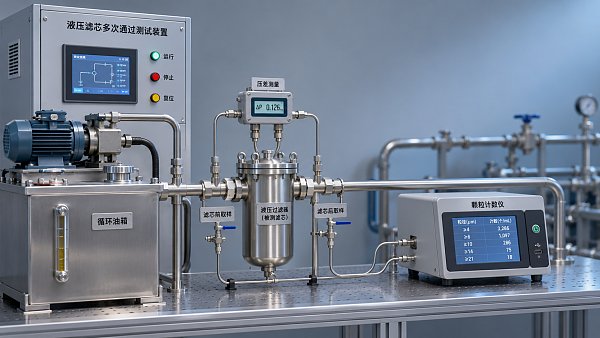
For filtration systems, rising differential pressure may reflect loading or viscosity changes. Membrane performance should be normalized for relevant temperature, pressure, and feedwater characteristics before diagnosis.
How can evaluators separate deterioration from normal process changes?
False alarms often originate from incomplete operating context. Startup, shutdown, cleaning, recirculation, and product changes can produce patterns that resemble developing faults in steady operation.
Build baselines for representative operating states rather than one universal threshold. Variable-speed machinery especially requires comparisons at similar speed, load, and hydraulic or pneumatic conditions.
Record sensor location, range, accuracy, sampling rate, and calibration history. These details determine whether small changes represent equipment behavior or measurement uncertainty during actual operation.
Sampling requirements depend on the failure mode. Slowly changing fouling indicators may need modest update rates, while bearing diagnostics require suitable vibration bandwidth and waveform acquisition.
Time synchronization matters when combining signals. Misaligned pressure, flow, and vibration records can create misleading correlations, particularly during transient events or rapidly changing control conditions.
Ask how the platform handles missing data, sensor drift, replacement sensors, and changed equipment settings. Diagnostic confidence should decrease when the supporting measurements become unreliable.
Model validation must avoid using future information or overlapping records that inflate results. Performance on unfamiliar operating periods is more informative than accuracy on training data.
What evidence should an AI or digital twin supplier provide?
Request evidence at the failure-mode level. A broad claim of high accuracy says little unless the supplier defines events, operating conditions, and how predictions were evaluated.
Useful measures include missed events, false alerts per asset-month, actionable warning time, and the proportion of alerts confirmed through inspection or subsequent maintenance findings in practice.
Warning time should match the response required. Several hours may support an operational adjustment, while replacement planning can require days or weeks for parts and access.
Ask whether the model identifies a likely cause or only detects unusual behavior. Anomaly detection can be valuable, but it still requires a structured diagnostic process.
For digital twins, examine model boundaries, calibration needs, and sensitivity to uncertain inputs. A detailed simulation can still produce unreliable conclusions when boundary conditions are poorly measured.
Require examples showing the measured deviation, engineering interpretation, recommended action, and verified outcome. These demonstrate how analytical outputs translate into decisions under realistic plant conditions.
Where failure data is limited, physics-based indicators and expert rules may provide a stronger starting point. More complex models should demonstrate additional value against that baseline.
Will the system fit existing controls and maintenance workflows?
Predictive maintenance should connect equipment observations with the plant historian, asset records, and maintenance management system. Consistent asset identification prevents alerts from becoming disconnected data.
Check protocol support, timestamps, units, and access to raw measurements. Compatibility with OPC UA or industrial messaging does not automatically guarantee consistent meaning across connected systems.
Define the complete workflow from alert to closure: who reviews the finding, what evidence is required, how inspection is assigned, and how outcomes improve future diagnostics.
Advisory analytics should have clearly defined boundaries around process control and protective functions. Any automatic operating changes require separate engineering assessment and appropriate management of change.
Review network segmentation, authentication, update mechanisms, and remote access arrangements with operations and security teams. Clarify vendor responsibilities for maintaining supported software throughout the contract.
Data ownership also affects lifecycle value. Evaluators should confirm export formats, historical data availability, model portability where applicable, and practical access after a service agreement ends.
How should a pilot prove technical and financial value?
Select a manageable group of assets with meaningful failure exposure, adequate instrumentation, and accessible maintenance records. Include operating diversity sufficient to test the proposed diagnostic approach.
Define acceptance criteria before deployment. Specify targeted failure modes, required warning periods, tolerable false-alert rates, data availability, and the maintenance actions that will validate useful alerts.
Assess sensor and installation needs first. Existing process transmitters may support performance monitoring while lacking the location, response, or sampling characteristics required for specific equipment diagnostics.
Run the pilot long enough to capture relevant operating states. Rare failures may require historical replay and engineering review alongside live monitoring, with their limitations explicitly recorded.
Compare results with current maintenance practice. Count useful findings, unnecessary inspections, investigation time, and changes in maintenance timing; dashboard activity alone does not demonstrate operational improvement.
Estimate value using expected reductions in failure consequences, measurable energy improvements, and maintenance savings. Deduct instrumentation, installation, integration, subscriptions, training, and recurring engineering support costs.
Keep avoided downtime assumptions conservative. A detected anomaly does not prove a failure would have occurred, and financial estimates should reflect uncertainty in that counterfactual.
Energy savings need comparable baselines and consistent system boundaries. Reduced equipment power may reflect lower production or transferred demand, so verify savings against delivered process service.
When is simpler monitoring the better choice?
Advanced analytics may offer limited value where assets operate intermittently, failure consequences are small, or maintenance teams cannot act within the available warning period in practice.
Begin with dependable measurements and actionable thresholds when data maturity is low. Improving instrument reliability and maintenance records often creates more value than adding sophisticated prediction.
Persistent alerts caused by poor sizing, unstable controls, or unsuitable operating conditions indicate an engineering problem. Correcting those causes can deliver greater benefits than refining diagnostics.
Consider lifecycle support before scaling. Successful deployment requires staff who understand the equipment, review findings, maintain sensors, and update baselines after repairs or process changes occur.
Choose technology by the maintenance decision it improves
Fluid control technology trends are strengthening predictive maintenance by connecting equipment behavior, process context, and maintenance action. Their practical value depends on trustworthy evidence and usable workflows.
For technical evaluators, the decisive question is whether a system identifies a relevant problem early enough, explains it credibly, and supports an intervention worth its cost.
Start with critical assets and explicit failure modes, validate results under real operating conditions, and scale after operational benefits become repeatable. That approach supports reliability and efficiency.