How to Evaluate an Industrial Wastewater Treatment Chemicals Supplier




How to Evaluate an Industrial Wastewater Treatment Chemicals Supplier
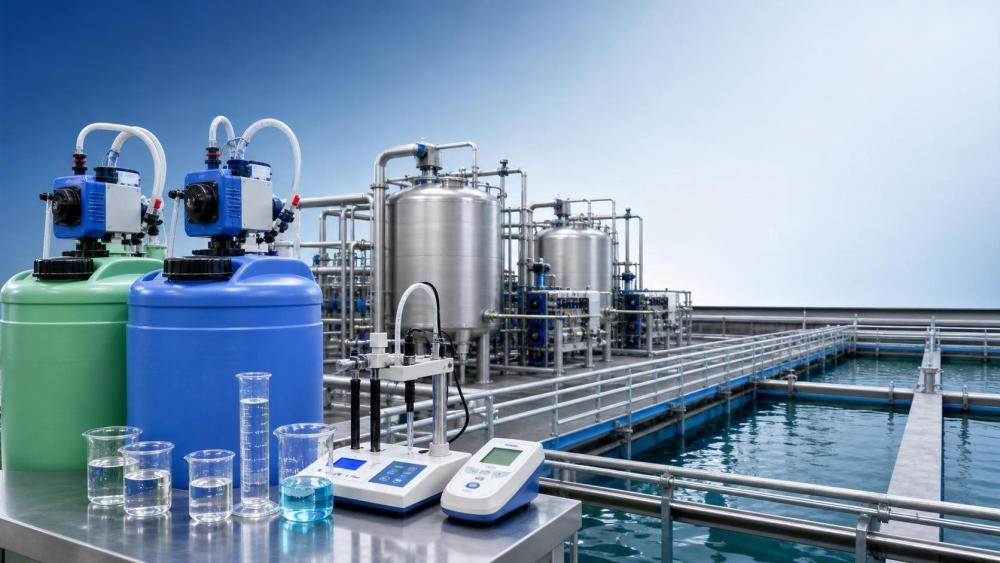
Choosing the right industrial wastewater treatment chemicals supplier can directly affect treatment efficiency, compliance, operating costs, and long-term system reliability.
Price matters, but it is rarely the full story.
A low-cost supplier can become expensive when dosing rises, sludge increases, or discharge limits are missed.
That is why supplier evaluation should connect chemistry, operations, and commercial risk.
A capable industrial wastewater treatment chemicals supplier should improve water quality while reducing uncertainty across the plant.
This guide breaks down the criteria that matter most when comparing options.
Start With Process Fit, Not Product Catalog Size
Many suppliers offer long product lists.
That looks impressive, but catalog size does not guarantee process fit.
The better question is whether the industrial wastewater treatment chemicals supplier understands your wastewater profile.
Ask how they handle variations in pH, COD, BOD, TSS, heavy metals, oil, color, and salinity.
A supplier serving electroplating wastewater may not be ideal for textile dyeing, food processing, or petrochemical effluent.
The chemistry may overlap, but treatment priorities often differ.
- Request similar case studies by industry and water type.
- Ask which products they recommend first, and why.
- Check whether they adjust programs for biological, physical, and membrane systems.
A reliable industrial wastewater treatment chemicals supplier speaks in treatment outcomes, not only in product names.
Verify Real Performance Through Testing
Lab data is where supplier claims become measurable.
Any industrial wastewater treatment chemicals supplier worth considering should support jar testing, pilot trials, or plant-side validation.
The goal is not only to pass a one-time test.
You need repeatable performance under changing loads and temperatures.
Focus on a few practical metrics:
- Removal efficiency for target contaminants.
- Required dosage and dosage stability.
- Sludge volume and dewaterability.
- Impact on downstream membranes or biological units.
- Operator safety and handling complexity.
From a procurement view, test results should translate into cost per treated ton, not just chemical unit price.
That shift often changes the ranking of suppliers.
Assess Technical Support Depth
Chemical supply is only part of the service.
The stronger industrial wastewater treatment chemicals supplier usually has field engineers, application specialists, and troubleshooting routines.
This matters when influent quality shifts suddenly or discharge limits tighten.
In real operations, support speed can be as valuable as the chemistry itself.
Evaluate whether the supplier can help with dosing optimization, compatibility checks, root-cause analysis, and operator training.
It is also useful to know who owns escalation when performance drops.
- Do they provide routine site visits?
- Can they issue treatment adjustment reports?
- Do they support emergency response during upset conditions?
- Will they coordinate with your equipment and membrane vendors?
A supplier that only ships drums is a vendor.
A supplier that helps stabilize process performance is a partner.
Check Compliance, Safety, and Documentation Quality
A qualified industrial wastewater treatment chemicals supplier should make compliance easier, not harder.
Review whether documents are complete, current, and consistent across regions.
That includes SDS, TDS, COA, labeling, transport classification, and storage guidance.
If the chemicals support regulated discharge, ask for evidence behind performance and composition claims.
This is especially important for defoamers, coagulants, flocculants, biocides, scale inhibitors, and specialty formulations.
More careful buyers also check packaging safety, batch traceability, and shelf-life controls.
Weak documentation often signals weak process discipline.
Useful Compliance Questions
- Are formulations consistent between batches and production sites?
- Can the supplier provide third-party test records when needed?
- Are export, import, and hazardous transport documents handled correctly?
- Do product changes trigger formal notification?
Look Beyond Unit Price to Total Treatment Cost
A cheaper quote can hide a higher operating cost.
This is one of the most common mistakes when selecting an industrial wastewater treatment chemicals supplier.
Compare suppliers using a broader model.
This approach gives a more realistic view of value.
It also helps justify decisions internally when the lowest quote is not the best commercial choice.
Review Supply Reliability and Manufacturing Strength
Recent supply disruptions have made continuity a core evaluation factor.
A dependable industrial wastewater treatment chemicals supplier should explain where products are made, how raw materials are sourced, and what backup plans exist.
This matters even more for custom blends and high-volume treatment programs.
Ask about production redundancy, inventory policy, packaging options, and local warehousing.
Lead time consistency is often more valuable than occasional spot discounts.
A strong industrial wastewater treatment chemicals supplier should also have stable quality control between batches.
If product performance changes from shipment to shipment, treatment control becomes expensive very quickly.
Measure Industry Knowledge and Problem-Solving Ability
The best suppliers understand more than chemistry.
They understand the treatment system around the chemistry.
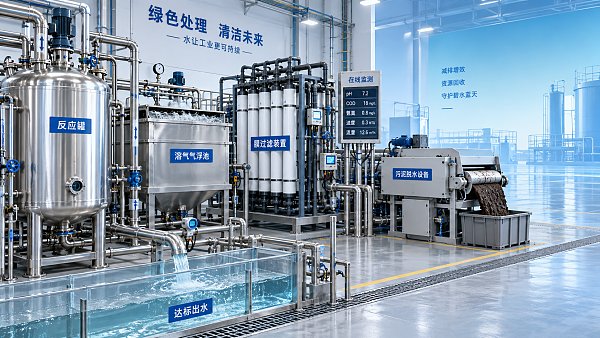
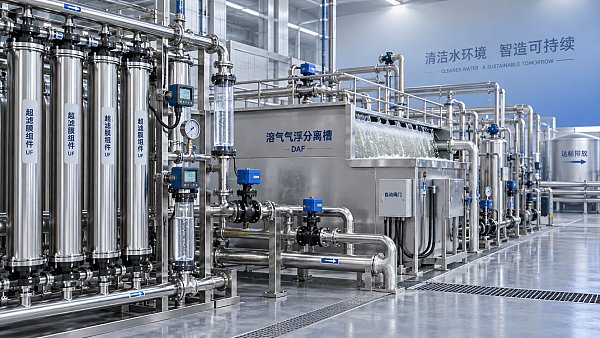
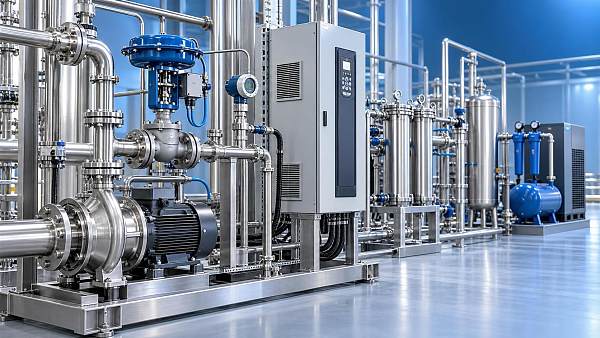
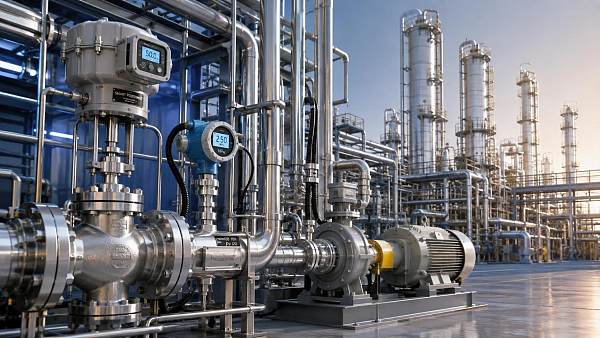
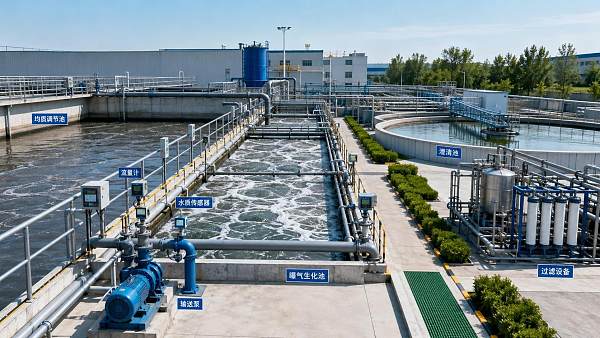
That includes pumps, dosing skids, mixers, clarifiers, DAF units, filters, RO systems, and sludge handling equipment.
This broader view matters because chemical performance often depends on flow stability, mixing energy, retention time, and separation efficiency.
A knowledgeable industrial wastewater treatment chemicals supplier can connect chemical recommendations to process hardware and control logic.
That makes troubleshooting faster and process upgrades easier.
In technical interviews, listen for specifics.
General sales language is easy.
Clear explanations of failure modes are harder, and more valuable.
Build a Practical Supplier Scorecard
A structured scorecard keeps supplier selection grounded.
It also reduces bias toward price or brand familiarity.
For an industrial wastewater treatment chemicals supplier, a useful scorecard may include:
- Process fit and industry references
- Test performance and dosage economics
- Technical support capability
- Compliance and documentation quality
- Supply continuity and manufacturing resilience
- Commercial terms and total treatment cost
Weight each category based on operational risk.
For critical discharge applications, compliance and supply continuity may deserve more weight than small price differences.
For optimization projects, dosage efficiency and sludge reduction may drive the final decision.
Make the Final Decision With Fewer Blind Spots
Selecting an industrial wastewater treatment chemicals supplier is really a risk management decision with technical consequences.
The right supplier helps improve effluent quality, stabilize operations, and control lifecycle cost.
The wrong one can increase chemical consumption, create compliance exposure, and strain the treatment system.
A disciplined review process makes the difference.
Start with wastewater characteristics, validate performance, compare total cost, and pressure-test support and supply reliability.
When those factors align, the industrial wastewater treatment chemicals supplier becomes easier to trust, and easier to justify internally.
That is usually the clearest sign you are making a better purchasing decision.
Related News
 What drives industrial wastewater treatment cost per cubic meter?Dr. Alistair VaughnIndustrial wastewater treatment cost per cubic meter depends on influent load, effluent targets, energy, technology, and sludge disposal. Explore the key cost drivers.
 How to verify CE compliance for fluid separation equipmentDr. Alistair VaughnFluid separation equipment CE verification made practical: learn how to check declarations, risk assessments, technical files, pressure safety, and installation readiness.
 Separation equipment trends reshaping industrial wastewater treatmentDr. Alistair VaughnSeparation equipment trends are reshaping industrial wastewater treatment through smarter membranes, modular systems, digital monitoring, and resource recovery strategies.
 When stainless steel separation equipment is the right choice for hygienic processesDr. Alistair VaughnStainless steel separation equipment: discover when hygienic design, corrosion resistance, CIP cleanability, and lifecycle reliability make it the smart choice.
 What to assess before choosing a process industry automation supplierDr. Alistair VaughnChoose a process industry automation supplier with confidence. Assess engineering depth, lifecycle reliability, digital integration, energy performance, and safety before you buy.
 How process control innovation in refineries reduces unplanned shutdownsDr. Alistair VaughnDiscover how process control innovation in refineries detects early deviations, improves valve and equipment reliability, and helps prevent costly unplanned shutdowns.
 What should a zero liquid discharge systems integrator include in its proposal?Dr. Alistair VaughnZero liquid discharge systems integrator proposal checklist: compare guarantees, utilities, scope, controls, waste handling, and lifecycle risk before award.
 Industrial wastewater treatment plant design: sizing for flow and loadDr. Alistair VaughnIndustrial wastewater treatment plant design guide: size systems for peak flow, pollutant loads, reliability, compliance, and lower lifecycle costs.
 Can predictive maintenance and machinery diagnostics prevent downtime?Dr. Alistair VaughnPredictive maintenance machinery diagnostics help reduce unplanned downtime by detecting early equipment issues, improving reliability, and enabling smarter maintenance decisions.
 Can a digital transformation machinery platform cut unplanned downtime?Dr. Alistair VaughnDiscover how a digital transformation machinery platform connects asset data, maintenance workflows, and process insights to reduce unplanned downtime.
 How water treatment equipment sizing affects operating costsDr. Alistair VaughnWater treatment equipment sizing shapes energy, chemical, and maintenance costs. Learn how to balance flow, pressure, recovery, and reliability for efficient operation.
 When does food processing automation justify the upfront investment?Dr. Alistair VaughnIndustrial automation solutions for food processing: discover when automation delivers measurable ROI through higher throughput, lower waste, reliable utilities, and stronger food safety control.