IE3 Motor Efficiency: Energy Savings vs Upgrade Cost




IE3 Motor Efficiency: Energy Savings vs Upgrade Cost
For many industrial buyers, IE3 motor efficiency sits at the center of a practical question.
Will the energy savings justify the upgrade cost within an acceptable payback period?
That question matters even more in pump sets, compressors, valve skids, and separation systems.
These assets often run long hours and consume electricity every minute they operate.
A small efficiency gain can turn into a large annual saving.
In real procurement work, though, the answer is rarely just yes or no.
It depends on runtime, load profile, electricity price, and total installed system performance.
This is why IE3 motor efficiency should be assessed as a lifecycle cost decision, not a nameplate comparison.
What IE3 Motor Efficiency Really Means
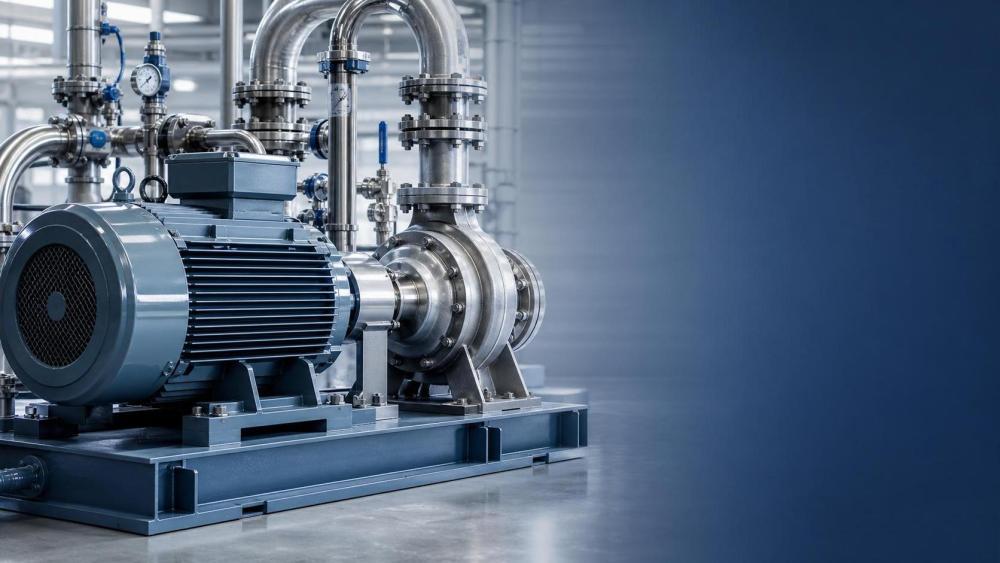
IE3 motor efficiency refers to a premium efficiency level defined under international motor efficiency classes.
Compared with older standard motors, IE3 units reduce electrical losses during continuous operation.
Those losses usually come from stator heating, rotor loss, friction, and stray load effects.
Manufacturers improve materials, winding design, and magnetic performance to reach the IE3 level.
From a buying perspective, IE3 motor efficiency is not just a technical label.
It signals lower operating cost, lower heat generation, and often better long-term asset economics.
It also helps align equipment purchases with tightening efficiency rules in many export and domestic markets.
Why the Savings Can Be Bigger Than Expected
The biggest driver is simple.
Electricity cost over a motor’s life is usually far higher than its purchase price.
That is especially true in process plants with near-continuous operation.
A pump motor running 6,000 to 8,000 hours per year can consume many times its own capital value.
In that setting, even a one to three percent efficiency improvement matters.
More importantly, IE3 motor efficiency compounds across fleets.
One motor may save a modest amount.
Fifty motors in pumps, blowers, and compressors can shift annual utility spend in a visible way.
This is why energy teams often support IE3 upgrades even when capital budgets are tight.
A Simple Cost Logic
The basic calculation is straightforward.
Estimate motor load, annual operating hours, power tariff, and the efficiency gap between options.
Then compare the annual energy saving with the purchase price difference.
That gives a first-pass payback view.
In practice, many buyers use this screen before requesting detailed supplier proposals.
How Fast Can Upgrade Cost Be Recovered
Payback depends on how the motor is used, not only on the motor itself.
A heavily loaded compressor motor recovers cost faster than a lightly used standby motor.
This is one reason blanket replacement plans often underperform.
Prioritization matters more than speed.
Typical fast-payback candidates include continuous-duty centrifugal pumps, air compressors, and filtration circulation systems.
These applications usually combine long runtime with stable load demand.
That operating pattern allows IE3 motor efficiency to translate into predictable annual savings.
Typical Factors That Shorten Payback
- High annual runtime, especially above 4,000 hours.
- Stable loading near rated output.
- Rising electricity tariffs or peak-demand charges.
- Older motors with poor baseline efficiency.
- Large motor sizes where each efficiency point saves more energy.
Typical Factors That Delay Payback
- Intermittent duty with low yearly operating hours.
- Oversized motors running far below optimal load.
- System inefficiency elsewhere, such as throttled flow or air leakage.
- High retrofit labor cost or coupling modifications.
Where IE3 Motor Efficiency Delivers the Best Procurement Value
Not every asset deserves the same upgrade urgency.
The strongest procurement value appears where motors support core fluid and gas movement.
That matches what many industrial operators are seeing across modern general machinery.
Pump Systems
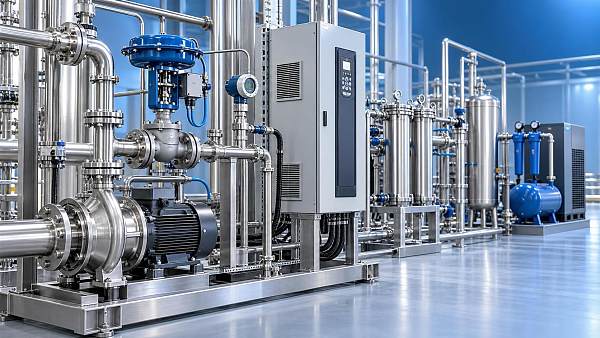
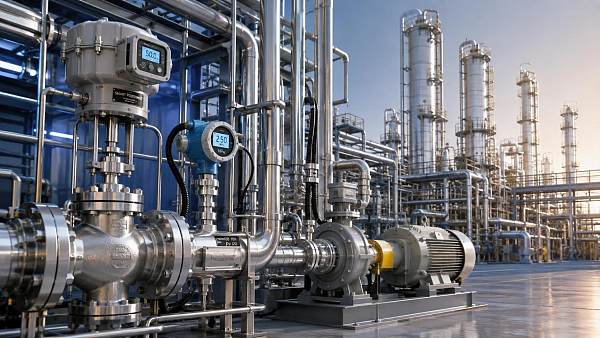
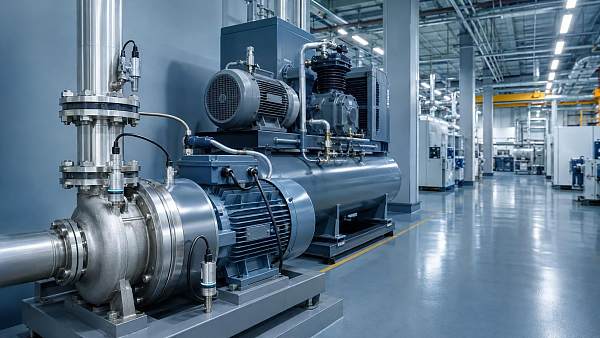
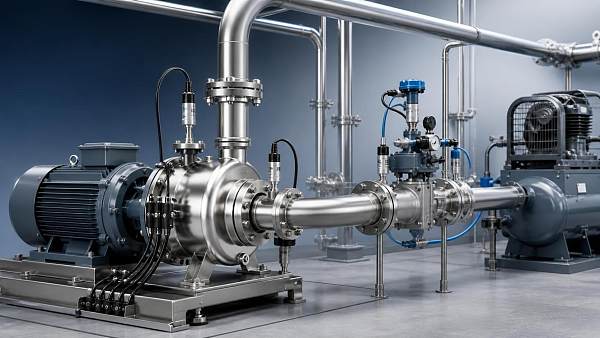
Industrial centrifugal pumps often run around the clock in water, chemical, and utility services.
That makes IE3 motor efficiency highly relevant for lifecycle cost control.
Still, the motor alone is not the whole answer.
Pump curve matching and variable speed control often determine whether the expected savings are actually realized.
Air Compressors
Compressed air is expensive energy.
In compressor packages, IE3 motor efficiency can reduce electrical cost, but leakage and part-load control remain critical.
When buyers combine efficient motors with sound air management, savings become much more visible.
Valve and Actuation Packages
Motor-driven auxiliary systems in valve skids may not be the largest energy users.
But efficiency still matters where operation is frequent and uptime is critical.
Lower heat and improved reliability can support maintenance goals as well as energy targets.
Filtration and Separation
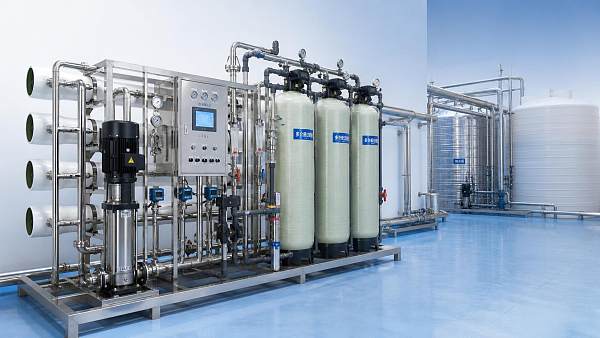
Separation equipment often includes recirculation pumps, feed pumps, or compressor stages with long duty cycles.
Here, IE3 motor efficiency supports both operating cost reduction and decarbonization reporting.
What Buyers Should Compare Beyond the Efficiency Label
A common mistake is comparing only purchase price and nameplate efficiency.
That is too narrow for a serious procurement decision.
A better approach is to compare the full operating context.
From recent market shifts, documentation quality has become a bigger signal.
Energy claims now face more scrutiny in audits, tenders, and cross-border equipment approvals.
Hidden Risks That Can Weaken the Business Case
Even when IE3 motor efficiency looks attractive on paper, execution risk still matters.
The most common issue is treating a motor upgrade as an isolated event.
In actual operations, system inefficiency often destroys part of the expected return.
- An efficient motor cannot fix a badly selected pump.
- It cannot solve compressed air leakage.
- It cannot correct chronic oversizing in process design.
- It cannot offset downtime caused by weak supplier support.
This also means the best upgrade projects usually combine motor selection with a quick system review.
That review does not need to be complicated.
It simply needs to confirm that the motor will operate in the right window.
A Practical Evaluation Checklist for Procurement
When comparing quotations, a short checklist can make decisions faster and cleaner.
- Identify motors with the highest hours and most stable loads.
- Request certified IE3 motor efficiency data at relevant operating points.
- Calculate annual energy cost using local electricity tariffs.
- Add installation, coupling, alignment, and downtime costs.
- Check VFD compatibility if variable speed operation is planned.
- Review warranty terms, spare parts support, and delivery timing.
- Rank projects by payback and operational criticality.
This process keeps the conversation focused on real value.
It also helps separate meaningful IE3 motor efficiency gains from marketing noise.
Final Take: When the Upgrade Makes Sense
In most industrial fluid systems, IE3 motor efficiency is a strong choice when runtime is high and loading is real.
The business case becomes stronger as electricity prices rise and compliance pressure increases.
But the smartest decisions do not stop at the motor label.
They connect IE3 motor efficiency with application fit, supplier credibility, and total system economics.
If the goal is lower energy cost without weak payback, start with the motors that run the hardest.
Then validate the numbers with operating data, not assumptions.
That approach turns IE3 motor efficiency from a specification item into a measurable cost advantage.
Related News
 What drives industrial wastewater treatment cost per cubic meter?Dr. Alistair VaughnIndustrial wastewater treatment cost per cubic meter depends on influent load, effluent targets, energy, technology, and sludge disposal. Explore the key cost drivers.
 How to verify CE compliance for fluid separation equipmentDr. Alistair VaughnFluid separation equipment CE verification made practical: learn how to check declarations, risk assessments, technical files, pressure safety, and installation readiness.
 Separation equipment trends reshaping industrial wastewater treatmentDr. Alistair VaughnSeparation equipment trends are reshaping industrial wastewater treatment through smarter membranes, modular systems, digital monitoring, and resource recovery strategies.
 When stainless steel separation equipment is the right choice for hygienic processesDr. Alistair VaughnStainless steel separation equipment: discover when hygienic design, corrosion resistance, CIP cleanability, and lifecycle reliability make it the smart choice.
 What to assess before choosing a process industry automation supplierDr. Alistair VaughnChoose a process industry automation supplier with confidence. Assess engineering depth, lifecycle reliability, digital integration, energy performance, and safety before you buy.
 How process control innovation in refineries reduces unplanned shutdownsDr. Alistair VaughnDiscover how process control innovation in refineries detects early deviations, improves valve and equipment reliability, and helps prevent costly unplanned shutdowns.
 What should a zero liquid discharge systems integrator include in its proposal?Dr. Alistair VaughnZero liquid discharge systems integrator proposal checklist: compare guarantees, utilities, scope, controls, waste handling, and lifecycle risk before award.
 Industrial wastewater treatment plant design: sizing for flow and loadDr. Alistair VaughnIndustrial wastewater treatment plant design guide: size systems for peak flow, pollutant loads, reliability, compliance, and lower lifecycle costs.
 Can predictive maintenance and machinery diagnostics prevent downtime?Dr. Alistair VaughnPredictive maintenance machinery diagnostics help reduce unplanned downtime by detecting early equipment issues, improving reliability, and enabling smarter maintenance decisions.
 Can a digital transformation machinery platform cut unplanned downtime?Dr. Alistair VaughnDiscover how a digital transformation machinery platform connects asset data, maintenance workflows, and process insights to reduce unplanned downtime.
 How water treatment equipment sizing affects operating costsDr. Alistair VaughnWater treatment equipment sizing shapes energy, chemical, and maintenance costs. Learn how to balance flow, pressure, recovery, and reliability for efficient operation.
 When does food processing automation justify the upfront investment?Dr. Alistair VaughnIndustrial automation solutions for food processing: discover when automation delivers measurable ROI through higher throughput, lower waste, reliable utilities, and stronger food safety control.