IIoT-Enabled Automation: What Changes in 2026?




In 2026, IIoT-enabled industrial automation solutions will become operational brains, not just visibility tools. They will influence asset uptime, process stability, and energy performance across broad industrial environments.
For fluid control systems, pumps, valves, compressors, and separation equipment, this shift is especially important. Connected automation will increasingly guide maintenance timing, control logic, and lifecycle investment decisions.
That means automation strategy in 2026 will be judged by three outcomes: faster decisions, lower energy waste, and stronger resilience against variability, compliance pressure, and supply disruption.
Why 2026 Marks a Real Shift for IIoT-Enabled Industrial Automation Solutions
The market has already passed the pilot stage. In 2026, IIoT-enabled industrial automation solutions will be expected to trigger actions, not simply collect dashboards and alarms.
Several trend signals point to this change. Edge computing is maturing, industrial Ethernet is expanding, and secure interoperability standards are reducing integration friction across legacy and smart equipment.
At the same time, energy intensity is under scrutiny. Plants can no longer separate automation from efficiency. Digital control quality now directly affects electricity use, compressed air losses, and fluid system stability.
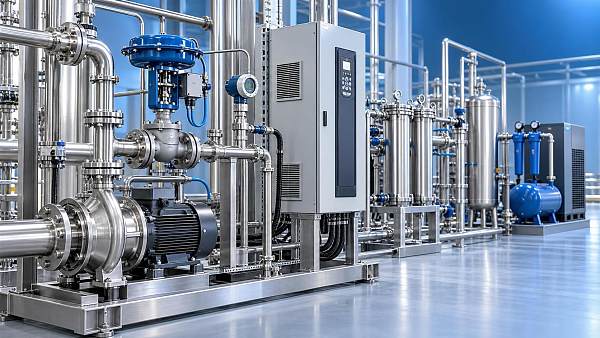
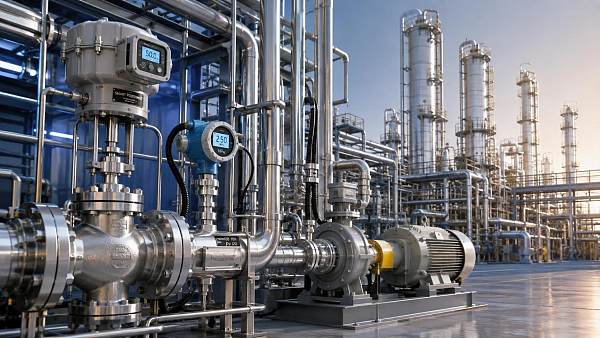
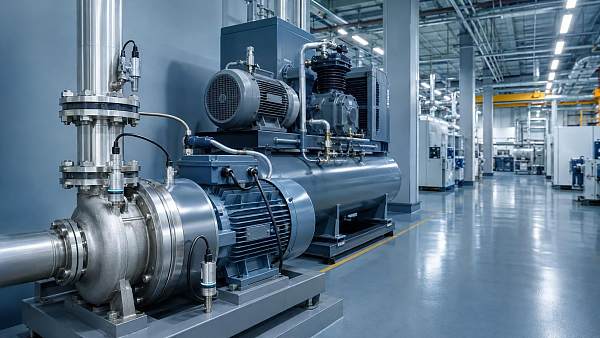
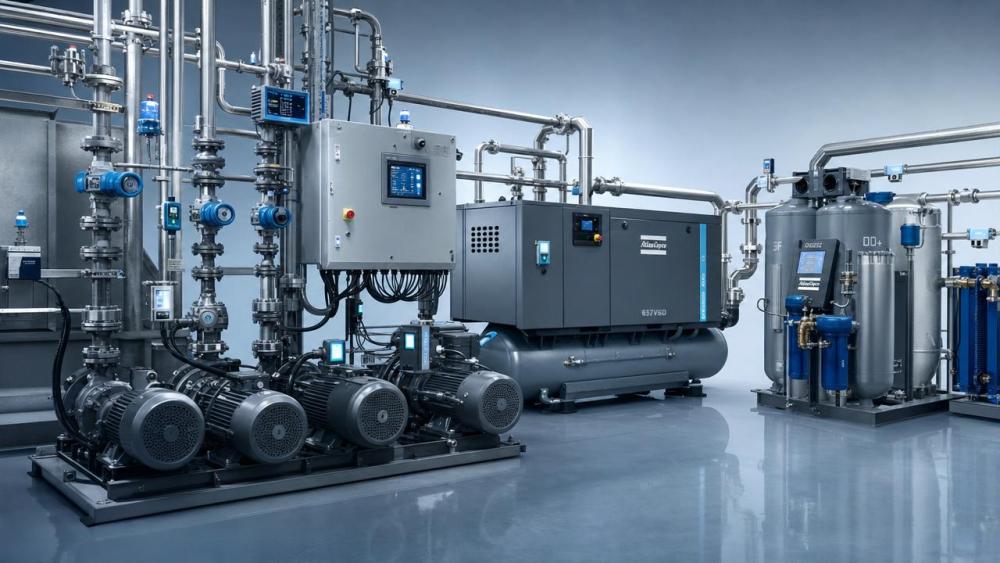
This is highly relevant in sectors covered by FCSM. Centrifugal pumps, plunger pumps, smart control valves, compressor systems, and filtration units all generate data that matters operationally.
In earlier deployments, data often stayed trapped in individual skids or vendor-specific software. In 2026, value will come from linking these assets into plant-level automation intelligence.
The Strongest Drivers Behind the 2026 Automation Transition
The rise of IIoT-enabled industrial automation solutions is not driven by one technology. It is the result of multiple forces converging at the same time.
These drivers explain why digital upgrades now center on architecture quality. Plants want scalable systems that convert raw equipment data into actionable process decisions.
From Isolated Sensors to Closed-Loop Decisions
The biggest shift is architectural. In 2026, data pipelines will connect sensors, controllers, analytics, and enterprise systems with less manual handoff.
That enables closed-loop logic. A pump performance deviation can trigger a control review, a maintenance check, and an energy benchmark comparison almost simultaneously.
What This Means for Pumps, Valves, Compressors, and Separation Systems
IIoT-enabled industrial automation solutions will reshape how core fluid and gas equipment is evaluated. Equipment selection will increasingly depend on digital compatibility and lifecycle intelligence.
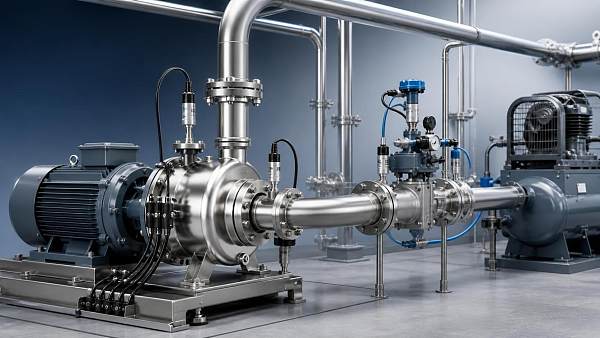
For centrifugal pumps, connected analytics will help detect cavitation risk, seal stress, flow instability, and off-design operation before serious damage develops.
For high-pressure plunger pumps, IIoT architectures will improve visibility into pulsation behavior, pressure variation, wear patterns, and energy efficiency under extreme duty cycles.
For smart pneumatic control valves, digital positioners and advanced diagnostics will support tighter throttling accuracy, faster fault isolation, and better performance in corrosive or high-temperature service.
Air compressor systems will see strong gains from connected sequencing, leakage detection, dew point monitoring, and adaptive load management across plant networks.
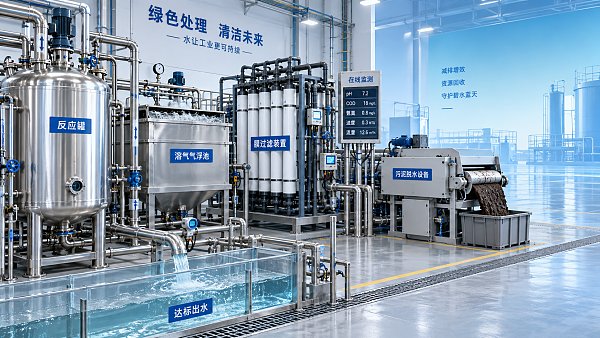
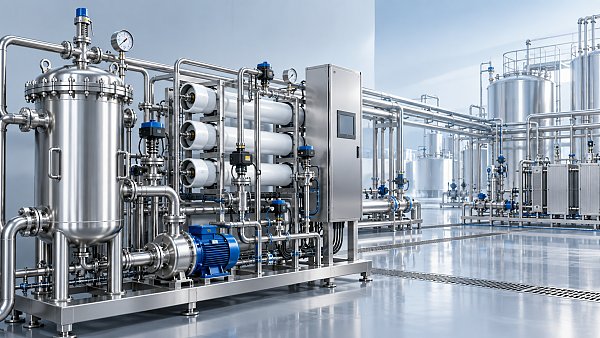
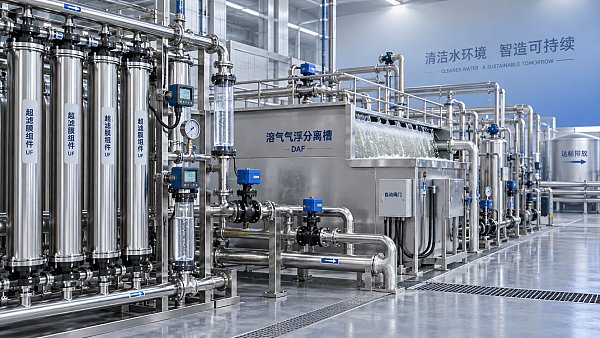
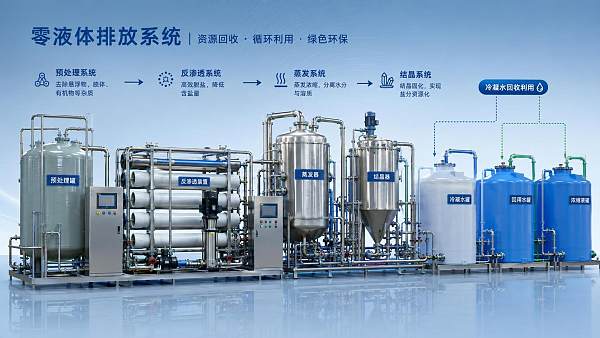
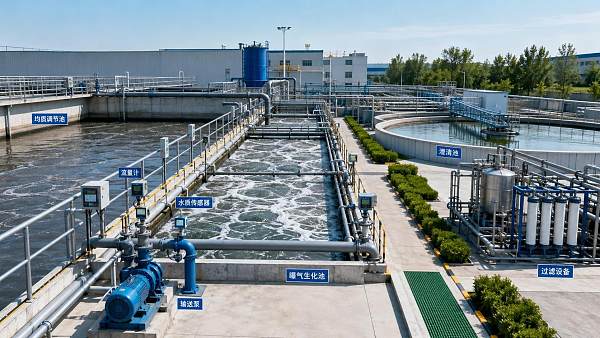
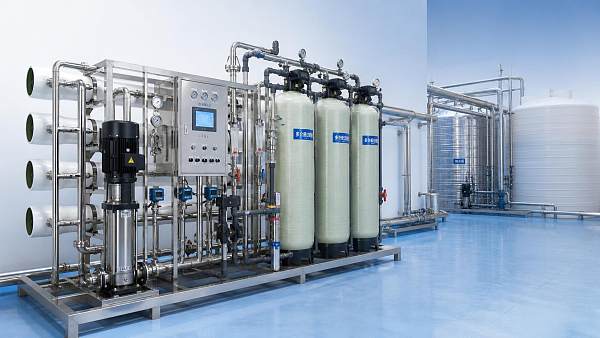
Filtration and separation equipment will benefit from predictive fouling models, membrane health tracking, and automation logic that balances water recovery, pressure loss, and cleaning cycles.
- Digital readiness becomes part of equipment specification.
- Performance guarantees will increasingly include data access and analytics capability.
- Lifecycle cost analysis will matter more than initial hardware price.
- Reliability engineering will merge with automation engineering.
Where Business Processes Will Feel the Impact First
The effects of IIoT-enabled industrial automation solutions will not stay inside the control room. They will influence engineering, maintenance, utilities management, and capital planning.
Operations and Uptime
Operators will gain better context around process disturbances. Instead of chasing symptoms, teams can locate root causes across pump curves, valve behavior, air demand, and separation loads.
Maintenance and Reliability
Maintenance programs will become more selective. Alerts tied to actual process conditions will reduce unnecessary intervention and improve spare parts planning.
Energy and Decarbonization
Energy teams will use automation data to identify hidden losses. These include oversized pumps, unstable compressor loading, throttling inefficiency, and poor filtration cycle timing.
Investment and Standardization
Future projects will prioritize platforms that support open communication, secure remote diagnostics, and scalable analytics across mixed equipment fleets.
What Deserves Close Attention Before 2026 Plans Are Finalized
Not every connected deployment delivers value. The most effective IIoT-enabled industrial automation solutions are built around measurable operational outcomes and clean integration choices.
- Check whether assets expose usable data through open, documented industrial protocols.
- Confirm whether edge processing can continue critical functions during network interruptions.
- Assess if analytics models include process context, not only standalone condition signals.
- Review cybersecurity segmentation for remote access, patching, and device authentication.
- Measure whether dashboards lead to actions, tickets, setpoint changes, or operating recommendations.
- Standardize tag structures and data quality rules before scaling across sites.
This is especially critical in fluid machinery environments. Poor data normalization can hide cavitation warnings, compressor inefficiency, or valve hunting behind inconsistent naming and reporting.
A Practical Response Framework for 2026
A useful response does not require replacing every asset. It requires a phased roadmap for IIoT-enabled industrial automation solutions tied to reliability and efficiency priorities.
The strongest results usually come from high-energy, high-consequence systems first. Compressor rooms, major pump trains, critical valves, and water treatment lines are common starting points.
The Strategic Outlook: Smarter Automation Will Define Equipment Value
By 2026, IIoT-enabled industrial automation solutions will influence how industrial assets are designed, specified, connected, and managed over their full lifecycle.
In the broad industrial landscape, the winners will be systems that combine mechanical efficiency with digital transparency, control precision, and dependable interoperability.
That is especially true for fluid control infrastructure. Pumps, valves, compressors, and separation equipment now sit at the center of both decarbonization and digital transformation agendas.
A practical next step is to audit one critical process line. Review energy loss points, data accessibility, alarm quality, and predictive maintenance potential across connected assets.
Then build a roadmap that turns equipment signals into operating decisions. In 2026, that is where IIoT-enabled industrial automation solutions will create the most durable advantage.
Related News
 What drives industrial wastewater treatment cost per cubic meter?Dr. Alistair VaughnIndustrial wastewater treatment cost per cubic meter depends on influent load, effluent targets, energy, technology, and sludge disposal. Explore the key cost drivers.
 How to verify CE compliance for fluid separation equipmentDr. Alistair VaughnFluid separation equipment CE verification made practical: learn how to check declarations, risk assessments, technical files, pressure safety, and installation readiness.
 Separation equipment trends reshaping industrial wastewater treatmentDr. Alistair VaughnSeparation equipment trends are reshaping industrial wastewater treatment through smarter membranes, modular systems, digital monitoring, and resource recovery strategies.
 When stainless steel separation equipment is the right choice for hygienic processesDr. Alistair VaughnStainless steel separation equipment: discover when hygienic design, corrosion resistance, CIP cleanability, and lifecycle reliability make it the smart choice.
 What to assess before choosing a process industry automation supplierDr. Alistair VaughnChoose a process industry automation supplier with confidence. Assess engineering depth, lifecycle reliability, digital integration, energy performance, and safety before you buy.
 How process control innovation in refineries reduces unplanned shutdownsDr. Alistair VaughnDiscover how process control innovation in refineries detects early deviations, improves valve and equipment reliability, and helps prevent costly unplanned shutdowns.
 What should a zero liquid discharge systems integrator include in its proposal?Dr. Alistair VaughnZero liquid discharge systems integrator proposal checklist: compare guarantees, utilities, scope, controls, waste handling, and lifecycle risk before award.
 Industrial wastewater treatment plant design: sizing for flow and loadDr. Alistair VaughnIndustrial wastewater treatment plant design guide: size systems for peak flow, pollutant loads, reliability, compliance, and lower lifecycle costs.
 Can predictive maintenance and machinery diagnostics prevent downtime?Dr. Alistair VaughnPredictive maintenance machinery diagnostics help reduce unplanned downtime by detecting early equipment issues, improving reliability, and enabling smarter maintenance decisions.
 Can a digital transformation machinery platform cut unplanned downtime?Dr. Alistair VaughnDiscover how a digital transformation machinery platform connects asset data, maintenance workflows, and process insights to reduce unplanned downtime.
 How water treatment equipment sizing affects operating costsDr. Alistair VaughnWater treatment equipment sizing shapes energy, chemical, and maintenance costs. Learn how to balance flow, pressure, recovery, and reliability for efficient operation.
 When does food processing automation justify the upfront investment?Dr. Alistair VaughnIndustrial automation solutions for food processing: discover when automation delivers measurable ROI through higher throughput, lower waste, reliable utilities, and stronger food safety control.