Industrial Automation Services: When Outsourcing Improves System Reliability




Industrial automation services: are they really about reliability, not just labor savings?
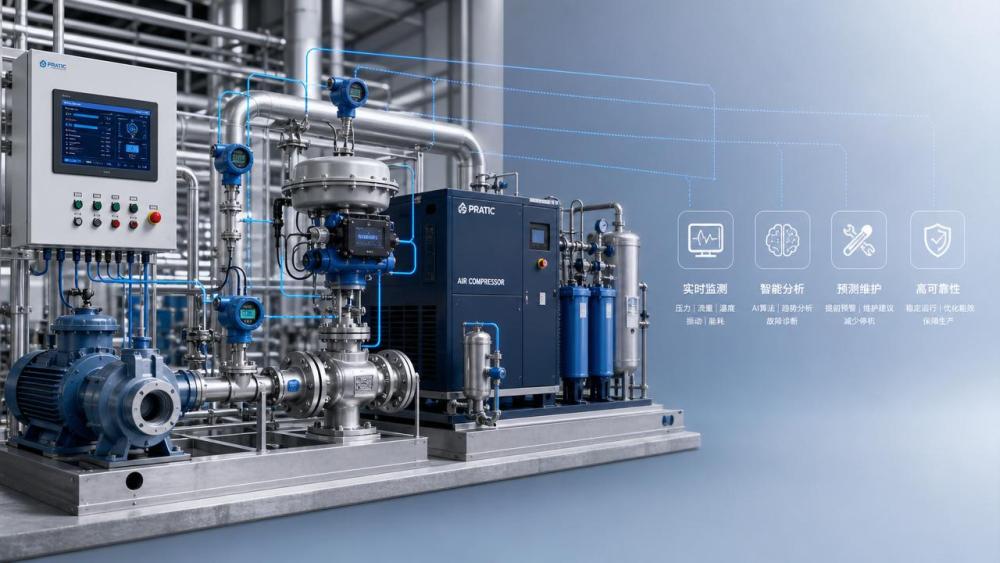
System reliability now depends on more than strong hardware. Pumps, valves, compressors, and separation units all rely on control logic, sensor quality, and maintenance timing.
That is why industrial automation services are gaining attention. The question is not whether outsourcing is fashionable. The real issue is whether it improves uptime, stability, and response speed.
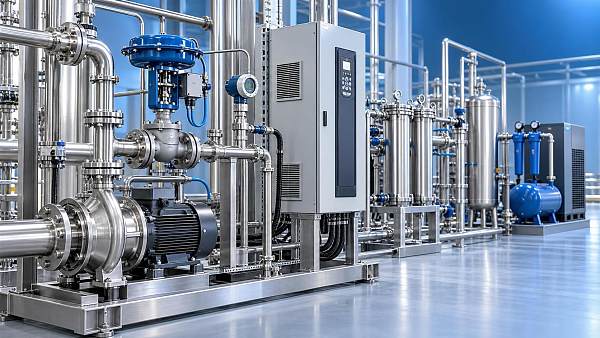
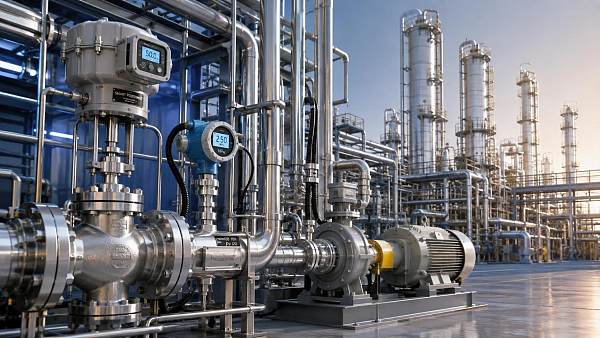
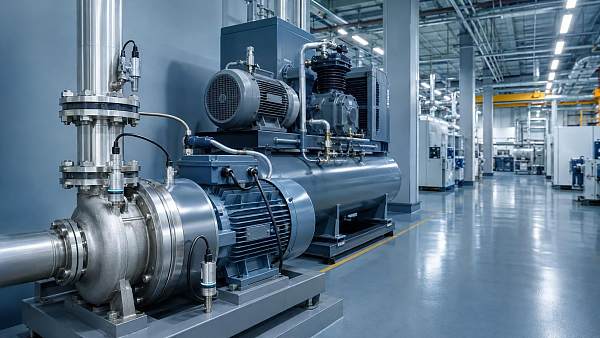
In practice, outsourcing works best when operations are already complex. A single plant may combine centrifugal pumps, smart pneumatic control valves, compressed air systems, and wastewater filtration loops.
When those systems interact, one weak point can spread quickly. A drifting positioner can upset flow control. A compressor instability can affect actuators. A filtration fault can alter process balance.
This is where industrial automation services move beyond routine integration. They connect field devices, diagnostics, predictive maintenance, and operating data into a reliability framework.
FCSM has long tracked this shift across global fluid machinery. Its coverage of cavitation, valve noise, compressor efficiency, and separation performance reflects one core truth: reliability is increasingly engineered through intelligence, not hardware alone.
When does outsourcing automation support make the most sense?
The answer is usually linked to complexity, not company size. Industrial automation services become more valuable when internal teams are stretched across multiple process systems.
A common example is a site running high-load pumps, air compressors, and control valves under changing production conditions. Reliability issues often come from system interaction rather than isolated equipment failure.
Outsourcing is often justified in five situations:
- Frequent nuisance trips without a clear root cause.
- Aging PLC, SCADA, or instrument networks with limited documentation.
- High energy losses in compressor or pump control sequences.
- Expansion projects that must connect new and legacy assets.
- Reliability targets rising faster than internal engineering capacity.
More importantly, outsourcing should not begin with a vendor pitch. It should begin with a failure map. Where do interruptions start, and how quickly do they spread?
If the weakest links involve controls, alarms, interlocks, or data visibility, industrial automation services may deliver faster gains than replacing major mechanical equipment.
What exactly can industrial automation services improve in fluid and gas systems?
The strongest providers do not only install software. They improve how equipment behaves across its full operating window.
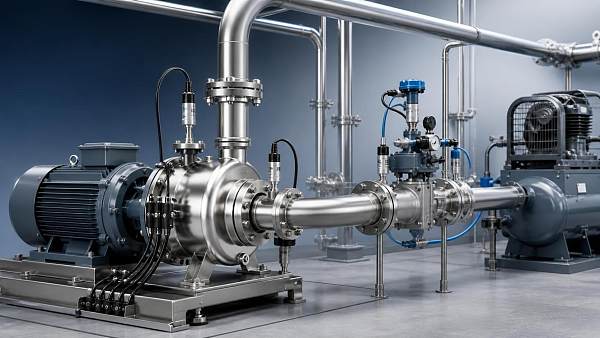
For centrifugal pumps, better automation can reduce unstable flow zones, protect against cavitation risk, and sharpen alarm thresholds before bearing or seal damage escalates.
For smart control valves, service teams can tune loop response, eliminate hunting, and match positioner behavior to corrosive or high-temperature conditions.
For air compressor systems, industrial automation services often focus on load sharing, pressure band optimization, leak analytics, and variable-frequency control stability.
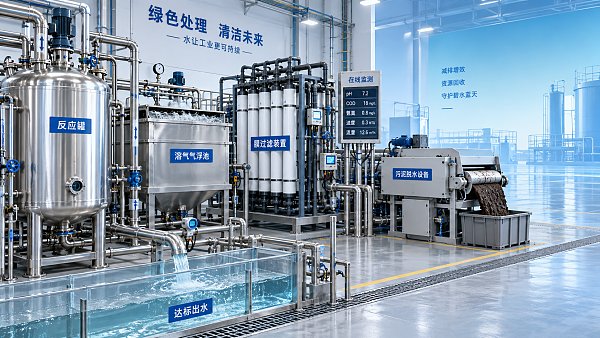
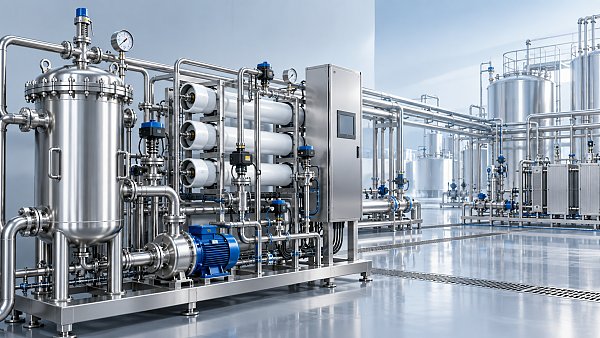
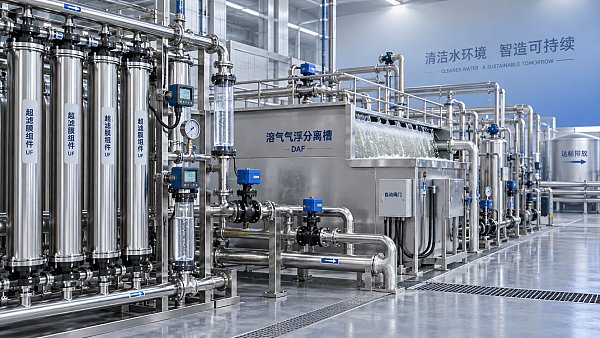
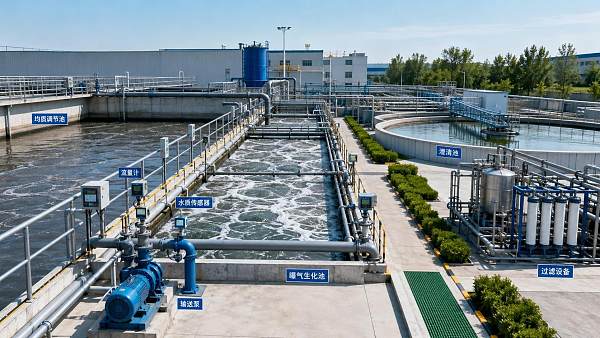
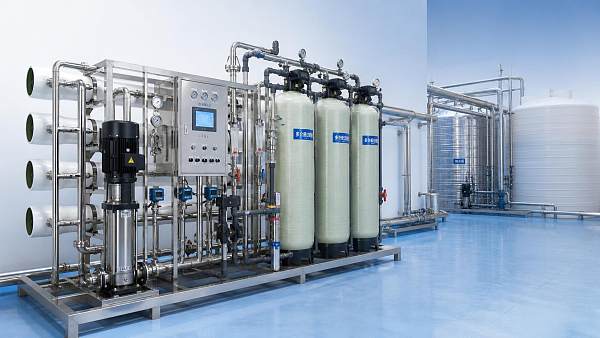
For filtration and separation systems, the value is usually better sequencing, membrane protection, fouling alerts, and cleaner links between water quality data and operating actions.
This is where FCSM’s industry lens matters. Its research on fluid dynamics, thermodynamic efficiency, and predictive maintenance shows that reliable automation depends on process understanding, not generic coding.
A useful way to judge service scope is to compare the problem, expected result, and data needed before engagement.
How do you tell whether a provider will reduce risk or just add another layer?
This is often the deciding question. Not every automation contractor improves reliability. Some only add interfaces, dashboards, or extra dependencies.
A reliable partner usually starts with process behavior. They ask about failure modes, control bottlenecks, energy penalties, and maintenance response time before discussing platforms.
It also helps to look for experience across fluid and gas equipment, especially where pump hydraulics, pneumatic actuation, compressor thermodynamics, and separation control overlap.
A practical evaluation checklist includes the following points:
- Can the team explain root causes in operational terms, not software jargon?
- Do they define ownership for alarms, backups, cybersecurity, and change control?
- Can they support legacy assets as well as digital upgrades?
- Will they document logic, setpoints, and recovery procedures clearly?
- Do they link service success to uptime, energy, and mean time to recovery?
Need to be careful here. A polished interface does not equal resilient automation. If troubleshooting still depends on one external engineer, the risk has only changed shape.
The better model is shared reliability. Industrial automation services should make local operations stronger over time, not more dependent and less transparent.
What are the usual cost, timeline, and implementation surprises?
Many projects look affordable at the proposal stage. Costs rise later because the real work sits inside undocumented logic, inconsistent instruments, and unstable field conditions.
The first surprise is data quality. Predictive maintenance and remote diagnostics are only useful when tags, calibration, and historian records are trustworthy.
The second surprise is downtime planning. Even small control changes may require shutdown windows, operator retraining, simulation, and rollback procedures.
The third surprise is scope drift. Once hidden weaknesses appear, companies often expand the project from one skid or utility package to a wider network.
A more realistic approach is to separate the program into stages:
- Diagnostic review and criticality mapping.
- Pilot improvement on one high-impact system.
- Measured validation of uptime, alarms, and energy behavior.
- Phased rollout with documentation and training.
This staged path is especially useful in fluid-intensive operations. It lets teams test industrial automation services on a pump train, compressor room, or valve cluster before scaling plantwide.
Are there risks in outsourcing too much of the automation layer?
Yes, and they are easy to underestimate. Outsourcing can improve resilience, but only when governance stays clear.
One risk is knowledge loss. If internal teams no longer understand interlocks, tuning logic, or recovery steps, response time may worsen during emergencies.
Another risk is vendor lock-in. Proprietary configurations, limited access rights, or poor documentation can raise long-term cost and reduce flexibility.
Cybersecurity is also part of reliability now. Remote access, cloud monitoring, and connected instrumentation need the same discipline as mechanical integrity programs.
A balanced outsourcing model usually keeps three things in-house:
- Approval authority for control changes.
- Access to source files, logic history, and asset data.
- A clear incident response path for critical systems.
That balance supports the bigger goal seen across FCSM’s coverage of smart fluid control: better digitalization should strengthen lifecycle reliability, energy performance, and maintainability together.
So, when does outsourcing truly improve system reliability?
It improves reliability when industrial automation services solve process-specific weaknesses, not when they simply replace internal effort with external labor.
The strongest results appear where complex fluid and gas assets already generate fragmented data, delayed troubleshooting, and inconsistent control response.
If a provider can connect diagnostics, process knowledge, and documented support across pumps, valves, compressors, and separation units, outsourcing can reduce downtime meaningfully.
Before moving ahead, define the failure modes that matter most. Then compare providers by evidence, not presentation. Ask how they will shorten recovery time, improve visibility, and protect operational knowledge.
That is usually the clearest next step: map critical assets, rank reliability gaps, and test industrial automation services where uptime risk is highest and measurable.
- smart pneumatic control valves
- air compressor systems
- compressed air systems
- compressor efficiency
- smart fluid control
- centrifugal pumps
- control valves
- pneumatic control valves
- air compressors
- fluid dynamics
- industrial automation
- predictive maintenance
- fluid machinery
- smart control valves
- industrial automation services
Related News
 What drives industrial wastewater treatment cost per cubic meter?Dr. Alistair VaughnIndustrial wastewater treatment cost per cubic meter depends on influent load, effluent targets, energy, technology, and sludge disposal. Explore the key cost drivers.
 How to verify CE compliance for fluid separation equipmentDr. Alistair VaughnFluid separation equipment CE verification made practical: learn how to check declarations, risk assessments, technical files, pressure safety, and installation readiness.
 Separation equipment trends reshaping industrial wastewater treatmentDr. Alistair VaughnSeparation equipment trends are reshaping industrial wastewater treatment through smarter membranes, modular systems, digital monitoring, and resource recovery strategies.
 When stainless steel separation equipment is the right choice for hygienic processesDr. Alistair VaughnStainless steel separation equipment: discover when hygienic design, corrosion resistance, CIP cleanability, and lifecycle reliability make it the smart choice.
 What to assess before choosing a process industry automation supplierDr. Alistair VaughnChoose a process industry automation supplier with confidence. Assess engineering depth, lifecycle reliability, digital integration, energy performance, and safety before you buy.
 How process control innovation in refineries reduces unplanned shutdownsDr. Alistair VaughnDiscover how process control innovation in refineries detects early deviations, improves valve and equipment reliability, and helps prevent costly unplanned shutdowns.
 What should a zero liquid discharge systems integrator include in its proposal?Dr. Alistair VaughnZero liquid discharge systems integrator proposal checklist: compare guarantees, utilities, scope, controls, waste handling, and lifecycle risk before award.
 Industrial wastewater treatment plant design: sizing for flow and loadDr. Alistair VaughnIndustrial wastewater treatment plant design guide: size systems for peak flow, pollutant loads, reliability, compliance, and lower lifecycle costs.
 Can predictive maintenance and machinery diagnostics prevent downtime?Dr. Alistair VaughnPredictive maintenance machinery diagnostics help reduce unplanned downtime by detecting early equipment issues, improving reliability, and enabling smarter maintenance decisions.
 Can a digital transformation machinery platform cut unplanned downtime?Dr. Alistair VaughnDiscover how a digital transformation machinery platform connects asset data, maintenance workflows, and process insights to reduce unplanned downtime.
 How water treatment equipment sizing affects operating costsDr. Alistair VaughnWater treatment equipment sizing shapes energy, chemical, and maintenance costs. Learn how to balance flow, pressure, recovery, and reliability for efficient operation.
 When does food processing automation justify the upfront investment?Dr. Alistair VaughnIndustrial automation solutions for food processing: discover when automation delivers measurable ROI through higher throughput, lower waste, reliable utilities, and stronger food safety control.