Industrial Automation Solutions Cost Analysis for New Projects




Industrial Automation Solutions Cost Analysis for New Projects
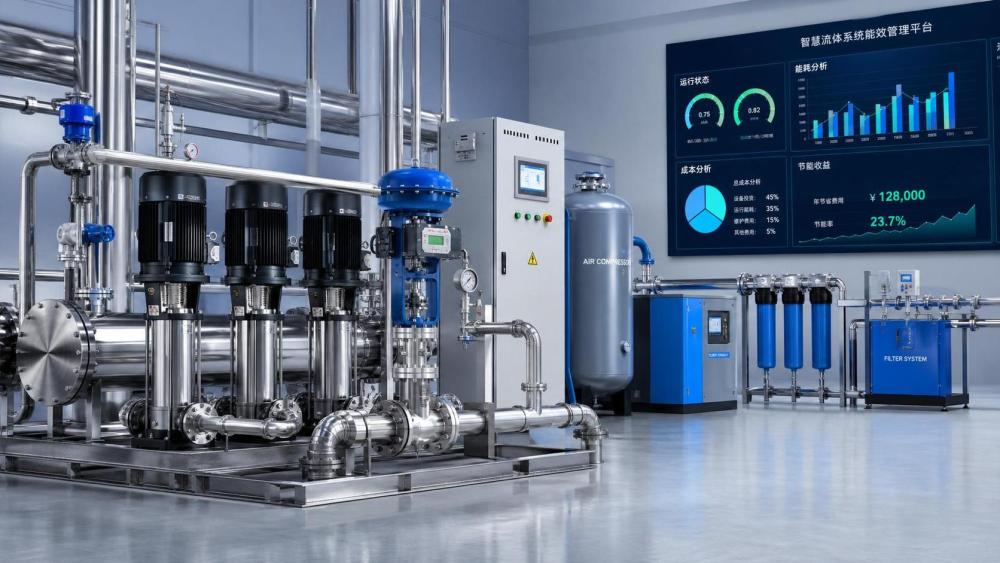
For new facilities and production upgrades, industrial automation solutions cost analysis shapes both budget accuracy and project confidence.
It is not only about purchase price.
It also covers engineering effort, energy use, integration risk, maintenance exposure, and long-term operating value.
In fluid-intensive industries, those cost drivers become more visible.
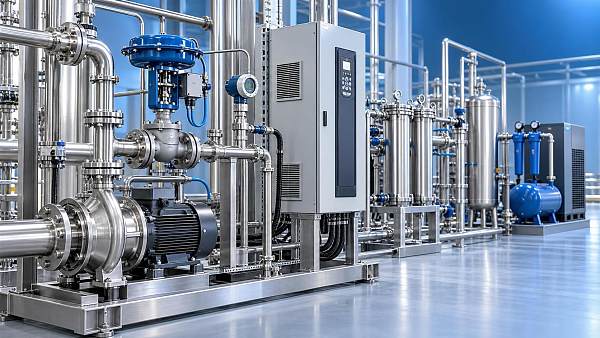
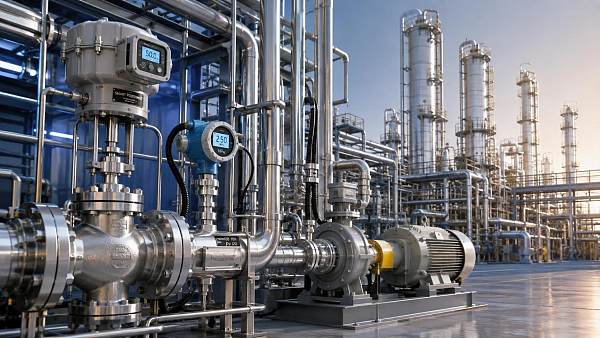
Pumps, smart control valves, compressors, filtration systems, and digital controls do not work as isolated assets.
They affect process stability, energy efficiency, uptime, and environmental compliance together.
That is why a practical industrial automation solutions cost analysis should start with the process, not the catalog.
Why Cost Analysis Matters Early
Many projects underestimate automation costs by focusing on hardware alone.
That usually leads to change orders, delayed commissioning, or performance gaps after startup.
A stronger approach is to break total costs into lifecycle categories from the beginning.
- Core equipment cost for pumps, valves, compressors, sensors, PLCs, and filtration units.
- Engineering cost for design, control logic, sizing, safety review, and documentation.
- Installation cost for piping, wiring, panels, foundations, and field integration.
- Commissioning cost for tuning, testing, operator training, and site acceptance.
- Operating cost for energy, spare parts, service, downtime, and compliance support.
When industrial automation solutions cost analysis includes all five, budget decisions become much more reliable.
From recent market shifts, the clearer signal is rising pressure on energy and asset reliability.
This also means low upfront pricing can create expensive operating problems later.
The Main Cost Blocks in Automation Projects
A useful industrial automation solutions cost analysis should map costs by function, not by vendor quotation line.
1. Process Equipment and Mechanical Interfaces
In fluid systems, the mechanical layer often drives the largest budget share.
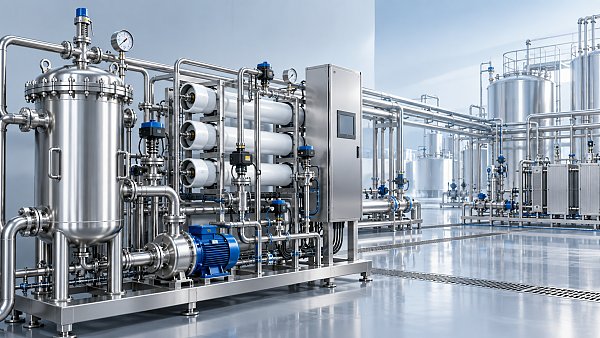
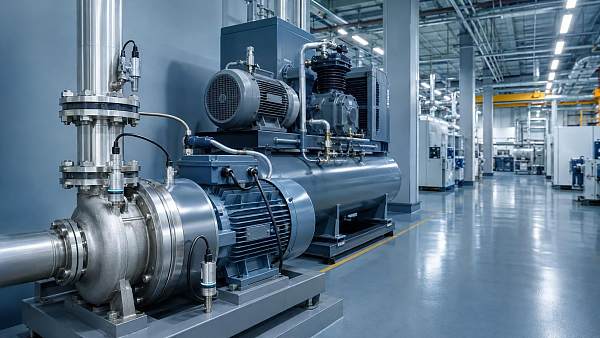
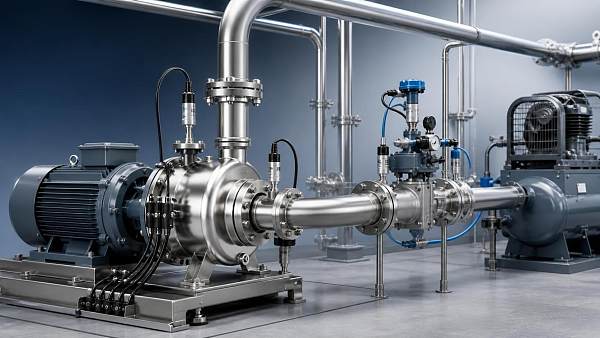
Industrial centrifugal pumps affect flow stability, cavitation risk, and energy consumption.
High-pressure plunger pumps carry stricter material and sealing requirements, especially in SWRO or harsh media applications.
Smart pneumatic control valves add cost through actuator selection, positioner accuracy, and corrosion-resistant trim materials.
Air compressor systems can shift project economics quickly because compressed air is a major utility cost.
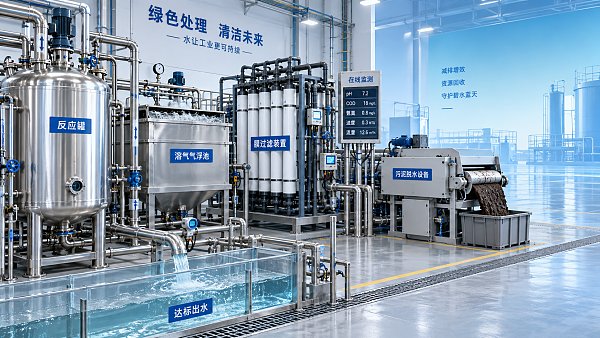
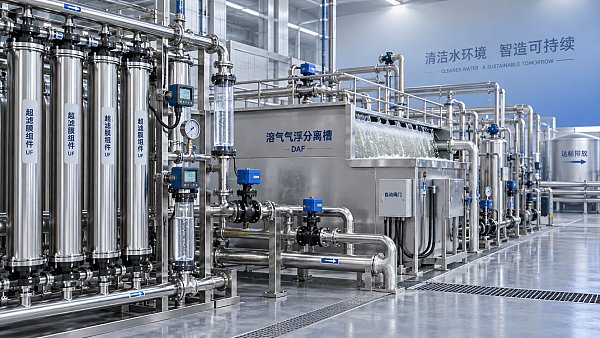
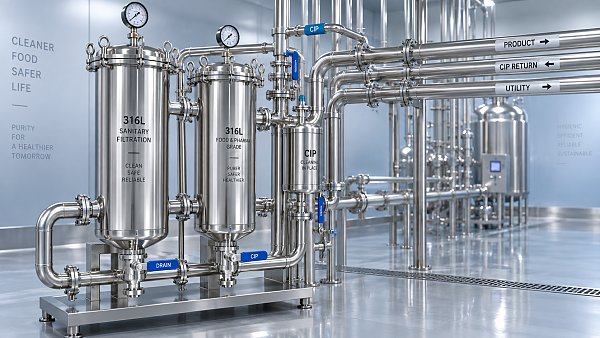
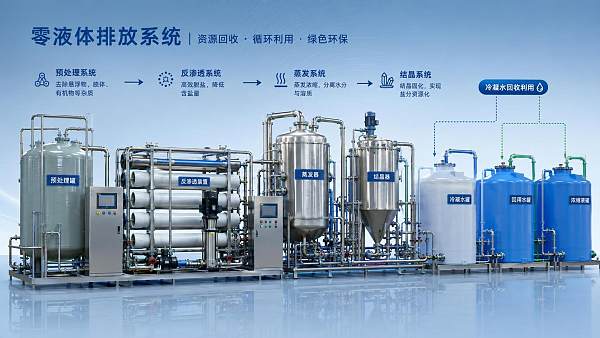
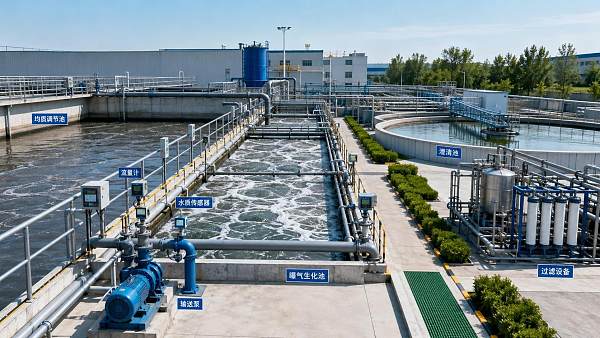
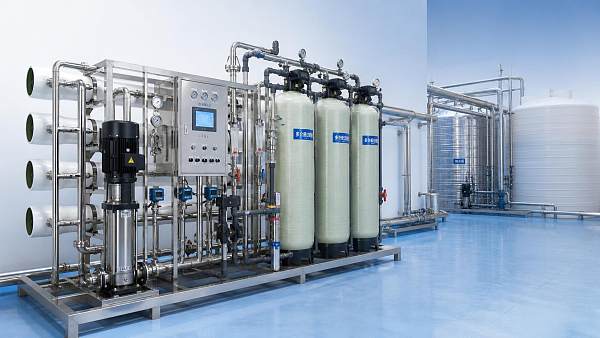
Filtration and separation equipment also influence downstream maintenance and wastewater treatment expense.
2. Controls, Instrumentation, and Software
The next cost block is the digital control layer.
This includes PLCs, DCS interfaces, sensors, VFDs, SCADA, edge devices, and alarming systems.
At this stage, industrial automation solutions cost analysis should check signal density, communication standards, and cyber readiness.
A cheaper control package may save money on paper, yet increase integration labor and future troubleshooting time.
3. Energy and Utility Demand
Operating power should never be treated as a secondary issue.
For many sites, energy becomes the largest cost over the system lifecycle.
Permanent magnet variable frequency compressors, efficient pumps, and precision valve control can lower utility spending year after year.
That is where industrial automation solutions cost analysis becomes a procurement tool, not just a finance exercise.
How to Compare Supplier Proposals
In real projects, proposal comparison is where many cost decisions go off track.
Different suppliers may quote similar system functions with very different technical boundaries.
A disciplined industrial automation solutions cost analysis should normalize every proposal before selection.
- Confirm process design basis, duty points, media properties, and required redundancy.
- Check what is included for panels, field instruments, software licenses, and site services.
- Review energy performance data under actual operating conditions, not ideal test points.
- Verify material grades, seal arrangements, and compliance certifications.
- Estimate spare parts exposure and maintenance intervals over three to five years.
- Score integration complexity with existing plant systems and operator workflows.
This method reveals where a lower quotation depends on hidden exclusions.
More importantly, it helps separate true value from attractive but incomplete pricing.
A Practical Cost Analysis Table
A simple comparison table can make industrial automation solutions cost analysis easier to defend internally.
This format supports faster decisions across engineering, procurement, and operations teams.
Common Cost Mistakes in New Projects
Several patterns appear again and again in industrial automation solutions cost analysis.
- Choosing oversized pumps or compressors for safety margin without reviewing real load profiles.
- Ignoring valve controllability, then losing process accuracy at partial loads.
- Treating filtration as a minor accessory instead of a protection layer for downstream equipment.
- Leaving commissioning scope vague, which pushes tuning problems into startup.
- Skipping digital monitoring features that would reduce unplanned downtime later.
These mistakes rarely look serious during procurement.
They become expensive once throughput, energy use, or maintenance hours start to rise.
How to Build a Better Investment Case
A credible business case needs more than a capital budget number.
It should show how industrial automation solutions cost analysis improves reliability, energy performance, and operational control.
In practice, the strongest proposals usually combine three arguments.
- Lower lifecycle cost through efficient pumps, compressors, and optimized valve control.
- Lower operational risk through predictive monitoring and more stable process response.
- Better compliance readiness for water treatment, emissions targets, and energy regulations.
For sectors handling aggressive fluids, high pressure, or strict wastewater targets, this becomes even more important.
The return often comes from avoided losses, not only from direct savings.
Final Takeaway
A solid industrial automation solutions cost analysis gives new projects a more realistic starting point.
It helps connect equipment choice with energy, uptime, compliance, and expansion flexibility.
For procurement decisions involving pumps, valves, compressors, and separation systems, the smartest move is to compare total value over total time.
Start with process requirements, normalize supplier scope, test lifecycle assumptions, and quantify operating impact early.
That approach leads to cleaner approvals, fewer surprises, and better-performing industrial assets from day one.
- industrial centrifugal pumps
- high-pressure plunger pumps
- smart pneumatic control valves
- air compressor systems
- variable frequency compressors
- industrial automation solutions cost analysis
- centrifugal pumps
- plunger pumps
- control valves
- pneumatic control valves
- filtration systems
- separation equipment
- industrial automation
- energy efficiency
- process equipment
- smart control valves
Related News
 What drives industrial wastewater treatment cost per cubic meter?Dr. Alistair VaughnIndustrial wastewater treatment cost per cubic meter depends on influent load, effluent targets, energy, technology, and sludge disposal. Explore the key cost drivers.
 How to verify CE compliance for fluid separation equipmentDr. Alistair VaughnFluid separation equipment CE verification made practical: learn how to check declarations, risk assessments, technical files, pressure safety, and installation readiness.
 Separation equipment trends reshaping industrial wastewater treatmentDr. Alistair VaughnSeparation equipment trends are reshaping industrial wastewater treatment through smarter membranes, modular systems, digital monitoring, and resource recovery strategies.
 When stainless steel separation equipment is the right choice for hygienic processesDr. Alistair VaughnStainless steel separation equipment: discover when hygienic design, corrosion resistance, CIP cleanability, and lifecycle reliability make it the smart choice.
 What to assess before choosing a process industry automation supplierDr. Alistair VaughnChoose a process industry automation supplier with confidence. Assess engineering depth, lifecycle reliability, digital integration, energy performance, and safety before you buy.
 How process control innovation in refineries reduces unplanned shutdownsDr. Alistair VaughnDiscover how process control innovation in refineries detects early deviations, improves valve and equipment reliability, and helps prevent costly unplanned shutdowns.
 What should a zero liquid discharge systems integrator include in its proposal?Dr. Alistair VaughnZero liquid discharge systems integrator proposal checklist: compare guarantees, utilities, scope, controls, waste handling, and lifecycle risk before award.
 Industrial wastewater treatment plant design: sizing for flow and loadDr. Alistair VaughnIndustrial wastewater treatment plant design guide: size systems for peak flow, pollutant loads, reliability, compliance, and lower lifecycle costs.
 Can predictive maintenance and machinery diagnostics prevent downtime?Dr. Alistair VaughnPredictive maintenance machinery diagnostics help reduce unplanned downtime by detecting early equipment issues, improving reliability, and enabling smarter maintenance decisions.
 Can a digital transformation machinery platform cut unplanned downtime?Dr. Alistair VaughnDiscover how a digital transformation machinery platform connects asset data, maintenance workflows, and process insights to reduce unplanned downtime.
 How water treatment equipment sizing affects operating costsDr. Alistair VaughnWater treatment equipment sizing shapes energy, chemical, and maintenance costs. Learn how to balance flow, pressure, recovery, and reliability for efficient operation.
 When does food processing automation justify the upfront investment?Dr. Alistair VaughnIndustrial automation solutions for food processing: discover when automation delivers measurable ROI through higher throughput, lower waste, reliable utilities, and stronger food safety control.