Industrial Automation Solutions OEM: What to Verify First




Choosing the right industrial automation solutions OEM is not just a sourcing task for distributors, agents, and channel partners. It is an early risk decision that directly affects project delivery, warranty exposure, customer satisfaction, and your ability to win repeat business.
When buyers search for this topic, their real intent is usually practical. They want to know what should be checked first before they commit to a manufacturer, especially when the OEM claims strong engineering, flexible customization, and competitive pricing.
For channel partners, the first verification step is rarely price. The smarter first move is to confirm whether the OEM can consistently support real industrial applications, meet compliance needs, protect your brand reputation, and respond fast when projects become urgent or technically complex.
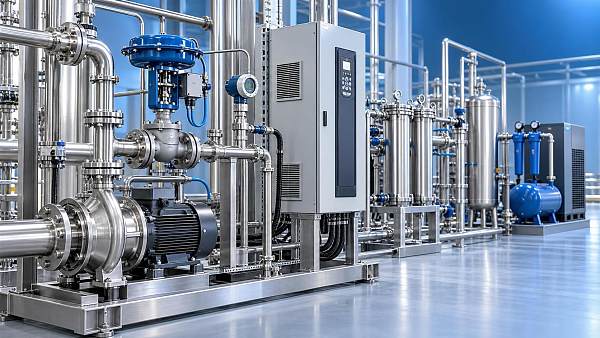
This matters even more in markets linked to pumps, control valves, compressed air systems, and fluid separation equipment. In these sectors, failure is expensive. A weak automation partner can create commissioning delays, unstable performance, site complaints, and lost trust across your distribution network.
What distributors should verify first in an industrial automation solutions OEM
If you only verify one thing first, verify application engineering capability. Many OEMs can assemble panels, integrate standard components, or offer attractive quotations. Far fewer can translate process conditions into a stable, maintainable, and scalable automation solution.
For distributors and agents, this is the real dividing line between a supplier and a dependable OEM partner. A capable OEM should understand not only controls, but also the operating behavior of pumps, valves, compressors, filtration skids, and related process equipment.
Ask whether the OEM has handled variable load conditions, corrosive media, pressure fluctuations, cavitation risk, compressed air efficiency control, or multi-device coordination. These details reveal whether the supplier can support actual industrial environments instead of just producing catalog-based systems.
In practical terms, engineering capability reduces downstream cost. It lowers the chance of sizing errors, unstable control logic, mismatched components, and field troubleshooting. For a channel partner, that means fewer service escalations and a lower risk of being blamed by end users.
Why engineering depth matters more than an attractive quotation
Many channel partners lose margin after winning a project because the original solution was not engineered deeply enough. The quotation may look competitive, but hidden problems appear later through redesigns, site modifications, software changes, and delayed commissioning.
An experienced industrial automation solutions OEM should be able to explain its control philosophy in plain terms. It should show how sensors, actuators, drives, PLC logic, HMI functions, alarms, and safety interlocks work together under both normal and abnormal operating conditions.
For example, in a pump system, the OEM should discuss flow stability, pressure control, motor protection, dry-run prevention, and energy optimization. In a pneumatic valve application, it should explain position accuracy, fail-safe behavior, feedback reliability, and communication integration.
Do not settle for generic answers. Ask for past project references in industries with similar process demands. A supplier that truly understands automation will speak comfortably about application constraints, failure modes, and how its system architecture prevents unnecessary downtime.
How to evaluate quality control before discussing long-term cooperation
After engineering capability, quality control is the next priority. Distributors often assume quality can be judged by product appearance, factory size, or certification logos. In reality, the better test is whether the OEM has disciplined and repeatable internal control processes.
Ask how incoming components are inspected, how wiring and assembly are verified, and how software versions are controlled. Good OEMs can clearly describe inspection points, test procedures, traceability methods, and non-conformance handling without hesitation.
For automation systems, quality is not limited to hardware. It also includes program stability, labeling consistency, documentation accuracy, communication testing, and final factory acceptance procedures. These factors strongly influence installation speed and field service efficiency.
Distributors should also verify whether the OEM performs simulation, load testing, loop checks, signal validation, and communication protocol testing before shipment. The more complete the pre-delivery verification, the lower your exposure to onsite surprises and urgent support demands.
Customization support is often where strong OEMs separate from weak ones
Most industrial projects are not purely standard. End users may require specific PLC brands, local language HMIs, communication protocols, enclosure ratings, hazardous area configurations, or control logic tailored to a particular process line. That is where OEM capability becomes visible very quickly.
For channel partners, customization is not just a technical issue. It is a commercial advantage. If your OEM can adapt fast to market-specific needs, you can serve more bidding opportunities, reduce approval friction, and respond better to consultants, EPC firms, and plant operators.
However, customization must be controlled, not improvised. Ask whether the OEM uses modular engineering methods, standard libraries, documented revision control, and scalable design practices. Without structure, customization may create instability, cost overruns, and service problems later.
A reliable OEM should also clarify what level of customization is included, what requires additional engineering, and how changes affect lead time, validation, and warranty terms. This transparency helps distributors quote more accurately and protect margin from hidden rework.
Compliance verification protects your market access and reputation
Compliance should be checked early, not after a deal becomes urgent. Different regions and industries have strict expectations for electrical safety, panel construction, EMC performance, communication standards, and documentation. If the OEM cannot support these requirements, your sales pipeline is at risk.
Distributors should confirm what certifications are available, but also whether the supplier understands the practical compliance demands behind those certificates. A serious OEM can explain how its products align with target market regulations and what project-specific adjustments may be needed.
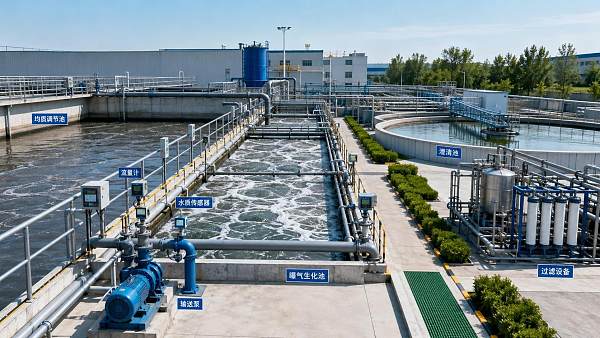
This is especially important in industrial sectors involving water treatment, chemical processing, manufacturing lines, utilities, and compressed air systems. End users and project consultants often review compliance details closely, and missing documents can delay approvals even when the hardware is acceptable.
Beyond certificates, verify document readiness. You may need wiring diagrams, I/O lists, manuals, FAT reports, material traceability records, and declaration files. An OEM with strong compliance support helps distributors move faster through technical review and procurement processes.
After-sales responsiveness is not a bonus feature, it is a selection criterion
For many distributors, the real test of an industrial automation solutions OEM begins after shipment. If commissioning issues arise and the supplier responds slowly, even a well-priced project can become costly. In industrial markets, delay often damages trust faster than product defects do.
Before cooperation, ask direct questions about response time, spare parts availability, remote support, software backup policy, and escalation procedures. Do not rely on promises alone. Request examples of how the OEM handled urgent troubleshooting in recent projects.
A strong after-sales structure should include technical contacts, service documentation, troubleshooting flow, and a realistic support window across time zones when needed. This is crucial for distributors serving plants that cannot tolerate long interruptions in production.
Also evaluate whether the OEM can support your local team with training. A supplier that helps your engineers and sales staff understand installation, diagnostics, and common faults creates long-term value beyond the initial transaction and makes your channel operation more resilient.
Questions channel partners should ask before approving a new OEM
A practical qualification process can save months of avoidable trouble. Instead of relying on a sales presentation, use a structured checklist during evaluation. The goal is to determine whether the OEM is suitable for your customers, not merely whether it can offer a low quote.
Start with engineering questions. What industries has the OEM served? Which control platforms does it know deeply? Can it share examples involving pumps, valves, compressors, or filtration systems under demanding process conditions? How does it manage application-specific control risks?
Then ask operational questions. What is the standard lead time? How are urgent orders handled? What factory tests are performed? Who approves software revisions? How are replacement parts tracked? What support is available during startup and warranty periods?
Finally, ask commercial and channel questions. Does the OEM support private labeling, territory protection, technical co-marketing, and project registration? Can it help with tender documents, technical clarification, and solution positioning against competitors? These answers affect channel profitability directly.
Warning signs that an OEM may create future problems
Some risks appear early if you know where to look. Be cautious if the OEM provides vague technical explanations, avoids sharing testing procedures, or changes specifications too casually during discussion. These are often signs of weak engineering discipline or inconsistent internal coordination.
Another warning sign is overpromising on customization without asking enough application questions. Serious automation suppliers usually request process data, operating logic, electrical standards, and environmental conditions before confirming a solution. Quick answers are not always strong answers.
Pay attention to documentation quality as well. If sample drawings, manuals, or quotations are unclear, incomplete, or inconsistent, you may face larger execution issues later. Documentation discipline usually reflects the maturity of the OEM’s engineering and quality management system.
Also be careful when the OEM competes aggressively on price but cannot explain lifecycle value. Distributors need partners who protect long-term customer relationships, not suppliers who win one order and leave you managing recurring complaints and service burden alone.
How to build a stronger OEM evaluation framework for fluid and machinery markets
In fluid control and system machinery sectors, automation is closely tied to process reliability, efficiency, and safety. That means channel partners should evaluate OEMs using both control-system criteria and equipment-specific understanding, especially for pumps, valves, compressors, and separation systems.
For centrifugal pump applications, verify the OEM’s ability to manage pressure stability, VFD logic, motor protection, and system-level efficiency control. For plunger pump packages, check whether it understands high-pressure operation, interlocks, pulsation effects, and safe shutdown logic.
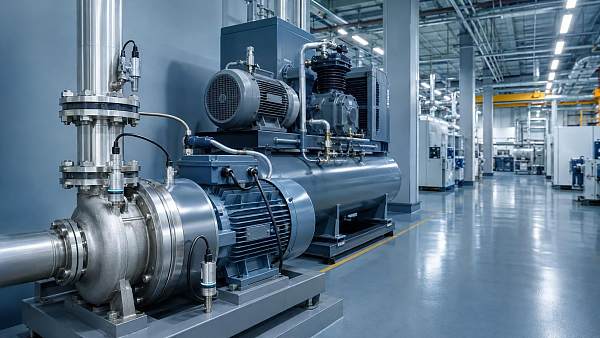
For smart pneumatic control valves, examine expertise in positioner integration, signal reliability, and feedback diagnostics. For air compressor systems, look for knowledge of sequencing, energy optimization, load management, and communication with plant supervisory systems.
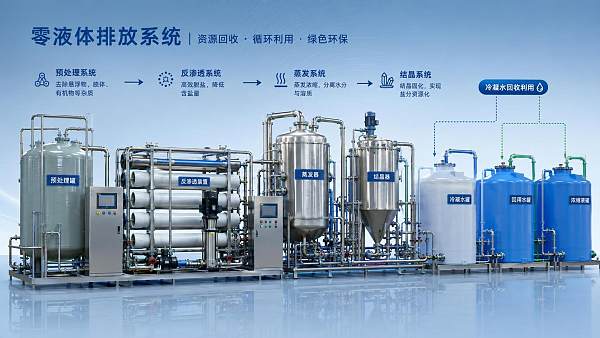
In filtration and separation projects, confirm the OEM can support process stages, differential pressure logic, cleaning cycles, alarm handling, and membrane or media protection strategies. The stronger the OEM’s process awareness, the more credible your own channel offering becomes.
Conclusion: verify competence first, then compare price
For distributors, agents, and channel partners, the first step in choosing an industrial automation solutions OEM should be clear: verify technical competence, quality discipline, customization control, compliance readiness, and after-sales responsiveness before discussing commercial attractiveness.
This order matters because price only becomes meaningful when the solution is dependable. A low-cost supplier with weak engineering or poor support can quickly erode your margins, consume your team’s time, and damage customer confidence in your brand.
The best OEM relationships are built on fewer surprises, stronger documentation, reliable execution, and support that continues after delivery. When you qualify suppliers this way, you do more than reduce risk. You improve win rates, protect reputation, and build a more defensible business.
In industrial markets, especially those involving fluid control and system machinery, channel success depends on choosing partners that perform under real operating pressure. Verify that first, and the rest of your supplier evaluation will become much easier and far more accurate.
Related News
 What drives industrial wastewater treatment cost per cubic meter?Dr. Alistair VaughnIndustrial wastewater treatment cost per cubic meter depends on influent load, effluent targets, energy, technology, and sludge disposal. Explore the key cost drivers.
 How to verify CE compliance for fluid separation equipmentDr. Alistair VaughnFluid separation equipment CE verification made practical: learn how to check declarations, risk assessments, technical files, pressure safety, and installation readiness.
 Separation equipment trends reshaping industrial wastewater treatmentDr. Alistair VaughnSeparation equipment trends are reshaping industrial wastewater treatment through smarter membranes, modular systems, digital monitoring, and resource recovery strategies.
 When stainless steel separation equipment is the right choice for hygienic processesDr. Alistair VaughnStainless steel separation equipment: discover when hygienic design, corrosion resistance, CIP cleanability, and lifecycle reliability make it the smart choice.
 What to assess before choosing a process industry automation supplierDr. Alistair VaughnChoose a process industry automation supplier with confidence. Assess engineering depth, lifecycle reliability, digital integration, energy performance, and safety before you buy.
 How process control innovation in refineries reduces unplanned shutdownsDr. Alistair VaughnDiscover how process control innovation in refineries detects early deviations, improves valve and equipment reliability, and helps prevent costly unplanned shutdowns.
 What should a zero liquid discharge systems integrator include in its proposal?Dr. Alistair VaughnZero liquid discharge systems integrator proposal checklist: compare guarantees, utilities, scope, controls, waste handling, and lifecycle risk before award.
 Industrial wastewater treatment plant design: sizing for flow and loadDr. Alistair VaughnIndustrial wastewater treatment plant design guide: size systems for peak flow, pollutant loads, reliability, compliance, and lower lifecycle costs.
 Can predictive maintenance and machinery diagnostics prevent downtime?Dr. Alistair VaughnPredictive maintenance machinery diagnostics help reduce unplanned downtime by detecting early equipment issues, improving reliability, and enabling smarter maintenance decisions.
 Can a digital transformation machinery platform cut unplanned downtime?Dr. Alistair VaughnDiscover how a digital transformation machinery platform connects asset data, maintenance workflows, and process insights to reduce unplanned downtime.
 How water treatment equipment sizing affects operating costsDr. Alistair VaughnWater treatment equipment sizing shapes energy, chemical, and maintenance costs. Learn how to balance flow, pressure, recovery, and reliability for efficient operation.
 When does food processing automation justify the upfront investment?Dr. Alistair VaughnIndustrial automation solutions for food processing: discover when automation delivers measurable ROI through higher throughput, lower waste, reliable utilities, and stronger food safety control.