Industrial Automation Solutions Supplier Selection Guide




Choosing the right industrial automation solutions supplier now affects far more than equipment delivery. It shapes uptime, energy use, digital visibility, emissions performance, and lifecycle resilience across fluid and gas systems.
In process plants, utilities, and mixed industrial environments, supplier selection has become a strategic decision. Pumps, control valves, compressors, and separation systems must work as connected assets, not isolated products.
This shift makes every industrial automation solutions supplier assessment more technical and more commercial. The strongest candidates combine hardware reliability, controls intelligence, service depth, and credible decarbonization performance.
Supplier selection is changing as automation moves from hardware to connected performance
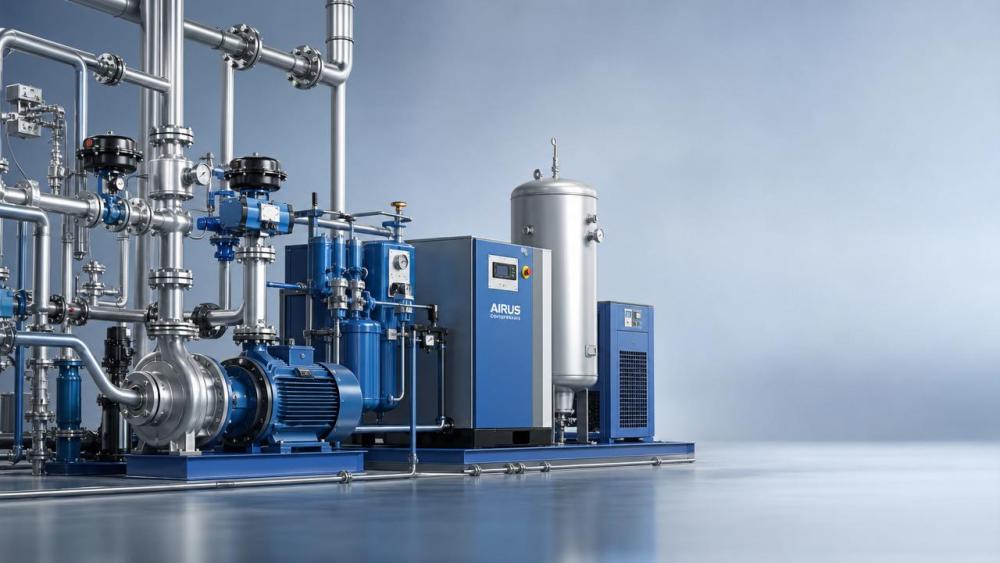
The market no longer rewards a supplier based only on catalog breadth. Buyers now compare system compatibility, data transparency, predictive maintenance capability, and energy efficiency under real operating loads.
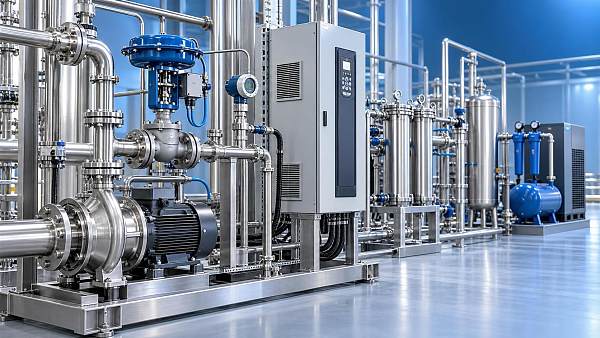
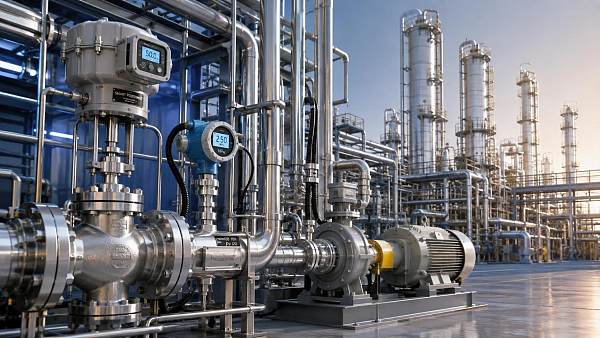
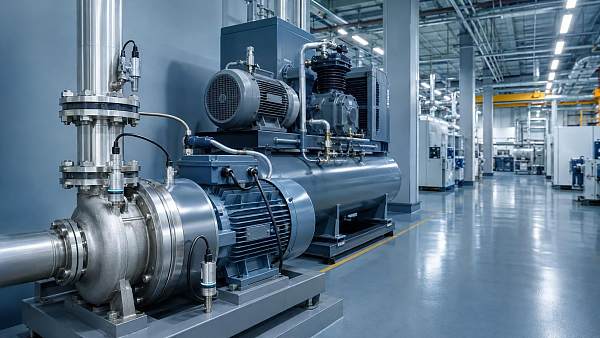
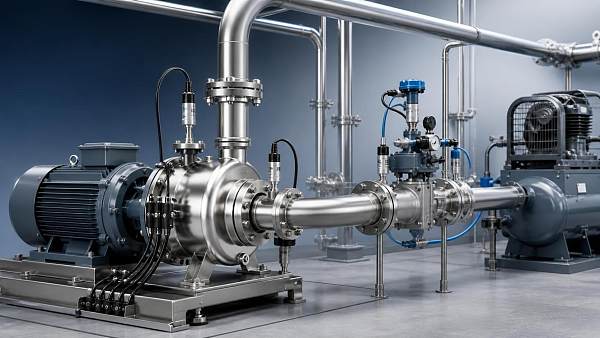
This matters strongly in fluid control industries. Industrial centrifugal pumps, smart pneumatic control valves, air compressor systems, and filtration units increasingly depend on integrated sensors, drives, and remote diagnostics.
A qualified industrial automation solutions supplier should therefore support both mechanical duty and digital evolution. The best suppliers connect process stability with Industry 4.0 readiness and low-carbon operating goals.
Several trend signals show what separates strong suppliers from weak ones
Global general machinery markets are being reshaped by energy regulations, higher process complexity, and supply chain volatility. These pressures expose whether a supplier can support long-term industrial continuity.
An industrial automation solutions supplier is now judged by measurable outcomes. These include leak prevention, pressure stability, compressed air efficiency, separation accuracy, control response, and asset health visibility.
- Variable frequency drives are becoming a standard expectation, not a premium feature.
- Smart positioners and instrumentation are replacing manual tuning in critical valve networks.
- Predictive maintenance dashboards are moving from pilot tools to tender requirements.
- Carbon reporting is influencing compressor, pump, and motor technology choices.
- Special alloy availability is affecting delivery reliability for corrosive and high-pressure systems.
These signals suggest that supplier quality now depends on engineering depth and information capability. A basic reseller model is often too weak for modern automation projects.
The strongest market drivers are technical, regulatory, and economic at the same time
Supplier selection pressure does not come from one source. It comes from a mix of process demands, lifecycle cost scrutiny, and stricter efficiency expectations across global industries.
When these forces overlap, the ideal industrial automation solutions supplier becomes a risk-control partner, not only an equipment vendor.
The impact reaches every major fluid and gas handling business segment
In pump systems, poor supplier selection often appears as hidden energy loss, cavitation risk, seal failure, or control instability. These issues usually emerge after commissioning, when correction costs are highest.
In control valve networks, weak specification support can lead to noise, vibration, poor throttling resolution, and actuator mismatch. A capable industrial automation solutions supplier should validate sizing logic and critical velocity conditions.
In compressor systems, the difference between suppliers often shows in partial-load efficiency and air quality consistency. Two-stage compression, permanent magnet drives, and leakage analytics can transform operating economics.
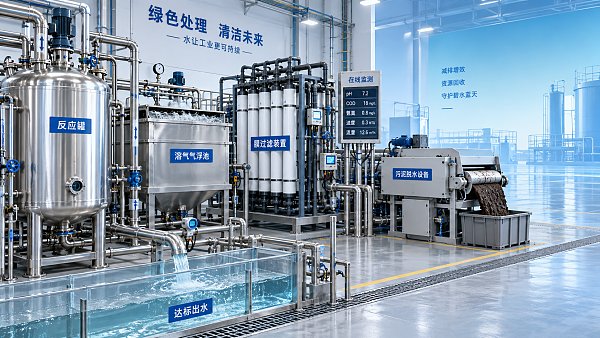
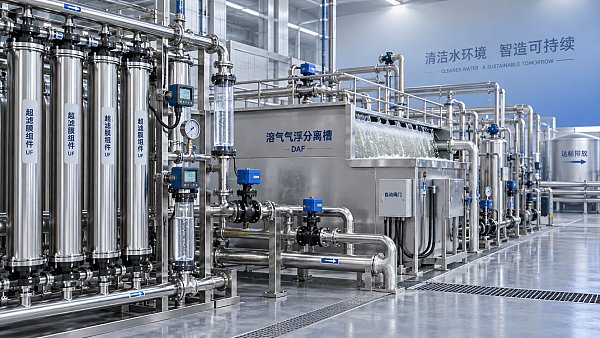
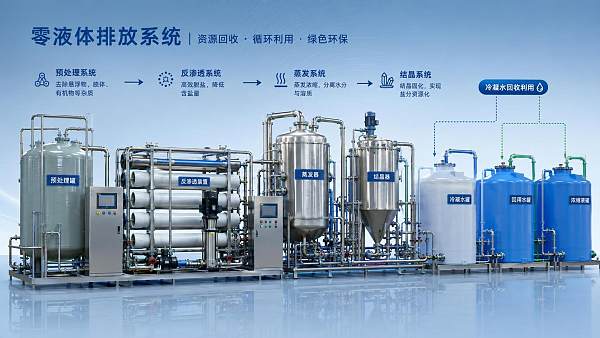
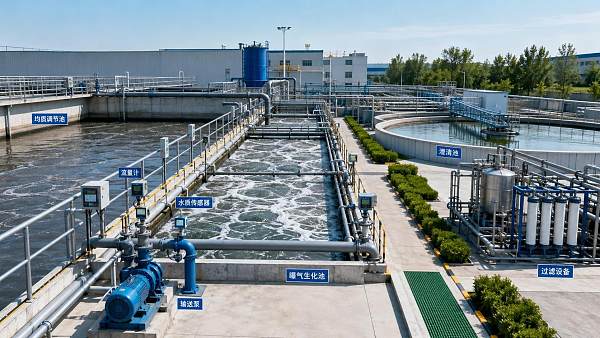
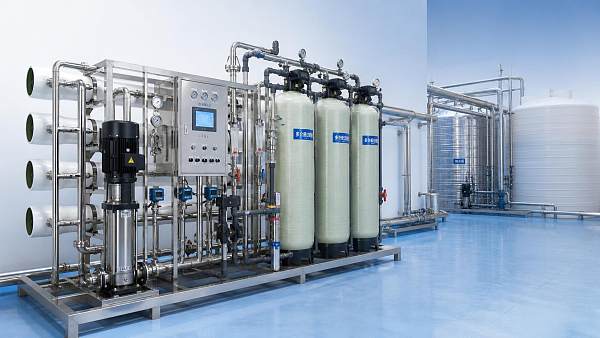
In filtration and separation, supplier quality affects membrane life, pressure drop management, solids handling, and water recovery results. Strong support is especially important in ZLD and wastewater reuse applications.
- Continuous processing needs stable automation and faster fault visibility.
- Utilities need energy accountability and scalable remote supervision.
- Harsh-duty sectors need material durability and precise control under stress.
A reliable industrial automation solutions supplier shows clear evidence in six areas
Evaluation becomes easier when evidence is organized around a small set of practical criteria. The following areas usually reveal whether a supplier can deliver lasting value.
1. Application engineering depth
Look for proven understanding of fluid dynamics, control logic, thermodynamic behavior, and separation performance. Generic answers often signal weak project support.
2. System integration capability
A strong industrial automation solutions supplier should support PLC, DCS, SCADA, and fieldbus integration. Data should be actionable, not trapped inside proprietary silos.
3. Energy and carbon performance
Verify efficiency maps, variable-speed logic, air loss management, and lifecycle energy modeling. Energy claims without operating context are not enough.
4. Reliability and maintainability
Check seal design, bearing strategy, actuator durability, service intervals, spare part availability, and remote diagnostics. Reliability must be engineered and supportable.
5. Compliance and documentation quality
Good suppliers provide traceable documentation, testing records, certifications, material data, and commissioning guidance. Documentation quality often reflects organizational discipline.
6. Service continuity across the lifecycle
The best industrial automation solutions supplier supports startup, optimization, troubleshooting, upgrades, and performance reviews. Value grows after installation, not before it.
Warning signs often appear before a contract is signed
Many supplier risks are visible during early evaluation. Ignoring them can create long-term operational penalties.
- Performance data is missing, inconsistent, or only theoretical.
- Control architecture details are unclear or incompatible.
- Service networks depend on third parties with limited accountability.
- Spare parts strategy is reactive rather than planned.
- Efficiency promises are not tied to duty cycle assumptions.
- Material selection appears standardized despite difficult media conditions.
If several warning signs appear together, the industrial automation solutions supplier may increase hidden cost even when the initial quotation looks attractive.
A practical scoring model supports better decisions under uncertainty
Complex projects benefit from a structured comparison method. A weighted scorecard keeps technical and commercial judgments aligned.
This model helps compare each industrial automation solutions supplier beyond price. It also supports clearer negotiation and better post-award accountability.
The next phase of supplier evaluation should focus on resilience, data, and efficiency together
The industrial market is moving toward connected, efficient, and lower-carbon operations. Supplier evaluation must reflect that broader operating reality.
A future-ready industrial automation solutions supplier should be able to explain how pumps, valves, compressors, and separation equipment improve both process outcomes and information quality.
Start by mapping critical assets, failure costs, energy intensity, and integration requirements. Then request evidence, not slogans, from each shortlisted supplier.
A disciplined review now can reduce downtime, protect efficiency gains, and strengthen long-term industrial competitiveness in a rapidly changing automation landscape.
Related News
 What drives industrial wastewater treatment cost per cubic meter?Dr. Alistair VaughnIndustrial wastewater treatment cost per cubic meter depends on influent load, effluent targets, energy, technology, and sludge disposal. Explore the key cost drivers.
 How to verify CE compliance for fluid separation equipmentDr. Alistair VaughnFluid separation equipment CE verification made practical: learn how to check declarations, risk assessments, technical files, pressure safety, and installation readiness.
 Separation equipment trends reshaping industrial wastewater treatmentDr. Alistair VaughnSeparation equipment trends are reshaping industrial wastewater treatment through smarter membranes, modular systems, digital monitoring, and resource recovery strategies.
 When stainless steel separation equipment is the right choice for hygienic processesDr. Alistair VaughnStainless steel separation equipment: discover when hygienic design, corrosion resistance, CIP cleanability, and lifecycle reliability make it the smart choice.
 What to assess before choosing a process industry automation supplierDr. Alistair VaughnChoose a process industry automation supplier with confidence. Assess engineering depth, lifecycle reliability, digital integration, energy performance, and safety before you buy.
 How process control innovation in refineries reduces unplanned shutdownsDr. Alistair VaughnDiscover how process control innovation in refineries detects early deviations, improves valve and equipment reliability, and helps prevent costly unplanned shutdowns.
 What should a zero liquid discharge systems integrator include in its proposal?Dr. Alistair VaughnZero liquid discharge systems integrator proposal checklist: compare guarantees, utilities, scope, controls, waste handling, and lifecycle risk before award.
 Industrial wastewater treatment plant design: sizing for flow and loadDr. Alistair VaughnIndustrial wastewater treatment plant design guide: size systems for peak flow, pollutant loads, reliability, compliance, and lower lifecycle costs.
 Can predictive maintenance and machinery diagnostics prevent downtime?Dr. Alistair VaughnPredictive maintenance machinery diagnostics help reduce unplanned downtime by detecting early equipment issues, improving reliability, and enabling smarter maintenance decisions.
 Can a digital transformation machinery platform cut unplanned downtime?Dr. Alistair VaughnDiscover how a digital transformation machinery platform connects asset data, maintenance workflows, and process insights to reduce unplanned downtime.
 How water treatment equipment sizing affects operating costsDr. Alistair VaughnWater treatment equipment sizing shapes energy, chemical, and maintenance costs. Learn how to balance flow, pressure, recovery, and reliability for efficient operation.
 When does food processing automation justify the upfront investment?Dr. Alistair VaughnIndustrial automation solutions for food processing: discover when automation delivers measurable ROI through higher throughput, lower waste, reliable utilities, and stronger food safety control.