Industrial Automation Solutions for Manufacturing: Key Fit Checks




Choosing industrial automation solutions for manufacturing is not just a software or controls decision—it is a fit check across machines, fluids, energy systems, data architecture, and reliability goals.
For pump, valve, compressor, and separation environments, the right platform must connect process precision with lifecycle performance, predictive maintenance, and decarbonization targets.
This guide outlines practical assessment points for industrial automation solutions for manufacturing, especially where fluid control, compressed air, and process stability define output quality.
Why Fit Checks Matter Before Automation Investment
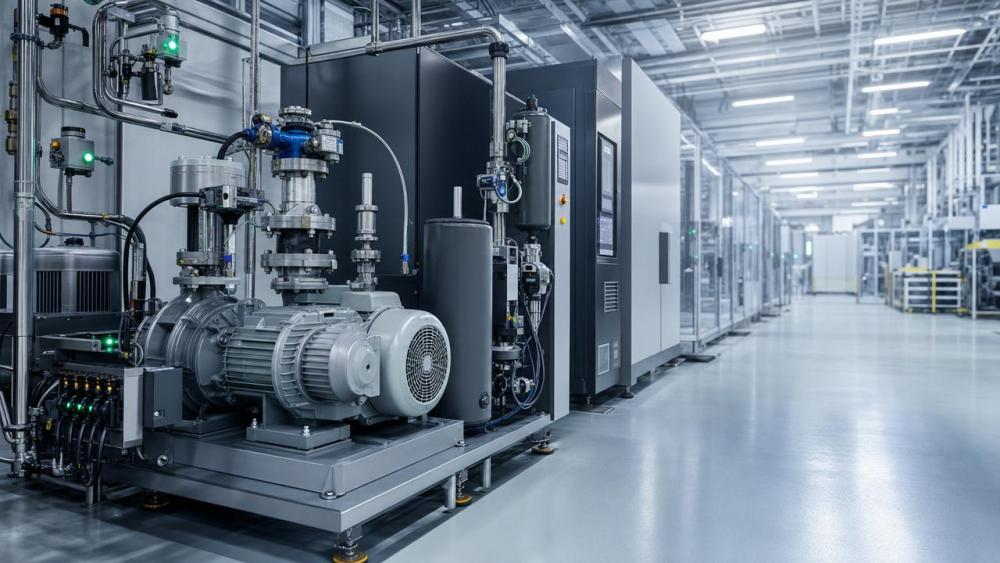
Automation projects often fail because equipment reality is more complex than the control diagram.
A centrifugal pump may suffer cavitation before a dashboard detects abnormal energy use.
A pneumatic valve may drift due to friction, corrosion, actuator lag, or poor positioner calibration.
An air compressor may waste power if demand response, leakage mapping, and pressure bands are not coordinated.
Industrial automation solutions for manufacturing must therefore be reviewed as operating systems for physical assets, not isolated control panels.
A checklist approach reduces blind spots in integration, energy efficiency, safety, cybersecurity, maintainability, and long-term scalability.
Core Checklist for Industrial Automation Solutions for Manufacturing
Use the following fit checks before approving industrial automation solutions for manufacturing in fluid-intensive or gas-driven facilities.
- Map every critical asset, including pumps, valves, compressors, filters, separators, drives, sensors, and analyzers, before selecting the control architecture.
- Verify process variables such as flow, pressure, temperature, vibration, valve position, motor load, differential pressure, and air demand.
- Confirm whether PLC, DCS, SCADA, MES, and cloud systems exchange data through stable, documented, and secure communication protocols.
- Check whether control logic supports real process constraints, including cavitation limits, surge protection, minimum flow, and pressure relief behavior.
- Assess energy optimization features for variable speed drives, compressor sequencing, pump curves, pressure setpoints, and idle-load reduction.
- Test alarm logic against actual failure modes, not only generic high-low thresholds or default equipment vendor recommendations.
- Require predictive maintenance models to explain signals, thresholds, confidence levels, and recommended intervention timing for each asset group.
- Validate calibration procedures for flowmeters, pressure transmitters, valve positioners, vibration sensors, and compressed air monitoring devices.
- Review cybersecurity controls for remote access, user permissions, firmware updates, segmentation, backups, and incident recovery procedures.
- Confirm that reports translate automation data into OEE, energy intensity, downtime causes, maintenance backlog, and lifecycle cost indicators.
- Check whether the solution can scale from one line to multiple plants without rebuilding tags, dashboards, and governance rules.
- Run acceptance testing with real operating scenarios, including start-up, shutdown, load swings, abnormal pressure, and instrument failure.
Fit Check 1: Machine and Process Compatibility
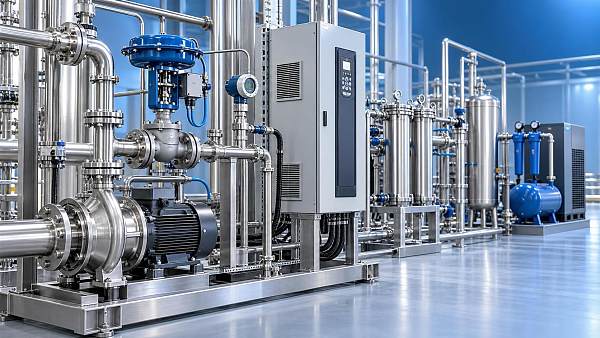
Industrial automation solutions for manufacturing must understand the behavior of rotating equipment, throttling devices, and separation systems.
For centrifugal pumps, the platform should compare operating points against pump curves and preferred efficiency regions.
It should flag low-flow operation, cavitation risk, seal stress, overheating, and excessive recirculation before mechanical damage expands.
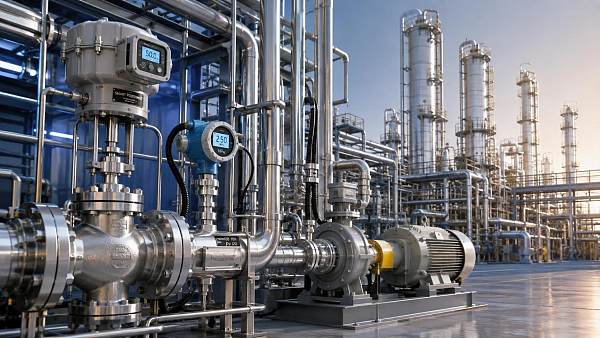
For smart pneumatic control valves, response time and valve signature analysis are essential.
The system should detect stiction, packing friction, air supply instability, trim wear, and mismatch between command and actual movement.
For compressors, automation should coordinate pressure bands, dryer status, leakage indicators, heat recovery, and demand-side consumption.
Fit Check 2: Data Architecture and Visibility
Data quality decides whether industrial automation solutions for manufacturing produce insight or noise.
Start with a structured tag naming rule that identifies plant, area, asset, variable, unit, and measurement source.
Avoid dashboards that only display values without context, limits, trends, or maintenance relevance.
A useful system should connect live data with asset history, work orders, design curves, and energy baselines.
For fluid control assets, transient events often matter more than average values.
Pressure spikes, rapid valve movement, short compressor cycling, and filter differential pressure jumps must remain visible.
Minimum Data Questions
- Define which variables need second-level sampling and which can use slower historian intervals.
- Confirm whether missing data is labeled, estimated, rejected, or automatically hidden from analytics.
- Require full traceability from sensor signal to dashboard indicator and maintenance recommendation.
- Check whether mobile, control room, and management views use consistent definitions.
Fit Check 3: Energy, Carbon, and Lifecycle Performance
Energy is a decisive test for industrial automation solutions for manufacturing.
Pumps and compressors often run continuously, so small efficiency losses become major operating costs.
The system should calculate energy per unit of output, not only total electricity consumption.
For water treatment and separation lines, track kilowatt-hours per cubic meter treated.
For compressed air systems, monitor specific power, leakage rate, pressure stability, and compressor loading profile.
For process pumping, compare actual flow-head points with best efficiency points and motor load curves.
Industrial automation solutions for manufacturing should also support carbon reporting, energy audits, and investment justification for upgrades.
Application Notes Across Common Industrial Scenarios
Chemical and Process Plants
Automation must handle corrosive media, hazardous areas, batch transitions, and strict pressure control.
For these sites, industrial automation solutions for manufacturing should emphasize interlocks, material compatibility, audit trails, and control valve diagnostics.
Water, Wastewater, and ZLD Facilities
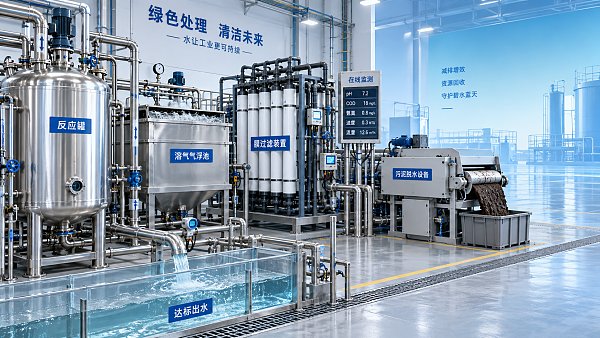
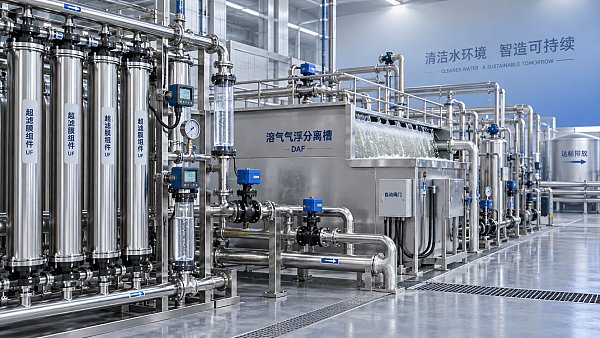
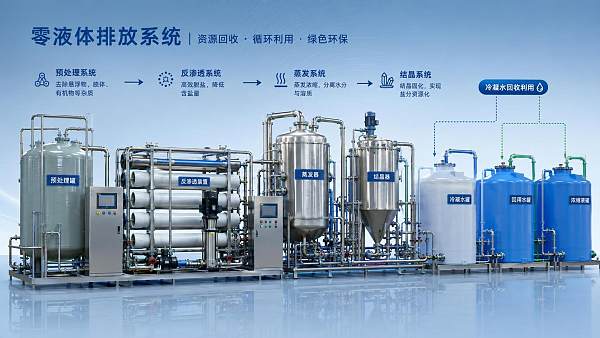
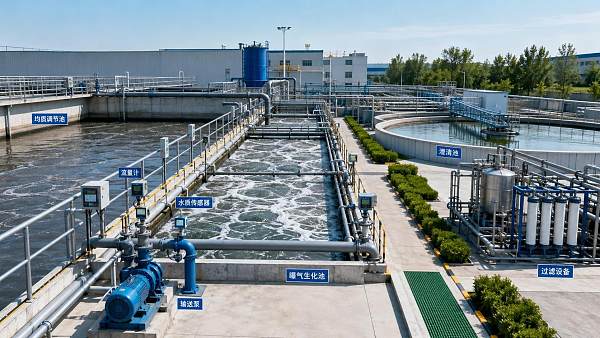
Filtration and separation systems depend on membrane health, chemical dosing, pump stability, and differential pressure monitoring.
The automation platform should connect turbidity, conductivity, pressure, flow, cleaning cycles, and recovery ratios into one operating view.
Compressed Air Networks
Compressed air is expensive, invisible, and often poorly measured.
Industrial automation solutions for manufacturing should identify leakage, pressure drops, artificial demand, dryer inefficiency, and unstable compressor sequencing.
High-Pressure Pumping Operations
Plunger pumps and high-pressure systems require fast protection logic and robust condition monitoring.
Track pulsation, seal condition, lubricant quality, inlet pressure, discharge stability, and emergency shutdown response.
Commonly Overlooked Risks
Ignoring instrument health. Bad sensors create false confidence, weak diagnostics, poor control, and incorrect maintenance decisions.
Automating unstable processes. If piping, valves, pump sizing, or air distribution are flawed, software cannot remove the physical instability.
Accepting black-box analytics. Predictive models must show why an asset is at risk and which signal changed first.
Underestimating operator workflow. Industrial automation solutions for manufacturing fail when alarms, screens, and procedures do not match actual operating routines.
Separating energy and maintenance. Efficiency loss often appears before failure, especially in pumps, compressors, valves, filters, and rotating seals.
Forgetting lifecycle support. Spare parts, software updates, cybersecurity patches, training, and documentation must be included from the beginning.
Practical Execution Steps
- Build an asset criticality matrix using downtime impact, safety exposure, energy intensity, repair cost, and process sensitivity.
- Run a baseline study for pressure, flow, power, vibration, compressed air demand, and filtration performance.
- Select one pilot area where automation can reduce measurable losses within a short verification period.
- Define success metrics before deployment, including uptime, energy intensity, alarm reduction, and maintenance lead time.
- Document control narratives, alarm priorities, data ownership, cybersecurity responsibilities, and change management procedures.
- Review results after commissioning and adjust thresholds using real process behavior, not only design assumptions.
A phased approach usually works better than a large, undefined transformation program.
Start with equipment that has clear losses, frequent instability, or high energy consumption.
Then expand industrial automation solutions for manufacturing across similar assets using proven templates and verified data models.
Summary and Next Action
Industrial automation solutions for manufacturing should be judged by fit, not by feature lists alone.
The strongest platforms connect machine behavior, fluid dynamics, energy performance, maintenance planning, and secure data architecture.
Before selecting a solution, audit the assets, define operating risks, validate instrumentation, and test analytics against real failure modes.
Use the checklist to compare vendors, structure pilot projects, and build a repeatable roadmap for smarter, lower-carbon industrial operations.
The next step is simple: choose one critical process line and complete a full fit check before automation scope is finalized.
Related News
 What drives industrial wastewater treatment cost per cubic meter?Dr. Alistair VaughnIndustrial wastewater treatment cost per cubic meter depends on influent load, effluent targets, energy, technology, and sludge disposal. Explore the key cost drivers.
 How to verify CE compliance for fluid separation equipmentDr. Alistair VaughnFluid separation equipment CE verification made practical: learn how to check declarations, risk assessments, technical files, pressure safety, and installation readiness.
 Separation equipment trends reshaping industrial wastewater treatmentDr. Alistair VaughnSeparation equipment trends are reshaping industrial wastewater treatment through smarter membranes, modular systems, digital monitoring, and resource recovery strategies.
 When stainless steel separation equipment is the right choice for hygienic processesDr. Alistair VaughnStainless steel separation equipment: discover when hygienic design, corrosion resistance, CIP cleanability, and lifecycle reliability make it the smart choice.
 What to assess before choosing a process industry automation supplierDr. Alistair VaughnChoose a process industry automation supplier with confidence. Assess engineering depth, lifecycle reliability, digital integration, energy performance, and safety before you buy.
 How process control innovation in refineries reduces unplanned shutdownsDr. Alistair VaughnDiscover how process control innovation in refineries detects early deviations, improves valve and equipment reliability, and helps prevent costly unplanned shutdowns.
 What should a zero liquid discharge systems integrator include in its proposal?Dr. Alistair VaughnZero liquid discharge systems integrator proposal checklist: compare guarantees, utilities, scope, controls, waste handling, and lifecycle risk before award.
 Industrial wastewater treatment plant design: sizing for flow and loadDr. Alistair VaughnIndustrial wastewater treatment plant design guide: size systems for peak flow, pollutant loads, reliability, compliance, and lower lifecycle costs.
 Can predictive maintenance and machinery diagnostics prevent downtime?Dr. Alistair VaughnPredictive maintenance machinery diagnostics help reduce unplanned downtime by detecting early equipment issues, improving reliability, and enabling smarter maintenance decisions.
 Can a digital transformation machinery platform cut unplanned downtime?Dr. Alistair VaughnDiscover how a digital transformation machinery platform connects asset data, maintenance workflows, and process insights to reduce unplanned downtime.
 How water treatment equipment sizing affects operating costsDr. Alistair VaughnWater treatment equipment sizing shapes energy, chemical, and maintenance costs. Learn how to balance flow, pressure, recovery, and reliability for efficient operation.
 When does food processing automation justify the upfront investment?Dr. Alistair VaughnIndustrial automation solutions for food processing: discover when automation delivers measurable ROI through higher throughput, lower waste, reliable utilities, and stronger food safety control.