Industrial Automation Trends in 2026 Worth Tracking




As manufacturers face decarbonization pressure, labor shortages, and rising energy costs, industrial automation trends in 2026 are becoming a strategic priority for enterprise leaders. From smarter fluid control and predictive maintenance to energy-efficient compressors, pumps, and valves, the next wave of automation will reshape reliability, compliance, and competitiveness across process industries.
Why industrial automation trends are accelerating faster in 2026
The pace of industrial change is no longer gradual. Energy prices remain volatile, carbon targets are tightening, and plant uptime expectations keep rising.
At the same time, aging equipment and limited technical labor are exposing weaknesses in manual operations. This is why industrial automation trends now influence strategy, not only engineering.
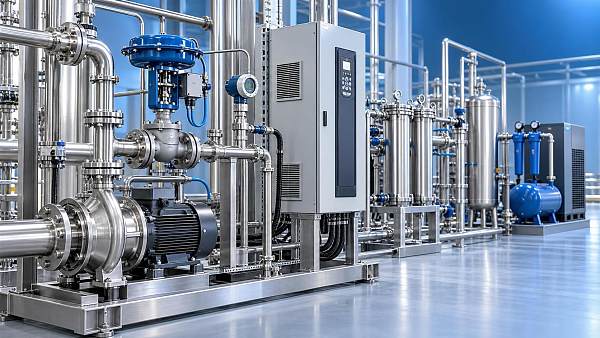
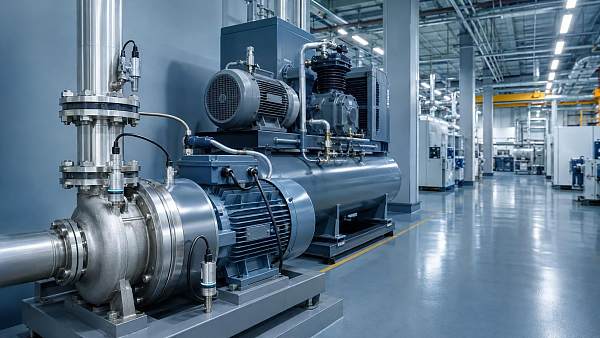
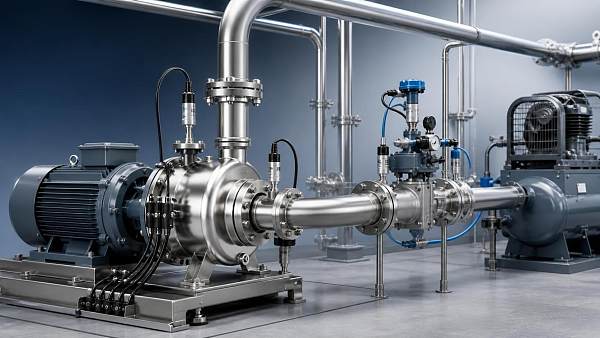
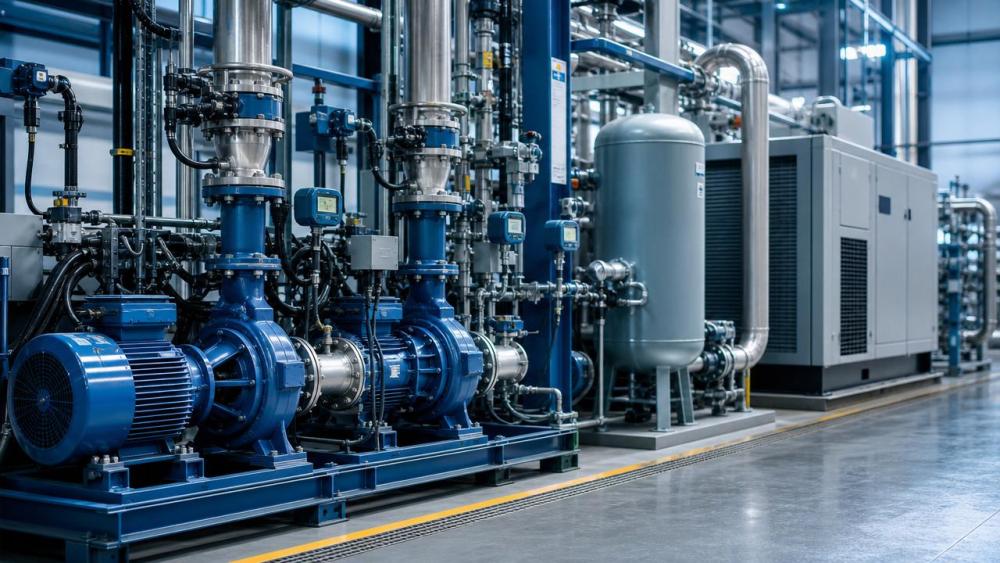
In fluid-intensive industries, the shift is especially visible. Pumps, compressors, control valves, and separation systems are moving from isolated assets to connected performance nodes.
That shift creates new value. Better sensing, smarter control, and real-time analytics help reduce leakage, optimize air demand, prevent cavitation, and extend maintenance cycles.
The strongest market signals behind industrial automation trends
Several clear signals show why 2026 will be a decisive year for automation investment across general industry and process operations.
- Energy efficiency regulations are becoming stricter for motors, drives, compressors, and fluid systems.
- Digital maintenance platforms now deliver measurable returns, not just dashboards.
- Compressed air, pumping, and process flow losses are receiving greater board-level attention.
- Cybersecurity expectations are rising as OT and IT environments converge.
- Supply chain uncertainty is pushing facilities toward more resilient and visible operations.
- Low-carbon production targets are accelerating equipment modernization plans.
These signals are not abstract. They directly affect how automation budgets are justified, how assets are monitored, and how reliability is measured.
Five industrial automation trends worth tracking closely
1. Predictive maintenance is moving from pilots to operating standard
One of the most important industrial automation trends is the normalization of predictive maintenance for rotating and flow-control assets.
Vibration, temperature, pressure, acoustic, and power data now reveal early failure patterns in pump sets, screw compressors, and valve actuators.
This matters in systems where unplanned downtime can cascade across utilities, water treatment, chemical dosing, and compressed air networks.
2. Energy-aware automation is becoming the default design logic
Automation in 2026 will increasingly optimize for kilowatt-hours per unit of output, not only process stability.
Variable frequency drives, smart load sequencing, and adaptive control are reducing overpumping, excess pressure, and inefficient compressor cycling.
For fluid systems, this trend improves both sustainability and operating margins. It also strengthens compliance reporting for carbon and energy programs.
3. Smart valves and edge sensing are expanding process visibility
Another major item among industrial automation trends is the rise of intelligent field devices.
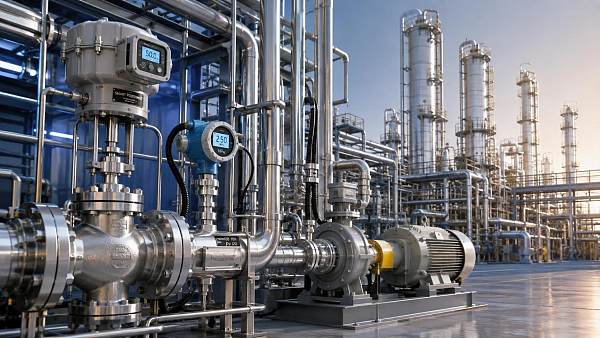
Smart pneumatic control valves and connected sensors can now identify stiction, air leakage, unstable throttling, and abnormal response time before quality suffers.
This level of visibility is critical in corrosive, high-temperature, and high-pressure services where process deviations quickly become safety or cost problems.
4. Industrial AI is getting more practical and less experimental
AI in automation is shifting from generic hype to targeted use cases. Plants want anomaly detection, maintenance prioritization, and energy optimization that operators can trust.
In fluid machinery, AI models can interpret cavitation behavior, fouling patterns, air demand fluctuations, and separation performance more quickly than manual review.
5. OT cybersecurity is now part of automation architecture
As more equipment becomes connected, cyber resilience becomes essential. Secure remote diagnostics, segmented networks, and access control are now operational requirements.
This is one of the industrial automation trends that often gets delayed until an incident occurs. In 2026, that delay will be much harder to justify.
What is driving these industrial automation trends
How industrial automation trends will affect key business operations
The impact of industrial automation trends will extend far beyond control rooms. They will influence cost structure, engineering priorities, and asset lifecycle decisions.
In production, adaptive controls will improve consistency and reduce waste. In utilities, smarter pumping and compressed air management will uncover hidden efficiency gains.
Maintenance teams will rely more on condition-based planning than calendar routines. That means fewer emergency repairs and better use of shutdown windows.
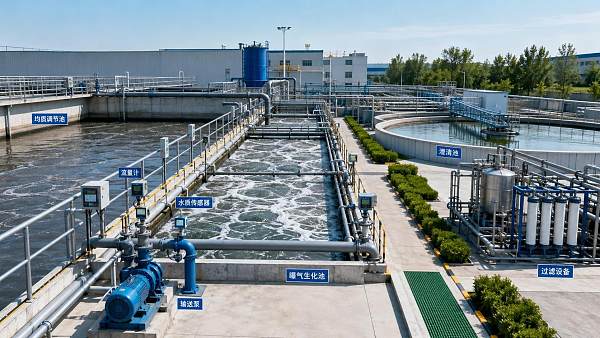
Environmental performance will also improve. Better separation control, leak detection, and energy monitoring support cleaner operation and stronger reporting accuracy.
- Pump systems: lower cavitation risk, improved hydraulic efficiency, fewer seal failures.
- Control valves: more precise throttling, less instability, better actuator health visibility.
- Air compressors: tighter sequencing, lower specific energy consumption, reduced leakage loss.
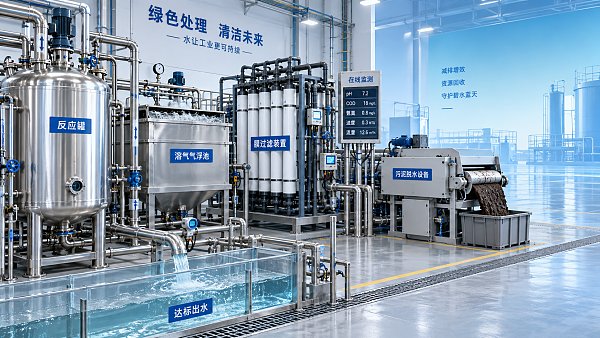
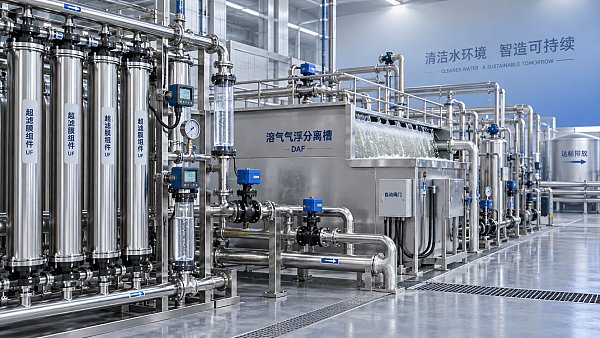
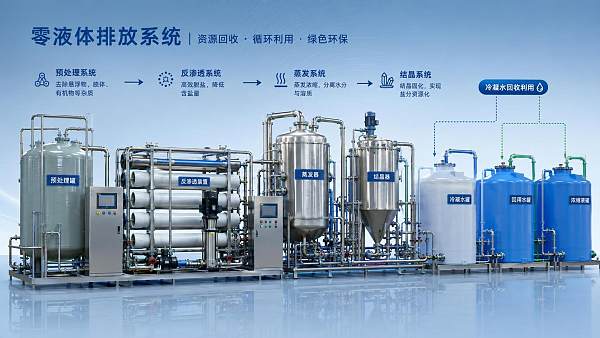
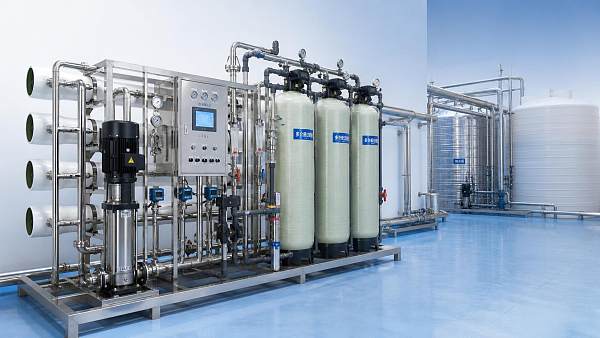
- Filtration and separation: steadier membrane performance, improved fouling control, better water recovery.
What deserves close attention before 2026 budgets are finalized
Not every automation investment delivers equal value. The strongest results usually come from systems with high energy use, high downtime risk, or weak process visibility.
- Map the largest energy consumers across pumps, compressed air, and thermal support systems.
- Identify assets with repeated failure patterns or difficult maintenance access.
- Review whether control valves and field instruments provide actionable diagnostic data.
- Check if OT cybersecurity measures match current connectivity levels.
- Prioritize platforms that integrate maintenance, process, and energy data.
- Define success using uptime, energy intensity, and compliance metrics together.
This approach keeps industrial automation trends tied to measurable operational outcomes instead of standalone technology projects.
A practical response plan for the next wave of industrial automation trends
The most effective response is phased, measurable, and equipment-aware. That is especially true for fluid control systems where process behavior changes under real operating conditions.
The next move should focus on visibility, efficiency, and resilience
The leading industrial automation trends of 2026 point in one direction: more intelligence at the asset level and more accountability at the system level.
A strong starting point is to evaluate pump sets, smart control valves, air compressor systems, and filtration assets where hidden losses are often greatest.
With the right monitoring, controls, and efficiency roadmap, automation becomes a practical lever for uptime, carbon reduction, and long-term competitiveness.
Track the signals early, quantify the gaps, and build the next upgrade cycle around the automation opportunities that deliver the fastest operational impact.
Related News
 What drives industrial wastewater treatment cost per cubic meter?Dr. Alistair VaughnIndustrial wastewater treatment cost per cubic meter depends on influent load, effluent targets, energy, technology, and sludge disposal. Explore the key cost drivers.
 How to verify CE compliance for fluid separation equipmentDr. Alistair VaughnFluid separation equipment CE verification made practical: learn how to check declarations, risk assessments, technical files, pressure safety, and installation readiness.
 Separation equipment trends reshaping industrial wastewater treatmentDr. Alistair VaughnSeparation equipment trends are reshaping industrial wastewater treatment through smarter membranes, modular systems, digital monitoring, and resource recovery strategies.
 When stainless steel separation equipment is the right choice for hygienic processesDr. Alistair VaughnStainless steel separation equipment: discover when hygienic design, corrosion resistance, CIP cleanability, and lifecycle reliability make it the smart choice.
 What to assess before choosing a process industry automation supplierDr. Alistair VaughnChoose a process industry automation supplier with confidence. Assess engineering depth, lifecycle reliability, digital integration, energy performance, and safety before you buy.
 How process control innovation in refineries reduces unplanned shutdownsDr. Alistair VaughnDiscover how process control innovation in refineries detects early deviations, improves valve and equipment reliability, and helps prevent costly unplanned shutdowns.
 What should a zero liquid discharge systems integrator include in its proposal?Dr. Alistair VaughnZero liquid discharge systems integrator proposal checklist: compare guarantees, utilities, scope, controls, waste handling, and lifecycle risk before award.
 Industrial wastewater treatment plant design: sizing for flow and loadDr. Alistair VaughnIndustrial wastewater treatment plant design guide: size systems for peak flow, pollutant loads, reliability, compliance, and lower lifecycle costs.
 Can predictive maintenance and machinery diagnostics prevent downtime?Dr. Alistair VaughnPredictive maintenance machinery diagnostics help reduce unplanned downtime by detecting early equipment issues, improving reliability, and enabling smarter maintenance decisions.
 Can a digital transformation machinery platform cut unplanned downtime?Dr. Alistair VaughnDiscover how a digital transformation machinery platform connects asset data, maintenance workflows, and process insights to reduce unplanned downtime.
 How water treatment equipment sizing affects operating costsDr. Alistair VaughnWater treatment equipment sizing shapes energy, chemical, and maintenance costs. Learn how to balance flow, pressure, recovery, and reliability for efficient operation.
 When does food processing automation justify the upfront investment?Dr. Alistair VaughnIndustrial automation solutions for food processing: discover when automation delivers measurable ROI through higher throughput, lower waste, reliable utilities, and stronger food safety control.