Industrial Decarbonization Case Studies: What Delivered Measurable Results




Industrial decarbonization case studies become useful only when they show verified operational change. Emissions targets alone do not move heavy industry. Measurable progress comes from asset choices, process redesign, and disciplined control of energy losses across fluid and gas systems.
That is why the strongest examples rarely start with abstract climate language. They begin with pumps running off curve, compressors leaking value, valves creating instability, or separation systems consuming more power and water than necessary. When those points are addressed well, carbon reduction follows with stronger uptime and lower lifecycle cost.
What the best results had in common
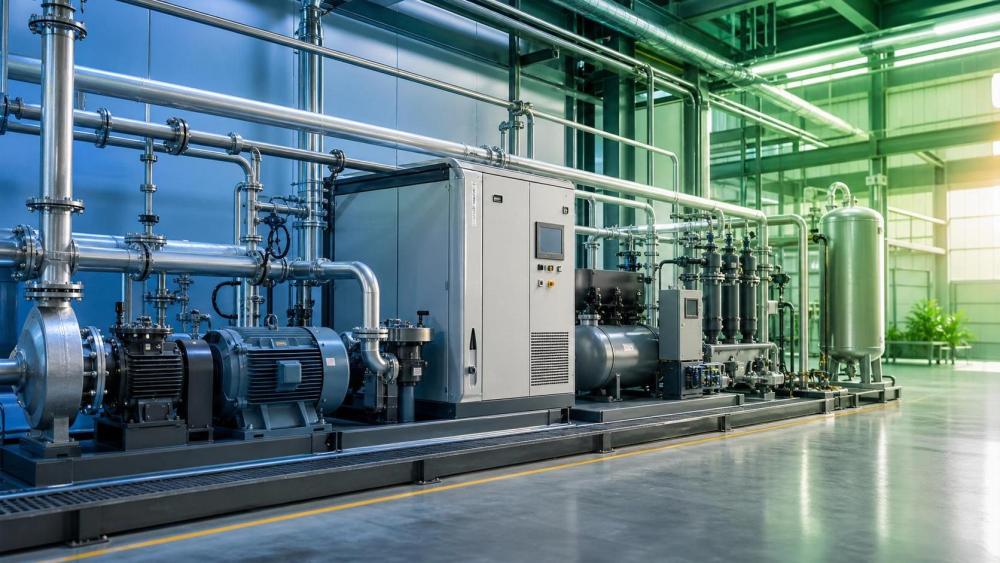
Across recent industrial decarbonization case studies, the winning pattern is consistent. Results came from specific equipment trains, clear baselines, and operating data that connected energy use to process performance.
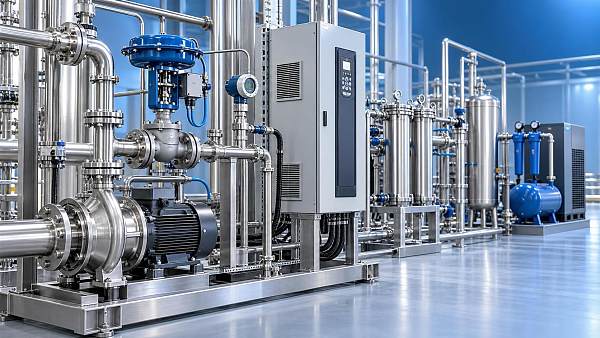
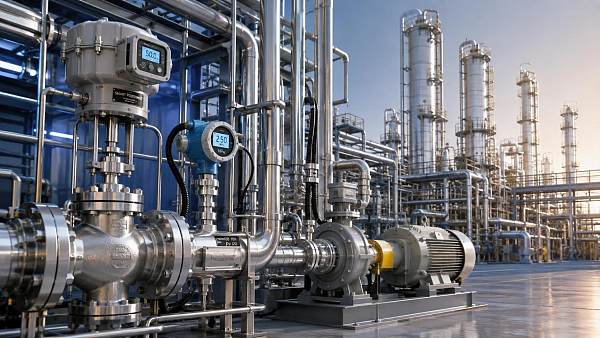
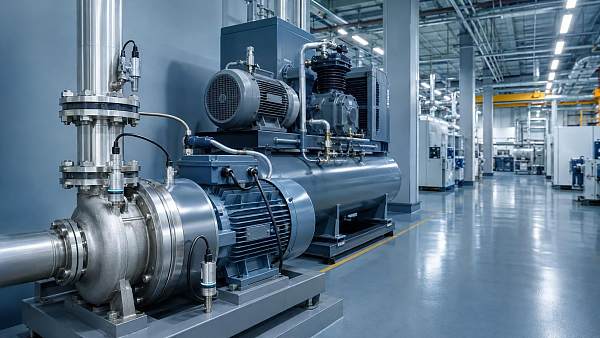
In process industries, fluid handling assets often determine a large share of avoidable energy waste. Centrifugal pumps, air compressors, pneumatic control valves, and filtration units are not side issues. They are core drivers of plant efficiency.
This is also where FCSM’s industry lens becomes relevant. Its focus on pumps, valves, compressors, and separation systems reflects where decarbonization frequently becomes practical rather than symbolic.
The measurable cases usually shared four traits. They targeted continuous loads, reduced throttling or recirculation losses, added better digital visibility, and protected reliability while lowering energy intensity.
Why fluid and gas systems dominate decarbonization economics
Many facilities still chase carbon through isolated reporting exercises. Yet the faster gains often sit in electromechanical systems that run every hour. That includes pumping, compressed air, process control, and water treatment.
A pump operating away from its best efficiency point can waste energy continuously. A poorly tuned valve can force upstream equipment into unstable behavior. A compressed air network with leakage or bad sequencing silently inflates power demand.
Industrial decarbonization case studies show that these losses are rarely small. They accumulate across shifts, product lines, and utility bills. They also increase maintenance exposure, making carbon reduction and reliability improvement tightly linked.
For this reason, the most credible programs do not separate energy teams from operations. They treat decarbonization as an engineering and production issue, supported by financial discipline.
Case patterns that delivered measurable results
The strongest industrial decarbonization case studies usually fall into several repeatable categories. Each one addresses a major source of waste inside process infrastructure.
Pump system optimization
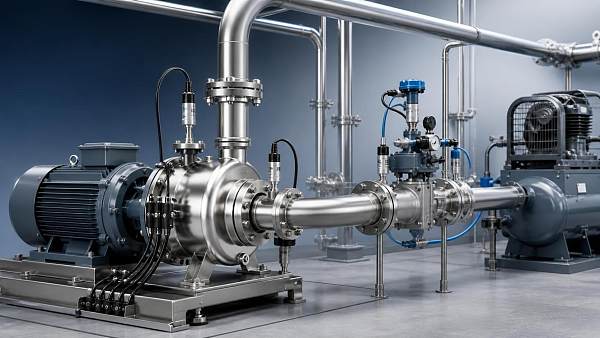
In water, chemicals, power, and refining, pump retrofits often produced double-digit energy reductions. The biggest gains came from right-sizing, variable speed control, hydraulic redesign, and lower leakage sealing arrangements.
The important point is not simply replacing an old pump. Results improved when teams studied cavitation risk, flow variability, suction conditions, and real duty cycles. FCSM’s emphasis on hydraulic behavior is directly aligned with that requirement.
Compressed air system upgrades
Air compressor projects regularly appear in industrial decarbonization case studies because the savings are both visible and fast. Permanent magnet variable frequency drives, two-stage compression, leak management, and better storage control reduced power use without harming output.
The lesson is that compressor efficiency should be judged at system level. A premium machine can underperform inside a poorly sequenced network. Good projects fixed demand-side misuse and pressure instability at the same time.
Smart control valve modernization
Valves rarely lead public carbon discussions, yet they affect plant behavior everywhere. Case evidence shows that modern trim design, accurate positioners, and tighter control logic can reduce oscillation, overpressure, and wasted utility consumption.
Where severe service exists, the gains are larger. Better valve performance means less rework, fewer shutdowns, and lower steam, air, or pumping demand caused by unstable control loops.
Filtration and separation improvements
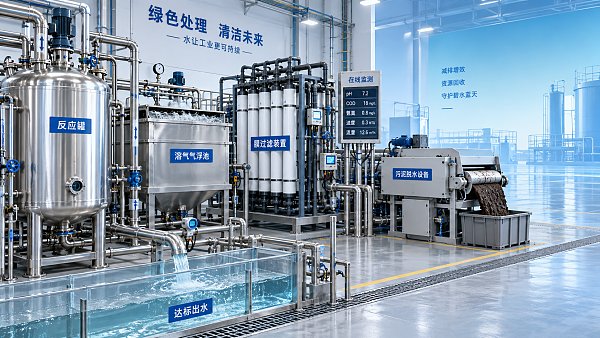
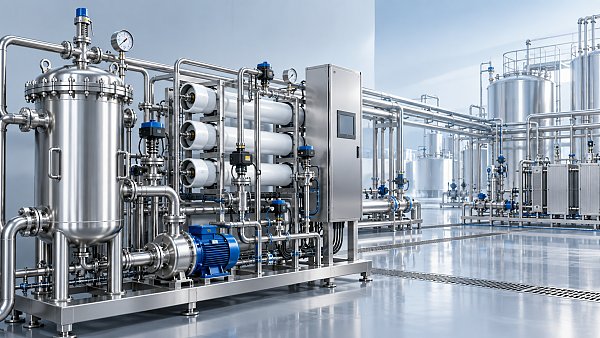
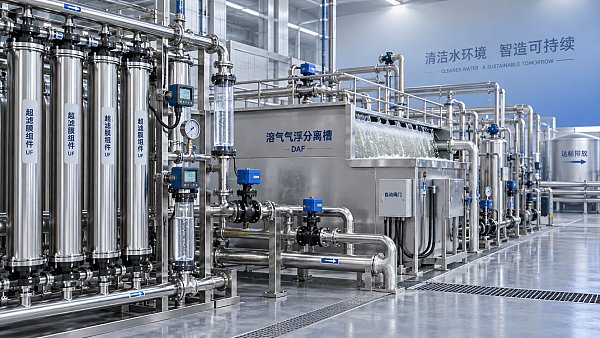
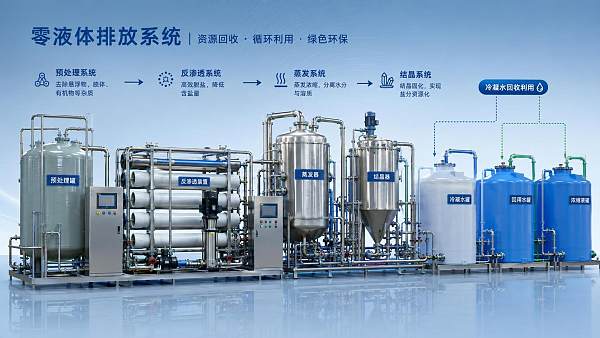
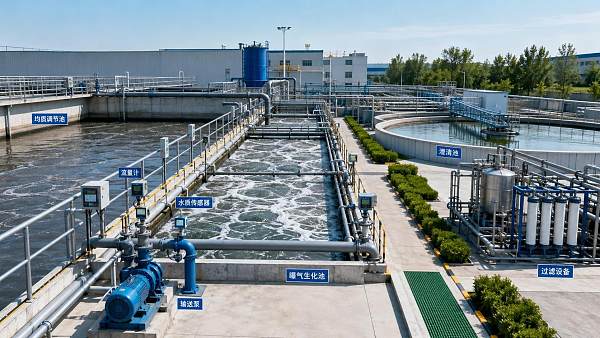
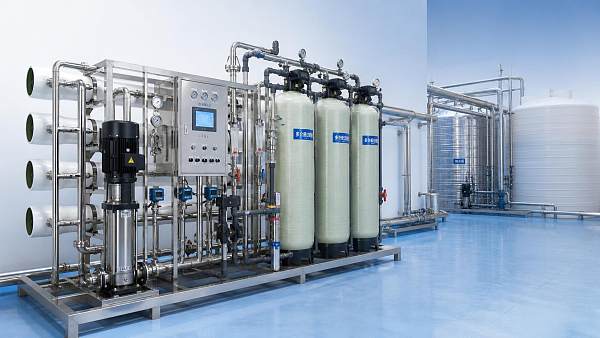
In sectors facing water stress and discharge limits, filtration and separation upgrades delivered dual value. They lowered treatment energy while improving water recovery, chemical usage, and compliance confidence.
That is especially relevant in ZLD strategies, municipal reuse, mining, and food processing. Stronger membrane design, staged filtration, and smarter pump integration often outperformed broad, capital-heavy rebuilds.
What separates meaningful metrics from good headlines
Not every decarbonization claim deserves equal weight. Industrial decarbonization case studies are most useful when they quantify performance against a real operating baseline and show whether gains held over time.
The following metrics tend to matter most:
- Specific energy consumption per unit of production or treated volume.
- Absolute and intensity-based emissions reduction.
- Availability, mean time between failures, and maintenance burden.
- Pressure stability, flow control quality, and product consistency.
- Water recovery, leakage reduction, and utility cost savings.
A useful case also explains boundaries. Did savings come from one asset, a full line redesign, or production slowdown? Were results seasonal? Were they sustained after six or twelve months?
How to read industrial decarbonization case studies in practice
A case study becomes decision-ready only when its context matches operational reality. Similar equipment names do not guarantee similar outcomes. Duty profile, fluid properties, ambient conditions, maintenance maturity, and utility pricing all matter.
That is why broad vendor claims often need deeper technical checking. FCSM’s intelligence model is useful here because it connects commercial choices to cavitation behavior, thermodynamic efficiency, valve noise, and material constraints.
In practical terms, it helps to screen every case through five questions:
- Was the baseline measured or estimated?
- Did the project improve both energy and process stability?
- Were maintenance risks reduced, unchanged, or shifted elsewhere?
- Can the same logic scale across multiple sites or lines?
- Does regulation or tender pressure increase the value of acting now?
Where the next wave of value is emerging
The next generation of industrial decarbonization case studies will likely come from combined strategies rather than isolated upgrades. Digital monitoring, predictive maintenance, and energy-efficient machinery are converging into one operating model.
For example, a pump retrofit becomes more valuable when paired with condition monitoring and control logic updates. A compressor upgrade becomes more durable when linked to leak analytics and production scheduling. A filtration project becomes stronger when water recovery is tied to site-level carbon accounting.
This is where strategic intelligence matters. Global motor regulations, material supply risks, and tighter customer disclosure standards are changing replacement timing. Delayed action may increase both capital cost and competitive exposure.
A practical next step
The most useful response to industrial decarbonization case studies is not imitation. It is disciplined comparison. Start with the systems that run continuously, consume the most power, or create the most instability in production.
Then build a short review around pumps, compressors, valves, and separation assets. Map current performance, identify off-design operation, and test where efficiency projects also improve reliability and compliance.
That approach turns decarbonization from a reporting obligation into an engineering priority with visible business value. The case studies that matter most are the ones that can survive that level of scrutiny.
Related News
 What drives industrial wastewater treatment cost per cubic meter?Dr. Alistair VaughnIndustrial wastewater treatment cost per cubic meter depends on influent load, effluent targets, energy, technology, and sludge disposal. Explore the key cost drivers.
 How to verify CE compliance for fluid separation equipmentDr. Alistair VaughnFluid separation equipment CE verification made practical: learn how to check declarations, risk assessments, technical files, pressure safety, and installation readiness.
 Separation equipment trends reshaping industrial wastewater treatmentDr. Alistair VaughnSeparation equipment trends are reshaping industrial wastewater treatment through smarter membranes, modular systems, digital monitoring, and resource recovery strategies.
 When stainless steel separation equipment is the right choice for hygienic processesDr. Alistair VaughnStainless steel separation equipment: discover when hygienic design, corrosion resistance, CIP cleanability, and lifecycle reliability make it the smart choice.
 What to assess before choosing a process industry automation supplierDr. Alistair VaughnChoose a process industry automation supplier with confidence. Assess engineering depth, lifecycle reliability, digital integration, energy performance, and safety before you buy.
 How process control innovation in refineries reduces unplanned shutdownsDr. Alistair VaughnDiscover how process control innovation in refineries detects early deviations, improves valve and equipment reliability, and helps prevent costly unplanned shutdowns.
 What should a zero liquid discharge systems integrator include in its proposal?Dr. Alistair VaughnZero liquid discharge systems integrator proposal checklist: compare guarantees, utilities, scope, controls, waste handling, and lifecycle risk before award.
 Industrial wastewater treatment plant design: sizing for flow and loadDr. Alistair VaughnIndustrial wastewater treatment plant design guide: size systems for peak flow, pollutant loads, reliability, compliance, and lower lifecycle costs.
 Can predictive maintenance and machinery diagnostics prevent downtime?Dr. Alistair VaughnPredictive maintenance machinery diagnostics help reduce unplanned downtime by detecting early equipment issues, improving reliability, and enabling smarter maintenance decisions.
 Can a digital transformation machinery platform cut unplanned downtime?Dr. Alistair VaughnDiscover how a digital transformation machinery platform connects asset data, maintenance workflows, and process insights to reduce unplanned downtime.
 How water treatment equipment sizing affects operating costsDr. Alistair VaughnWater treatment equipment sizing shapes energy, chemical, and maintenance costs. Learn how to balance flow, pressure, recovery, and reliability for efficient operation.
 When does food processing automation justify the upfront investment?Dr. Alistair VaughnIndustrial automation solutions for food processing: discover when automation delivers measurable ROI through higher throughput, lower waste, reliable utilities, and stronger food safety control.