Industrial Decarbonization: Cost, Risk, and ROI in 2026




Industrial Decarbonization in 2026: why cost and ROI now dominate the conversation
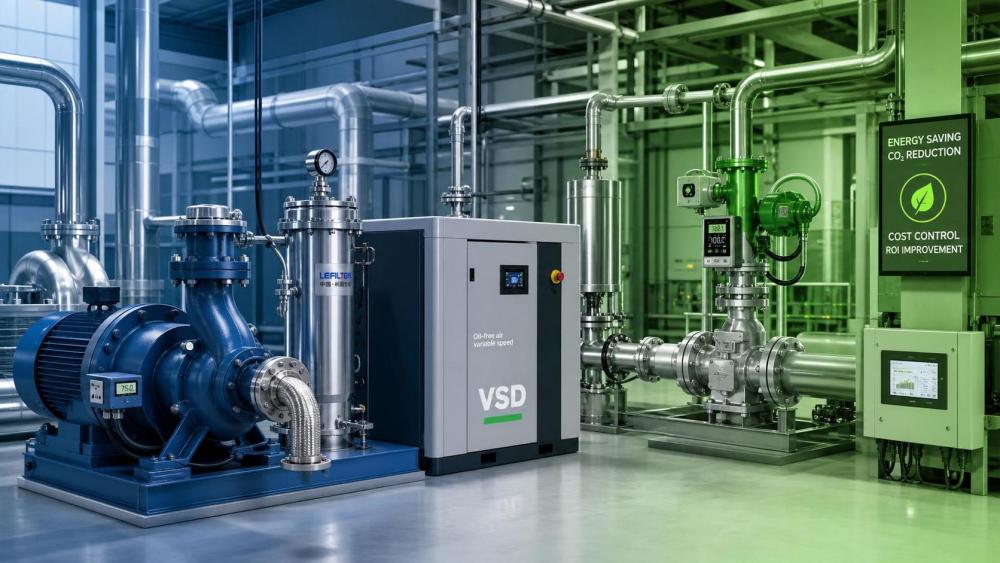
Industrial decarbonization in 2026 is less about slogans and more about capital discipline. Energy prices remain volatile, carbon rules are tightening, and downtime still destroys margins.
That changes how projects are judged. Emissions matter, but the real decision usually turns on lifecycle cost, operating risk, and payback visibility.
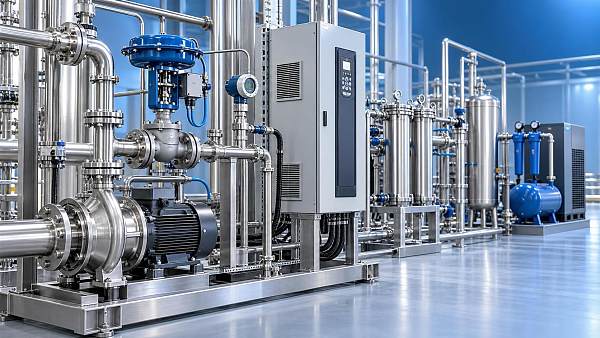
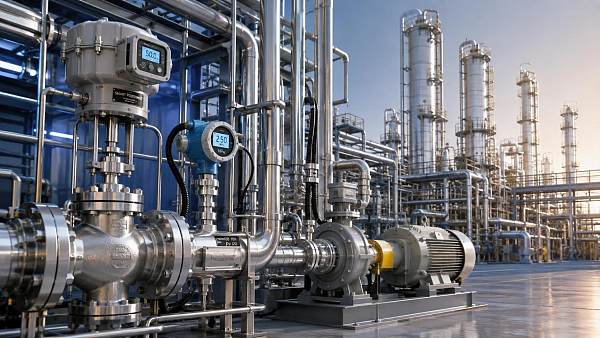
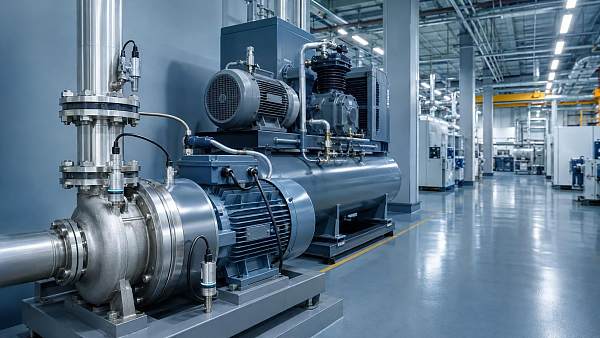
In fluid-intensive industries, the biggest gains often hide inside familiar assets. Pumps, control valves, compressors, and separation systems shape power use, reliability, and compliance every day.
This is where industrial decarbonization becomes practical. A plant does not need to replace everything at once. It needs to know which systems waste energy, where risk sits, and what upgrades pay back fastest.
FCSM tracks this space closely through its intelligence work on fluid machinery, process control, efficiency regulation, and digital operations. That perspective matters because decarbonization decisions are rarely isolated equipment purchases.
They are operating model decisions. They touch procurement timing, maintenance planning, tender strategy, and resilience against supply-chain or regulatory shocks.
What does industrial decarbonization really mean at plant level?
At plant level, industrial decarbonization means reducing emissions without weakening throughput, safety, or product quality. The practical question is not abstract carbon reduction. It is where carbon and energy losses are physically created.
In many process facilities, those losses come from motor inefficiency, compressed air leakage, poor valve control, pump oversizing, cavitation, thermal waste, and water treatment rework.
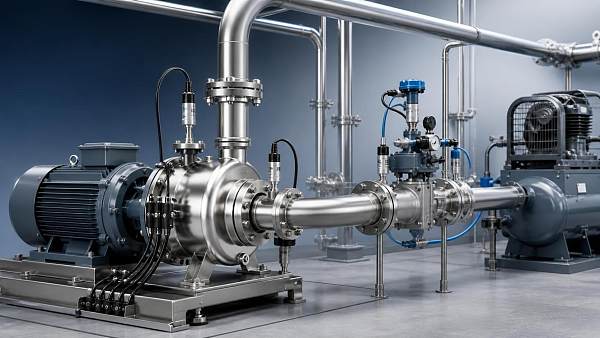
That is why general machinery deserves attention. Industrial centrifugal pumps move massive volumes. Smart pneumatic control valves determine stable throttling. Air compressor systems often rank among the largest electricity users. Filtration and separation units affect water reuse and discharge cost.
A workable industrial decarbonization plan usually combines three layers:
- Operational fixes, such as pressure optimization, leak reduction, and control tuning.
- Equipment upgrades, including variable-speed pumps, efficient compressors, and better valve positioners.
- Data-led management, using monitoring, predictive maintenance, and process benchmarking.
Simple upgrades can deliver strong carbon results when they target continuous-load assets. In actual operations, efficiency and uptime often improve together.
Which systems usually deliver the fastest ROI?
The fastest returns often come from systems with long operating hours and stable demand. That makes compressors, pumps, and control-heavy flow networks common starting points for industrial decarbonization.
Compressed air is a classic example. A modern permanent magnet variable-frequency compressor, combined with leak management and pressure reset, can cut power consumption without process disruption.
Pumping systems also offer strong economics. Many are oversized for old design assumptions. When impeller trimming, drive control, or hydraulic redesign is applied correctly, energy reduction can be material.
Control valves are less obvious, but often just as important. Poor valve authority, unstable throttling, and noise near critical flow conditions create waste, maintenance burden, and process variation.
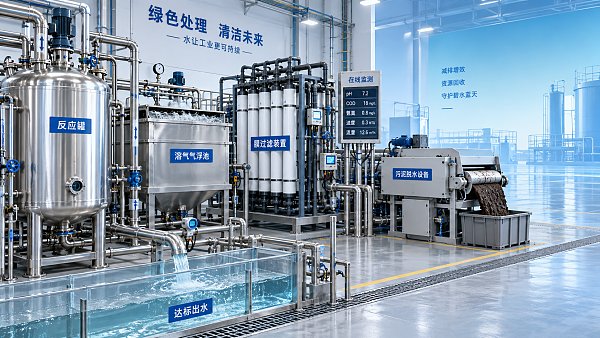
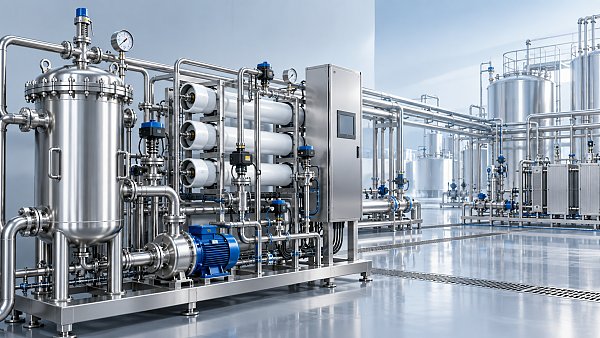
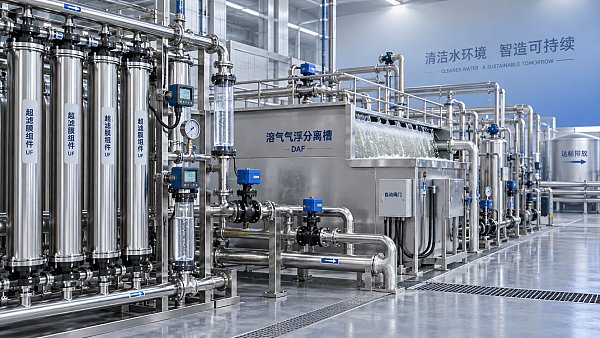
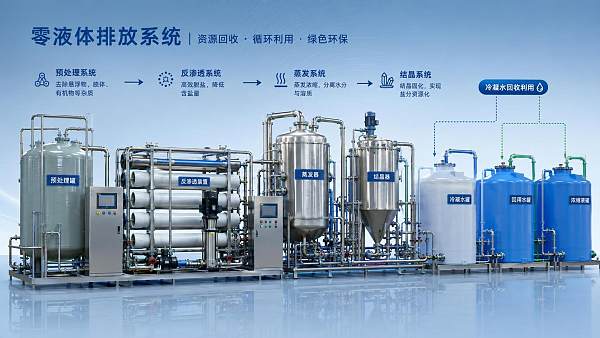
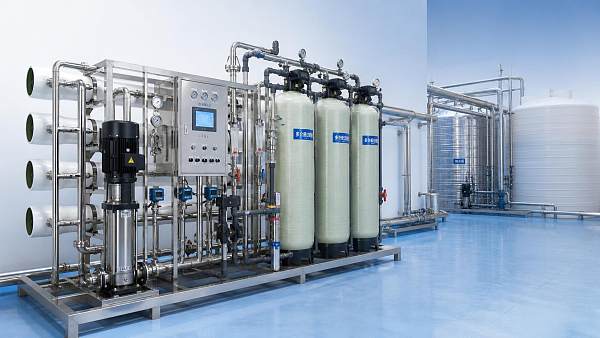
Separation and water systems matter when discharge rules are strict. Better filtration, membrane performance, and ZLD-related process control can reduce energy, chemical use, and environmental liability together.
A quick comparison helps frame the opportunity:
The table is useful because industrial decarbonization rarely has one universal winner. The best target depends on runtime, energy intensity, failure cost, and compliance pressure.
How should cost be evaluated beyond the purchase price?
This is where many decisions go wrong. A low acquisition cost can still produce a poor industrial decarbonization outcome if energy draw, spare parts, and downtime remain high.
A better method is total cost of ownership. That means looking at capital cost, installation impact, annual power use, maintenance frequency, process losses, and expected service life.
In fluid systems, hidden costs accumulate quickly. Cavitation in pumps shortens equipment life. Incorrect valve sizing increases noise and trim wear. Poor compressor control creates recurring energy penalties every hour.
More advanced buyers also include carbon cost exposure. Even where direct carbon pricing is limited, tender requirements, customer reporting, and financing terms are increasingly linked to emissions intensity.
A practical review should cover five checkpoints:
- Baseline energy consumption per operating hour or per unit output.
- Failure history and maintenance labor on the target system.
- Process sensitivity to pressure, flow, temperature, or water quality variation.
- Installation window, commissioning complexity, and production interruption risk.
- Expected ROI under conservative and stressed energy-price scenarios.
FCSM’s intelligence approach is relevant here because machinery choices should be informed by both engineering behavior and market signals. Efficiency regulation, special alloy pricing, and replacement demand all affect real project cost.
Where does risk usually sit in industrial decarbonization projects?
The biggest risk is assuming a carbon project is only an energy project. In reality, industrial decarbonization can fail because of process instability, poor system integration, or unrealistic savings models.
One common mistake is replacing equipment without understanding duty conditions. A high-efficiency pump can still underperform if suction conditions, fluid properties, or control logic remain unchanged.
Another risk appears in compressed air retrofits. Lowering pressure saves energy, but it can also expose weak end-use design if sequencing, storage, and demand peaks were never mapped properly.
Valve upgrades carry their own risks. Smart positioners improve control, yet the real result depends on trim selection, actuator sizing, and how the valve behaves near critical velocities.
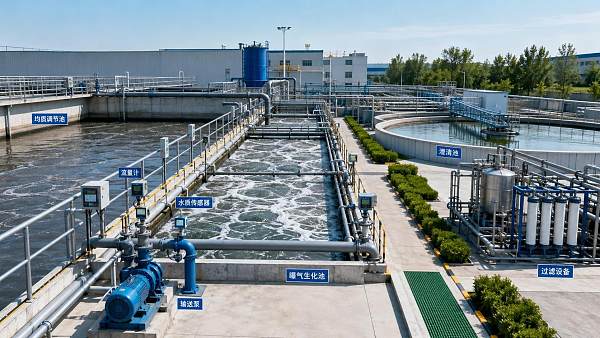
In water and wastewater systems, membrane upgrades may promise efficiency but create fouling or cleaning issues if feed conditions are unstable. The decarbonization case has to survive daily operating reality.
A useful way to reduce risk is to test assumptions before full rollout:
- Validate current duty points with measured data, not legacy design files.
- Model interaction between mechanical changes and control logic.
- Separate guaranteed savings from estimated savings.
- Check spare-parts access and supplier support for critical equipment.
What is a realistic ROI timeline in 2026?
There is no single answer, but most industrial decarbonization projects fall into three bands. Quick operational improvements can pay back within months. Equipment retrofits often need one to three years. Complex process redesign takes longer.
The strongest short-cycle cases usually involve energy-intensive utilities. Compressors, variable-speed drives, and control optimization regularly rank well because the savings begin immediately after stable commissioning.
Mid-range ROI often comes from pump upgrades, valve train redesign, and advanced separation improvements. These projects need more engineering, but they also reduce maintenance events and quality loss.
Longer payback does not mean weak value. Some industrial decarbonization investments are justified because they reduce compliance risk, extend asset life, or support premium positioning in low-carbon supply chains.
More credible business cases usually combine three metrics:
- Direct savings in power, fuel, water, and chemicals.
- Avoided loss from failures, rework, and unplanned shutdowns.
- Strategic value from compliance readiness and customer qualification.
When those are tracked together, industrial decarbonization becomes easier to defend internally. The project stops looking like a sustainability expense and starts reading like operating risk management.
How should the next move be prioritized?
A sensible next move starts with ranking assets by energy intensity, criticality, and control quality. That usually reveals where industrial decarbonization can produce the fastest financial and operational gain.
Then compare three layers at the same time: equipment efficiency, process stability, and implementation friction. A project with moderate savings but low disruption may beat a larger project with difficult shutdown needs.
For fluid-heavy operations, it helps to review pump hydraulics, compressor load profile, valve behavior, and separation bottlenecks as one system. FCSM’s sector intelligence is valuable in that context because technical performance and market timing often move together.
The most useful action plan is usually straightforward:
- Measure current energy and reliability baselines on critical fluid systems.
- Shortlist projects with visible savings and manageable installation risk.
- Test ROI using conservative assumptions, not best-case estimates.
- Track regulation, materials supply, and equipment replacement cycles before final commitment.
In 2026, industrial decarbonization is a discipline of better choices. The best projects lower emissions, but they also protect uptime, sharpen efficiency, and improve decision quality long after the retrofit is finished.
Related News
 What drives industrial wastewater treatment cost per cubic meter?Dr. Alistair VaughnIndustrial wastewater treatment cost per cubic meter depends on influent load, effluent targets, energy, technology, and sludge disposal. Explore the key cost drivers.
 How to verify CE compliance for fluid separation equipmentDr. Alistair VaughnFluid separation equipment CE verification made practical: learn how to check declarations, risk assessments, technical files, pressure safety, and installation readiness.
 Separation equipment trends reshaping industrial wastewater treatmentDr. Alistair VaughnSeparation equipment trends are reshaping industrial wastewater treatment through smarter membranes, modular systems, digital monitoring, and resource recovery strategies.
 When stainless steel separation equipment is the right choice for hygienic processesDr. Alistair VaughnStainless steel separation equipment: discover when hygienic design, corrosion resistance, CIP cleanability, and lifecycle reliability make it the smart choice.
 What to assess before choosing a process industry automation supplierDr. Alistair VaughnChoose a process industry automation supplier with confidence. Assess engineering depth, lifecycle reliability, digital integration, energy performance, and safety before you buy.
 How process control innovation in refineries reduces unplanned shutdownsDr. Alistair VaughnDiscover how process control innovation in refineries detects early deviations, improves valve and equipment reliability, and helps prevent costly unplanned shutdowns.
 What should a zero liquid discharge systems integrator include in its proposal?Dr. Alistair VaughnZero liquid discharge systems integrator proposal checklist: compare guarantees, utilities, scope, controls, waste handling, and lifecycle risk before award.
 Industrial wastewater treatment plant design: sizing for flow and loadDr. Alistair VaughnIndustrial wastewater treatment plant design guide: size systems for peak flow, pollutant loads, reliability, compliance, and lower lifecycle costs.
 Can predictive maintenance and machinery diagnostics prevent downtime?Dr. Alistair VaughnPredictive maintenance machinery diagnostics help reduce unplanned downtime by detecting early equipment issues, improving reliability, and enabling smarter maintenance decisions.
 Can a digital transformation machinery platform cut unplanned downtime?Dr. Alistair VaughnDiscover how a digital transformation machinery platform connects asset data, maintenance workflows, and process insights to reduce unplanned downtime.
 How water treatment equipment sizing affects operating costsDr. Alistair VaughnWater treatment equipment sizing shapes energy, chemical, and maintenance costs. Learn how to balance flow, pressure, recovery, and reliability for efficient operation.
 When does food processing automation justify the upfront investment?Dr. Alistair VaughnIndustrial automation solutions for food processing: discover when automation delivers measurable ROI through higher throughput, lower waste, reliable utilities, and stronger food safety control.