Industrial Decarbonization Solutions That Cut Energy Risk




Industrial decarbonization solutions are no longer optional for manufacturers balancing cost, compliance, and operational resilience. For business evaluators, the real opportunity lies in technologies that reduce emissions while lowering energy risk across pumps, valves, compressors, and separation systems. This article explores how data-driven fluid control strategies can strengthen efficiency, support low-carbon investment decisions, and create long-term value in modern process industries.
What Business Evaluators Really Need From Industrial Decarbonization Solutions
When buyers search for industrial decarbonization solutions, they usually are not looking for climate theory. They want practical options that reduce exposure to energy price volatility, regulatory pressure, and inefficient assets.
For business evaluators, the key question is simple: which upgrades create measurable operational value without adding unacceptable technical or financial risk. Decarbonization only gains approval when it also strengthens uptime, efficiency, and investment resilience.
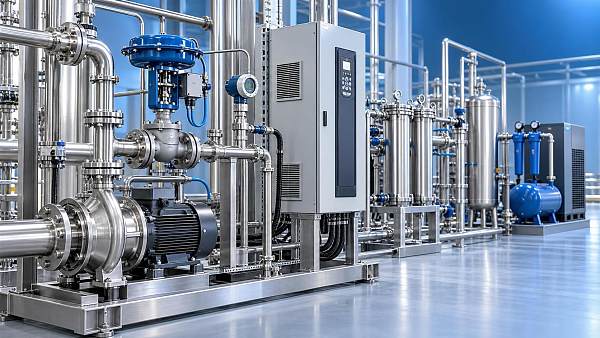
That is why fluid and gas systems deserve priority attention. Pumps, control valves, compressors, and separation equipment often account for a large share of electricity use, process instability, and avoidable carbon intensity.
In many industrial plants, energy risk does not come from one dramatic failure. It builds quietly through oversized pumps, compressed air leaks, unstable throttling, poor pressure management, and filtration systems running far from design efficiency.
The strongest decarbonization strategy therefore starts with equipment-level intelligence. Instead of treating carbon reduction as a separate sustainability program, leading operators connect it directly to energy productivity, lifecycle cost, and process reliability.
Why Fluid Control Systems Sit at the Center of Energy Risk
Energy risk in process industries is often hidden inside routine mechanical decisions. A pump running off its best efficiency point, a compressor cycling inefficiently, or a valve creating excessive pressure loss can raise both operating cost and carbon output.
These losses are especially important in sectors with continuous production, such as chemicals, water treatment, food processing, power, metals, and refining. Small efficiency gaps become large financial exposures when equipment runs around the clock.
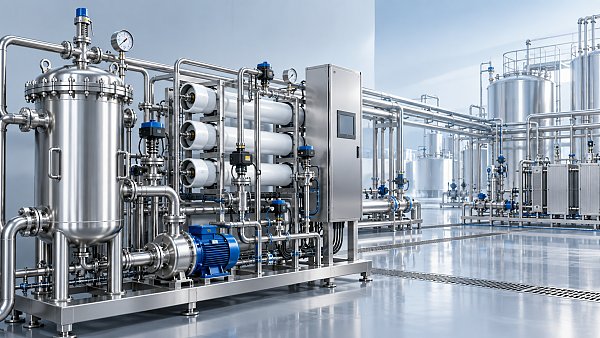
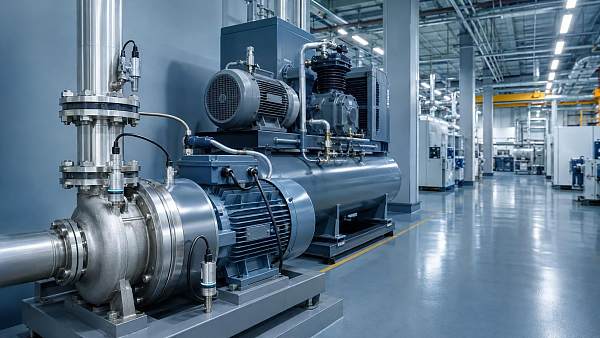
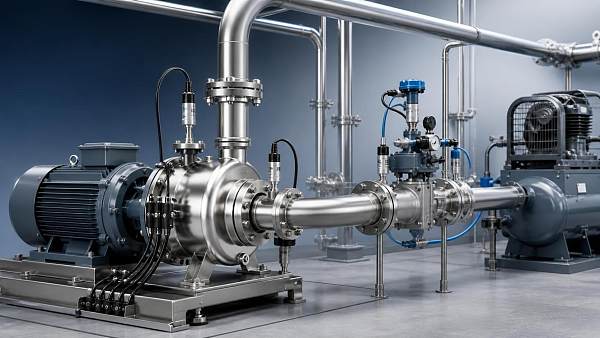
Industrial centrifugal pumps are a common example. They are essential to moving liquids through plants, yet many installed units are oversized, poorly controlled, or selected without enough attention to cavitation, load variation, and system resistance.
Air compressor systems create another major opportunity. Compressed air is useful, but it is also one of the most expensive utilities in manufacturing. Energy waste from leaks, part-load operation, and poor heat recovery can be severe.
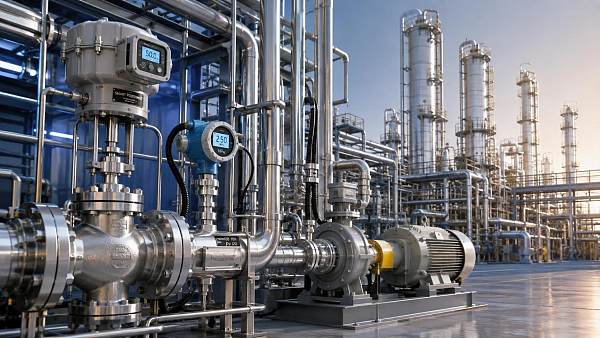
Smart pneumatic control valves also influence decarbonization outcomes more than many procurement teams expect. Precise control reduces unnecessary flow, pressure instability, rework, and thermal inefficiency across interconnected production systems.
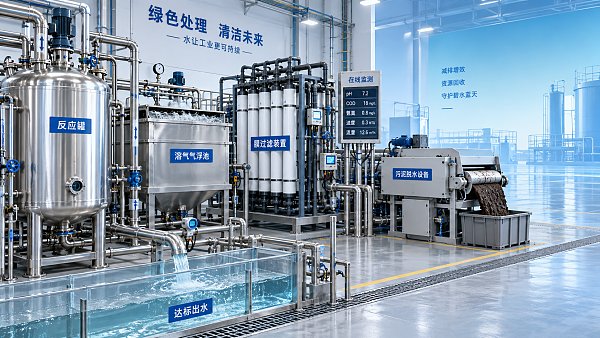
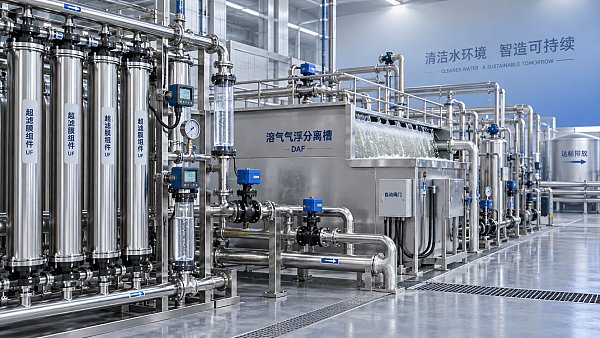
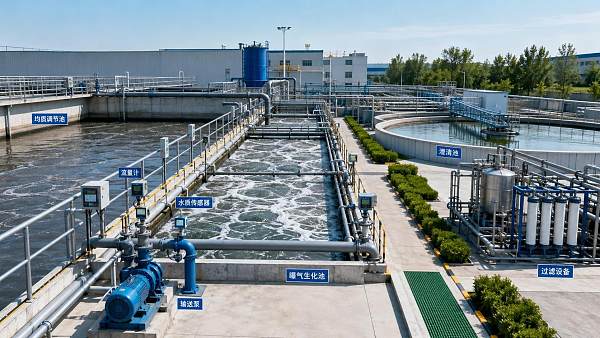
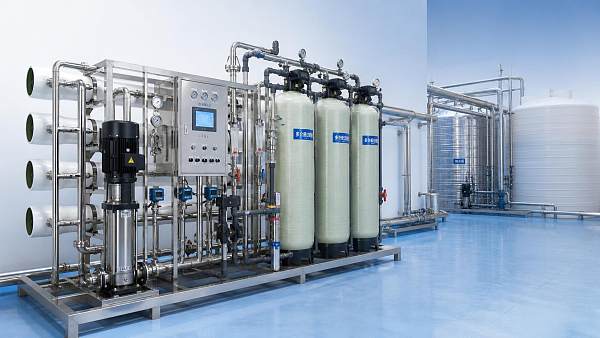
Filtration and separation systems matter as well. Fouling, membrane degradation, and inefficient solids handling increase pumping load, maintenance frequency, and water-energy consumption. In water-stressed regions, those issues also raise strategic business risk.
How to Evaluate Solutions That Cut Emissions and Lower Energy Risk
Not every low-carbon upgrade delivers the same business case. Evaluators need a framework that goes beyond headline efficiency claims and tests whether a solution improves total operating performance under real plant conditions.
The first criterion is verifiable energy reduction. Suppliers should show how the proposed equipment performs across actual load ranges, not only at ideal design points. Variable demand conditions often determine real savings.
The second criterion is process stability. Equipment that saves energy but increases trip risk, control problems, or maintenance complexity may weaken the business case. Reliable decarbonization should improve operational confidence, not reduce it.
Third, assess lifecycle economics rather than purchase price alone. Many high-efficiency pumps, compressors, and valve packages have stronger long-term returns because energy, downtime, and maintenance costs outweigh initial capital differences.
Fourth, examine digital visibility. Good industrial decarbonization solutions increasingly include sensors, controls, and diagnostics that reveal energy intensity, degradation patterns, and performance drift before they become expensive problems.
Finally, consider strategic fit. The best project is not always the most advanced technology. It is the one aligned with plant constraints, utility costs, carbon targets, maintenance capability, and expected regulatory direction.
Where the Highest-Value Opportunities Usually Appear First
For many facilities, the best starting point is not full electrification or major process redesign. It is targeted optimization of core fluid machinery that already consumes large amounts of power every day.
Pump system optimization often produces fast results. Typical actions include right-sizing, impeller trimming, variable frequency drive integration, hydraulic redesign, seal improvement, and better control logic to avoid wasteful recirculation or throttling.
These measures can lower electricity use while also reducing vibration, cavitation, and seal failures. For evaluators, that combination is powerful because it turns a carbon project into a reliability and maintenance improvement program.
Compressor optimization is another high-return category. Permanent magnet variable speed systems, two-stage compression, demand matching, leak management, and heat recovery can significantly reduce both energy cost and carbon intensity.
In plants with large compressed air demand, even modest efficiency gains can create strong payback. That is especially true where electricity prices are volatile or where decarbonization reporting is becoming part of customer qualification.
Control valve modernization also deserves attention. Smart positioners, better valve sizing, low-noise trims, and improved actuator response can stabilize process conditions and reduce unnecessary pressure drops that force upstream equipment to work harder.
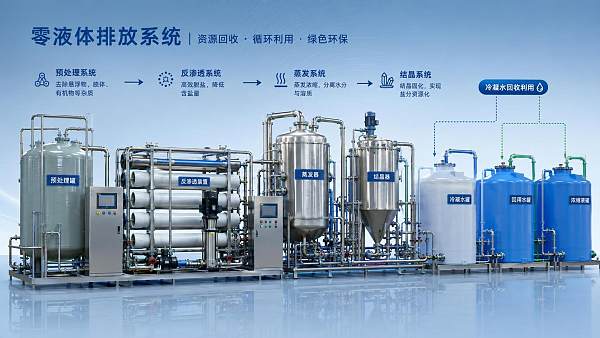
Separation systems offer additional value in sectors facing water reuse targets or zero liquid discharge pressure. Better membranes, cleaner hydraulics, and predictive fouling management reduce both specific energy consumption and operational uncertainty.
What Evidence Reduces Investment Doubt During Supplier Evaluation
Business evaluators are often asked to approve technically complex projects with incomplete certainty. The most useful supplier evidence is therefore evidence that connects engineering performance to financial and operational outcomes.
Start with application-specific benchmarking. A credible provider should explain how similar sites improved efficiency, reduced emissions, or stabilized process control under comparable flow rates, pressures, media conditions, and duty cycles.
Next, request performance curves and system-level modeling. For pumps, this may include best efficiency point analysis, cavitation margins, and expected energy draw at different loads. For compressors, part-load maps are especially important.
Digital monitoring capability should also be reviewed carefully. If a vendor cannot help the plant measure baseline performance and verify post-upgrade results, claimed savings may be difficult to defend internally.
Maintenance implications matter too. A solution that requires scarce skills, long lead times for parts, or frequent calibration may introduce hidden cost. Evaluators should ask how the project affects service intervals, spare strategy, and uptime.
Finally, check resilience against future standards. Equipment aligned with tougher motor efficiency rules, emissions disclosure expectations, and digital reporting requirements will usually hold value better than minimally compliant alternatives.
Common Mistakes That Weaken Decarbonization Business Cases
One frequent mistake is treating decarbonization as an isolated sustainability purchase. Projects gain stronger support when they are framed as protection against energy price risk, maintenance exposure, and process inefficiency.
Another mistake is focusing on component efficiency without examining system interaction. A highly efficient pump or compressor may still waste energy if controls, piping resistance, valve strategy, or demand behavior remain unchanged.
Some companies also underestimate data quality problems. If baseline power use, flow, pressure, and duty cycle data are weak, the project team may overstate savings or select equipment that does not match actual operating conditions.
Short payback thresholds can create another barrier. While fast-return projects are attractive, some of the most strategic industrial decarbonization solutions deliver value through avoided future risk, not only immediate utility savings.
There is also a tendency to ignore operator adoption. Even strong technology can underperform if plant teams are not trained to use new controls, interpret diagnostics, or maintain equipment according to updated requirements.
How Digital Intelligence Strengthens Low-Carbon Decision Making
Decarbonization decisions become more defensible when supported by continuous operational intelligence. This is where digital fluid control and machinery analytics can create value beyond simple equipment replacement.
Condition monitoring helps plants identify underperforming assets before failure or excessive energy loss occurs. In pumps, vibration, temperature, pressure, and motor data can reveal cavitation, misalignment, or hydraulic mismatch early.
For compressors, analytics can track load-unload behavior, specific power, dew point performance, and leak signatures. That makes it easier to separate true equipment issues from avoidable demand-side waste.
Smart valve diagnostics support tighter process control and more stable energy use. Position deviation, hysteresis, cycle count, and response speed data can indicate where throttling losses or control instability are undermining efficiency.
These insights matter to evaluators because they improve capital allocation. Instead of replacing assets broadly, companies can prioritize the systems with the highest combined impact on energy use, emissions, uptime, and compliance risk.
Digital verification also strengthens post-project accountability. Measured results make it easier to validate return on investment, report emissions progress, and build internal confidence for larger decarbonization programs later.
What a Strong Decision Framework Looks Like for Modern Process Industries
A useful evaluation framework should rank projects using both financial and operational criteria. Energy savings alone are important, but they should be considered alongside reliability, safety, water impact, maintainability, and strategic flexibility.
One practical approach is to score each opportunity across five dimensions: baseline inefficiency, savings confidence, implementation complexity, downtime risk, and future regulatory value. This helps compare different equipment categories objectively.
Projects with high energy waste and low implementation disruption often deserve first approval. Examples may include compressor leak programs, pump variable speed retrofits, valve control upgrades, and filtration optimization supported by monitoring.
More complex initiatives can follow after early wins establish data credibility and organizational momentum. This staged model is often more effective than trying to launch a broad plant decarbonization program all at once.
For multinational or export-focused manufacturers, supplier credibility also matters. Equipment partners with strong technical documentation, global service support, and compliance knowledge can reduce execution risk in international operating environments.
In this context, industrial decarbonization solutions should be viewed as capability-building investments. They improve the plant’s ability to respond to energy shocks, customer pressure, environmental rules, and competitive efficiency expectations.
Conclusion: Decarbonization Is Strongest When It Also Improves Operating Resilience
For business evaluators, the most valuable industrial decarbonization solutions are not abstract carbon initiatives. They are measurable upgrades that cut energy waste, reduce operating uncertainty, and extend the competitiveness of critical assets.
Across pumps, control valves, compressors, and separation systems, the pattern is clear. Better equipment selection, smarter controls, and stronger performance visibility can lower emissions while directly reducing energy risk.
The best decisions are built on system-level analysis, lifecycle economics, and verified operational data. When those elements are in place, decarbonization becomes easier to justify because it supports both sustainability goals and core business performance.
That is the real opportunity for modern process industries: using intelligent fluid control to turn low-carbon investment into a practical engine of resilience, efficiency, and long-term industrial value.
Related News
 What drives industrial wastewater treatment cost per cubic meter?Dr. Alistair VaughnIndustrial wastewater treatment cost per cubic meter depends on influent load, effluent targets, energy, technology, and sludge disposal. Explore the key cost drivers.
 How to verify CE compliance for fluid separation equipmentDr. Alistair VaughnFluid separation equipment CE verification made practical: learn how to check declarations, risk assessments, technical files, pressure safety, and installation readiness.
 Separation equipment trends reshaping industrial wastewater treatmentDr. Alistair VaughnSeparation equipment trends are reshaping industrial wastewater treatment through smarter membranes, modular systems, digital monitoring, and resource recovery strategies.
 When stainless steel separation equipment is the right choice for hygienic processesDr. Alistair VaughnStainless steel separation equipment: discover when hygienic design, corrosion resistance, CIP cleanability, and lifecycle reliability make it the smart choice.
 What to assess before choosing a process industry automation supplierDr. Alistair VaughnChoose a process industry automation supplier with confidence. Assess engineering depth, lifecycle reliability, digital integration, energy performance, and safety before you buy.
 How process control innovation in refineries reduces unplanned shutdownsDr. Alistair VaughnDiscover how process control innovation in refineries detects early deviations, improves valve and equipment reliability, and helps prevent costly unplanned shutdowns.
 What should a zero liquid discharge systems integrator include in its proposal?Dr. Alistair VaughnZero liquid discharge systems integrator proposal checklist: compare guarantees, utilities, scope, controls, waste handling, and lifecycle risk before award.
 Industrial wastewater treatment plant design: sizing for flow and loadDr. Alistair VaughnIndustrial wastewater treatment plant design guide: size systems for peak flow, pollutant loads, reliability, compliance, and lower lifecycle costs.
 Can predictive maintenance and machinery diagnostics prevent downtime?Dr. Alistair VaughnPredictive maintenance machinery diagnostics help reduce unplanned downtime by detecting early equipment issues, improving reliability, and enabling smarter maintenance decisions.
 Can a digital transformation machinery platform cut unplanned downtime?Dr. Alistair VaughnDiscover how a digital transformation machinery platform connects asset data, maintenance workflows, and process insights to reduce unplanned downtime.
 How water treatment equipment sizing affects operating costsDr. Alistair VaughnWater treatment equipment sizing shapes energy, chemical, and maintenance costs. Learn how to balance flow, pressure, recovery, and reliability for efficient operation.
 When does food processing automation justify the upfront investment?Dr. Alistair VaughnIndustrial automation solutions for food processing: discover when automation delivers measurable ROI through higher throughput, lower waste, reliable utilities, and stronger food safety control.