Industrial Decarbonization Solutions That Cut Power Use




Where industrial decarbonization solutions start to matter most
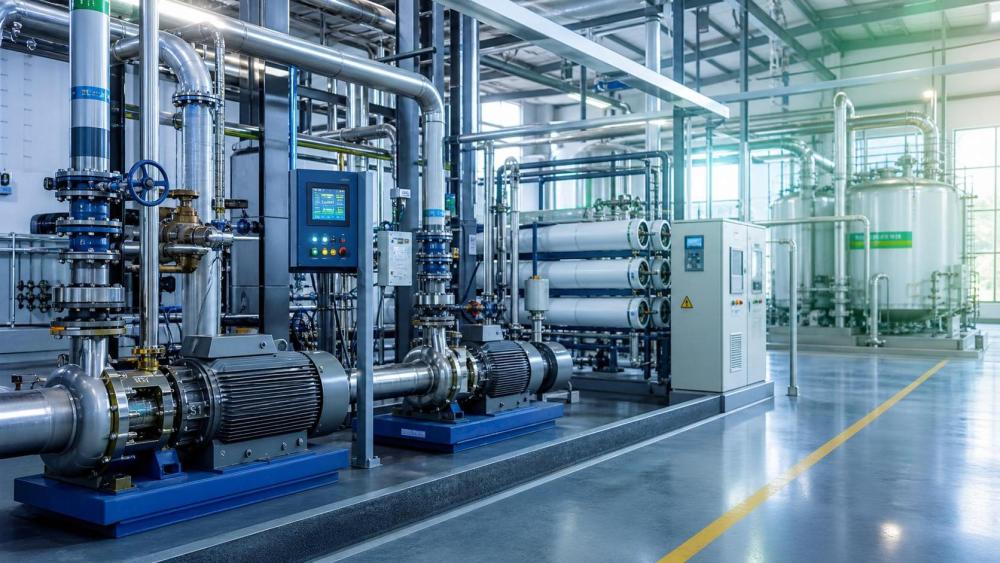
Industrial decarbonization solutions become urgent when power consumption rises faster than output, yet reliability still cannot be compromised.
In fluid-intensive operations, electricity is often hidden inside pumping, compressed air, throttling losses, and wastewater treatment.
That is why the best industrial decarbonization solutions rarely begin with a single machine replacement.
They begin with understanding where energy is converted, wasted, recirculated, or lost through unstable process control.
Across general industry, the pressure is no longer only about carbon reporting.
It is also about power cost volatility, tighter motor efficiency rules, water stress, and unplanned downtime.
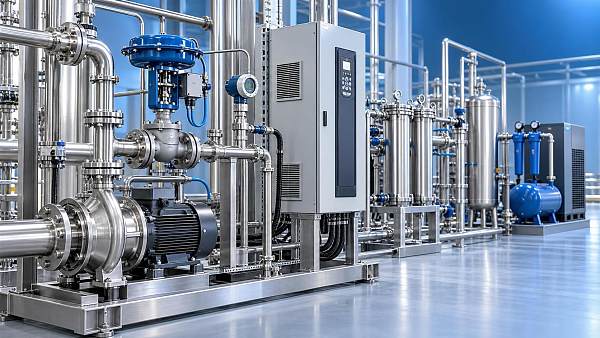
FCSM follows this shift closely because pumps, valves, compressors, and separation equipment sit at the center of daily energy use.
A plant may call it utility optimization, process intensification, or low-carbon modernization.
In practice, the decision still comes back to the same question: which industrial decarbonization solutions cut power use without weakening process stability?
Different sites waste energy for different reasons
The same equipment category can behave very differently across chemical dosing, boiler feed, air handling, desalination, or sludge treatment.
A centrifugal pump that looks efficient on paper may still waste energy if the duty point sits far from the best efficiency point.
A control valve may seem adequate until chronic throttling forces upstream pumps or compressors to work harder.
Compressed air systems often show the same pattern.
The compressor room appears modern, but leakage, poor sequencing, and wrong pressure bands quietly erase the savings.
This is where industrial decarbonization solutions need a scenario-based view rather than a catalog view.
FCSM’s intelligence model is useful here because it connects fluid dynamics, thermodynamic conversion, and control behavior instead of isolating each asset.
The result is a more practical judgement standard: not just rated efficiency, but efficiency under real load variation, fluid properties, and maintenance conditions.
When pumping systems dominate the load profile
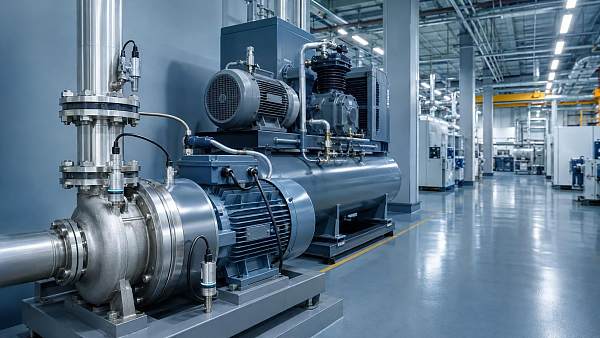
In water transfer, cooling loops, chemical circulation, and utility distribution, pumps often carry the largest continuous electrical burden.
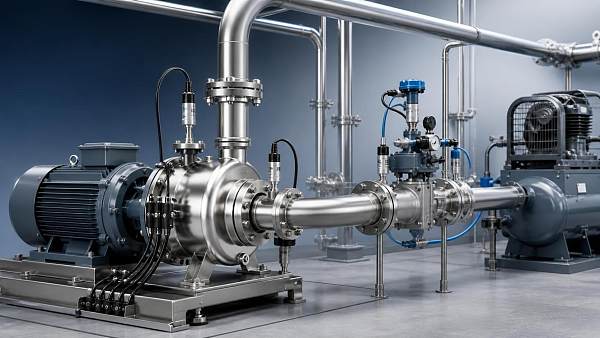
Here, industrial decarbonization solutions should focus first on hydraulic matching, not only motor nameplate upgrades.
A common issue is overdesign.
Operators compensate with bypass lines or throttling valves, which means purchased electricity is converted into avoidable pressure loss.
In these conditions, variable speed drives, impeller trimming, and duty-point correction often outperform a simple pump swap.
Where cavitation risk exists, energy and reliability cannot be separated.
FCSM frequently tracks how poor suction conditions raise vibration, reduce hydraulic efficiency, and shorten seal life.
That is why pump-related industrial decarbonization solutions should include NPSH review, pipe resistance mapping, and seasonal load analysis.
If the fluid is corrosive, viscous, or temperature-sensitive, material choice also affects long-term efficiency retention.
What usually deserves attention first
- Pump operation far from best efficiency point during normal shifts
- Frequent throttling to control flow instead of adjusting speed
- Recurring cavitation, seal failure, or unstable discharge pressure
- Parallel pump sequencing that keeps too many units partially loaded
Compressed air upgrades work best when control improves with hardware
Many sites treat compressed air as a fixed utility, but it is one of the most expensive forms of industrial energy.
That makes air-system industrial decarbonization solutions especially attractive, but also easy to misjudge.
In light manufacturing and process plants alike, the mistake is often to install a higher-efficiency compressor while ignoring demand instability.
If leaks remain untreated or pressure setpoints stay unnecessarily high, the project underdelivers.
The more effective route combines permanent magnet variable frequency technology, two-stage compression where suitable, storage optimization, and leak governance.
Heat recovery can also change the economics.
In some facilities, recovered compressor heat offsets water heating or space heating loads enough to improve payback materially.
Industrial decarbonization solutions in this area therefore depend on total system behavior, not compressor efficiency alone.
Control valves become energy decisions in unstable processes
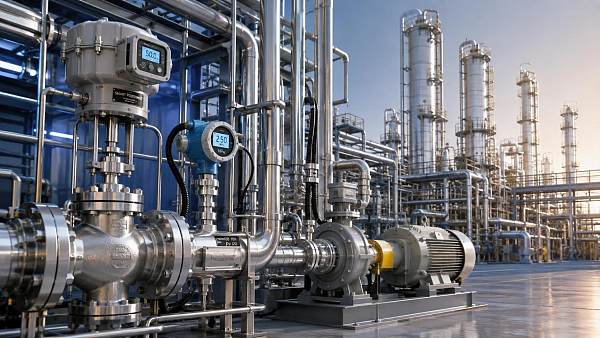
Smart pneumatic control valves are not always labeled as decarbonization assets, but they often determine how much energy upstream equipment consumes.
In corrosive, high-temperature, or high-pressure services, poor valve sizing creates chronic oscillation, excessive pressure drop, and noise near critical velocities.
Those effects are not just control problems.
They usually force pumps, blowers, or compressors to compensate for lost efficiency elsewhere in the line.
This is why some industrial decarbonization solutions begin by reviewing valve trim curves, actuator response, and positioner diagnostics.
Where process recipes change often, precise flow modulation matters more than nominal capacity.
Where the process is steady, durability and low maintenance drift may carry more value than extreme control sensitivity.
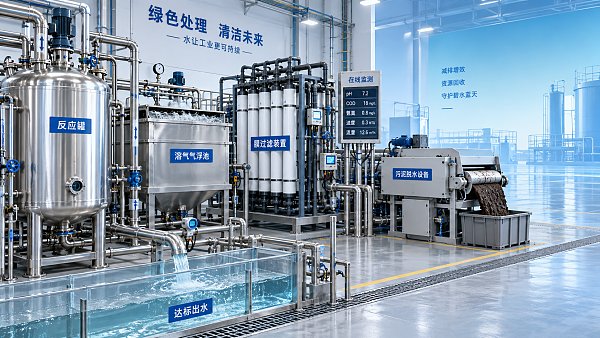
Water reuse and separation lines need a different decarbonization logic
Industrial filtration and separation systems are often assessed through compliance, not power reduction.
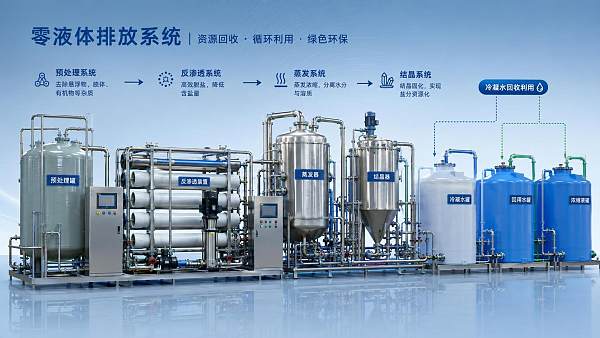
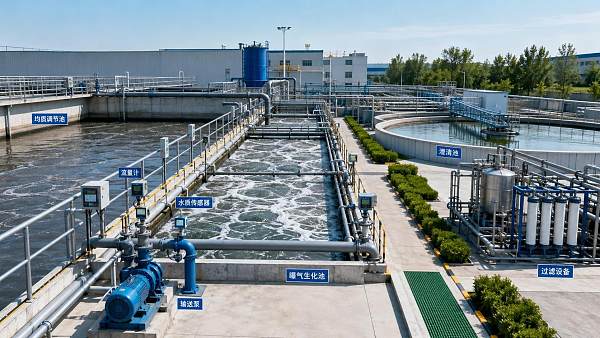
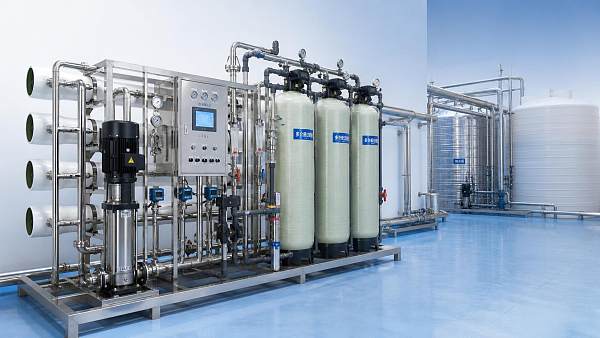
Yet in ZLD, wastewater recycling, and SWRO-linked operations, they strongly shape total energy intensity.
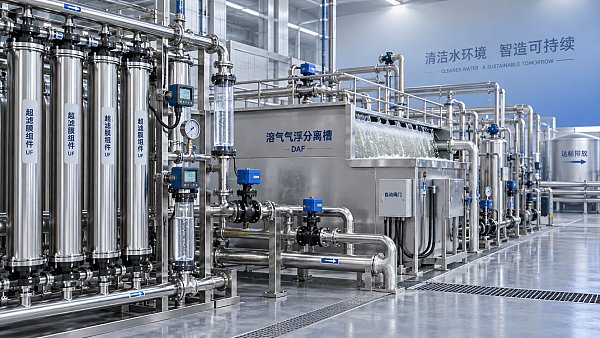
The right industrial decarbonization solutions here depend on fouling patterns, recovery targets, pretreatment quality, and cleaning frequency.
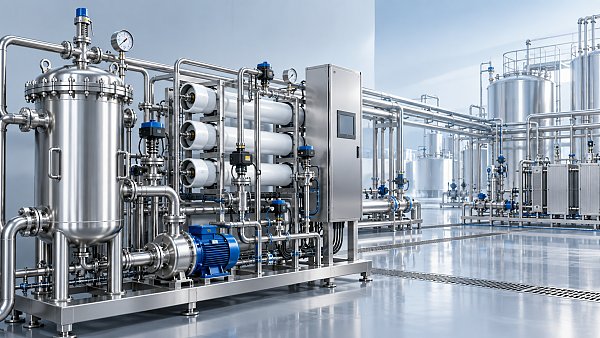
A membrane train designed for maximum recovery can backfire if pressure demand and cleaning chemicals rise too quickly.
Likewise, high-pressure plunger pumps in desalination or extreme-pressure duty should be judged by volumetric efficiency over time, not only at commissioning.
In these scenarios, industrial decarbonization solutions usually combine hydraulic efficiency with better pretreatment stability and predictive maintenance.
Where scenario differences become visible
The most common misread is treating similar systems as identical
Two facilities can share the same pump model or compressor rating and still need different industrial decarbonization solutions.
One may run stable baseload production.
The other may swing across seasonal demand, product changeovers, or variable inlet conditions.
That difference changes the value of speed control, turn-down performance, and digital monitoring.
Another frequent mistake is focusing only on purchase cost.
For fluid machinery, energy use, seal life, membrane cleaning, leakage losses, and downtime risk usually outweigh initial price over the lifecycle.
FCSM’s strategic intelligence perspective is helpful because regulation, material supply risk, and maintenance reality all affect technology choice.
A highly efficient option that depends on fragile supply chains or hard-to-source alloys may not be the most resilient path.
How to choose industrial decarbonization solutions with fewer regrets
A practical approach is to rank systems by annual running hours, energy intensity, controllability, and failure consequence.
That quickly separates symbolic upgrades from meaningful ones.
- Map where pressure, flow, and compressed air are routinely over-supplied
- Check whether control stability is consuming more energy upstream
- Compare rated efficiency with actual part-load operation
- Review maintenance records for cavitation, leakage, fouling, and drift
- Test whether digital diagnostics can prevent hidden efficiency decay
The strongest industrial decarbonization solutions usually combine mechanical efficiency, control refinement, and operational visibility.
They cut power use because they remove process waste, not because they rely on a single headline specification.
The next step is straightforward.
Clarify the real operating scenario, define the limiting conditions, and compare options against lifecycle performance rather than brochure claims.
That is where industrial decarbonization solutions become measurable, credible, and worth scaling.
- high-pressure plunger pumps
- smart pneumatic control valves
- compressed air systems
- compressor efficiency
- industrial decarbonization
- industrial decarbonization solutions
- plunger pumps
- control valves
- pneumatic control valves
- separation equipment
- industrial filtration
- fluid dynamics
- process control
- predictive maintenance
- two-stage compression
- decarbonization
- valve trim
- fluid machinery
Related News
 What drives industrial wastewater treatment cost per cubic meter?Dr. Alistair VaughnIndustrial wastewater treatment cost per cubic meter depends on influent load, effluent targets, energy, technology, and sludge disposal. Explore the key cost drivers.
 How to verify CE compliance for fluid separation equipmentDr. Alistair VaughnFluid separation equipment CE verification made practical: learn how to check declarations, risk assessments, technical files, pressure safety, and installation readiness.
 Separation equipment trends reshaping industrial wastewater treatmentDr. Alistair VaughnSeparation equipment trends are reshaping industrial wastewater treatment through smarter membranes, modular systems, digital monitoring, and resource recovery strategies.
 When stainless steel separation equipment is the right choice for hygienic processesDr. Alistair VaughnStainless steel separation equipment: discover when hygienic design, corrosion resistance, CIP cleanability, and lifecycle reliability make it the smart choice.
 What to assess before choosing a process industry automation supplierDr. Alistair VaughnChoose a process industry automation supplier with confidence. Assess engineering depth, lifecycle reliability, digital integration, energy performance, and safety before you buy.
 How process control innovation in refineries reduces unplanned shutdownsDr. Alistair VaughnDiscover how process control innovation in refineries detects early deviations, improves valve and equipment reliability, and helps prevent costly unplanned shutdowns.
 What should a zero liquid discharge systems integrator include in its proposal?Dr. Alistair VaughnZero liquid discharge systems integrator proposal checklist: compare guarantees, utilities, scope, controls, waste handling, and lifecycle risk before award.
 Industrial wastewater treatment plant design: sizing for flow and loadDr. Alistair VaughnIndustrial wastewater treatment plant design guide: size systems for peak flow, pollutant loads, reliability, compliance, and lower lifecycle costs.
 Can predictive maintenance and machinery diagnostics prevent downtime?Dr. Alistair VaughnPredictive maintenance machinery diagnostics help reduce unplanned downtime by detecting early equipment issues, improving reliability, and enabling smarter maintenance decisions.
 Can a digital transformation machinery platform cut unplanned downtime?Dr. Alistair VaughnDiscover how a digital transformation machinery platform connects asset data, maintenance workflows, and process insights to reduce unplanned downtime.
 How water treatment equipment sizing affects operating costsDr. Alistair VaughnWater treatment equipment sizing shapes energy, chemical, and maintenance costs. Learn how to balance flow, pressure, recovery, and reliability for efficient operation.
 When does food processing automation justify the upfront investment?Dr. Alistair VaughnIndustrial automation solutions for food processing: discover when automation delivers measurable ROI through higher throughput, lower waste, reliable utilities, and stronger food safety control.