Industrial Decarbonization Strategies Shaping 2026 Plant Upgrades




Why industrial decarbonization strategies are now defining 2026 plant upgrades
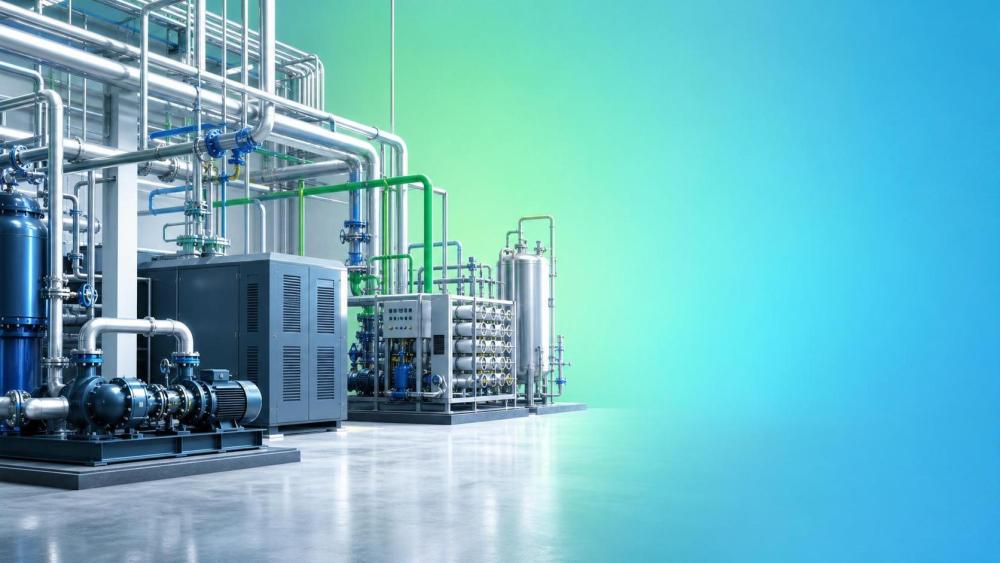
Industrial decarbonization strategies have moved from boardroom ambition to plant-floor design criteria.
What changed is not only regulation.
Energy volatility, equipment aging, water stress, and uptime risk now converge inside one upgrade decision.
That is why 2026 planning cycles look different across chemicals, water, food processing, power, mining, and general manufacturing.
Plants are no longer treating carbon reduction as a standalone sustainability project.
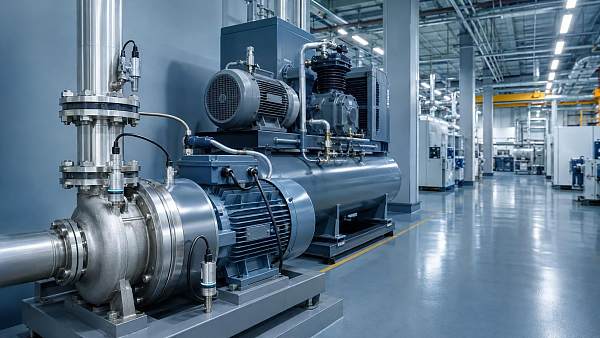
They are embedding industrial decarbonization strategies into pump trains, compressor rooms, valve networks, and separation systems.
The practical goal is clear.
Lower carbon intensity must arrive without sacrificing throughput, reliability, or maintenance discipline.
From the perspective of fluid and gas systems, this is a decisive shift.
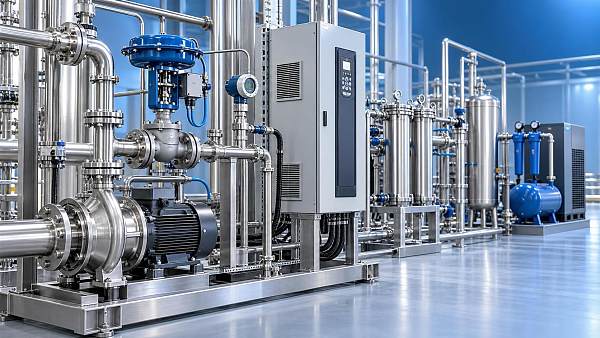
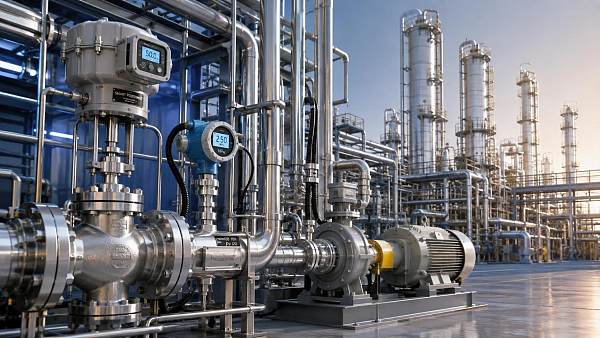
Pumps, control valves, compressors, and filtration assets are no longer viewed as isolated utility hardware.
They are increasingly seen as the operating core of plant decarbonization performance.
That broader systems view is also why intelligence platforms such as FCSM are gaining relevance.
The strongest decisions now depend on linking fluid dynamics, thermodynamic efficiency, digital monitoring, and carbon planning together.
The signal is getting stronger across core utility and process systems
Recent upgrade demand shows a pattern that is more structural than cyclical.
Plants are targeting the assets that consume energy continuously and influence process stability every hour.
That is exactly where industrial decarbonization strategies deliver measurable impact fastest.
In many facilities, the first wave centers on four areas.
- Replacing oversized centrifugal pumps with right-sized, variable-speed configurations.
- Upgrading air compressor systems to permanent magnet drives and two-stage compression layouts.
- Improving smart pneumatic control valves to reduce throttling losses and unstable flow behavior.
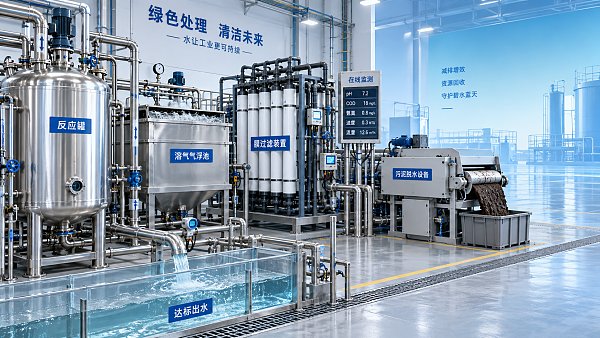
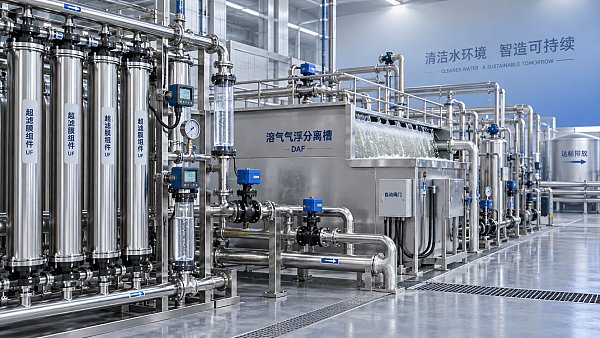
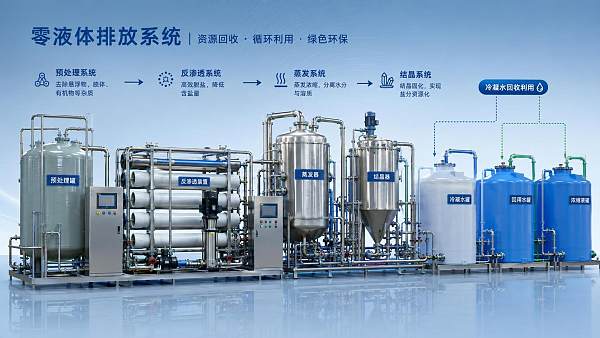
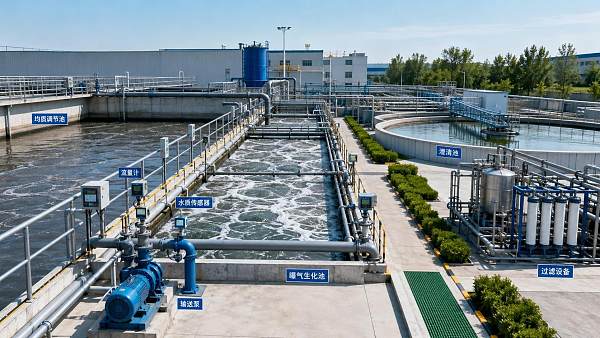
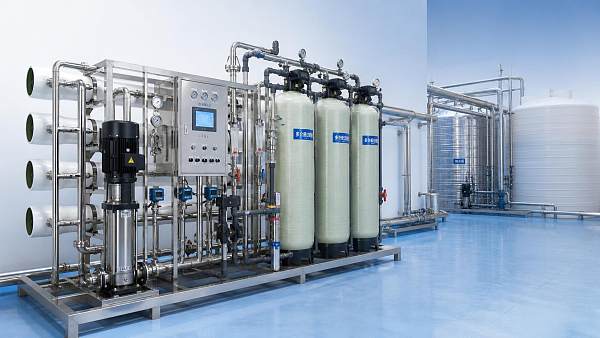
- Expanding filtration and separation systems to support water reuse and lower wastewater treatment loads.
Each move cuts more than electricity consumption.
It also affects leakage risk, maintenance intervals, process precision, and compliance resilience.
More noticeably, upgrade criteria are shifting from equipment efficiency in isolation to lifecycle system performance.
That means cavitation behavior, rotor thermodynamics, valve noise at critical velocities, and membrane fouling rates are now strategic issues.
This is where industrial decarbonization strategies become more technical and less rhetorical.
Why this change is accelerating instead of leveling off
Several forces are reinforcing one another.
The result is a faster shift in investment logic for 2026 projects.
More important, these drivers interact.
A compressor upgrade may reduce power use, stabilize pressure, cut maintenance, and improve automation reliability at the same time.
That bundled value is why investment committees are treating industrial decarbonization strategies as operational modernization.
Fluid systems are where decarbonization becomes tangible
Not every emissions discussion feels actionable inside a plant.
Fluid and gas systems are different because losses can be seen, measured, and corrected.
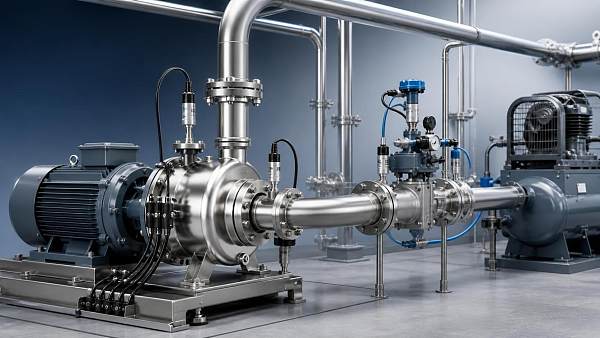
Centrifugal pumps illustrate this well.
Poor hydraulic matching, cavitation exposure, and seal performance issues often raise both energy consumption and failure frequency.
When upgrades use better impeller design, variable speed control, and tighter operating windows, carbon gains follow naturally.
The same pattern appears in air systems.
Compressed air remains one of the most expensive utilities in many plants.
Leaks, poor storage design, and unstable loading logic can erase the value of efficient hardware.
That is why industrial decarbonization strategies increasingly combine machine replacement with system balancing and monitoring.
Control valves are also moving into sharper focus.
Precise throttling affects energy use, product quality, and emissions intensity at once.
In difficult services, trim geometry and smart positioners can reduce instability that operators once accepted as normal.
FCSM’s technical emphasis on cavitation, valve noise models, and compressor thermodynamics reflects this exact market direction.
The most valuable insights now come from connecting asset physics to upgrade economics.
The impact is spreading well beyond the utility room
A common mistake is to view industrial decarbonization strategies as a utility optimization exercise only.
In practice, the effects reach procurement timing, maintenance planning, water management, and even tender competitiveness.
More facilities are now evaluating upgrades through cross-functional consequences.
- Process stability improves when pumps and valves operate closer to design conditions.
- Maintenance teams gain earlier warning from vibration, temperature, and pressure deviation data.
- Water treatment systems support lower discharge exposure and stronger reuse economics.
- Capital planning becomes more phased, because targeted retrofits can unlock later expansion capacity.
- Commercial positioning strengthens where low-carbon performance increasingly influences contract qualification.
This also explains why the market is paying closer attention to specialized materials and component supply chains.
If high-efficiency upgrades depend on advanced alloys, membranes, or motor systems, sourcing risk becomes a carbon risk too.
The transition is therefore not only technical.
It is architectural, financial, and increasingly strategic.
What deserves closer attention before budgets are locked
As 2026 upgrade windows approach, the useful question is not whether industrial decarbonization strategies matter.
The better question is where the next avoidable loss still hides.
In actual projects, several checkpoints are proving more valuable than broad carbon targets alone.
Look at system interaction, not single-asset ratings
An efficient pump inside a poorly controlled loop rarely delivers full benefit.
The same is true for compressors installed without leak management or storage redesign.
Use digital evidence to rank retrofit priority
Flow deviations, pressure drops, power signatures, and maintenance history usually reveal better priorities than age alone.
Treat water and carbon as linked decisions
Filtration, membrane recovery, and ZLD-related upgrades often change both environmental exposure and energy demand.
Watch standards and material availability together
Motor efficiency rules may tighten faster than some supply chains can respond.
That gap can reshape project timing and specification choices.
This is where intelligence-led planning becomes practical rather than theoretical.
A well-timed upgrade roadmap can prevent reactive spending later.
Where the next round of industrial decarbonization strategies is likely to go
The next phase will likely favor facilities that combine engineering depth with staged execution.
That means fewer symbolic projects and more integrated plant upgrades.
Industrial decarbonization strategies will increasingly be judged by three outcomes.
- Whether carbon intensity drops without hidden reliability penalties.
- Whether fluid and gas systems gain measurable efficiency across their full operating range.
- Whether digital visibility improves enough to sustain gains after commissioning.
For that reason, the smartest next step is usually not a broad technology sweep.
It is a disciplined review of energy-intensive loops, compressed air architecture, control bottlenecks, and water recovery constraints.
From there, compare upgrade paths against real operating data, not only nameplate assumptions.
Plants that do this well will not just comply with 2026 expectations.
They will build lower-carbon operations that are also steadier, more efficient, and harder to outcompete.
Related News
 What drives industrial wastewater treatment cost per cubic meter?Dr. Alistair VaughnIndustrial wastewater treatment cost per cubic meter depends on influent load, effluent targets, energy, technology, and sludge disposal. Explore the key cost drivers.
 How to verify CE compliance for fluid separation equipmentDr. Alistair VaughnFluid separation equipment CE verification made practical: learn how to check declarations, risk assessments, technical files, pressure safety, and installation readiness.
 Separation equipment trends reshaping industrial wastewater treatmentDr. Alistair VaughnSeparation equipment trends are reshaping industrial wastewater treatment through smarter membranes, modular systems, digital monitoring, and resource recovery strategies.
 When stainless steel separation equipment is the right choice for hygienic processesDr. Alistair VaughnStainless steel separation equipment: discover when hygienic design, corrosion resistance, CIP cleanability, and lifecycle reliability make it the smart choice.
 What to assess before choosing a process industry automation supplierDr. Alistair VaughnChoose a process industry automation supplier with confidence. Assess engineering depth, lifecycle reliability, digital integration, energy performance, and safety before you buy.
 How process control innovation in refineries reduces unplanned shutdownsDr. Alistair VaughnDiscover how process control innovation in refineries detects early deviations, improves valve and equipment reliability, and helps prevent costly unplanned shutdowns.
 What should a zero liquid discharge systems integrator include in its proposal?Dr. Alistair VaughnZero liquid discharge systems integrator proposal checklist: compare guarantees, utilities, scope, controls, waste handling, and lifecycle risk before award.
 Industrial wastewater treatment plant design: sizing for flow and loadDr. Alistair VaughnIndustrial wastewater treatment plant design guide: size systems for peak flow, pollutant loads, reliability, compliance, and lower lifecycle costs.
 Can predictive maintenance and machinery diagnostics prevent downtime?Dr. Alistair VaughnPredictive maintenance machinery diagnostics help reduce unplanned downtime by detecting early equipment issues, improving reliability, and enabling smarter maintenance decisions.
 Can a digital transformation machinery platform cut unplanned downtime?Dr. Alistair VaughnDiscover how a digital transformation machinery platform connects asset data, maintenance workflows, and process insights to reduce unplanned downtime.
 How water treatment equipment sizing affects operating costsDr. Alistair VaughnWater treatment equipment sizing shapes energy, chemical, and maintenance costs. Learn how to balance flow, pressure, recovery, and reliability for efficient operation.
 When does food processing automation justify the upfront investment?Dr. Alistair VaughnIndustrial automation solutions for food processing: discover when automation delivers measurable ROI through higher throughput, lower waste, reliable utilities, and stronger food safety control.