Industrial Decarbonization Strategies for 2026 Projects




As 2026 capital projects move from planning to procurement, enterprise leaders face a critical mandate: cut emissions without sacrificing uptime, process stability, or return on invested capital. Effective industrial decarbonization strategies now depend on more than renewable energy contracts—they require smarter pumps, compressors, control valves, and separation systems that reduce energy waste across every fluid and gas network. For decision-makers, the next competitive advantage will come from aligning efficiency upgrades, digital monitoring, and lifecycle reliability with measurable carbon and cost reductions.
Why Industrial Decarbonization Strategies Must Start Inside Fluid and Gas Networks
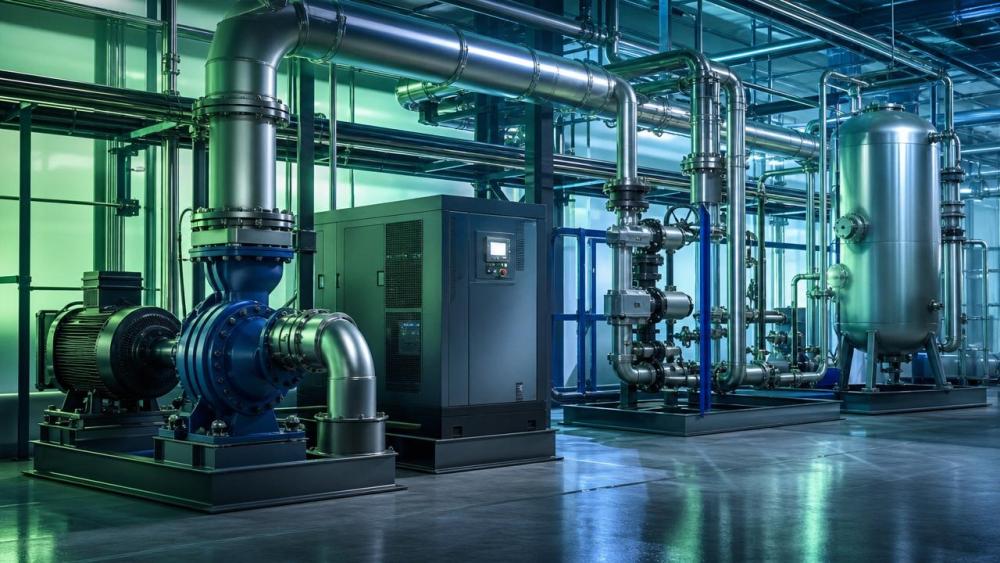
Many boards begin decarbonization with power sourcing, but factories lose large amounts of energy through throttling, leakage, pressure drops, oversizing, and poor sequencing. These losses sit inside daily operations.
For 2026 projects, industrial decarbonization strategies should therefore treat pumps, valves, compressors, and separation assets as strategic infrastructure, not isolated maintenance purchases.
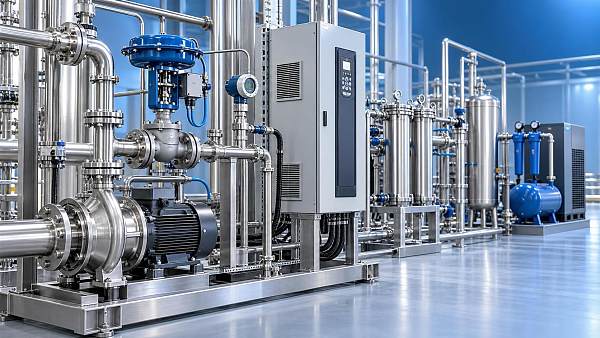
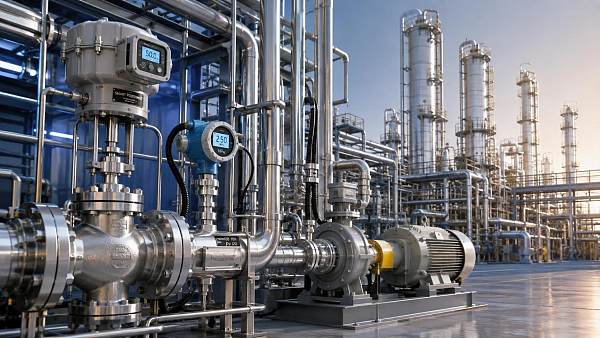
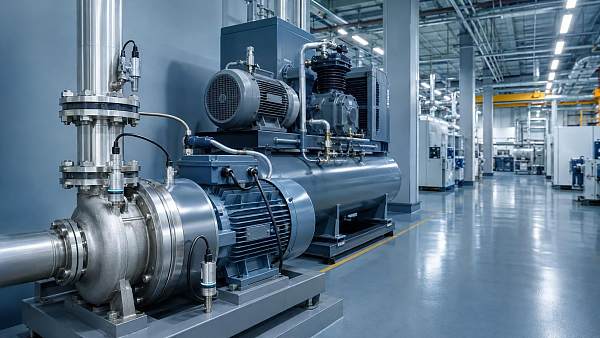
FCSM views these systems as the blood vessels and respiratory systems of modern industry. Their efficiency determines power demand, thermal stability, water recovery, and production continuity.
The decision shift for enterprise leaders
- Energy decisions are moving from utility contracts to equipment-level performance, including motor efficiency, compressor load profiles, and pump operating points.
- Procurement teams must compare lifecycle cost, carbon impact, and reliability risk instead of selecting only by initial quotation.
- Engineering teams need measurable baselines, because industrial decarbonization strategies fail when savings cannot be verified after commissioning.
This shift is especially important in chemicals, water treatment, power generation, mining, food processing, electronics, and municipal infrastructure, where fluid movement often dominates auxiliary energy consumption.
Which Equipment Upgrades Deliver the Fastest Carbon Reduction?
Industrial decarbonization strategies become practical when leaders can connect each equipment choice with a defined operating problem. The table below shows common opportunities across general machinery assets.
The strongest industrial decarbonization strategies usually combine several smaller interventions. A pump curve correction, a valve trim change, and compressor leak reduction may outperform one large purchase.
Where FCSM adds decision value
FCSM’s intelligence focus links fluid dynamics, process control, and thermodynamic conversion. This helps decision-makers identify whether carbon savings come from redesign, replacement, automation, or maintenance discipline.
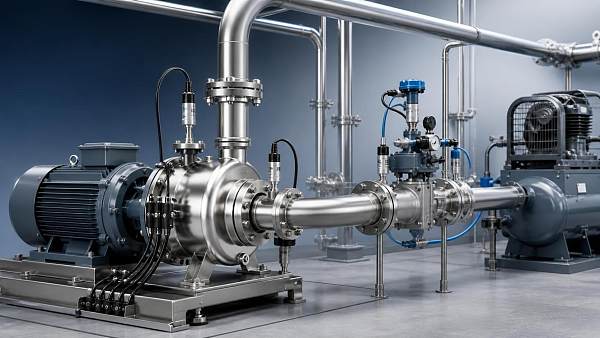
For pump projects, the key question is not only motor efficiency. It is whether the impeller, duty point, cavitation margin, seal configuration, and pipeline resistance match real production demand.
How to Build Industrial Decarbonization Strategies for 2026 Procurement
A reliable procurement plan translates carbon goals into technical specifications. Without that translation, suppliers quote different assumptions, payback calculations become weak, and commissioning risk increases.
Enterprise leaders should require procurement documents to include baseline operating data, required standards, expected duty cycles, process constraints, and measurement rules for post-upgrade verification.
A practical procurement checklist
- Define the carbon baseline using energy bills, operating hours, flow rates, pressure levels, and historical maintenance records.
- Segment assets by criticality, because shutdown risk may justify phased retrofits instead of full system replacement.
- Request lifecycle cost comparisons, including spare parts, efficiency degradation, downtime exposure, and operator training needs.
- Confirm compatibility with existing automation platforms, data historians, variable frequency drives, and plant safety procedures.
- Specify acceptance tests for flow, pressure, vibration, temperature, leakage, noise, and energy consumption after commissioning.
These steps make industrial decarbonization strategies easier to defend in budget committees, because each specification links to reliability, compliance, or measurable energy reduction.
What Should Decision-Makers Compare Before Approving Capital Spend?
For 2026 projects, the purchase decision should compare technical fit, implementation risk, and carbon value. The following matrix helps structure discussions between finance, engineering, procurement, and operations.
This comparison prevents industrial decarbonization strategies from becoming a narrow purchasing exercise. It also encourages suppliers to submit evidence rather than generic efficiency language.
When retrofit beats replacement
Retrofit can be the better choice when the base equipment is mechanically sound, civil modification is expensive, and carbon savings mainly depend on controls, seals, drives, or impeller changes.
Replacement is stronger when equipment is chronically misapplied, spare parts are difficult to secure, corrosion risk is rising, or process capacity has permanently changed.
How Digital Monitoring Turns Efficiency Projects into Managed Carbon Assets
Industrial decarbonization strategies often underperform because assets drift after commissioning. Filters foul, operators raise pressure bands, valves stick, and pumps move away from the best efficiency point.
Digital monitoring converts those changes into actionable signals. It allows teams to see energy intensity, abnormal vibration, compressor unload time, valve travel deviation, and membrane pressure rise.
Data points that matter most
- For centrifugal pumps, track flow, head, motor current, vibration, bearing temperature, and cavitation indicators where feasible.
- For compressors, monitor specific power, pressure band, leak trends, load-unload cycles, discharge temperature, and condensate quality.
- For smart control valves, use position feedback, travel deviation, response time, air consumption, and diagnostic alerts.
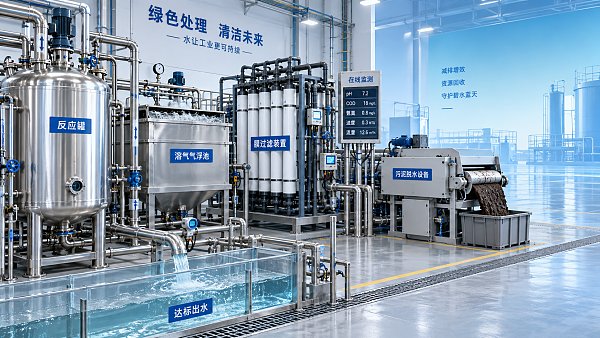
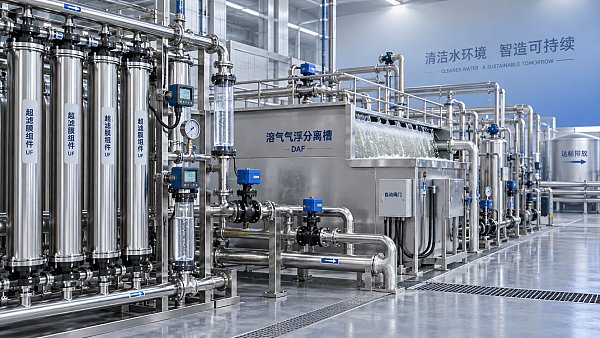
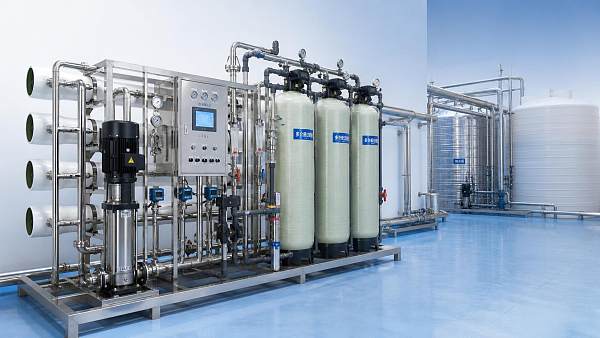
- For separation systems, watch differential pressure, permeate quality, recovery rate, cleaning frequency, and membrane pressure normalization.
FCSM’s strategic intelligence approach emphasizes predictive maintenance because decarbonization and reliability are connected. An inefficient machine is often a machine approaching a reliability event.
Which Standards and Compliance Issues Should Be Considered?
Standards do not replace engineering judgment, but they reduce ambiguity in industrial decarbonization strategies. They clarify test methods, motor efficiency expectations, safety requirements, and environmental reporting boundaries.
The exact requirements vary by country, sector, and tender. Decision-makers should ask suppliers to identify applicable standards early, especially for export projects or regulated industries.
Common reference areas
- Motor efficiency regulations and IEC efficiency classes can affect pump, fan, and compressor system specifications.
- ISO and API-related pump practices may influence testing, vibration limits, materials, and mechanical seal expectations.
- Control valve leakage, sizing, noise, and safety practices should be aligned with the process risk level.
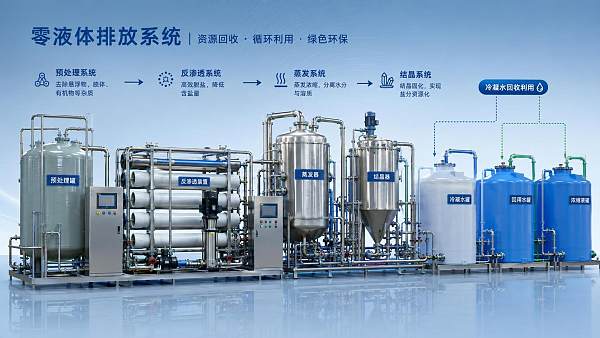
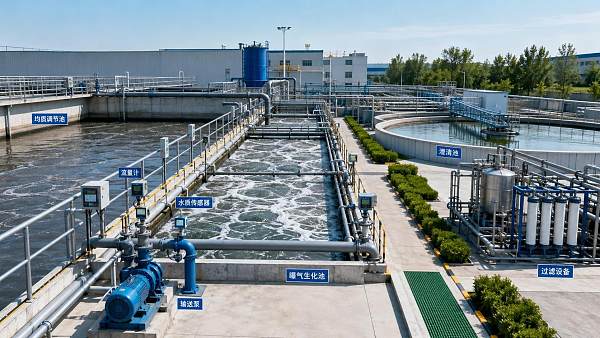
- Water reuse, ZLD, and wastewater discharge projects must match local environmental permits and monitoring obligations.
A compliance review also protects budget quality. Equipment that appears inexpensive may become costly if it fails acceptance testing, documentation review, or site safety requirements.
Cost, Payback, and Alternatives: What Makes a Project Financeable?
Industrial decarbonization strategies compete with expansion, automation, and maintenance budgets. To gain approval, they must show capital discipline as well as emissions reduction.
A financeable project usually has a clear baseline, limited outage exposure, practical spare parts planning, and a monitoring plan that protects savings after handover.
Cost categories often missed
- Installation cost, including foundation changes, piping modification, lifting access, electrical panels, and instrument cabling.
- Commissioning cost, including calibration, performance testing, operator training, and temporary production constraints.
- Lifecycle cost, including lubricants, seals, membranes, valve trim, filter elements, and compressor service intervals.
- Risk cost, including unscheduled downtime, off-spec product, permit non-compliance, and emergency freight for critical parts.
Alternatives should be compared honestly. A variable frequency drive cannot fix severe hydraulic mismatch, and a new compressor will not deliver savings if the air network leaks heavily.
FAQ: Practical Questions About Industrial Decarbonization Strategies
How should a company start if it has many old pumps and compressors?
Start with an energy and reliability screening. Rank assets by operating hours, power rating, failure history, and process criticality. Then select a pilot group with measurable savings potential.
This approach keeps industrial decarbonization strategies manageable. It also creates evidence for wider rollout before committing to a large multi-site replacement program.
Are high-efficiency machines always the best choice?
Not always. A high-efficiency machine operating far from its intended duty point may waste energy and suffer reliability problems. Correct sizing is often more valuable than nameplate efficiency.
For pumps and compressors, leaders should request performance curves, expected load profiles, and control logic review before approving final procurement.
What is the biggest mistake in 2026 decarbonization procurement?
The most common mistake is buying equipment before defining the operating baseline. Without baseline data, savings claims become difficult to verify and supplier comparisons become unreliable.
Strong industrial decarbonization strategies require measured flow, pressure, energy, temperature, air consumption, and maintenance data wherever practical.
How long does implementation usually take?
Timelines depend on scope, import requirements, shutdown windows, and customization. A controls retrofit may be shorter, while a major pump station or ZLD upgrade requires deeper engineering.
Decision-makers should confirm engineering review, procurement lead time, factory testing, site installation, commissioning, and documentation milestones before final approval.
Why Choose FCSM for Smarter Decarbonization Decisions?
FCSM helps enterprise leaders connect carbon targets with the real mechanics of industrial fluid and gas systems. Our focus covers pump sets, control valves, air compressors, and separation equipment.
Through sector intelligence, technical analysis, and commercial insight, FCSM supports industrial decarbonization strategies that are practical for procurement, operations, and lifecycle asset management.
What you can consult with us
- Parameter confirmation for flow, pressure, temperature, media properties, duty cycle, energy baseline, and carbon calculation boundaries.
- Product selection logic for centrifugal pumps, plunger pumps, pneumatic control valves, compressor systems, and filtration or separation units.
- Procurement comparison support, including lifecycle cost, efficiency claims, reliability risk, delivery constraints, and documentation requirements.
- Custom solution discussion for retrofit planning, digital monitoring, predictive maintenance, ZLD pathways, and low-carbon factory programs.
- Quotation communication support when stakeholders need clearer assumptions, acceptance tests, certification needs, or delivery schedule clarification.
If your 2026 project requires stronger industrial decarbonization strategies, begin with the equipment that moves, compresses, throttles, and separates your process media every day.
Contact FCSM to discuss asset data, project constraints, selection criteria, and implementation priorities before capital decisions lock in avoidable energy waste.
Related News
 What drives industrial wastewater treatment cost per cubic meter?Dr. Alistair VaughnIndustrial wastewater treatment cost per cubic meter depends on influent load, effluent targets, energy, technology, and sludge disposal. Explore the key cost drivers.
 How to verify CE compliance for fluid separation equipmentDr. Alistair VaughnFluid separation equipment CE verification made practical: learn how to check declarations, risk assessments, technical files, pressure safety, and installation readiness.
 Separation equipment trends reshaping industrial wastewater treatmentDr. Alistair VaughnSeparation equipment trends are reshaping industrial wastewater treatment through smarter membranes, modular systems, digital monitoring, and resource recovery strategies.
 When stainless steel separation equipment is the right choice for hygienic processesDr. Alistair VaughnStainless steel separation equipment: discover when hygienic design, corrosion resistance, CIP cleanability, and lifecycle reliability make it the smart choice.
 What to assess before choosing a process industry automation supplierDr. Alistair VaughnChoose a process industry automation supplier with confidence. Assess engineering depth, lifecycle reliability, digital integration, energy performance, and safety before you buy.
 How process control innovation in refineries reduces unplanned shutdownsDr. Alistair VaughnDiscover how process control innovation in refineries detects early deviations, improves valve and equipment reliability, and helps prevent costly unplanned shutdowns.
 What should a zero liquid discharge systems integrator include in its proposal?Dr. Alistair VaughnZero liquid discharge systems integrator proposal checklist: compare guarantees, utilities, scope, controls, waste handling, and lifecycle risk before award.
 Industrial wastewater treatment plant design: sizing for flow and loadDr. Alistair VaughnIndustrial wastewater treatment plant design guide: size systems for peak flow, pollutant loads, reliability, compliance, and lower lifecycle costs.
 Can predictive maintenance and machinery diagnostics prevent downtime?Dr. Alistair VaughnPredictive maintenance machinery diagnostics help reduce unplanned downtime by detecting early equipment issues, improving reliability, and enabling smarter maintenance decisions.
 Can a digital transformation machinery platform cut unplanned downtime?Dr. Alistair VaughnDiscover how a digital transformation machinery platform connects asset data, maintenance workflows, and process insights to reduce unplanned downtime.
 How water treatment equipment sizing affects operating costsDr. Alistair VaughnWater treatment equipment sizing shapes energy, chemical, and maintenance costs. Learn how to balance flow, pressure, recovery, and reliability for efficient operation.
 When does food processing automation justify the upfront investment?Dr. Alistair VaughnIndustrial automation solutions for food processing: discover when automation delivers measurable ROI through higher throughput, lower waste, reliable utilities, and stronger food safety control.