Industrial Digital Transformation Trends Shaping Plants in 2026




Industrial digital transformation in 2026 is no longer a narrow automation project. It is becoming the operating logic of modern plants, linking assets, energy, maintenance, and process control into one decision system.
What makes this shift different is scale. Plants are moving beyond isolated sensors or dashboards and starting to connect pumps, valves, compressors, and separation equipment to measurable business outcomes.
That matters because production risk now comes from several directions at once. Energy prices remain volatile, reliability targets are tighter, emissions pressure is rising, and unplanned downtime is far more expensive than before.
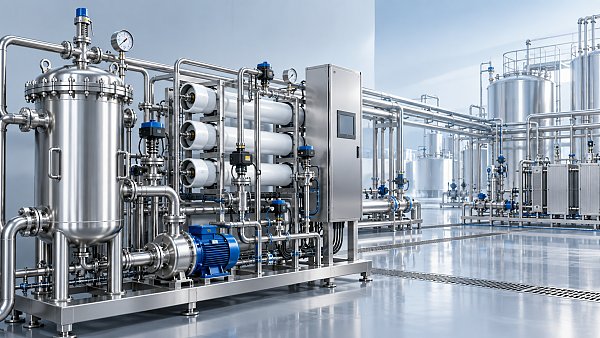
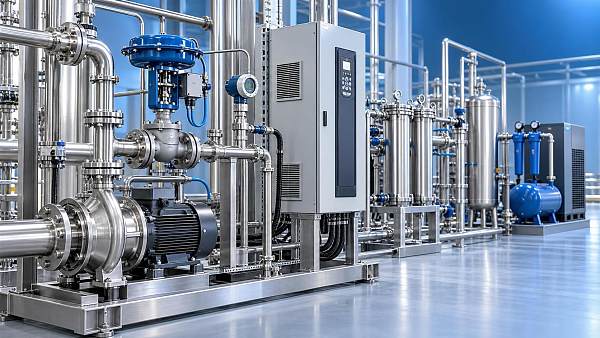
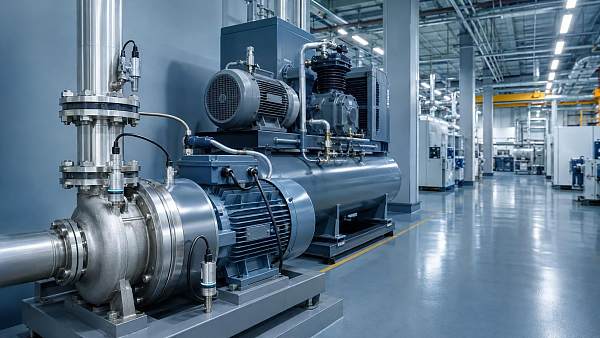
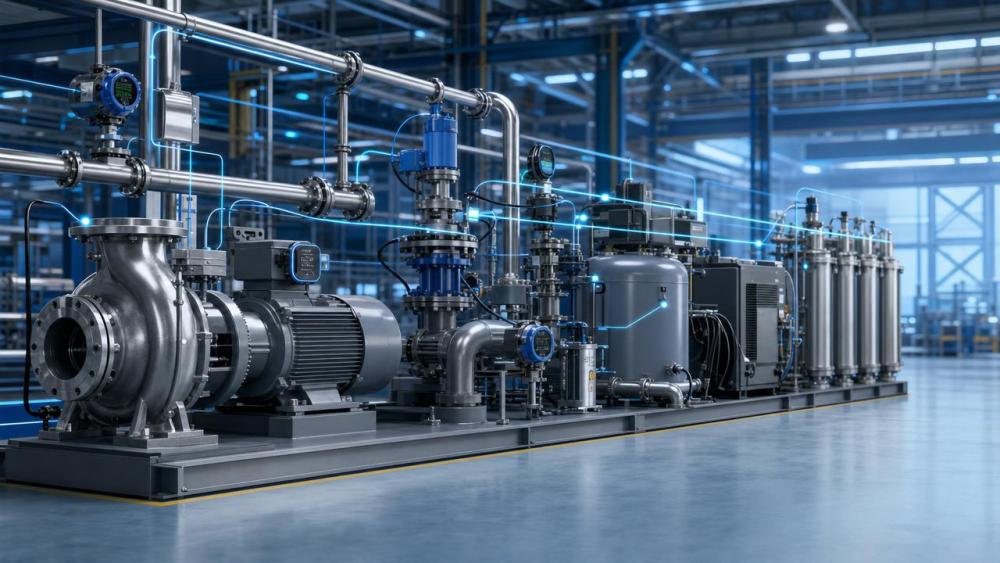
For process-intensive industries, the digital layer increasingly sits on top of fluid and gas infrastructure. In practical terms, industrial digital transformation is becoming inseparable from how factories move, compress, throttle, filter, and recover media.
Why 2026 marks a more serious phase
Earlier digital programs often focused on visibility. Plants wanted remote monitoring, basic alarms, and better reporting. Those goals still matter, but they no longer define leadership.
In 2026, the stronger trend is operational convergence. Control systems, energy management, maintenance planning, and production optimization are being evaluated together rather than in separate silos.
This is especially important in fluid-heavy operations. A pump losing efficiency, a valve drifting from calibration, or a compressor consuming excess power can distort the economics of an entire line.
Industrial digital transformation therefore becomes a strategic response, not a technical upgrade alone. It helps plants see cause-and-effect relationships that were previously hidden inside fragmented systems.
What the term really means on the plant floor
At its core, industrial digital transformation means using connected data to improve how physical assets perform across their full lifecycle. The emphasis is on decisions, not devices.
A sensor by itself changes little. Value appears when operating data, maintenance history, process conditions, and energy use are interpreted together and tied to actions.
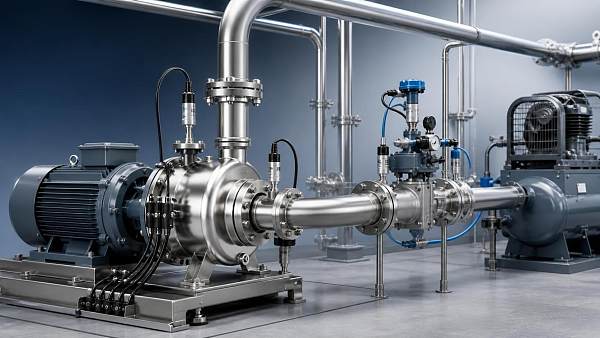
For plants running centrifugal pumps, plunger pumps, pneumatic control valves, compressor systems, or filtration units, this often starts with three questions.
- Which assets create the highest energy and reliability exposure?
- Which process deviations generate hidden quality, safety, or utility losses?
- Which decisions still depend on delayed, incomplete, or disconnected information?
Once those questions are clear, digitalization becomes more focused. The plant can prioritize intelligence where physical behavior and economic impact overlap most strongly.
The equipment layer is where digital value becomes visible
Many discussions about industrial digital transformation stay too abstract. In reality, the most convincing results usually appear in core equipment that carries fluid, pressure, airflow, and separation loads.
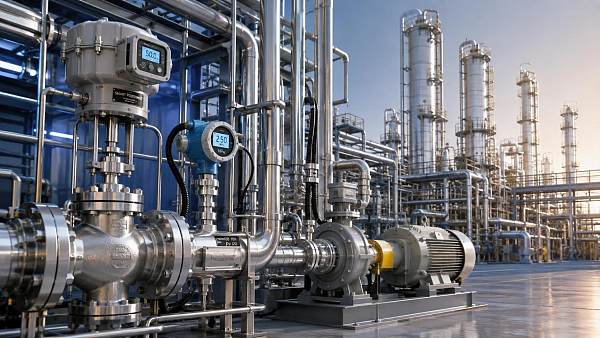
This is why the machinery focus seen in FCSM is useful. Pumps, valves, compressors, and filtration systems are not peripheral devices. They are the plant’s circulation, breathing, throttling, and purification network.
When these systems are digitally observable, several insights emerge quickly. Cavitation patterns can be detected earlier. Valve instability can be linked to process variation. Compressor efficiency drift becomes measurable over time.
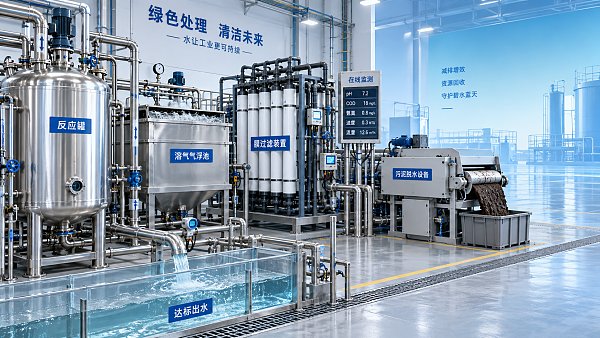
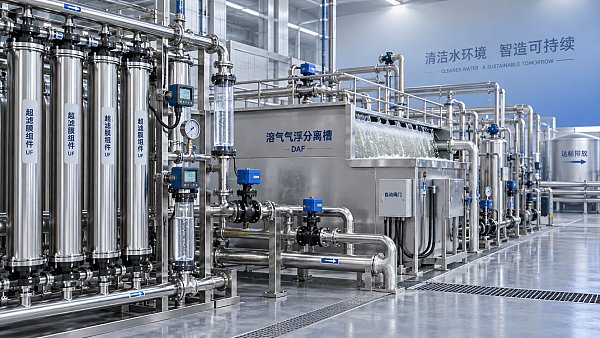
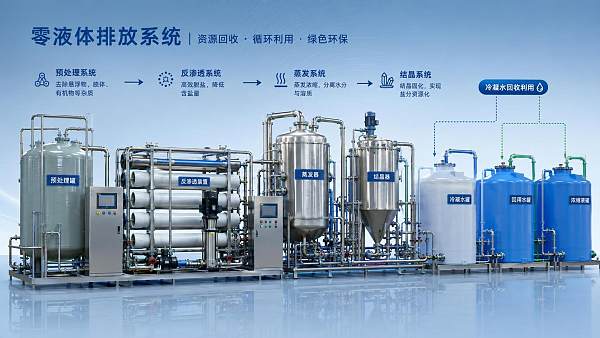
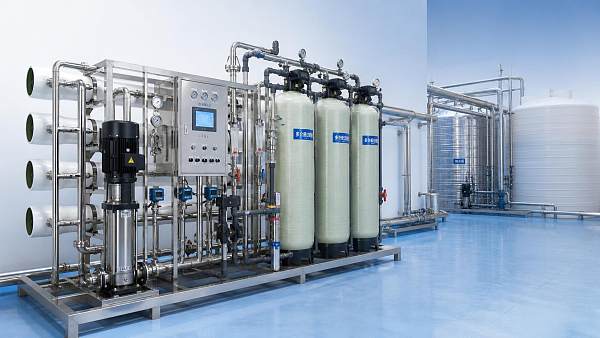
The same is true for separation equipment. Fouling, membrane decline, pressure drop, and water recovery trends can be turned into management signals rather than late-stage troubleshooting events.
Where plants are concentrating investment
The strongest trends shaping industrial digital transformation
Several themes are now defining the next stage of industrial digital transformation, and they go beyond simple connectivity.
Digitalization is becoming energy-first
Plants increasingly treat electricity, compressed air, water, and steam as controllable performance variables. That changes capital priorities.
A digitally monitored compressor room or pump network often reveals immediate savings without major process redesign. In many sites, this becomes the fastest proof of value.
Predictive maintenance is moving closer to physics
Maintenance models are improving because they now combine condition data with equipment-specific behavior. Generic alerts are giving way to asset-aware interpretation.
For example, understanding cavitation risk, rotor thermodynamics, or critical flow velocity produces more useful predictions than relying on threshold alarms alone.
Decarbonization is shaping digital priorities
Industrial digital transformation is now closely tied to carbon management. Plants need traceable energy performance and stronger evidence behind efficiency claims.
That is one reason high-efficiency pumps, smart valves, and advanced compressor technologies are gaining attention in replacement decisions and international tenders.
Industrial intelligence is becoming more multidisciplinary
Good digital decisions now depend on process knowledge, mechanical behavior, controls, software, and market context. The technology stack alone is not enough.
This is where intelligence platforms such as FCSM add relevance. They connect equipment evolution, efficiency regulation, materials risk, and plant performance into a more usable picture.
How to judge practical value before scaling
Not every digital initiative deserves plant-wide rollout. The more useful approach is to test whether the data can improve a real operating decision.
A strong industrial digital transformation program usually proves itself in one of four ways.
- It reduces avoidable energy consumption in continuously running assets.
- It predicts failure modes early enough to change maintenance timing.
- It stabilizes process quality through better control accuracy.
- It strengthens compliance, reporting, or decarbonization evidence.
If none of these outcomes becomes visible, the issue is often not the platform itself. More often, the data model is weak, the asset scope is wrong, or the use case is too vague.
Common gaps that slow progress
Industrial digital transformation often stalls when plants confuse data collection with operational change. More dashboards do not automatically create better performance.
Another common gap is poor equipment context. A control valve alert without process conditions, or a pump vibration warning without hydraulic interpretation, has limited value.
There is also a governance issue. If maintenance, operations, energy, and procurement work from separate success metrics, digital programs tend to fragment again after the pilot stage.
Usually, the most resilient programs define a small set of shared measures. Examples include specific energy consumption, unplanned stoppage frequency, asset health score, and recovery efficiency.
What to prioritize next
The next step is not to digitalize everything at once. It is to identify the fluid and gas systems where operational physics, cost pressure, and decarbonization demands intersect most clearly.
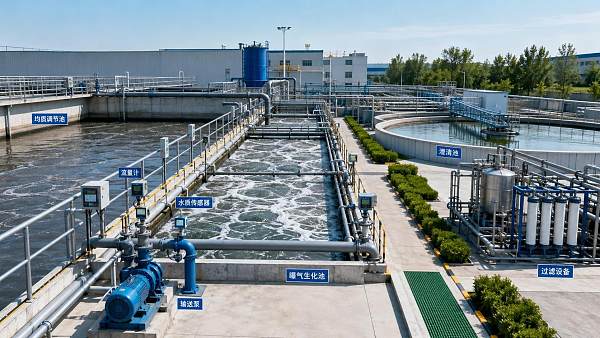
In many facilities, that means starting with pump trains, compressed air systems, critical control valves, or water treatment loops. These areas often produce measurable gains faster than broader enterprise programs.
A useful review can begin with three practical checks: where energy losses are structurally embedded, where reliability events repeat, and where process decisions still rely on lagging information.
From there, industrial digital transformation becomes easier to judge on business terms. The most durable investments are the ones that turn complex equipment behavior into clearer choices about uptime, efficiency, and future competitiveness.
For ongoing evaluation, it helps to follow intelligence that combines machinery detail with market and regulatory change. That perspective makes it easier to compare options, set priorities, and move from digital ambition to plant-level results.
Related News
 What drives industrial wastewater treatment cost per cubic meter?Dr. Alistair VaughnIndustrial wastewater treatment cost per cubic meter depends on influent load, effluent targets, energy, technology, and sludge disposal. Explore the key cost drivers.
 How to verify CE compliance for fluid separation equipmentDr. Alistair VaughnFluid separation equipment CE verification made practical: learn how to check declarations, risk assessments, technical files, pressure safety, and installation readiness.
 Separation equipment trends reshaping industrial wastewater treatmentDr. Alistair VaughnSeparation equipment trends are reshaping industrial wastewater treatment through smarter membranes, modular systems, digital monitoring, and resource recovery strategies.
 When stainless steel separation equipment is the right choice for hygienic processesDr. Alistair VaughnStainless steel separation equipment: discover when hygienic design, corrosion resistance, CIP cleanability, and lifecycle reliability make it the smart choice.
 What to assess before choosing a process industry automation supplierDr. Alistair VaughnChoose a process industry automation supplier with confidence. Assess engineering depth, lifecycle reliability, digital integration, energy performance, and safety before you buy.
 How process control innovation in refineries reduces unplanned shutdownsDr. Alistair VaughnDiscover how process control innovation in refineries detects early deviations, improves valve and equipment reliability, and helps prevent costly unplanned shutdowns.
 What should a zero liquid discharge systems integrator include in its proposal?Dr. Alistair VaughnZero liquid discharge systems integrator proposal checklist: compare guarantees, utilities, scope, controls, waste handling, and lifecycle risk before award.
 Industrial wastewater treatment plant design: sizing for flow and loadDr. Alistair VaughnIndustrial wastewater treatment plant design guide: size systems for peak flow, pollutant loads, reliability, compliance, and lower lifecycle costs.
 Can predictive maintenance and machinery diagnostics prevent downtime?Dr. Alistair VaughnPredictive maintenance machinery diagnostics help reduce unplanned downtime by detecting early equipment issues, improving reliability, and enabling smarter maintenance decisions.
 Can a digital transformation machinery platform cut unplanned downtime?Dr. Alistair VaughnDiscover how a digital transformation machinery platform connects asset data, maintenance workflows, and process insights to reduce unplanned downtime.
 How water treatment equipment sizing affects operating costsDr. Alistair VaughnWater treatment equipment sizing shapes energy, chemical, and maintenance costs. Learn how to balance flow, pressure, recovery, and reliability for efficient operation.
 When does food processing automation justify the upfront investment?Dr. Alistair VaughnIndustrial automation solutions for food processing: discover when automation delivers measurable ROI through higher throughput, lower waste, reliable utilities, and stronger food safety control.