Industrial Wastewater Recycling: Cost Drivers and Payback Factors




Industrial wastewater recycling: why do project costs vary so much?
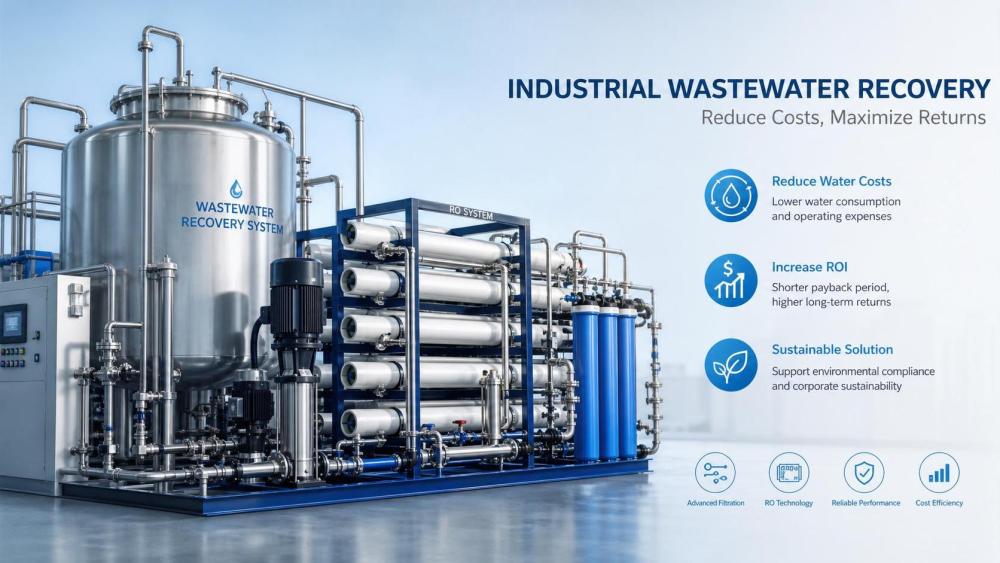
Industrial wastewater recycling has moved beyond compliance. It now affects water security, energy exposure, discharge risk, and operating resilience across process industries.
That is why two projects with similar flow rates can produce very different budgets. The real drivers sit inside water chemistry, reuse targets, equipment reliability, and control strategy.
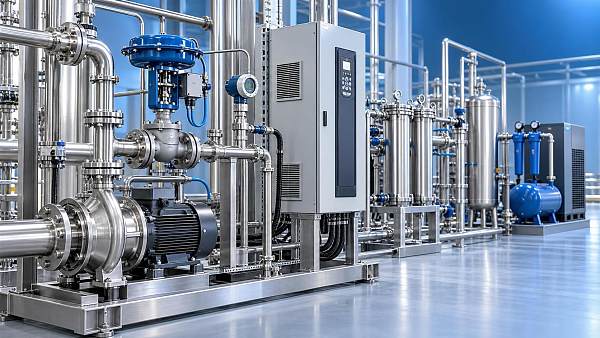
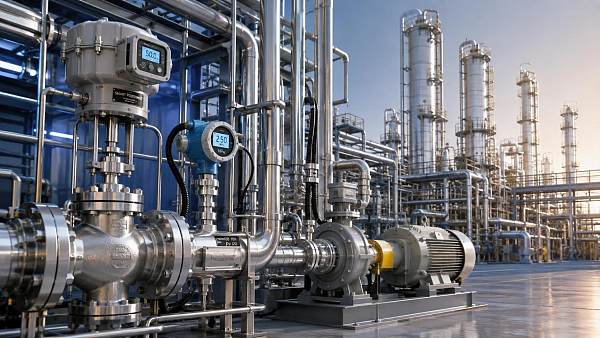
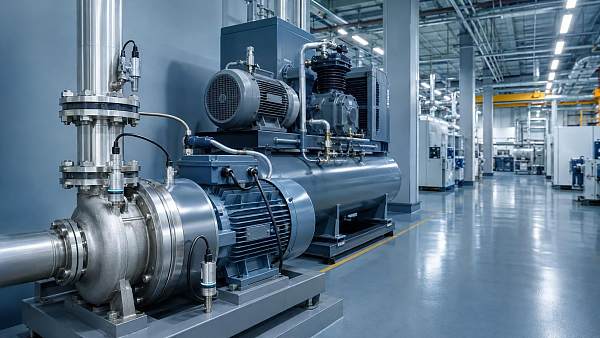
In practical terms, industrial wastewater recycling is an engineered balance. Pumps, valves, compressors, membranes, and separation stages must work together without creating unstable operating costs.
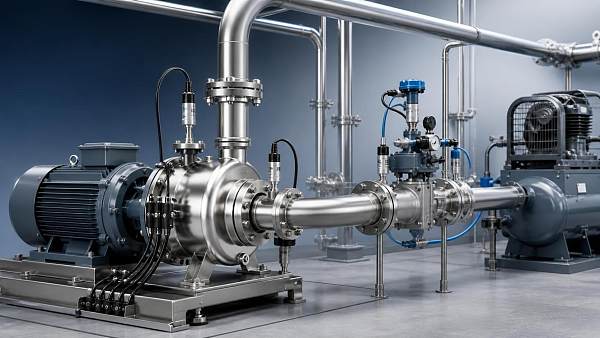
This is also where FCSM’s industry lens matters. In fluid systems, lifecycle value is often decided by cavitation control, pressure stability, air management, fouling behavior, and digital monitoring rather than by headline equipment price.
So the better question is not, “What does industrial wastewater recycling cost?” It is, “Which technical choices will shape capital cost, operating cost, and payback over time?”
Which cost drivers usually have the biggest impact first?
Treatment complexity is usually the first cost driver. Oily wastewater, high TDS streams, heavy metals, organics, or variable pH each push the process design in different directions.
The second major factor is the reuse goal. Cooling tower make-up water needs a different polishing level than boiler feed, wash water, or near-ZLD recovery.
Energy demand follows close behind. High-pressure pumps for RO, air compressors for pneumatic systems, and thermal concentration steps can quickly reshape the cost base.
Pretreatment quality is another decisive point. When solids removal, oil separation, or equalization is undersized, membrane fouling rises, cleaning frequency increases, and membrane life shortens.
Automation also changes economics. Better instrumentation and control valves may add upfront cost, yet they often reduce operator intervention, chemical overfeed, and unstable performance.
A useful way to frame industrial wastewater recycling cost is to separate visible and hidden elements:
- Visible: tanks, pumps, membranes, filters, piping, civil work, electrical systems.
- Hidden: downtime, clean-in-place frequency, spare parts, concentrate disposal, scaling risk, energy volatility.
- Often missed: corrosion resistance, pressure fluctuations, and data integration with plant controls.
More common than expected, a lower-priced system becomes expensive after startup because the process window is too narrow for real wastewater variability.
How should payback be calculated without oversimplifying the decision?
Simple payback is useful, but it is rarely enough. Industrial wastewater recycling returns value through several channels, not just fresh water savings.
Direct savings typically include reduced freshwater intake, lower sewer discharge fees, lower hauled disposal volumes, and lower exposure to water scarcity interruptions.
Indirect value can be just as important. Stable reuse water supports production continuity, eases permitting pressure, and lowers the chance of non-compliance events.
In sites with expansion plans, industrial wastewater recycling may also delay or avoid new water supply infrastructure. That changes the investment case significantly.
A disciplined payback model usually includes these inputs:
A realistic payback view normally blends two cases. One assumes average operation. The other tests poor feed quality, membrane replacement, and energy price increases.
Does technology choice matter more than scale?
Sometimes yes. A modest flow with difficult chemistry can cost more than a larger, cleaner stream. That is why technology fit often matters more than plant size alone.
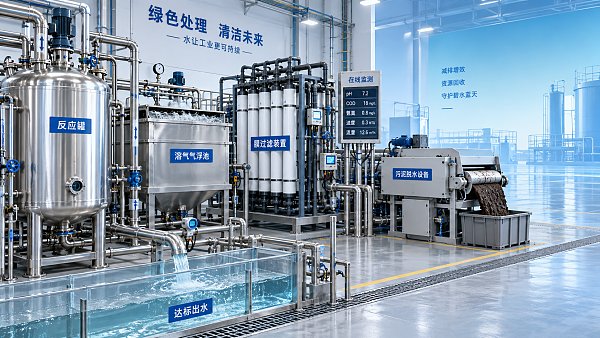
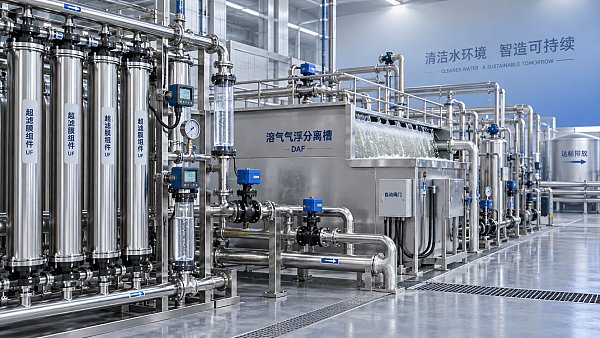
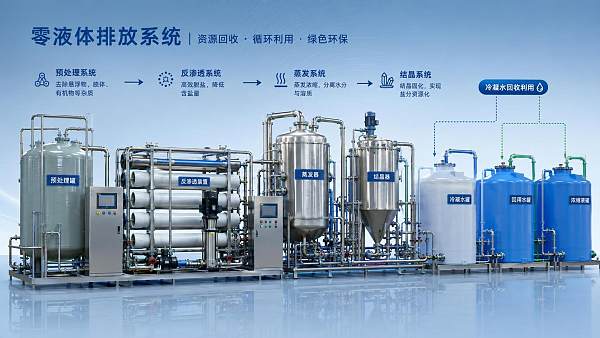
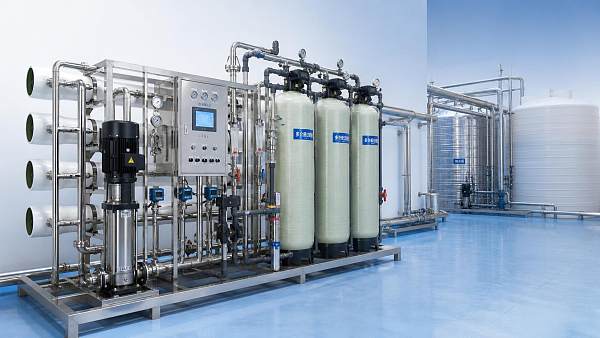
For example, industrial wastewater recycling for rinse water may rely on filtration, UF, and moderate polishing. High-salinity or mixed industrial effluent may require RO, advanced oxidation, or evaporation.
Each step changes both CAPEX and OPEX. It also changes the mechanical demands on pumps, valve trim, sealing materials, and instrumentation accuracy.
FCSM’s fluid machinery perspective is relevant here. Poor pump selection can trigger cavitation, unstable pressure, seal wear, and wasted energy. Those are not side issues. They shape lifecycle economics.
The same applies to control valves. In reuse systems with variable loading, valve rangeability and response quality affect dosing, backwash timing, and pressure management across membrane stages.
A useful comparison looks like this:
- Lower complexity water: lower treatment cost, faster payback, wider supplier options.
- High recovery target: higher capital intensity, stronger water savings, stricter fouling control.
- ZLD-oriented system: maximum compliance protection, but energy and concentrate handling become critical.
So when comparing industrial wastewater recycling systems, it is better to ask whether the process train matches the water and the reuse objective, not whether one technology sounds more advanced.
What mistakes usually damage ROI after installation?
The first mistake is designing around a single lab sample. Industrial wastewater recycling performs best when the design reflects flow swings, contaminant spikes, and seasonal changes.
Another common mistake is underestimating pretreatment. When oil, suspended solids, or hardness are not controlled early, the polishing stages pay the price later.
Some projects also target extreme recovery without fully pricing the side effects. Higher recovery can increase scaling, cleaning demand, and concentrate management costs.
Then there is the controls gap. Limited sensors, weak automation logic, or poor data visibility make troubleshooting slower and plant performance less predictable.
It helps to screen proposals against a short risk checklist:
- Was the wastewater characterized across different operating periods?
- Are pump materials and seals suitable for corrosive or abrasive service?
- Do control valves maintain stability at low and peak loads?
- Is membrane replacement frequency based on proven feed assumptions?
- Has concentrate disposal or further separation been priced realistically?
These questions often reveal whether a low initial quote is truly efficient or simply incomplete.
How can industrial wastewater recycling pay back faster in real projects?
Payback improves when the system is tuned to the highest-value reuse point first. Replacing expensive incoming water usually delivers faster returns than pursuing maximum recovery immediately.
Projects also benefit from phased design. A modular approach can solve today’s discharge and reuse target while leaving room for future polishing or ZLD expansion.
Energy efficiency deserves close attention. Variable frequency drives, efficient pump hydraulics, air system optimization, and better pressure control can materially improve lifecycle cost.
Digital supervision is another accelerator. With stronger monitoring, plants can spot fouling trends, pressure drift, cavitation risk, and abnormal chemical use before performance drops.
In many cases, the fastest path is not the most aggressive technology stack. It is the combination of robust pretreatment, efficient core separation, and reliable fluid control equipment.
That is why industrial wastewater recycling should be evaluated as a system architecture. Mechanical reliability and process control quality are often the quiet drivers of financial return.
What should be clarified before comparing suppliers or approving a project?
Start with the water balance. Confirm how much wastewater is available, how stable it is, and where reused water can displace purchased supply.
Next, define the water quality target in operational terms. A vague reuse goal makes industrial wastewater recycling proposals hard to compare and easy to misprice.
Then review total ownership cost, not only equipment scope. Ask for energy consumption, consumables, membrane life assumptions, maintenance intervals, and downtime implications.
It is also worth checking whether the proposed machinery is aligned with long-term efficiency and reliability priorities. FCSM’s broader market view shows that energy-efficient pumps, smart valves, and advanced separation systems increasingly shape competitive operating models.
A sound decision package usually includes pilot evidence or strong reference data, a sensitivity-based payback model, and a clear expansion path if regulations tighten later.
Industrial wastewater recycling delivers the best results when cost, compliance, and process stability are evaluated together. The next practical step is to map water quality, reuse priority, and lifecycle cost assumptions into one comparison framework before selecting the final solution.
Related News
 What drives industrial wastewater treatment cost per cubic meter?Dr. Alistair VaughnIndustrial wastewater treatment cost per cubic meter depends on influent load, effluent targets, energy, technology, and sludge disposal. Explore the key cost drivers.
 How to verify CE compliance for fluid separation equipmentDr. Alistair VaughnFluid separation equipment CE verification made practical: learn how to check declarations, risk assessments, technical files, pressure safety, and installation readiness.
 Separation equipment trends reshaping industrial wastewater treatmentDr. Alistair VaughnSeparation equipment trends are reshaping industrial wastewater treatment through smarter membranes, modular systems, digital monitoring, and resource recovery strategies.
 When stainless steel separation equipment is the right choice for hygienic processesDr. Alistair VaughnStainless steel separation equipment: discover when hygienic design, corrosion resistance, CIP cleanability, and lifecycle reliability make it the smart choice.
 What to assess before choosing a process industry automation supplierDr. Alistair VaughnChoose a process industry automation supplier with confidence. Assess engineering depth, lifecycle reliability, digital integration, energy performance, and safety before you buy.
 How process control innovation in refineries reduces unplanned shutdownsDr. Alistair VaughnDiscover how process control innovation in refineries detects early deviations, improves valve and equipment reliability, and helps prevent costly unplanned shutdowns.
 What should a zero liquid discharge systems integrator include in its proposal?Dr. Alistair VaughnZero liquid discharge systems integrator proposal checklist: compare guarantees, utilities, scope, controls, waste handling, and lifecycle risk before award.
 Industrial wastewater treatment plant design: sizing for flow and loadDr. Alistair VaughnIndustrial wastewater treatment plant design guide: size systems for peak flow, pollutant loads, reliability, compliance, and lower lifecycle costs.
 Can predictive maintenance and machinery diagnostics prevent downtime?Dr. Alistair VaughnPredictive maintenance machinery diagnostics help reduce unplanned downtime by detecting early equipment issues, improving reliability, and enabling smarter maintenance decisions.
 Can a digital transformation machinery platform cut unplanned downtime?Dr. Alistair VaughnDiscover how a digital transformation machinery platform connects asset data, maintenance workflows, and process insights to reduce unplanned downtime.
 How water treatment equipment sizing affects operating costsDr. Alistair VaughnWater treatment equipment sizing shapes energy, chemical, and maintenance costs. Learn how to balance flow, pressure, recovery, and reliability for efficient operation.
 When does food processing automation justify the upfront investment?Dr. Alistair VaughnIndustrial automation solutions for food processing: discover when automation delivers measurable ROI through higher throughput, lower waste, reliable utilities, and stronger food safety control.