Industrial Wastewater Solutions: 7 Ways to Cut Treatment Costs




Industrial wastewater solutions: where do treatment costs really come from?
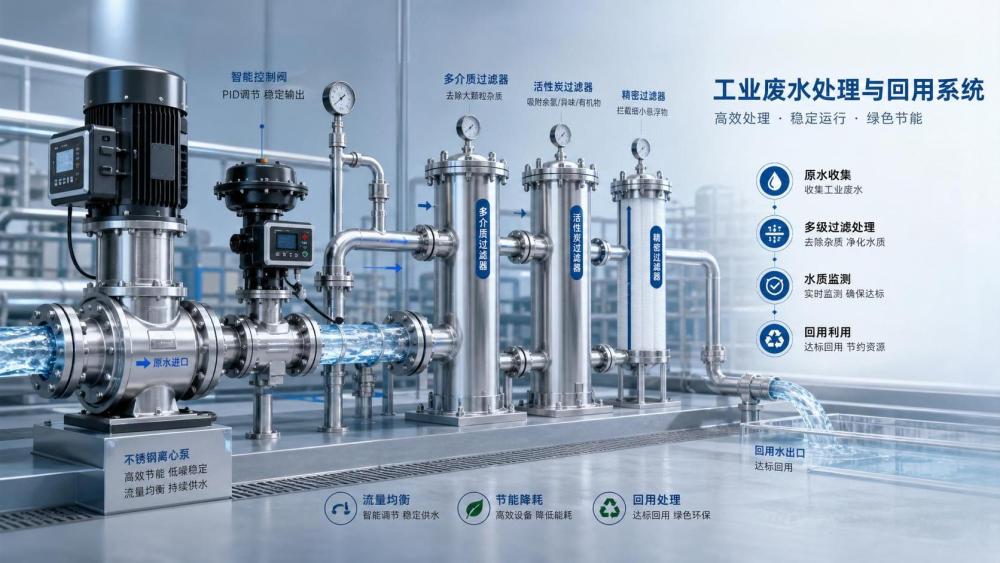
Industrial wastewater solutions are now judged by cost, compliance, and water recovery at the same time.
That shift matters because disposal fees, electricity prices, and discharge limits are moving in the same direction: upward.
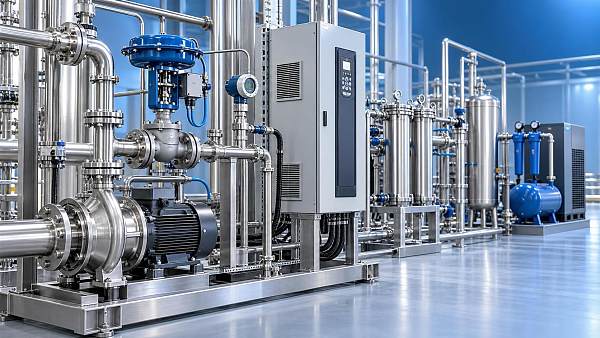
In practice, the biggest expense is rarely one machine. It is usually the system logic behind pumps, valves, aeration, filtration, sludge handling, and reuse targets.
A plant can own capable equipment and still overspend if flow varies too much, controls react too slowly, or separation stages are mismatched.
This is why better industrial wastewater solutions often start with diagnosis, not replacement.
Across the general machinery sector, FCSM closely tracks the fluid side of this problem.
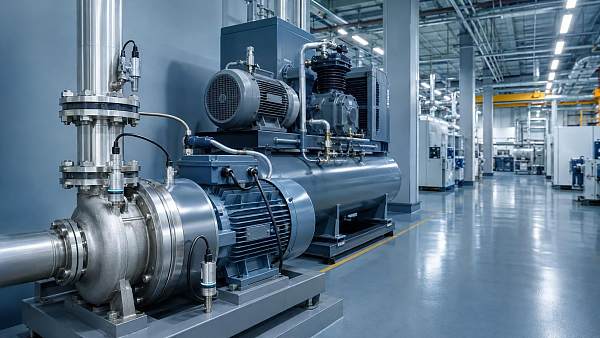
Its coverage of centrifugal pumps, smart control valves, air compressor systems, and industrial filtration reflects a simple reality.
Wastewater cost is deeply tied to how fluids move, how pressure is managed, and how solids are separated.
If the goal is to cut spending without adding operational risk, seven methods appear again and again in successful projects.
Is a full treatment overhaul necessary, or can targeted upgrades reduce cost faster?
A full overhaul is not always the best first move.
More common savings come from fixing the most expensive bottlenecks inside existing industrial wastewater solutions.
The first of the seven cost-cutting methods is flow equalization.
When influent peaks are smoothed, chemical dosing becomes steadier, membranes foul less aggressively, and biological stages stay within design range.
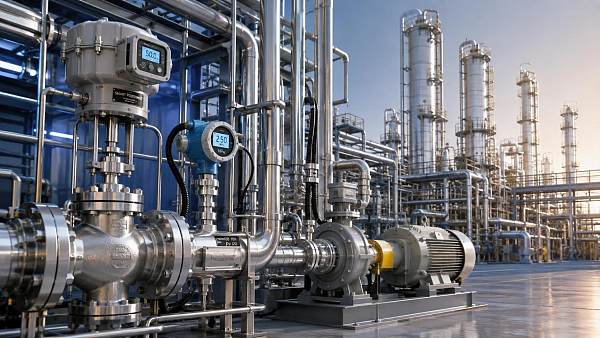
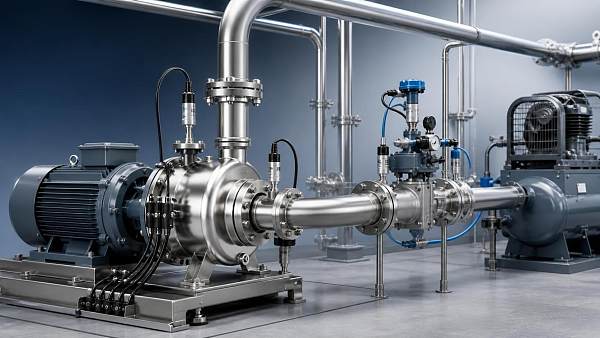
The second is pump optimization.
Oversized or cavitating pumps waste power and shorten seal life. Variable speed control often delivers fast savings when flow demand changes by shift or batch.
The third is valve and control tuning.
Poor throttling accuracy can trigger unstable pressure, poor dosing response, and unnecessary recirculation.
This is where smart pneumatic control valves matter, especially in corrosive and high-temperature wastewater lines.
The fourth method is pretreatment strengthening.
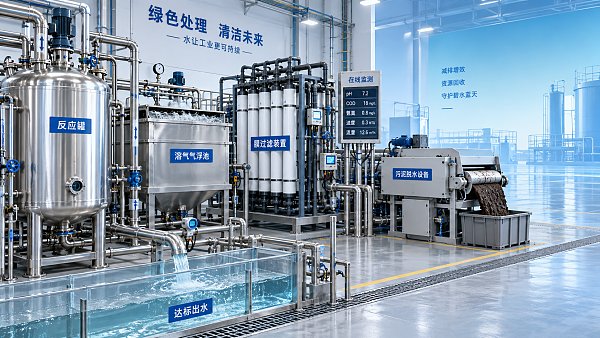
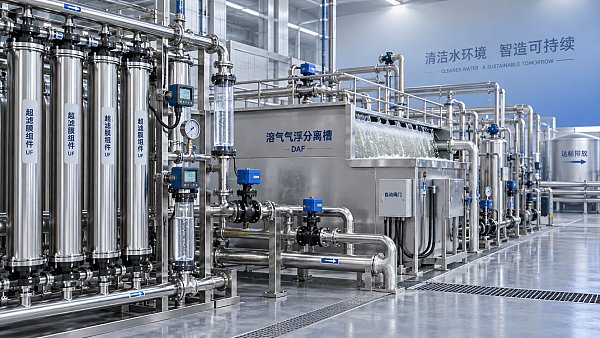
Improved screening, dissolved air flotation, or micron-level filtration reduces downstream loading and lowers total treatment cost more than many operators expect.
Which upgrades usually deliver the fastest payback?
Fast payback usually comes from energy and consumables, because both are visible every month.
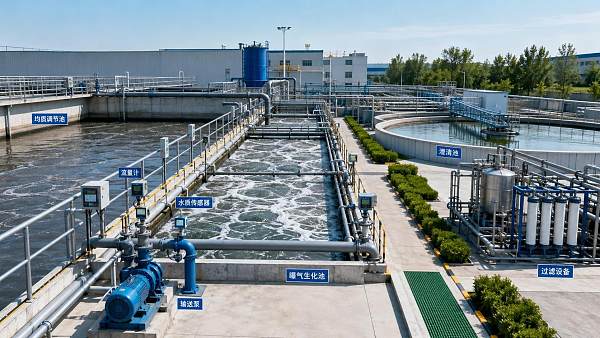
The fifth cost-cutting method is aeration efficiency improvement.
If biological treatment is part of the process, blower control, oxygen transfer, and diffuser condition can decide whether energy use stays reasonable.
The sixth method is chemical reduction through better monitoring.
Plants often overdose coagulants, alkali, or antiscalants as a safety habit. Online sensing and tighter control can cut this buffer without harming compliance.
The seventh method is water recovery and reuse.
Once reuse offsets freshwater demand, industrial wastewater solutions stop being a pure cost center.
That is especially true in sites facing water scarcity or high intake charges.
A quick comparison helps separate cosmetic upgrades from financially meaningful ones.
The useful question is not which technology sounds advanced.
It is which upgrade removes the most expensive constraint in the current process.
How should industrial wastewater solutions be compared before purchase?
Capital cost alone can be misleading.
A lower-priced system may consume more power, require more cleaning, or struggle with future discharge standards.
A better comparison uses total lifecycle cost.
That includes electricity, chemicals, membranes, spare parts, sludge disposal, downtime, and operator workload.
In actual evaluations, four technical questions deserve early attention.
- Can the system handle variable wastewater composition without constant manual correction?
- Does the pump and piping design avoid chronic cavitation, dead zones, and excess head loss?
- Are control valves sized for precision, not just maximum flow?
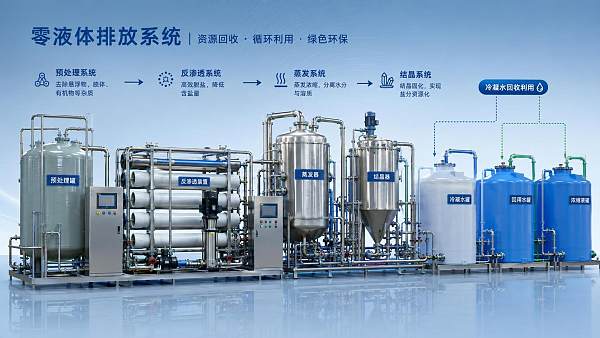
- Can filtration and separation stages support the intended reuse or ZLD pathway?
FCSM’s industry perspective is useful here because treatment economics depend on machinery behavior, not only chemistry.
A pump curve mismatch, a noisy valve at critical velocity, or inefficient compressed air support can quietly erode project returns.
So the comparison should stay system-based from the start.
What mistakes make industrial wastewater solutions look cheaper than they really are?
The most common mistake is designing for average flow while paying for peak consequences.
When peaks arrive, operators add chemicals, increase recirculation, and accept more wear.
Another mistake is ignoring solids behavior.
Wastewater with abrasive particles, sticky organics, or emulsified oils can punish pumps, valves, and membranes differently.
A third mistake is treating automation as optional.
Without dependable instrumentation, industrial wastewater solutions drift toward conservative settings, and conservative settings usually mean higher costs.
There is also a procurement trap around ZLD and high-recovery systems.
These can be excellent investments, but only when concentrate handling, scaling risk, and energy demand are modeled honestly.
A short risk check can prevent expensive surprises.
- Do not accept vague energy estimates without duty-point data.
- Do not compare membrane systems without cleaning frequency assumptions.
- Do not overlook valve material compatibility in aggressive media.
- Do not separate reuse goals from internal water demand planning.
When does reuse, advanced filtration, or ZLD become the smarter cost decision?
Not every site needs the same endpoint.
For some operations, lower-cost pretreatment plus compliant discharge is still the right answer.
For others, advanced industrial wastewater solutions become more attractive each year.
That usually happens when three pressures meet: rising freshwater cost, tighter discharge rules, and valuable internal reuse demand.
Industrial filtration and separation play a decisive role at that point.
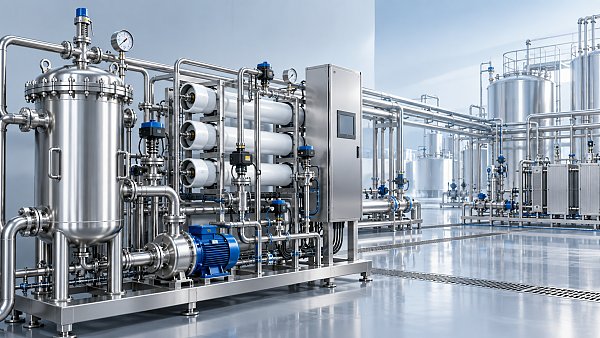
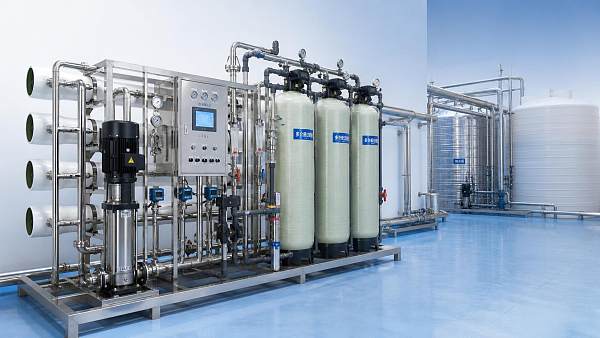
Micron-level screening, ultrafiltration, RO, and brine concentration can turn wastewater treatment into water resource management.
Still, smart adoption depends on sequencing.
Many projects fail because they add advanced recovery before stabilizing upstream hydraulics and solids removal.
In other words, membranes should not be asked to solve what equalization, pumps, and pretreatment failed to control.
What is the practical next step if cost reduction is the goal?
Start with a treatment cost map rather than a vendor list.
Break current spending into power, chemicals, labor, maintenance, sludge, compliance risk, and purchased water.
Then match those costs against the seven improvement routes discussed here.
In many facilities, two or three targeted changes outperform one expensive replacement project.
The strongest industrial wastewater solutions are rarely defined by one machine.
They are built around reliable fluid movement, precise control, efficient separation, and realistic recovery goals.
That is also why machinery intelligence matters.
A system informed by pump performance, valve behavior, compressed air efficiency, and separation design is easier to optimize over time.
For the next step, review actual flow variation, energy intensity, solids profile, and reuse potential before comparing proposals.
That approach makes industrial wastewater solutions easier to judge on value, not just price.
Related News
 What drives industrial wastewater treatment cost per cubic meter?Dr. Alistair VaughnIndustrial wastewater treatment cost per cubic meter depends on influent load, effluent targets, energy, technology, and sludge disposal. Explore the key cost drivers.
 How to verify CE compliance for fluid separation equipmentDr. Alistair VaughnFluid separation equipment CE verification made practical: learn how to check declarations, risk assessments, technical files, pressure safety, and installation readiness.
 Separation equipment trends reshaping industrial wastewater treatmentDr. Alistair VaughnSeparation equipment trends are reshaping industrial wastewater treatment through smarter membranes, modular systems, digital monitoring, and resource recovery strategies.
 When stainless steel separation equipment is the right choice for hygienic processesDr. Alistair VaughnStainless steel separation equipment: discover when hygienic design, corrosion resistance, CIP cleanability, and lifecycle reliability make it the smart choice.
 What to assess before choosing a process industry automation supplierDr. Alistair VaughnChoose a process industry automation supplier with confidence. Assess engineering depth, lifecycle reliability, digital integration, energy performance, and safety before you buy.
 How process control innovation in refineries reduces unplanned shutdownsDr. Alistair VaughnDiscover how process control innovation in refineries detects early deviations, improves valve and equipment reliability, and helps prevent costly unplanned shutdowns.
 What should a zero liquid discharge systems integrator include in its proposal?Dr. Alistair VaughnZero liquid discharge systems integrator proposal checklist: compare guarantees, utilities, scope, controls, waste handling, and lifecycle risk before award.
 Industrial wastewater treatment plant design: sizing for flow and loadDr. Alistair VaughnIndustrial wastewater treatment plant design guide: size systems for peak flow, pollutant loads, reliability, compliance, and lower lifecycle costs.
 Can predictive maintenance and machinery diagnostics prevent downtime?Dr. Alistair VaughnPredictive maintenance machinery diagnostics help reduce unplanned downtime by detecting early equipment issues, improving reliability, and enabling smarter maintenance decisions.
 Can a digital transformation machinery platform cut unplanned downtime?Dr. Alistair VaughnDiscover how a digital transformation machinery platform connects asset data, maintenance workflows, and process insights to reduce unplanned downtime.
 How water treatment equipment sizing affects operating costsDr. Alistair VaughnWater treatment equipment sizing shapes energy, chemical, and maintenance costs. Learn how to balance flow, pressure, recovery, and reliability for efficient operation.
 When does food processing automation justify the upfront investment?Dr. Alistair VaughnIndustrial automation solutions for food processing: discover when automation delivers measurable ROI through higher throughput, lower waste, reliable utilities, and stronger food safety control.