Low-Carbon Factory Equipment: Cost Payback in 2026




Low-carbon factory equipment has moved from environmental ambition to capital discipline. In 2026, payback will be judged less by slogans and more by energy intensity, uptime, compliance exposure, and maintenance performance across fluid and gas systems.
That shift matters across general industry because pumps, compressors, control valves, and separation units often sit inside the highest hidden operating costs. When these assets improve efficiency, the effect reaches electricity bills, water treatment, spare parts, and production continuity at the same time.
For facilities planning replacements or retrofits, the central question is straightforward: which low-carbon factory equipment can recover capital fastest without creating technical risk later? The answer depends on where energy is lost, how stable the process is, and how long the asset will run each year.
Why 2026 makes cost payback more visible
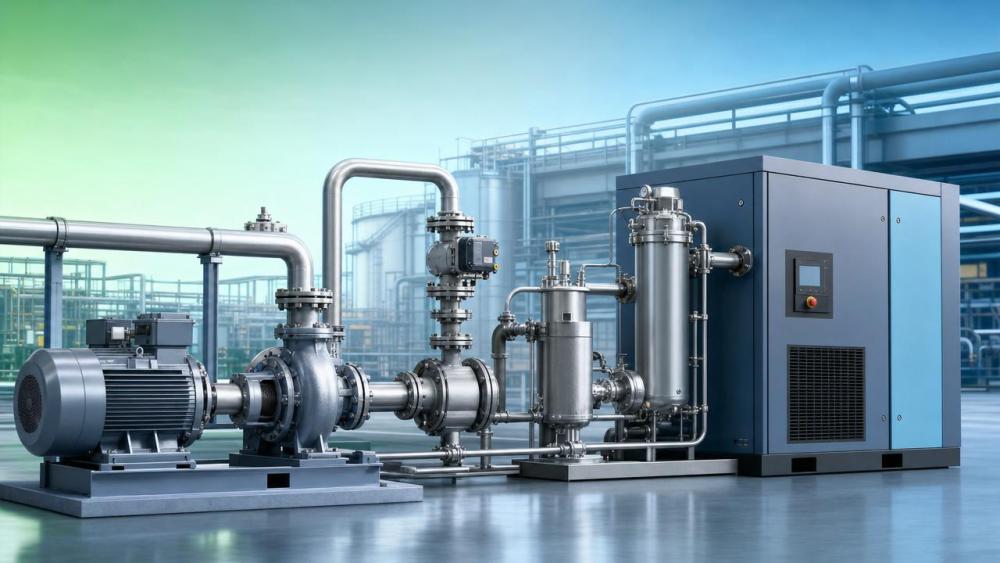
Three pressures are converging. Energy prices remain uncertain, carbon-related reporting is expanding, and unplanned shutdowns are becoming more expensive than many equipment budgets assumed a few years ago.
In that context, low-carbon factory equipment is not only about consuming less power. It also reduces wasted flow, over-compression, throttling losses, leakage, heat load, reject water, and emergency maintenance.
FCSM has tracked this change closely in global fluid control markets. The strongest replacement demand is forming around energy-efficient pumps, advanced compressor systems, smart control valves, and filtration technologies linked to digital monitoring.
The financial logic is simple. If a system runs continuously, even single-digit efficiency gains can compound into a strong annual return. If a system also avoids downtime, the payback curve becomes much shorter.
What counts as low-carbon factory equipment in practice
The term covers equipment that lowers lifecycle emissions through lower energy demand, better control accuracy, reduced waste, and longer reliable service. The capital item itself matters, but the system effect matters more.
In fluid and gas infrastructure, several categories dominate the conversation.
Pumps with higher hydraulic efficiency
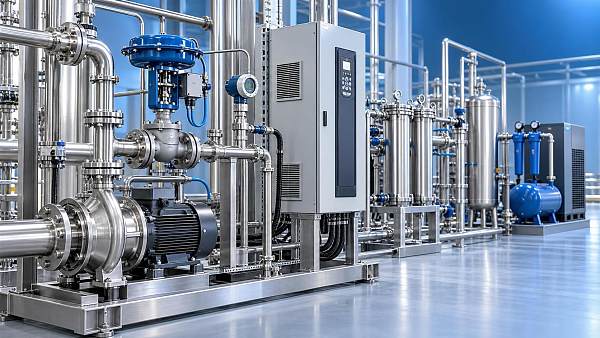
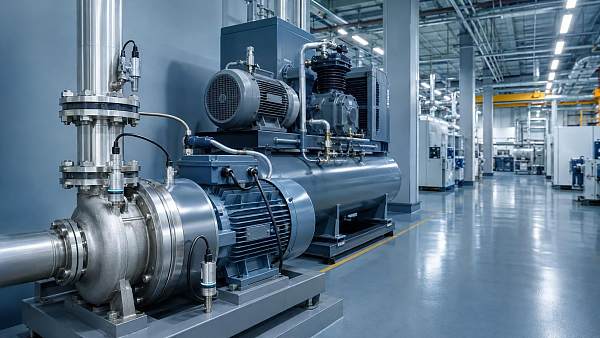
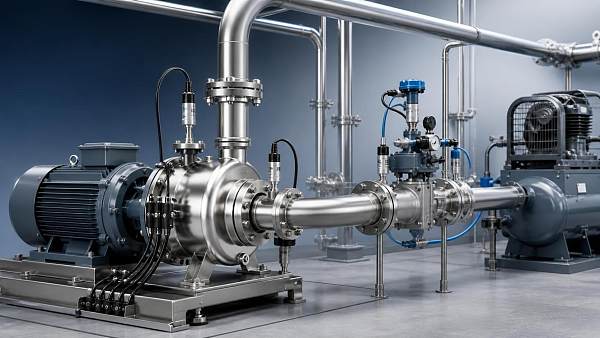
Industrial centrifugal pumps often run far from their best efficiency point. That creates excess power draw, vibration, cavitation risk, and seal wear. A modern redesign can improve both efficiency and reliability.
Where process demand varies, pairing pumps with variable frequency drives can cut large amounts of wasted energy. This is often more valuable than a like-for-like replacement with similar control behavior.
Air compressors with smarter compression logic
Compressed air remains one of the costliest utilities in manufacturing. Permanent magnet variable frequency systems and two-stage compression designs can significantly reduce specific energy consumption.
The bigger gain often comes from system-level cleanup. Leak reduction, pressure reset, heat recovery, and storage optimization turn efficient machines into truly low-carbon factory equipment.
Smart pneumatic control valves
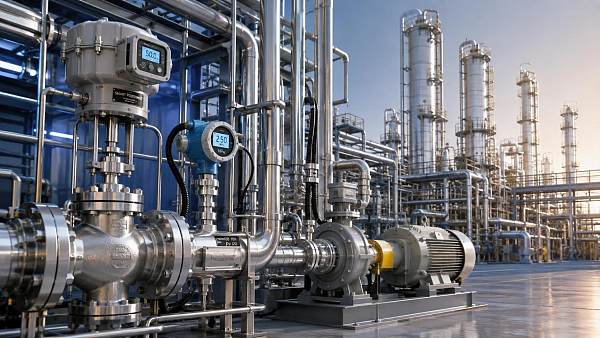
Valves are frequently overlooked in payback studies. Yet poor valve sizing and unstable throttling increase pump load, disturb process quality, and raise compressed air consumption through inefficient actuator behavior.
High-precision trims and smart positioners improve controllability. Better control reduces oscillation, minimizes overuse of utilities, and supports more stable production output.
Filtration and separation systems
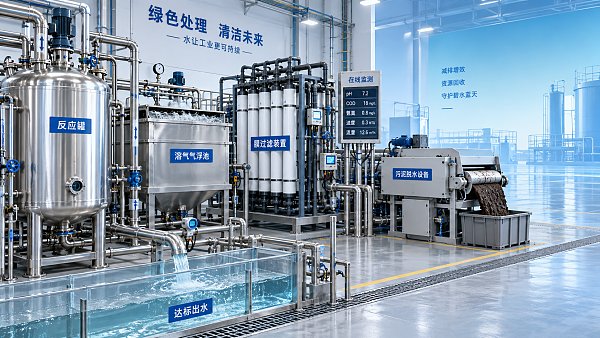
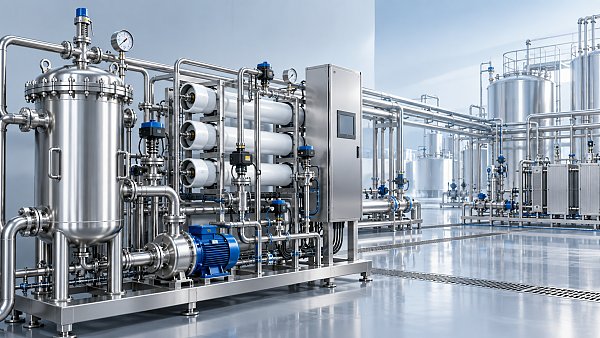
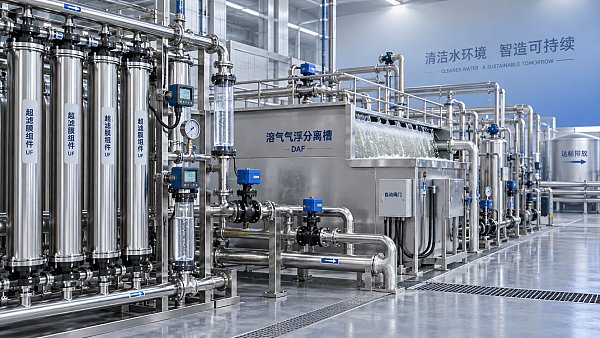
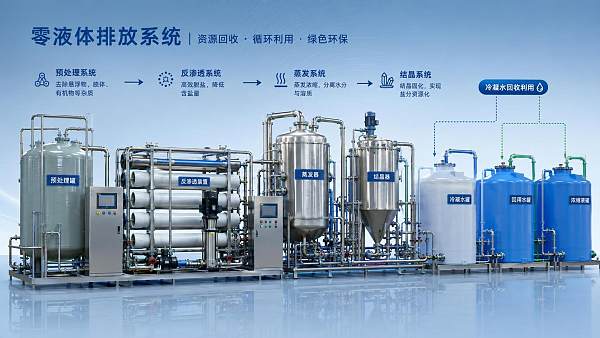
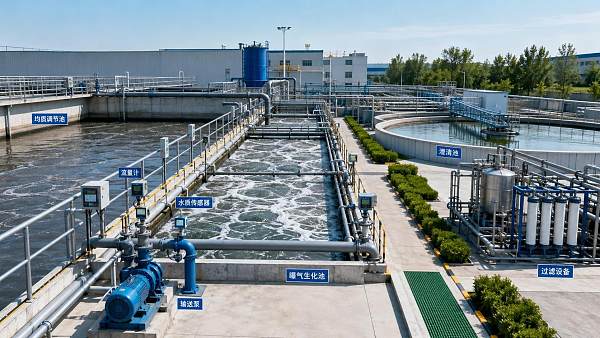
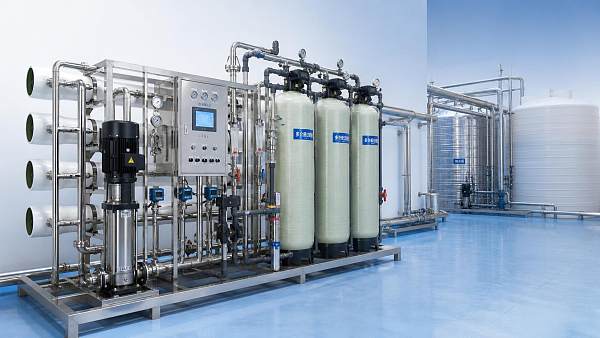
Membrane, mesh, and advanced separation systems create value through water reuse, reduced disposal cost, and lower energy use in downstream treatment. In water-stressed regions, this can be decisive.
Where Zero Liquid Discharge targets are rising, separation equipment also serves as a compliance shield. That avoided risk should be part of the payback discussion.
How finance teams should read payback, not just purchase price
The most common mistake is evaluating low-carbon factory equipment through upfront cost alone. In many plants, energy and maintenance will exceed original purchase value within a few operating years.
A stronger review method compares the full economic stack.
Payback in 2026 will vary by run hours and utility prices, but many industrial upgrades still fall into a two-to-five-year window when evaluated on this broader basis.
This is where FCSM’s perspective becomes useful. Technical details such as cavitation behavior, valve noise at critical velocities, or compressor rotor thermodynamics are not academic side notes. They shape the actual return.
Where the fastest returns usually appear
Not every asset produces the same speed of savings. Plants usually see faster payback when an upgrade targets constant demand, chronic inefficiency, or unstable control.
- Base-load air compressors running across multiple shifts.
- Oversized pumps throttled for long periods.
- Control valves causing oscillation or compressed air waste.
- Water treatment lines with high reject rates or fouling costs.
- Systems exposed to tightening motor-efficiency or discharge rules.
A low-carbon factory equipment strategy becomes especially persuasive when multiple benefits stack together. For example, a compressor upgrade may cut energy use, recover heat, and improve automation reliability in one investment case.
Common mistakes that distort the investment case
Many proposals underperform because the evaluation boundary is too narrow. A motor replacement may look efficient on paper while the surrounding process still wastes pressure, flow, or treatment capacity.
Another issue is using nameplate efficiency instead of real operating data. Low-carbon factory equipment should be measured at actual duty conditions, not ideal laboratory points.
Short-term procurement logic can also mislead. Choosing the lowest bid may increase lifecycle cost through frequent service, unstable controls, or poor integration with digital monitoring systems.
Supply chain risk deserves attention as well. If critical seals, alloys, membranes, or electronic components have long lead times, the apparent savings case may weaken under disruption.
A practical framework for 2026 decisions
A disciplined review does not need to be complicated. It needs to be consistent and based on operating evidence.
Start with energy concentration
Rank assets by annual power cost, not by purchase price. The largest and longest-running loads usually reveal the best low-carbon factory equipment opportunities.
Check controllability, not only efficiency
Equipment that matches demand well often beats equipment with a strong rated efficiency but poor control behavior. Variable loads need flexible response.
Include avoided risk in the model
Compliance penalties, water scarcity, downtime, and product loss are economic variables. They should be quantified, even if estimates require scenario ranges.
Use digital visibility after installation
Predictive maintenance and performance dashboards protect the expected return. Without verification, even good low-carbon factory equipment can drift away from target performance.
What to do next
The next move is rarely a plantwide replacement program. A better approach is to identify one or two utility-heavy systems and build a payback model using actual operating hours, power tariffs, maintenance history, and process losses.
From there, compare options at the system level. A pump with better hydraulic design, a compressor with two-stage compression, a smart valve package, or a higher-recovery separation train may each look modest alone, yet strong together.
For 2026 planning, the most resilient decisions will come from linking fluid dynamics, control quality, and lifecycle economics. That is exactly where low-carbon factory equipment stops being a sustainability label and becomes a measurable industrial advantage.
Related News
 What drives industrial wastewater treatment cost per cubic meter?Dr. Alistair VaughnIndustrial wastewater treatment cost per cubic meter depends on influent load, effluent targets, energy, technology, and sludge disposal. Explore the key cost drivers.
 How to verify CE compliance for fluid separation equipmentDr. Alistair VaughnFluid separation equipment CE verification made practical: learn how to check declarations, risk assessments, technical files, pressure safety, and installation readiness.
 Separation equipment trends reshaping industrial wastewater treatmentDr. Alistair VaughnSeparation equipment trends are reshaping industrial wastewater treatment through smarter membranes, modular systems, digital monitoring, and resource recovery strategies.
 When stainless steel separation equipment is the right choice for hygienic processesDr. Alistair VaughnStainless steel separation equipment: discover when hygienic design, corrosion resistance, CIP cleanability, and lifecycle reliability make it the smart choice.
 What to assess before choosing a process industry automation supplierDr. Alistair VaughnChoose a process industry automation supplier with confidence. Assess engineering depth, lifecycle reliability, digital integration, energy performance, and safety before you buy.
 How process control innovation in refineries reduces unplanned shutdownsDr. Alistair VaughnDiscover how process control innovation in refineries detects early deviations, improves valve and equipment reliability, and helps prevent costly unplanned shutdowns.
 What should a zero liquid discharge systems integrator include in its proposal?Dr. Alistair VaughnZero liquid discharge systems integrator proposal checklist: compare guarantees, utilities, scope, controls, waste handling, and lifecycle risk before award.
 Industrial wastewater treatment plant design: sizing for flow and loadDr. Alistair VaughnIndustrial wastewater treatment plant design guide: size systems for peak flow, pollutant loads, reliability, compliance, and lower lifecycle costs.
 Can predictive maintenance and machinery diagnostics prevent downtime?Dr. Alistair VaughnPredictive maintenance machinery diagnostics help reduce unplanned downtime by detecting early equipment issues, improving reliability, and enabling smarter maintenance decisions.
 Can a digital transformation machinery platform cut unplanned downtime?Dr. Alistair VaughnDiscover how a digital transformation machinery platform connects asset data, maintenance workflows, and process insights to reduce unplanned downtime.
 How water treatment equipment sizing affects operating costsDr. Alistair VaughnWater treatment equipment sizing shapes energy, chemical, and maintenance costs. Learn how to balance flow, pressure, recovery, and reliability for efficient operation.
 When does food processing automation justify the upfront investment?Dr. Alistair VaughnIndustrial automation solutions for food processing: discover when automation delivers measurable ROI through higher throughput, lower waste, reliable utilities, and stronger food safety control.