Low-Carbon Manufacturing: Where Energy Savings Pay Off First




Low-carbon manufacturing is moving from a branding topic to a margin topic. In many plants, the first savings do not come from headline projects. They come from the systems that run every hour.
That is why low-carbon manufacturing often pays off first in pumps, compressors, control valves, and filtration equipment. These assets quietly shape electricity use, maintenance cost, and process stability every day.
For capital approval, the practical question is simple: where does each dollar start returning fastest? In most cases, the answer sits inside fluid and gas systems that already consume too much power.
FCSM tracks this closely across global process industries. Its intelligence work connects fluid dynamics, motor efficiency rules, compressed air performance, and decarbonization pressure into one usable view for real investment decisions.
Where low-carbon manufacturing usually delivers the first returns
The quickest wins are rarely random. They usually appear where energy use is continuous, load profiles are unstable, and equipment was oversized years ago for safety rather than efficiency.
A simple review of runtime, pressure drop, leakage, and control behavior can reveal which assets deserve attention first.
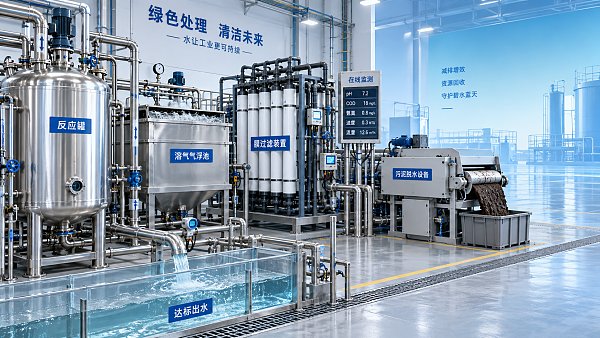
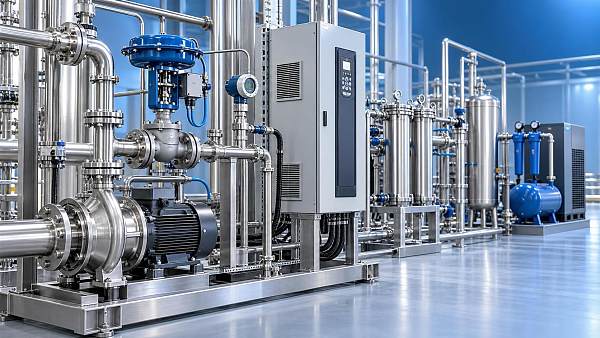
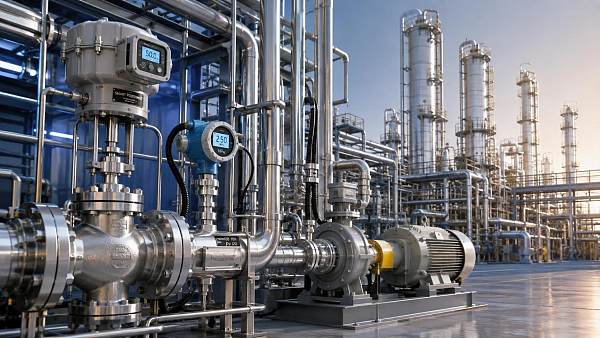
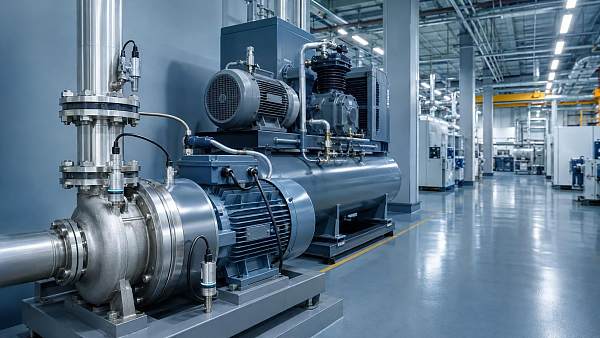
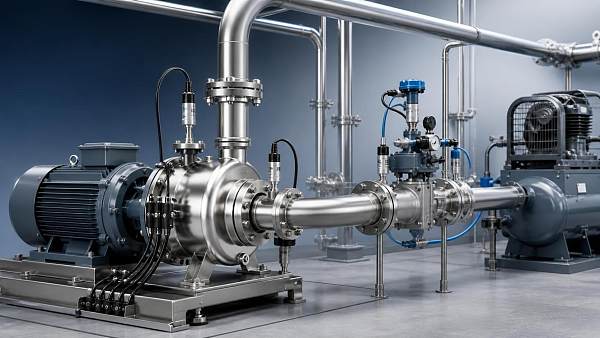
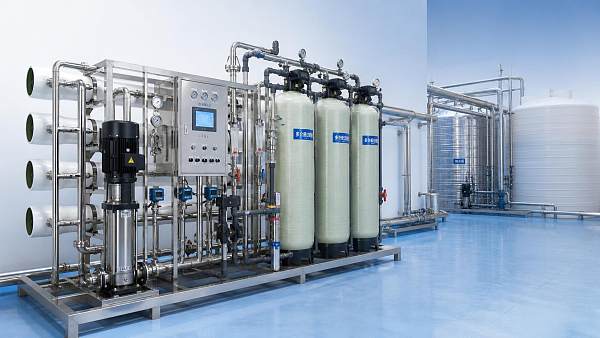
[Image 01: Energy-saving opportunities in pumps, compressors, valves, and filtration systems within a low-carbon manufacturing plant]
- Start with equipment running above 4,000 hours yearly. In low-carbon manufacturing, nonstop assets create the fastest payback because even small efficiency gains multiply into visible annual savings.
- Check motors and drives before replacing full systems. Variable frequency control often cuts wasted power quickly, especially where flow, pressure, or air demand changes across shifts.
- Review pressure losses across valves, filters, and piping. Hidden resistance forces pumps and compressors to work harder, raising both carbon intensity and operating expenses.
- Prioritize assets with frequent maintenance alarms. Energy waste and reliability loss often appear together, so a low-carbon manufacturing upgrade can improve uptime and cost at once.
- Compare actual duty points with design assumptions. Oversized pumps and compressors often look safe on paper but waste power every day in partial-load conditions.
- Use measured data, not nameplate data, for approval. Real flow, pressure, and power trends produce stronger savings cases than vendor estimates alone.
The four systems that deserve attention first
Pumps: constant demand makes losses expensive
Industrial centrifugal pumps are often the first place to look. In water, chemical, mining, and utility operations, they run for long hours and respond badly to throttling and poor system matching.
FCSM’s coverage of cavitation behavior and impeller performance matters here. If a pump is noisy, unstable, or frequently repaired, low-carbon manufacturing may begin with hydraulic correction rather than just a motor swap.
- Look for throttled discharge valves and bypass lines. These are classic signs that the pump is producing more flow than the process truly needs.
- Audit cavitation risk, seal wear, and vibration history together. Hydraulic inefficiency usually drives both energy loss and rising maintenance cost.
Air compressors: small leaks, large bills
Compressed air is one of the most expensive utilities in any plant. That makes it one of the easiest places for low-carbon manufacturing to show measurable savings in a short timeframe.
Permanent magnet variable frequency systems and two-stage compression can lower energy use sharply, but only if the air network is also cleaned up.
- Measure leak rates during non-production hours. Many sites discover that avoidable air loss quietly consumes a large share of compressor electricity.
- Check system pressure against end-use needs. Reducing pressure slightly can cut power draw without affecting output when the network is properly tuned.
Control valves: precision affects energy
Smart pneumatic control valves are not always treated as energy assets, but they should be. Poor trim selection or unstable positioning can cause process swings that waste steam, power, and compressed air.
In low-carbon manufacturing, better control quality often produces savings indirectly by stabilizing the entire line.
- Check whether valves operate near closed or wide open most of the time. That usually signals bad sizing and unnecessary pressure loss.
- Review positioner accuracy and response speed. Better control reduces oscillation, off-spec production, and repeated energy-heavy corrections.
Filtration and separation: pressure drop eats margins
Filtration systems are easy to overlook because they are often seen as quality or compliance tools. In reality, clogged media and poor membrane management increase differential pressure and raise power demand fast.
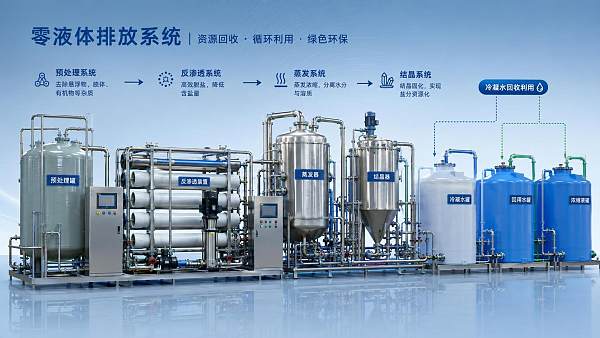
This is especially important in wastewater treatment, ZLD projects, and fluid recovery loops, where low-carbon manufacturing goals depend on both energy and water performance.
- Track pressure drop trends, not just replacement intervals. Condition-based filter changes usually outperform fixed schedules on both cost and energy.
- Examine membrane fouling and pump interaction together. Separation efficiency and pumping efficiency are linked more closely than many teams expect.
A practical screen for capital approval
Not every low-carbon manufacturing project deserves immediate approval. The strongest cases usually score well across five factors: runtime, energy intensity, controllability, maintenance burden, and production impact.
This is where external intelligence helps. FCSM follows evolving motor efficiency regulations, special metal supply risks, and equipment replacement demand tied to peak-carbon policies.
That wider market view can sharpen timing. Sometimes the best low-carbon manufacturing investment is the one approved before regulation, lead time, or material prices move against it.
Common misses that weaken the business case
A lot of energy projects underperform for predictable reasons. The equipment may be efficient, but the system around it is not. That creates savings gaps and weakens confidence in future approvals.
- Do not approve based on component efficiency alone. In low-carbon manufacturing, the system curve matters as much as the machine specification.
- Avoid ignoring maintenance and downtime value. A project that cuts failures may outperform one with a slightly shorter energy-only payback.
- Do not treat digital monitoring as optional. Metering and trend data are what protect projected savings after installation.
- Watch for hidden utility interactions. A valve change can affect pump load, compressor demand, or filtration pressure in the next process step.
What this looks like in real operating situations
In a water-intensive process line, a legacy centrifugal pump may run continuously while a control valve trims excess flow. That setup looks stable, but it often burns power with no production benefit.
A better low-carbon manufacturing move is to review the pump duty point, add speed control where suitable, and confirm that valve authority still supports process stability.
In a packaging or assembly site, compressors may appear efficient because they are newer. Yet leak losses, poor storage sizing, and inflated system pressure can still make the air network a major cost center.
The smart first step is often a weekend leak test and demand profile review. That creates a cleaner capital case than replacing hardware too early.
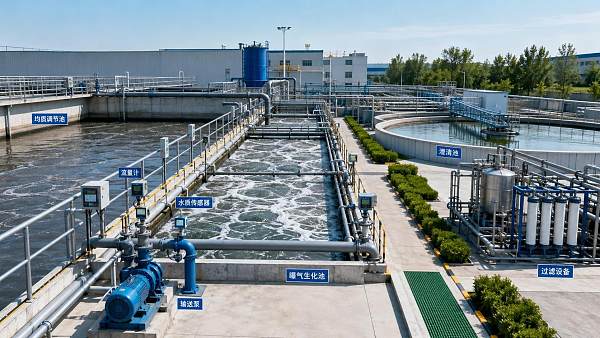
In wastewater and reuse systems, membrane fouling may slowly increase pump energy while product recovery falls. Because the change is gradual, it can be missed until costs become obvious.
Here, low-carbon manufacturing works best when separation performance, cleaning cycles, and pumping energy are evaluated together rather than by different teams in isolation.
A sensible next move
If the goal is fast, defensible savings, start with the fluid and gas systems that already shape daily operating cost. That is where low-carbon manufacturing becomes practical instead of abstract.
Focus first on high-runtime pumps, compressed air systems, unstable control valves, and pressure-heavy filtration lines. Then test each opportunity against measured power use, maintenance history, and process impact.
With the right system data and market intelligence from sources such as FCSM, low-carbon manufacturing stops looking like a compliance burden. It starts looking like what it often is: one of the clearest cost-reduction decisions on the table.
Related News
 What drives industrial wastewater treatment cost per cubic meter?Dr. Alistair VaughnIndustrial wastewater treatment cost per cubic meter depends on influent load, effluent targets, energy, technology, and sludge disposal. Explore the key cost drivers.
 How to verify CE compliance for fluid separation equipmentDr. Alistair VaughnFluid separation equipment CE verification made practical: learn how to check declarations, risk assessments, technical files, pressure safety, and installation readiness.
 Separation equipment trends reshaping industrial wastewater treatmentDr. Alistair VaughnSeparation equipment trends are reshaping industrial wastewater treatment through smarter membranes, modular systems, digital monitoring, and resource recovery strategies.
 When stainless steel separation equipment is the right choice for hygienic processesDr. Alistair VaughnStainless steel separation equipment: discover when hygienic design, corrosion resistance, CIP cleanability, and lifecycle reliability make it the smart choice.
 What to assess before choosing a process industry automation supplierDr. Alistair VaughnChoose a process industry automation supplier with confidence. Assess engineering depth, lifecycle reliability, digital integration, energy performance, and safety before you buy.
 How process control innovation in refineries reduces unplanned shutdownsDr. Alistair VaughnDiscover how process control innovation in refineries detects early deviations, improves valve and equipment reliability, and helps prevent costly unplanned shutdowns.
 What should a zero liquid discharge systems integrator include in its proposal?Dr. Alistair VaughnZero liquid discharge systems integrator proposal checklist: compare guarantees, utilities, scope, controls, waste handling, and lifecycle risk before award.
 Industrial wastewater treatment plant design: sizing for flow and loadDr. Alistair VaughnIndustrial wastewater treatment plant design guide: size systems for peak flow, pollutant loads, reliability, compliance, and lower lifecycle costs.
 Can predictive maintenance and machinery diagnostics prevent downtime?Dr. Alistair VaughnPredictive maintenance machinery diagnostics help reduce unplanned downtime by detecting early equipment issues, improving reliability, and enabling smarter maintenance decisions.
 Can a digital transformation machinery platform cut unplanned downtime?Dr. Alistair VaughnDiscover how a digital transformation machinery platform connects asset data, maintenance workflows, and process insights to reduce unplanned downtime.
 How water treatment equipment sizing affects operating costsDr. Alistair VaughnWater treatment equipment sizing shapes energy, chemical, and maintenance costs. Learn how to balance flow, pressure, recovery, and reliability for efficient operation.
 When does food processing automation justify the upfront investment?Dr. Alistair VaughnIndustrial automation solutions for food processing: discover when automation delivers measurable ROI through higher throughput, lower waste, reliable utilities, and stronger food safety control.