Predictive Maintenance Machinery: Early Warning Signals Worth Tracking




Predictive maintenance machinery has moved from a technical upgrade to an operating necessity. In fluid control systems, the earliest signs of trouble rarely begin with a shutdown. They appear as small deviations in vibration, pressure, temperature, noise, power draw, or process stability. Tracking those weak signals early helps protect uptime, reduce repeat service visits, and preserve efficiency across pumps, valves, compressors, and separation equipment.
Why early warning matters more now
Industrial machinery now runs under tighter energy targets, stricter reliability expectations, and more variable process loads. That changes the maintenance equation.
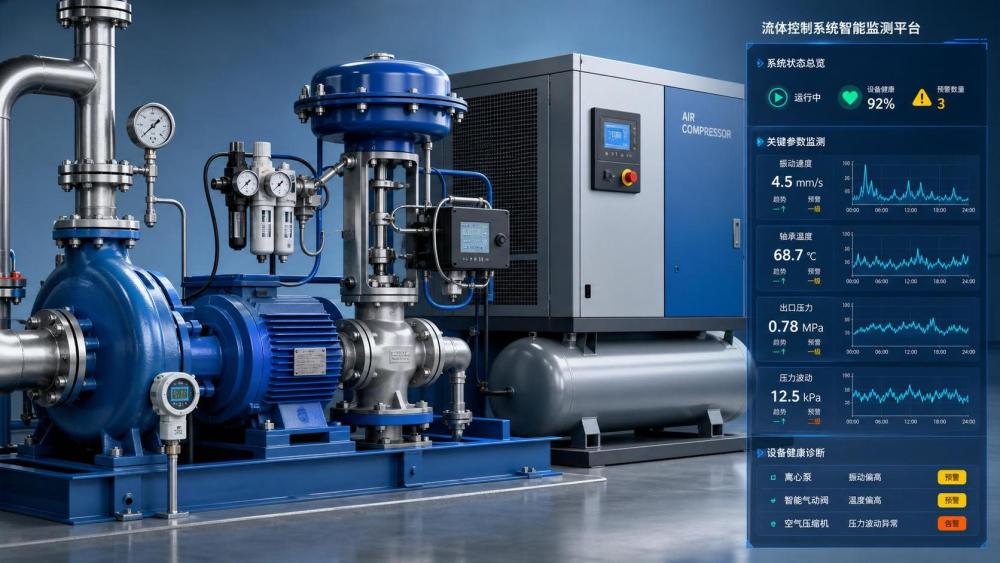
A pump that loses hydraulic efficiency does not only risk failure. It also raises energy consumption, affects downstream flow balance, and can increase seal stress.
A control valve with position drift may still operate, yet it can quietly destabilize temperature loops, increase compressed air use, and reduce product consistency.
An air compressor with rising discharge temperature may continue supplying air, but the hidden cost appears in moisture problems, oil degradation, and higher power demand.
This is where predictive maintenance machinery becomes valuable. It focuses on condition trends before faults become visible, urgent, and expensive.
What predictive maintenance machinery really means
In practice, predictive maintenance machinery is not a single device or software screen. It is a maintenance approach built on signals, context, and timing.
The goal is simple: detect deterioration early enough to act during a planned window, not during an emergency.
That usually involves combining sensor data, inspection findings, alarm history, and process behavior. A rising trend matters more than one isolated reading.
For general machinery, this approach is especially useful because many failures start as performance drift. Bearings, seals, impellers, valve trim, filters, membranes, and motors all leave signals before breakdown.
The strongest maintenance decisions come from linking mechanical symptoms with process realities, not from watching a single indicator in isolation.
Signals worth tracking across core equipment
FCSM follows the machinery that keeps industrial fluids and gases moving. Across these systems, several warning signals appear repeatedly.
Centrifugal and plunger pumps
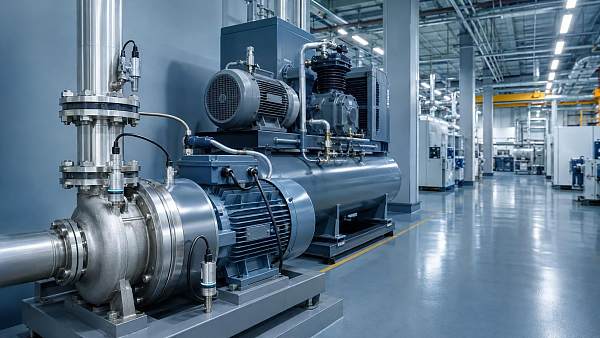
For pumps, vibration is important, but it is only part of the picture. Cavitation often announces itself through unstable flow, pressure fluctuation, and a distinct change in acoustic pattern.
Seal leakage rates, bearing temperature, suction conditions, and motor current should be trended together. A drop in efficiency may signal wear long before a failure alarm appears.
Smart pneumatic control valves
Valve travel deviation, hunting, slow response, and rising air consumption often indicate friction, trim wear, actuator weakness, or positioner issues.
In corrosive or high-temperature service, small changes in control stability may reveal damage earlier than visual inspection can.
Air compressor systems
Compressors usually provide strong early signals. Watch discharge temperature, pressure ratio, oil condition, vibration spectrum, condensate quality, and specific energy consumption.
A machine can still meet output demand while moving steadily toward fouling, internal leakage, or motor stress.
Filtration and separation equipment
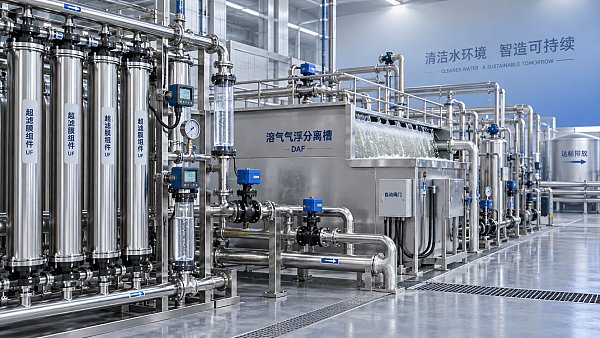
Differential pressure is a leading indicator, but not the only one. Flow decline, turbidity shifts, membrane recovery changes, and cleaning frequency can reveal progressive fouling or channel blockage.
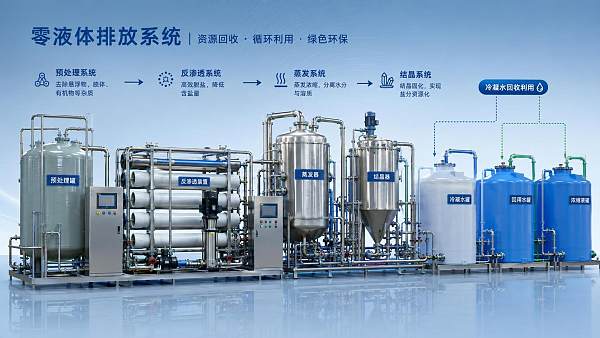
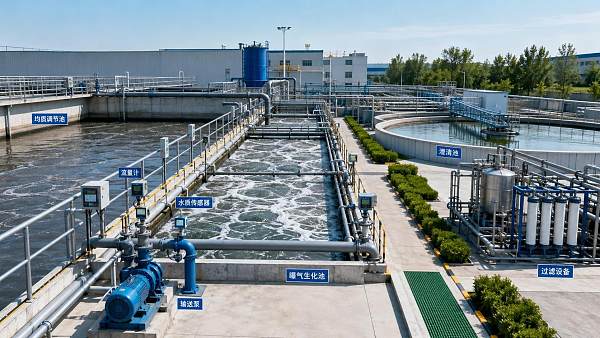
In wastewater and ZLD applications, these trends often carry direct operating cost implications.
Why context matters as much as data
Not every abnormal reading means imminent failure. Machinery must be read within the operating envelope.
A pressure swing during a feedstock change is different from the same swing during stable production. A compressor temperature rise after ambient weather shifts is not judged the same way as one during unchanged load.
This is why predictive maintenance machinery works best when condition data is tied to process history, duty cycle, maintenance records, and equipment design limits.
FCSM’s industry lens is useful here. Fluid dynamic cavitation, control valve noise at critical flow velocity, and compressor thermodynamic behavior all show that weak signals need interpretation, not just collection.
Where the business value appears
The most visible benefit is lower unplanned downtime. The less visible benefits are often just as important.
- Service visits become more targeted because fault isolation improves before arrival.
- Spare parts planning becomes more rational because wear progression is clearer.
- Energy losses are identified earlier, especially in pumps and compressors.
- Safety risk decreases when leakage, overheating, or unstable control is caught in time.
- Customer confidence improves when recommendations are based on trend evidence, not guesswork.
That matters in a market shaped by decarbonization, energy-efficiency regulations, and tighter scrutiny of total lifecycle cost.
How to apply it without overcomplicating maintenance
A practical predictive maintenance machinery program does not begin with maximum instrumentation. It begins with the most failure-sensitive assets and the most useful signals.
Start with failure patterns
Review repeated service cases. Look for parts or subsystems that fail after similar symptoms, even when the final root cause differs.
Choose signals with action value
A signal is useful when it supports a decision. For example, rising vibration alone may trigger inspection, but vibration plus temperature and load trend can justify intervention timing.
Set baselines, not just alarms
Machines of the same model do not always behave identically. Baselines should reflect actual installed conditions, fluid properties, duty cycles, and control settings.
Keep field observations in the loop
Sound, odor, leakage pattern, condensate appearance, and response lag still matter. Predictive systems improve when digital readings and field observations confirm each other.
A practical checklist for signal review
When evaluating predictive maintenance machinery results, these questions help separate noise from meaningful change.
- Is the trend persistent, or is it a one-time excursion?
- Did the change happen with a process shift, shutdown, or product switch?
- Are two or more indicators moving together?
- Does the change match known failure modes for this asset?
- Will delaying action raise energy, safety, or quality risk?
These questions keep maintenance judgment disciplined, especially in mixed fleets with different ages, vendors, and operating profiles.
What to watch next
The next stage of predictive maintenance machinery is not only about more sensors. It is about better interpretation across the full fluid system.
Pumps, valves, compressors, and separation units influence one another. A restriction in one section can reshape conditions elsewhere and mislead isolated diagnostics.
That makes system-level intelligence increasingly important. Sources such as FCSM are valuable because they connect machinery behavior with fluid dynamics, process control, energy efficiency, and evolving industrial standards.
A sensible next step is to rank critical assets, define three to five early warning signals for each one, and compare those signals against actual service history. That creates a realistic starting point for stronger predictive maintenance machinery decisions.
- smart pneumatic control valves
- air compressor systems
- predictive maintenance machinery
- fluid dynamic cavitation
- fluid control systems
- plunger pumps
- control valves
- pneumatic control valves
- separation equipment
- fluid dynamics
- process control
- predictive maintenance
- energy efficiency
- decarbonization
- valve trim
- industrial machinery
Related News
 What drives industrial wastewater treatment cost per cubic meter?Dr. Alistair VaughnIndustrial wastewater treatment cost per cubic meter depends on influent load, effluent targets, energy, technology, and sludge disposal. Explore the key cost drivers.
 How to verify CE compliance for fluid separation equipmentDr. Alistair VaughnFluid separation equipment CE verification made practical: learn how to check declarations, risk assessments, technical files, pressure safety, and installation readiness.
 Separation equipment trends reshaping industrial wastewater treatmentDr. Alistair VaughnSeparation equipment trends are reshaping industrial wastewater treatment through smarter membranes, modular systems, digital monitoring, and resource recovery strategies.
 When stainless steel separation equipment is the right choice for hygienic processesDr. Alistair VaughnStainless steel separation equipment: discover when hygienic design, corrosion resistance, CIP cleanability, and lifecycle reliability make it the smart choice.
 What to assess before choosing a process industry automation supplierDr. Alistair VaughnChoose a process industry automation supplier with confidence. Assess engineering depth, lifecycle reliability, digital integration, energy performance, and safety before you buy.
 How process control innovation in refineries reduces unplanned shutdownsDr. Alistair VaughnDiscover how process control innovation in refineries detects early deviations, improves valve and equipment reliability, and helps prevent costly unplanned shutdowns.
 What should a zero liquid discharge systems integrator include in its proposal?Dr. Alistair VaughnZero liquid discharge systems integrator proposal checklist: compare guarantees, utilities, scope, controls, waste handling, and lifecycle risk before award.
 Industrial wastewater treatment plant design: sizing for flow and loadDr. Alistair VaughnIndustrial wastewater treatment plant design guide: size systems for peak flow, pollutant loads, reliability, compliance, and lower lifecycle costs.
 Can predictive maintenance and machinery diagnostics prevent downtime?Dr. Alistair VaughnPredictive maintenance machinery diagnostics help reduce unplanned downtime by detecting early equipment issues, improving reliability, and enabling smarter maintenance decisions.
 Can a digital transformation machinery platform cut unplanned downtime?Dr. Alistair VaughnDiscover how a digital transformation machinery platform connects asset data, maintenance workflows, and process insights to reduce unplanned downtime.
 How water treatment equipment sizing affects operating costsDr. Alistair VaughnWater treatment equipment sizing shapes energy, chemical, and maintenance costs. Learn how to balance flow, pressure, recovery, and reliability for efficient operation.
 When does food processing automation justify the upfront investment?Dr. Alistair VaughnIndustrial automation solutions for food processing: discover when automation delivers measurable ROI through higher throughput, lower waste, reliable utilities, and stronger food safety control.