Process Control Innovation Trends Reshaping Industrial Efficiency in 2026




Process control innovation trends are moving from automation to operating intelligence
In 2026, process control innovation trends are no longer defined by isolated upgrades or basic automation projects.
The real shift is broader.
Industrial operators now expect control architecture to improve energy use, asset reliability, emissions performance, and response speed at the same time.
That expectation is changing decisions across chemicals, water treatment, power, food processing, mining, and advanced manufacturing.
What once counted as efficient control, such as stable loops and acceptable downtime, now looks incomplete.
The new benchmark ties control performance to business resilience and carbon intensity.
This is why process control innovation trends are drawing attention far beyond instrumentation teams.
A clearer signal comes from fluid and gas systems, where efficiency losses were often tolerated because they seemed too granular to manage.
Today, those losses are measurable, visible, and expensive.
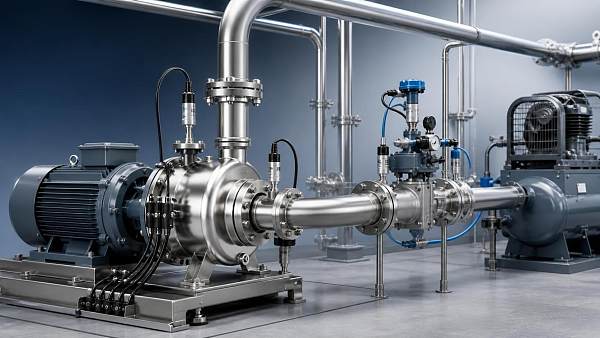
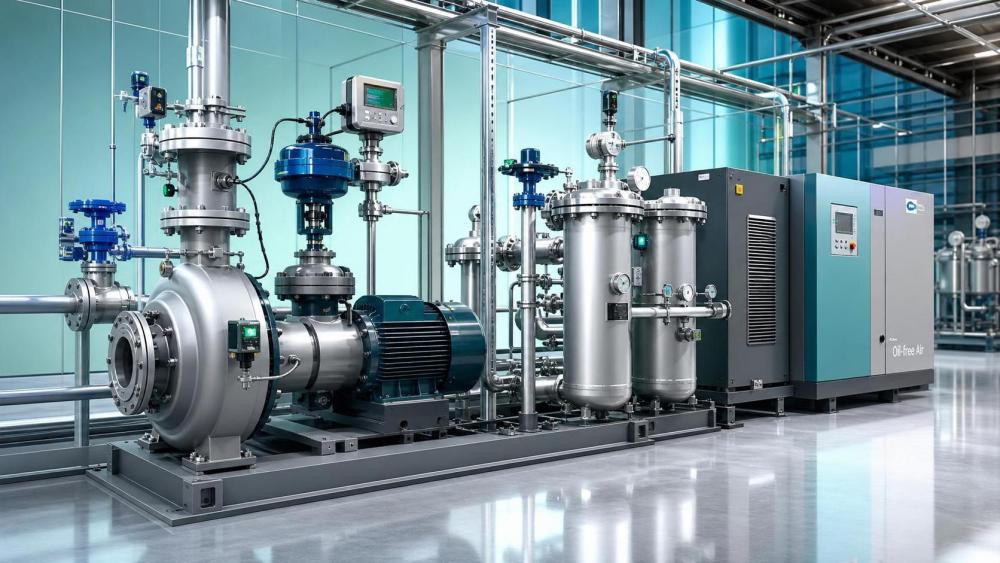
Across pumps, control valves, compressors, and separation equipment, better sensing and analytics are turning hidden instability into actionable control decisions.
That broader operating view sits close to the field focus of FCSM, where fluid dynamics, machine efficiency, and digital transformation are increasingly inseparable.
Why this change is becoming visible now
The timing is not accidental.
Several pressures have converged, and each one makes process control innovation trends more practical and more urgent.
These drivers also explain why process control innovation trends now reach into equipment specification itself.
A pump is no longer judged only by flow and head.
A valve is no longer judged only by shutoff class.
A compressor is no longer judged only by capacity.
Decision quality increasingly depends on how each asset behaves within a responsive, data-linked control environment.
The strongest signals are emerging in fluid and gas control systems
From recent project activity, the most important changes are happening where process variability meets heavy energy consumption.
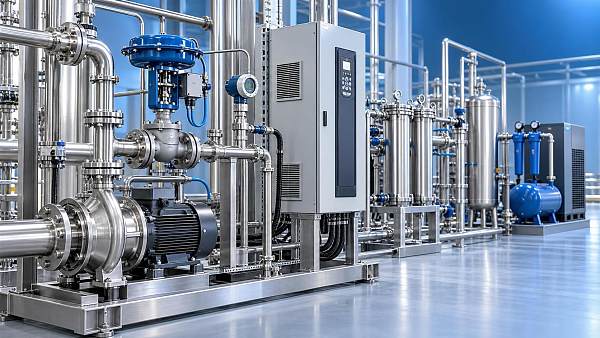
That makes pumps, smart pneumatic control valves, air compressor systems, and industrial filtration especially revealing.
Centrifugal pumps are becoming controllable efficiency assets
For years, many pumping systems ran with oversized margins and limited feedback.
In 2026, process control innovation trends are pushing operators toward variable response, cavitation awareness, and lifecycle energy monitoring.
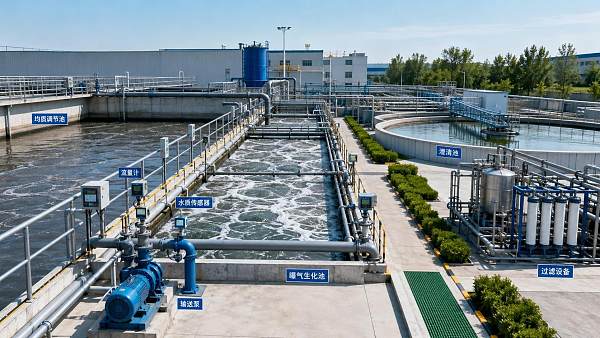
This matters in chemical transfer, wastewater recirculation, cooling loops, and nuclear support systems.
CFD-informed design, better pressure sensing, and digital twins are making pump instability easier to predict before efficiency collapses.
Control valves are evolving into precision data nodes
Valve performance is now linked to more than flow authority.
Smart positioners, trim diagnostics, and noise modeling are helping plants detect oscillation, stiction, and pressure shocks earlier.
In corrosive or high-temperature duty, that shift reduces quality drift and maintenance surprises.
Compressed air is under sharper scrutiny
Compressed air remains one of the costliest hidden utilities in industry.
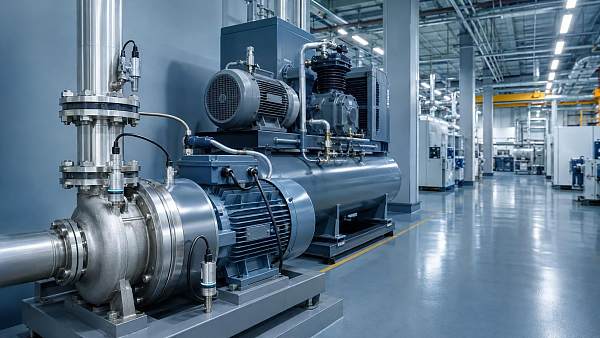
Permanent magnet variable frequency drives, two-stage compression, and leak analytics are moving from optional upgrades to mainstream requirements.
This is one of the clearest areas where process control innovation trends create immediate operating payback.
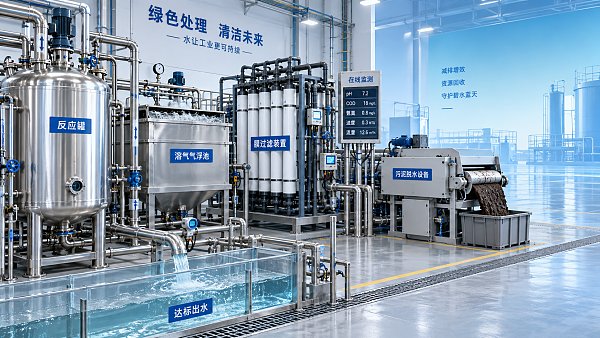
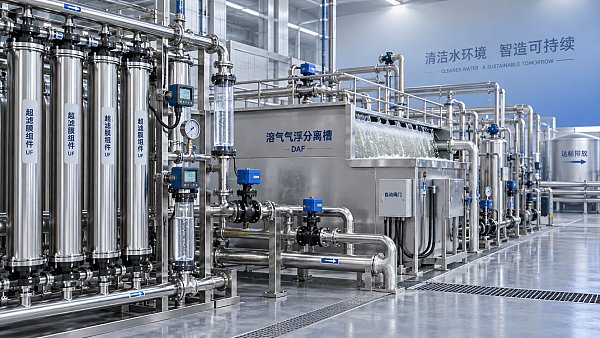
Separation systems are now part of the control conversation
Filtration and membrane systems used to sit downstream of core control decisions.
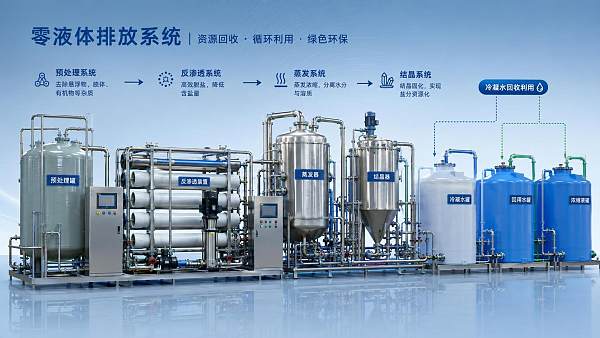
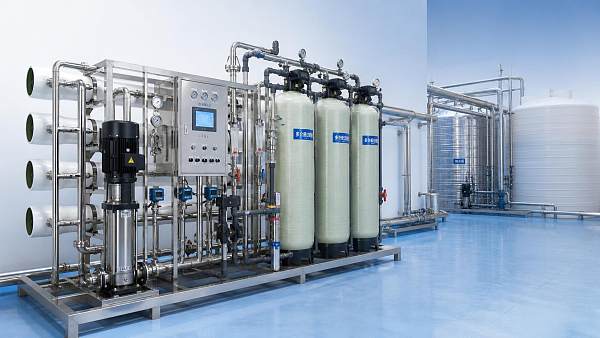
That is changing because fouling, water recovery, and Zero Liquid Discharge targets now affect overall plant efficiency.
More facilities are treating separation performance as a live control variable, not a periodic maintenance issue.
The impact is spreading across operations, maintenance, and capital planning
One reason process control innovation trends matter is that they do not stay inside the control room.
They change how plants define acceptable risk and where they expect returns from modernization.
- Operations teams gain tighter throughput control during feedstock shifts, load fluctuations, and utility constraints.
- Maintenance teams get earlier warnings on seal wear, bearing stress, valve degradation, and compressor imbalance.
- Engineering teams can compare retrofit scenarios using real process behavior instead of static design assumptions.
- Leadership teams get clearer evidence for energy, uptime, and carbon improvement claims.
The more advanced plants are also changing how they evaluate payback.
They no longer isolate one pump, one line, or one controller.
Instead, they look at system interaction.
That includes valve authority, compressor sequencing, fouling rates, and off-design operation.
This system view aligns closely with FCSM’s focus on the connected behavior of industrial fluid and gas machinery.
What deserves closer attention before the market gets noisier
As interest rises, not every claim around process control innovation trends will carry equal value.
The more useful signals tend to be technical, measurable, and tied to operating constraints.
Watch the link between data and physical behavior
Analytics alone do not improve performance.
The stronger solutions connect data models with cavitation behavior, critical flow velocity, rotor thermodynamics, or membrane loading conditions.
That is where engineering credibility starts.
Treat efficiency and reliability as one issue
An asset that saves power but shortens maintenance intervals is not a real improvement.
The next phase of process control innovation trends favors solutions that raise COP, stabilize output, and extend useful life together.
Check exposure to standards and materials risk
Energy efficiency regulations, emissions reporting, and supply chain shocks in specialty metals are reshaping equipment choices.
That means control strategy should be reviewed alongside motor classes, actuator design, seal materials, and serviceability.
A practical reading of 2026 points to selective, staged action
The strongest response is rarely a full-site overhaul.
In practice, process control innovation trends create the most value when organizations prioritize unstable, energy-intensive, or regulation-sensitive systems first.
A staged roadmap usually works better than a broad modernization slogan.
- Map the assets where control instability creates the highest energy or quality penalty.
- Compare real operating points against design assumptions for pumps, valves, and compressors.
- Add sensing only where decisions will change, especially around pressure, vibration, temperature, and flow behavior.
- Use pilot zones to validate predictive maintenance and adaptive control logic before wider rollout.
- Track gains in specific terms, such as reduced recirculation, fewer trips, lower leak rates, or improved recovery ratios.
This is also where an intelligence-led approach becomes useful.
Market updates matter, but they are not enough on their own.
The more durable advantage comes from interpreting equipment behavior, regulatory shifts, and replacement cycles together.
That is increasingly the lens through which global process industries are reading process control innovation trends.
Where the next decisions should begin
By 2026, process control innovation trends are reshaping industrial efficiency because they connect digital visibility with physical performance.
The significance is not limited to smarter dashboards.
It lies in better control of fluid movement, compressed air, pressure response, separation stability, and machine life.
The immediate task is to identify where process variation, energy waste, and reliability risk are already converging.
Then assess whether existing control architecture can interpret those signals fast enough.
A useful next step is to review one operating line or utility system in detail.
Look at control quality, asset stress, and energy intensity together.
That kind of focused review often reveals where the next gains will come from, and which innovations are worth following closely.
- smart pneumatic control valves
- air compressor systems
- process control innovation
- centrifugal pumps
- control valves
- pneumatic control valves
- separation equipment
- industrial filtration
- fluid dynamics
- process control
- predictive maintenance
- energy efficiency
- two-stage compression
- decarbonization
- digital transformation
- process control innovation trends
Related News
 What drives industrial wastewater treatment cost per cubic meter?Dr. Alistair VaughnIndustrial wastewater treatment cost per cubic meter depends on influent load, effluent targets, energy, technology, and sludge disposal. Explore the key cost drivers.
 How to verify CE compliance for fluid separation equipmentDr. Alistair VaughnFluid separation equipment CE verification made practical: learn how to check declarations, risk assessments, technical files, pressure safety, and installation readiness.
 Separation equipment trends reshaping industrial wastewater treatmentDr. Alistair VaughnSeparation equipment trends are reshaping industrial wastewater treatment through smarter membranes, modular systems, digital monitoring, and resource recovery strategies.
 When stainless steel separation equipment is the right choice for hygienic processesDr. Alistair VaughnStainless steel separation equipment: discover when hygienic design, corrosion resistance, CIP cleanability, and lifecycle reliability make it the smart choice.
 What to assess before choosing a process industry automation supplierDr. Alistair VaughnChoose a process industry automation supplier with confidence. Assess engineering depth, lifecycle reliability, digital integration, energy performance, and safety before you buy.
 How process control innovation in refineries reduces unplanned shutdownsDr. Alistair VaughnDiscover how process control innovation in refineries detects early deviations, improves valve and equipment reliability, and helps prevent costly unplanned shutdowns.
 What should a zero liquid discharge systems integrator include in its proposal?Dr. Alistair VaughnZero liquid discharge systems integrator proposal checklist: compare guarantees, utilities, scope, controls, waste handling, and lifecycle risk before award.
 Industrial wastewater treatment plant design: sizing for flow and loadDr. Alistair VaughnIndustrial wastewater treatment plant design guide: size systems for peak flow, pollutant loads, reliability, compliance, and lower lifecycle costs.
 Can predictive maintenance and machinery diagnostics prevent downtime?Dr. Alistair VaughnPredictive maintenance machinery diagnostics help reduce unplanned downtime by detecting early equipment issues, improving reliability, and enabling smarter maintenance decisions.
 Can a digital transformation machinery platform cut unplanned downtime?Dr. Alistair VaughnDiscover how a digital transformation machinery platform connects asset data, maintenance workflows, and process insights to reduce unplanned downtime.
 How water treatment equipment sizing affects operating costsDr. Alistair VaughnWater treatment equipment sizing shapes energy, chemical, and maintenance costs. Learn how to balance flow, pressure, recovery, and reliability for efficient operation.
 When does food processing automation justify the upfront investment?Dr. Alistair VaughnIndustrial automation solutions for food processing: discover when automation delivers measurable ROI through higher throughput, lower waste, reliable utilities, and stronger food safety control.