Process Industry Decarbonization Priorities for 2026 Planning




Process industry decarbonization is entering a harder, more practical phase
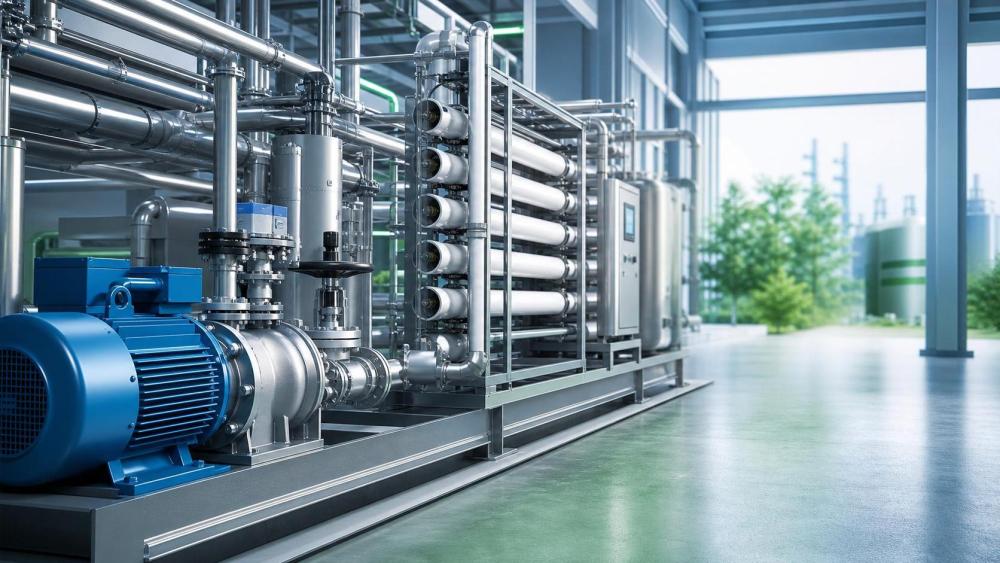
Process industry decarbonization is no longer driven by broad ambition alone. The 2026 planning cycle is pushing capital decisions toward assets, controls, and operating models that can prove measurable results.
That shift matters because heavy fluid and gas systems still shape the energy profile of chemicals, water treatment, power, food processing, mining, and advanced manufacturing.
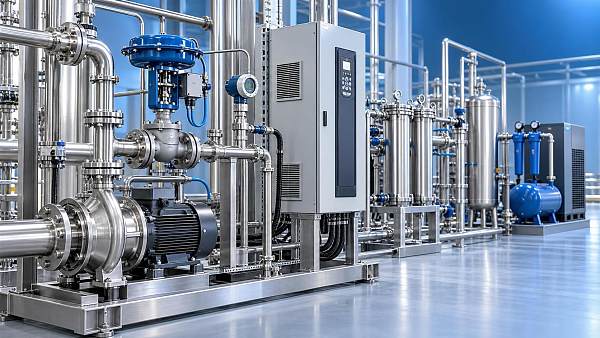
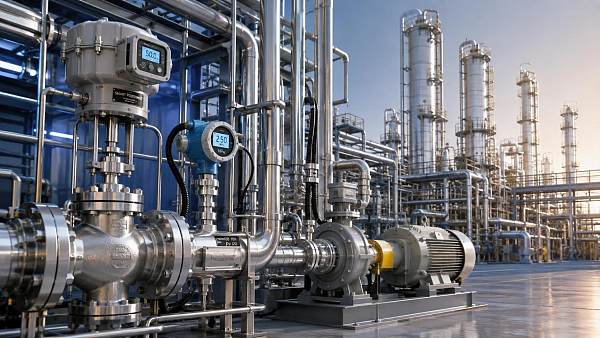
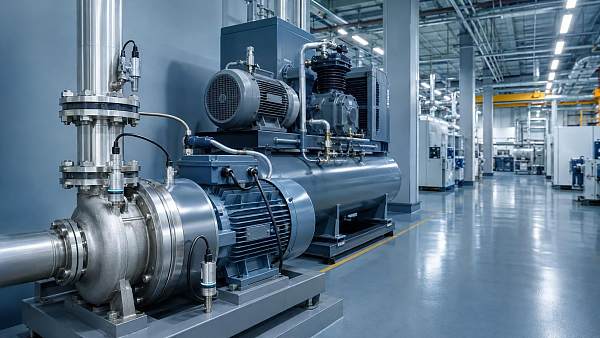
In many plants, pumps, compressors, valves, and separation equipment determine how much electricity is consumed, how much heat is lost, and how much water or feedstock is wasted.
The stronger signal now is that process industry decarbonization is being judged less by announcements and more by sequencing. The central question is where the first dollar, first retrofit, and first data upgrade should go.
That is why the conversation has moved closer to the industrial bloodstream itself. Rotating equipment efficiency, valve precision, compressed air losses, and separation performance are becoming strategic topics.
Seen through that lens, the FCSM view of pumps as industrial hearts, compressors as mechanical lungs, and filtration systems as purifying kidneys is more than a metaphor. It reflects where emissions and savings actually accumulate.
Why this change is becoming more visible in 2026 planning
Several forces are converging at once. Energy prices remain structurally volatile. Efficiency regulations are tightening. Carbon disclosure expectations are spreading through tenders, financing, and customer audits.
At the same time, easy gains have largely been identified. Lighting swaps and basic housekeeping helped, but they did not reshape process intensity. The next gains sit deeper in fluid dynamics, compressed air systems, and process control.
This is also why process industry decarbonization is becoming more technical. Once targets reach production assets, questions about cavitation, pressure drop, leakage, rotor profiles, and membrane performance start to matter financially.
Another reason is operating resilience. Plants cannot decarbonize by sacrificing throughput or reliability. Decision quality now depends on understanding which efficiency interventions improve both emissions and plant stability.
- Motor and drive standards are pushing replacement cycles faster than many expected.
- Special alloy and component supply risk is affecting upgrade timing and vendor strategy.
- Digital tools now make asset-level energy waste easier to quantify and defend internally.
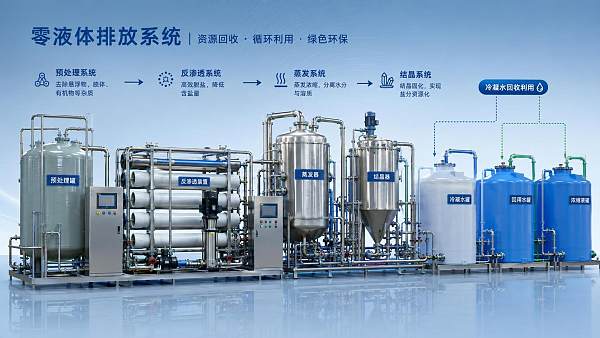
- Water stress and discharge rules are linking decarbonization to reuse and ZLD decisions.
Together, these drivers are making process industry decarbonization less abstract. The pressure is operational, financial, and increasingly visible in engineering budgets.
The priority list is shifting toward the systems that move fluids and gases
From recent capital discussions, one pattern stands out. Decarbonization roadmaps are moving away from isolated equipment purchases and toward system performance upgrades.
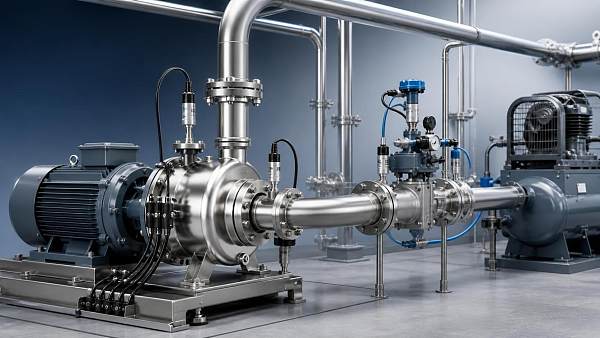
For centrifugal pumps, the new focus is not only premium motor efficiency. It is hydraulic redesign, impeller optimization, seal performance, and operation closer to the best efficiency point.
That matters because oversized pumps, unstable duty cycles, and chronic recirculation can erase the benefit of a high-efficiency motor. Process industry decarbonization often fails when the system curve is ignored.
In compressed air, the market is looking beyond nameplate efficiency. Two-stage compression, permanent magnet variable frequency drives, leak reduction, heat recovery, and demand-side control now belong in the same conversation.
Control valves are also moving up the agenda. Poor throttling accuracy, unnecessary pressure losses, and unstable control loops increase both energy use and process variability. Those costs were often hidden before carbon accounting became sharper.
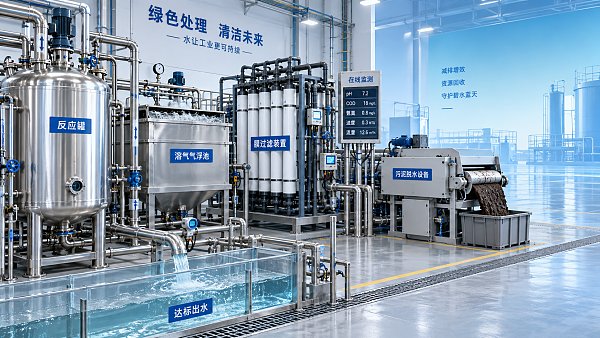
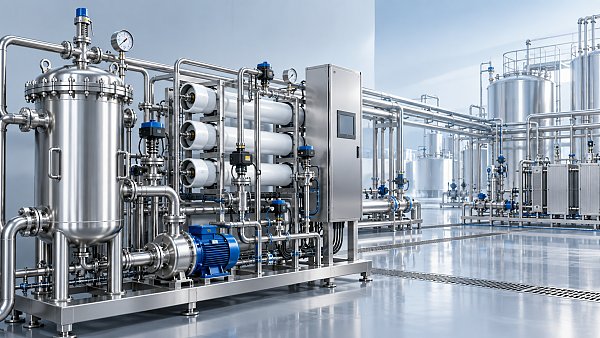
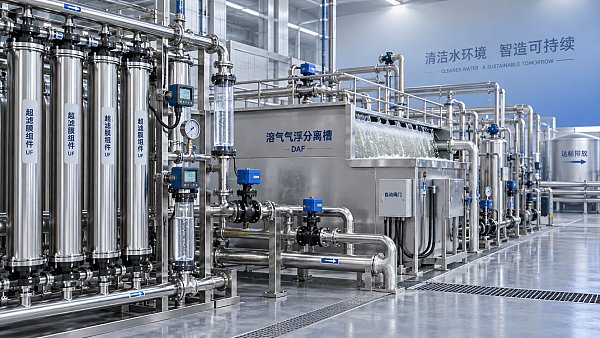
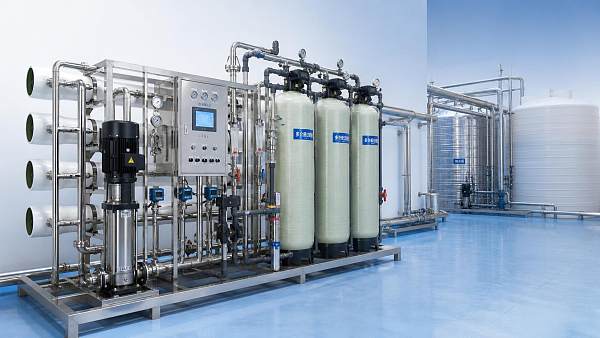
Separation systems are following a similar path. Filtration, membrane performance, and sludge or brine handling increasingly affect both energy intensity and water circularity, especially where ZLD targets are being revisited.
Where 2026 investment attention is concentrating
The impact is spreading across operations, not staying in one department
One reason process industry decarbonization is difficult is that benefits and disruptions rarely sit in the same place. The energy team may identify savings, but maintenance, production, and compliance will live with the consequences.
In chemicals and refining, tighter pressure and flow control can lower rework, flare risk, and utility demand at the same time. The value comes from process stability as much as pure energy reduction.
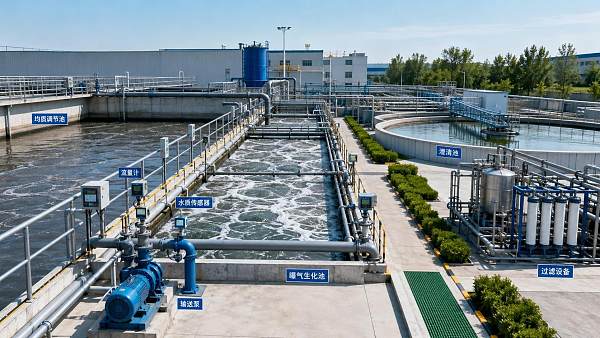
In water and wastewater, pump sequencing, aeration efficiency, and membrane fouling rates are now central to carbon performance. Here, process industry decarbonization overlaps directly with service reliability and water security.
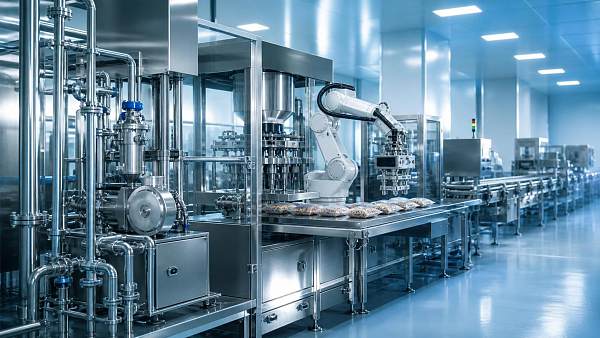
In food, pharma, and advanced manufacturing, the pressure is slightly different. Hygiene, validation, and uptime cannot be compromised, so low-carbon upgrades must prove precision and repeatability, not only lower kilowatt-hours.
Mining, pulp, and heavy materials face another pattern. Slurry transport, dewatering, and high-pressure pumping create harsh duty cycles, making lifecycle reliability just as important as headline efficiency.
This broad impact explains why specialist intelligence is gaining value. Interpreting CFD-based cavitation behavior, valve noise at critical velocities, or compressor thermodynamic evolution can materially change which project gets approved first.
The next advantage will come from combining hardware upgrades with operating intelligence
A notable shift in process industry decarbonization is the declining value of standalone efficiency claims. Plants increasingly want evidence from operating profiles, load variation, maintenance history, and failure modes.
That makes digitalization more practical than fashionable. Predictive maintenance, energy monitoring, digital twins, and remote diagnostics matter because they help avoid wasted compression, unstable pumping, and inefficient throttling.
The strongest projects usually combine three layers. First, they improve core equipment design. Second, they optimize control logic. Third, they create feedback loops that keep performance from drifting after commissioning.
This is where platforms such as FCSM fit naturally into planning. The value is not promotion. It is the ability to connect regulations, material supply risk, fluid dynamics behavior, and replacement demand into one decision frame.
Without that integrated view, process industry decarbonization can become fragmented. Sites buy efficient machines yet miss piping losses, poor controls, hidden leaks, or separation bottlenecks that continue to drive emissions.
What deserves closer attention before budgets are locked
- Asset-level energy intensity by duty cycle, not annual averages alone.
- Pressure drop mapping across valves, filters, and pipe sections.
- Leakage, recirculation, and off-design operation in critical pump services.
- Compressed air demand quality, storage adequacy, and heat recovery potential.
- Water reuse, brine concentration, and membrane cleaning frequency in separation lines.
- Exposure to efficiency standards, disclosure rules, and special material lead times.
A workable 2026 response starts with sequencing, not slogans
The companies likely to move faster on process industry decarbonization are not necessarily those with the biggest target statements. They are the ones that rank opportunities by technical reality, operational impact, and speed of proof.
A practical first step is to separate visible projects from decisive projects. Visible projects are easy to communicate. Decisive projects change energy intensity at the point where fluids, gases, heat, and control interact.
The second step is to treat reliability and decarbonization as linked. In many cases, the same upgrade that reduces leakage, cavitation, fouling, or unstable control also reduces emissions and maintenance exposure.
The third step is to build a phased plan. Start with measurement and bottleneck identification. Move next to targeted retrofits with clear baselines. Then expand into broader system redesign where returns are already proven.
For 2026 planning, the most useful question is simple: which fluid and gas systems are absorbing energy without creating equivalent process value? That question usually reveals where process industry decarbonization should begin.
The next move is to compare those findings against regulatory timing, lifecycle risk, and digital readiness. From there, a staged roadmap becomes easier to defend, fund, and execute.
Related News
 What drives industrial wastewater treatment cost per cubic meter?Dr. Alistair VaughnIndustrial wastewater treatment cost per cubic meter depends on influent load, effluent targets, energy, technology, and sludge disposal. Explore the key cost drivers.
 How to verify CE compliance for fluid separation equipmentDr. Alistair VaughnFluid separation equipment CE verification made practical: learn how to check declarations, risk assessments, technical files, pressure safety, and installation readiness.
 Separation equipment trends reshaping industrial wastewater treatmentDr. Alistair VaughnSeparation equipment trends are reshaping industrial wastewater treatment through smarter membranes, modular systems, digital monitoring, and resource recovery strategies.
 When stainless steel separation equipment is the right choice for hygienic processesDr. Alistair VaughnStainless steel separation equipment: discover when hygienic design, corrosion resistance, CIP cleanability, and lifecycle reliability make it the smart choice.
 What to assess before choosing a process industry automation supplierDr. Alistair VaughnChoose a process industry automation supplier with confidence. Assess engineering depth, lifecycle reliability, digital integration, energy performance, and safety before you buy.
 How process control innovation in refineries reduces unplanned shutdownsDr. Alistair VaughnDiscover how process control innovation in refineries detects early deviations, improves valve and equipment reliability, and helps prevent costly unplanned shutdowns.
 What should a zero liquid discharge systems integrator include in its proposal?Dr. Alistair VaughnZero liquid discharge systems integrator proposal checklist: compare guarantees, utilities, scope, controls, waste handling, and lifecycle risk before award.
 Industrial wastewater treatment plant design: sizing for flow and loadDr. Alistair VaughnIndustrial wastewater treatment plant design guide: size systems for peak flow, pollutant loads, reliability, compliance, and lower lifecycle costs.
 Can predictive maintenance and machinery diagnostics prevent downtime?Dr. Alistair VaughnPredictive maintenance machinery diagnostics help reduce unplanned downtime by detecting early equipment issues, improving reliability, and enabling smarter maintenance decisions.
 Can a digital transformation machinery platform cut unplanned downtime?Dr. Alistair VaughnDiscover how a digital transformation machinery platform connects asset data, maintenance workflows, and process insights to reduce unplanned downtime.
 How water treatment equipment sizing affects operating costsDr. Alistair VaughnWater treatment equipment sizing shapes energy, chemical, and maintenance costs. Learn how to balance flow, pressure, recovery, and reliability for efficient operation.
 When does food processing automation justify the upfront investment?Dr. Alistair VaughnIndustrial automation solutions for food processing: discover when automation delivers measurable ROI through higher throughput, lower waste, reliable utilities, and stronger food safety control.