Process Industry Trends 2026: Energy, Water, and Automation Shifts




Process industry trends heading into 2026 are no longer shaped by one isolated priority. Energy efficiency, water resilience, and automation maturity are converging into a single operating agenda.
That matters because the process economy runs on equipment systems that move, regulate, compress, and separate fluids every hour of the day. When those systems underperform, costs rise quietly before risk becomes visible.
Across chemicals, water treatment, food processing, power, mining, and refining, the strongest performers are treating pumps, valves, compressors, and filtration assets as strategic infrastructure rather than background machinery.
In that context, process industry trends are becoming a practical guide for capital allocation, plant modernization, and operational resilience. The shift is not abstract. It is happening in motor rooms, pipe networks, air systems, and wastewater loops.
Why 2026 looks different
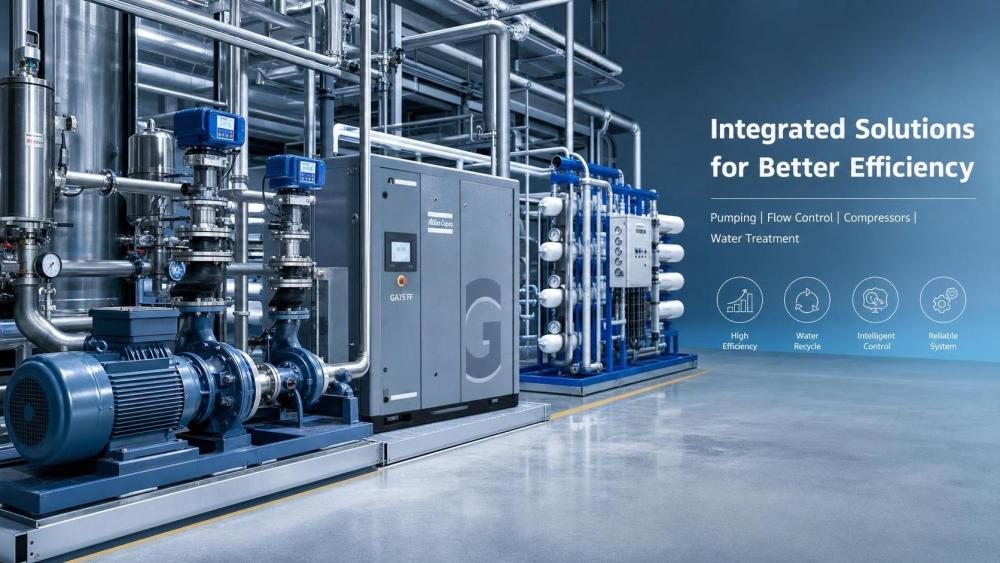
The immediate driver is regulation. More regions are tightening motor efficiency rules, carbon disclosure expectations, and water discharge standards. Compliance is moving closer to board-level planning.
The second driver is economics. Electricity remains one of the most persistent operating costs in process facilities, especially where pumping and compressed air consume a large share of plant energy.
The third driver is reliability. Plants are less willing to accept hidden losses from cavitation, leakage, unstable control loops, pressure drops, and untreated fouling. These failures erode margin long before they trigger shutdowns.
This is why process industry trends now center on performance at the equipment-system level. Buyers are comparing lifecycle value, data visibility, serviceability, and energy intensity instead of focusing only on upfront cost.
The assets at the center of the shift
A useful way to read current process industry trends is through the fluid and gas systems that hold plants together. Each equipment class is under new pressure to deliver measurable efficiency and control.
Pumps are being judged by total hydraulic performance
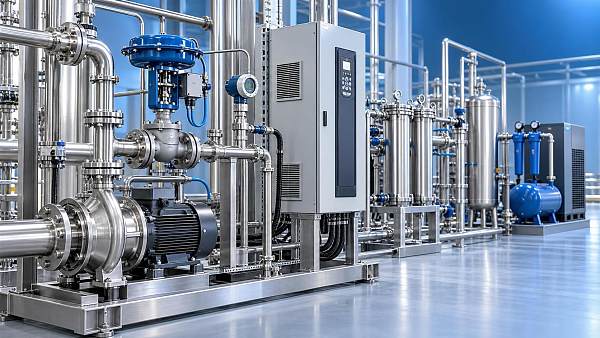
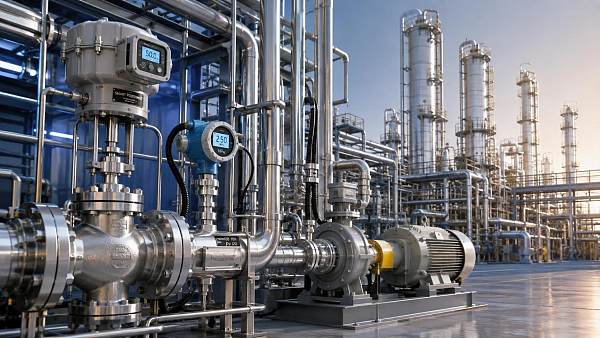
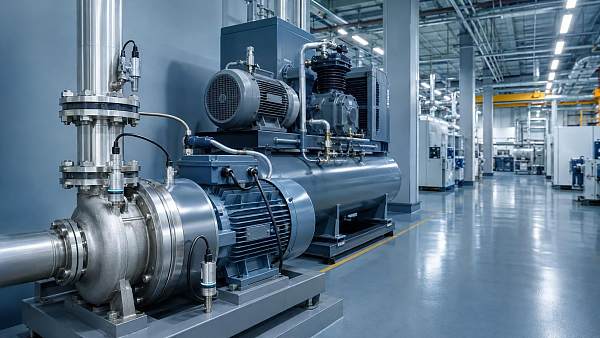
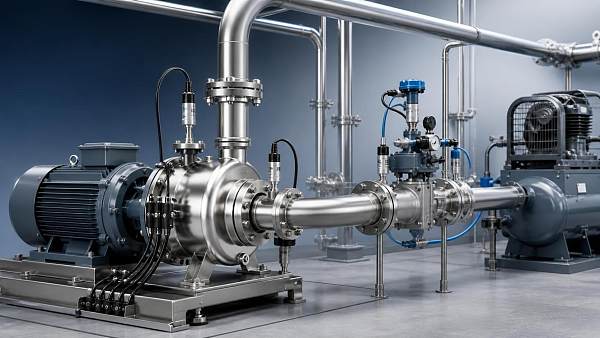
Industrial centrifugal pumps remain central in chemical transfer, cooling loops, water circulation, and utility systems. The trend is toward lower energy use, tighter sealing, and better resistance to cavitation and off-design operation.
High-pressure plunger pumps face a different challenge. In SWRO, offshore production, and high-pressure cleaning, volumetric efficiency and durability under extreme loads increasingly determine project economics.
Control valves are becoming data-rich flow instruments
Smart pneumatic control valves are no longer judged only by shutoff class or trim selection. They are becoming critical sources of position, travel, response, and stability data within automated process networks.
That matters in corrosive, high-temperature, or high-pressure service where poor throttling accuracy can distort quality, waste energy, or create avoidable safety exposure.
Compressed air is under sharper scrutiny
Air compressor systems are a major theme in process industry trends because compressed air remains one of the costliest utilities when leaks, poor controls, or inefficient loading cycles are ignored.
Permanent magnet variable frequency drives and two-stage compression are gaining ground because they address real operating waste, not just nameplate efficiency claims.
Separation systems are moving from compliance tools to resilience tools
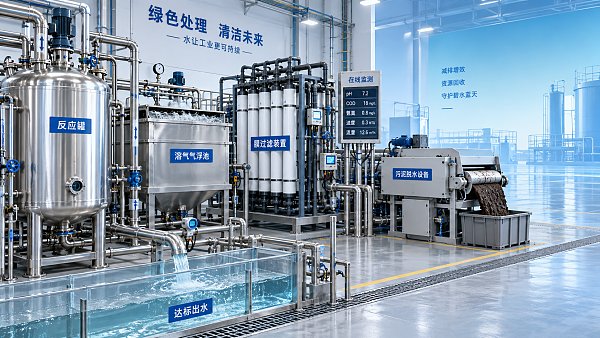
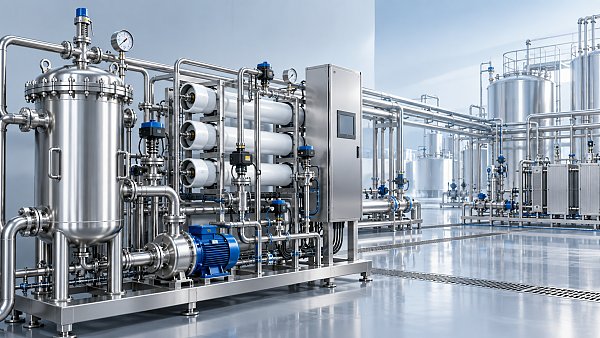
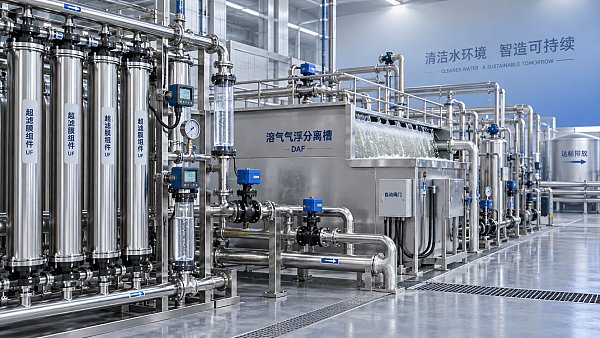
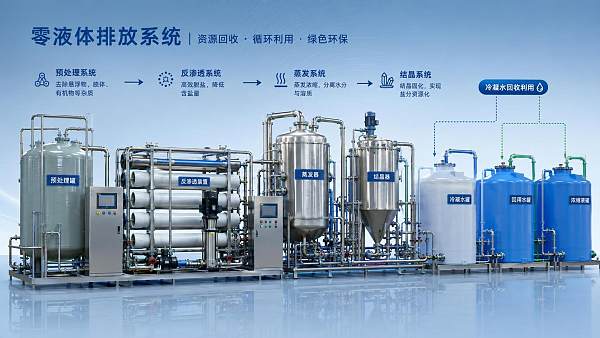
Industrial filtration and separation systems sit at the intersection of water reuse, wastewater reduction, and product integrity. In many sectors, Zero Liquid Discharge is no longer a niche ambition.
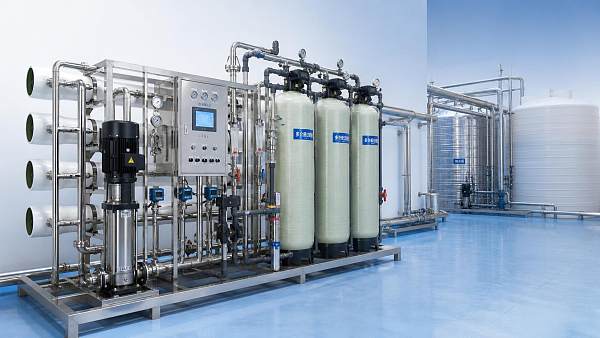
Membranes, fine filtration media, and staged separation trains are increasingly evaluated as strategic water assets, especially where freshwater access is uncertain or discharge treatment is expensive.
Energy is becoming a system design question
One of the clearest process industry trends is the move from isolated equipment upgrades to system-level energy thinking. A premium motor alone will not fix a poorly matched pump, unstable valve, or overloaded compressor train.
In practice, leaders are asking more disciplined questions. Where is energy being converted inefficiently? Which line suffers chronic oversizing? Which pressure margins are hiding poor control strategy?
This is where engineering intelligence matters. CFD-based pump analysis, valve noise and critical velocity modeling, and compressor thermodynamic studies are moving closer to commercial decision-making.
FCSM’s focus on cavitation behavior, flow control precision, and compressor profile evolution reflects that reality. Technical detail now has direct financial relevance because it shapes energy use across the full asset lifecycle.
Water resilience is moving into core operations
Water has become one of the most concrete process industry trends because it affects permitting, community risk, operating continuity, and cost structure at the same time.
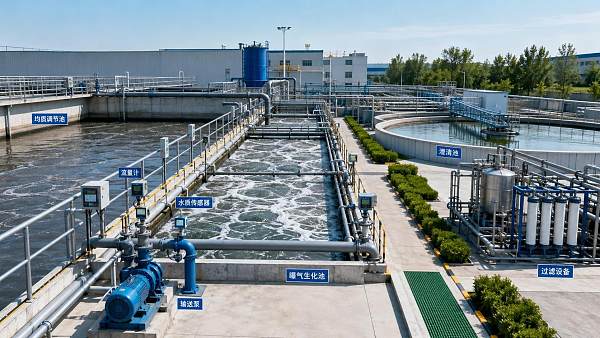
Facilities that once treated water systems as downstream utilities are redesigning around reuse, concentration control, and wastewater minimization. That change is especially visible in high-withdrawal industries.
The implication for equipment strategy is clear. Pump selection must support stable transfer across changing fluid qualities. Valve control must remain accurate despite corrosive or scaling conditions.
Separation technology must also deliver predictable performance under variable influent loads. In many cases, the real value lies not only in treatment efficiency, but in reducing exposure to water supply shocks.
Automation is shifting from visibility to decision quality
Another defining element in process industry trends is the changing role of automation. Plants already collect large amounts of data. The harder question is whether that data improves decisions fast enough.
Condition monitoring is becoming more useful when paired with failure logic, energy baselines, and maintenance thresholds. Otherwise, dashboards remain descriptive without changing plant behavior.
For rotating and flow-control assets, practical automation now means earlier recognition of bearing wear, valve stiction, cavitation onset, pressure instability, and membrane fouling trends.
That is why predictive maintenance is gaining traction as a commercial discipline, not just a technical project. Reliability, spare strategy, and shutdown planning are all being reworked around earlier insight.
What to watch when comparing options
Not every capital request labeled as modernization will create value. The more useful reading of process industry trends comes from disciplined comparison across technology, risk, and operating fit.
- Check lifecycle energy consumption before comparing purchase price.
- Review operating range, not just best-efficiency-point performance.
- Test whether automation outputs can trigger maintenance or control actions.
- Assess sealing, corrosion resistance, and materials against actual media conditions.
- Measure water recovery, reject handling, and disposal implications together.
- Examine supply chain exposure for critical metals, membranes, and controls components.
This is also where intelligence platforms become useful. A market view that combines regulation, performance evolution, and application-specific equipment knowledge can reduce expensive guesswork.
How the next move should be framed
The strongest response to process industry trends in 2026 is not a rushed technology spree. It is a structured review of where energy, water, and automation pressures intersect inside the plant.
A useful starting point is to map the highest-cost fluid and gas loops, then identify where efficiency loss, control instability, or water risk is concentrated. That usually reveals clearer priorities than generic upgrade lists.
From there, compare equipment pathways through lifecycle economics, digital readiness, and application fit. Pumps, valves, compressors, and separation systems should be reviewed as connected performance layers.
For organizations tracking process industry trends closely, the next advantage will come from turning technical insight into timing. The question is less about whether change is coming, and more about which systems should move first.
- industrial centrifugal pumps
- high-pressure plunger pumps
- smart pneumatic control valves
- air compressor systems
- centrifugal pumps
- plunger pumps
- control valves
- pneumatic control valves
- industrial filtration
- separation technology
- predictive maintenance
- energy efficiency
- two-stage compression
- process industry
- pump systems
- process industry trends
Related News
 What drives industrial wastewater treatment cost per cubic meter?Dr. Alistair VaughnIndustrial wastewater treatment cost per cubic meter depends on influent load, effluent targets, energy, technology, and sludge disposal. Explore the key cost drivers.
 How to verify CE compliance for fluid separation equipmentDr. Alistair VaughnFluid separation equipment CE verification made practical: learn how to check declarations, risk assessments, technical files, pressure safety, and installation readiness.
 Separation equipment trends reshaping industrial wastewater treatmentDr. Alistair VaughnSeparation equipment trends are reshaping industrial wastewater treatment through smarter membranes, modular systems, digital monitoring, and resource recovery strategies.
 When stainless steel separation equipment is the right choice for hygienic processesDr. Alistair VaughnStainless steel separation equipment: discover when hygienic design, corrosion resistance, CIP cleanability, and lifecycle reliability make it the smart choice.
 What to assess before choosing a process industry automation supplierDr. Alistair VaughnChoose a process industry automation supplier with confidence. Assess engineering depth, lifecycle reliability, digital integration, energy performance, and safety before you buy.
 How process control innovation in refineries reduces unplanned shutdownsDr. Alistair VaughnDiscover how process control innovation in refineries detects early deviations, improves valve and equipment reliability, and helps prevent costly unplanned shutdowns.
 What should a zero liquid discharge systems integrator include in its proposal?Dr. Alistair VaughnZero liquid discharge systems integrator proposal checklist: compare guarantees, utilities, scope, controls, waste handling, and lifecycle risk before award.
 Industrial wastewater treatment plant design: sizing for flow and loadDr. Alistair VaughnIndustrial wastewater treatment plant design guide: size systems for peak flow, pollutant loads, reliability, compliance, and lower lifecycle costs.
 Can predictive maintenance and machinery diagnostics prevent downtime?Dr. Alistair VaughnPredictive maintenance machinery diagnostics help reduce unplanned downtime by detecting early equipment issues, improving reliability, and enabling smarter maintenance decisions.
 Can a digital transformation machinery platform cut unplanned downtime?Dr. Alistair VaughnDiscover how a digital transformation machinery platform connects asset data, maintenance workflows, and process insights to reduce unplanned downtime.
 How water treatment equipment sizing affects operating costsDr. Alistair VaughnWater treatment equipment sizing shapes energy, chemical, and maintenance costs. Learn how to balance flow, pressure, recovery, and reliability for efficient operation.
 When does food processing automation justify the upfront investment?Dr. Alistair VaughnIndustrial automation solutions for food processing: discover when automation delivers measurable ROI through higher throughput, lower waste, reliable utilities, and stronger food safety control.