Separation Equipment Trends Mining Operations Should Watch in 2026




Why separation equipment trends mining teams track in 2026 are becoming more decisive
Mining is entering a tighter operating window. Water permits are stricter, energy is more expensive, and tailings performance is under closer scrutiny.
That is why separation equipment trends mining observers follow in 2026 are no longer just technical updates. They now influence recovery, compliance, and capital timing.
The shift is especially visible where dewatering, classification, thickening, and filtration connect with pumps, valves, compressors, and control systems.
Viewed through the broader FCSM lens, separation is not an isolated unit operation. It is part of a fluid-control chain that determines plant resilience.
Recent market signals point in one direction. Mines want higher solids recovery, lower specific energy use, and steadier performance under variable ore conditions.
This makes separation equipment trends mining strategies watch in 2026 far more connected to business continuity than many planning models assumed two years ago.
The change is not just better machines, but a different operating logic
A few years ago, many upgrades focused on throughput first. Today, the more revealing metric is stable output per unit of water, power, and maintenance effort.
That changes how separation equipment is evaluated. Efficiency is no longer enough if recovery drops during feed variability or if wear rates disrupt uptime.
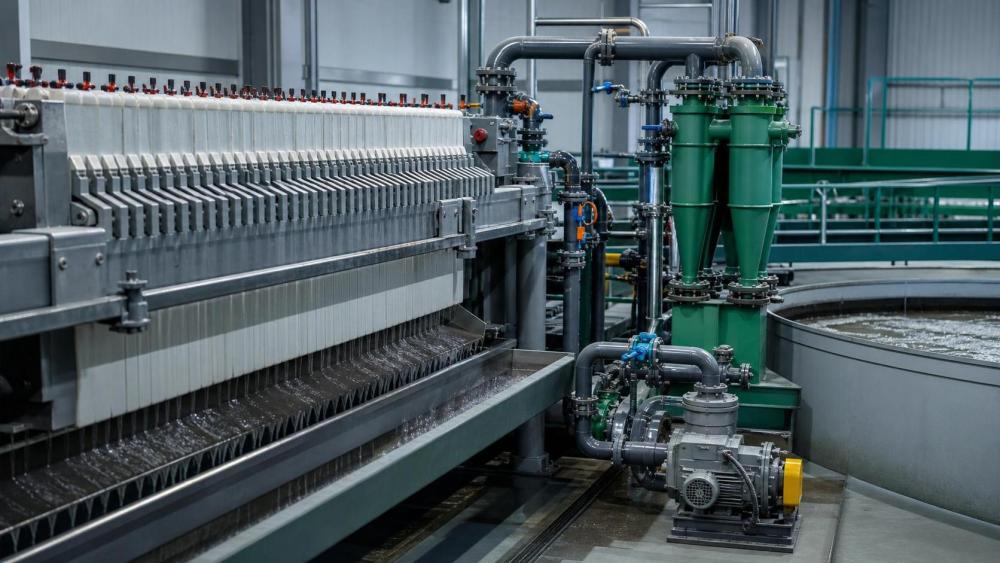
More sites are moving toward integrated dewatering lines. Filter presses, thickeners, hydrocyclones, pumps, and valves are being judged as one performance system.
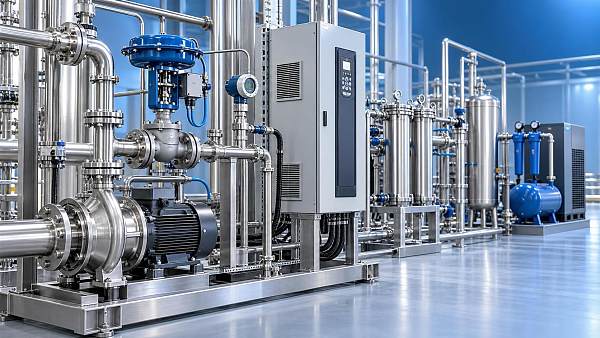
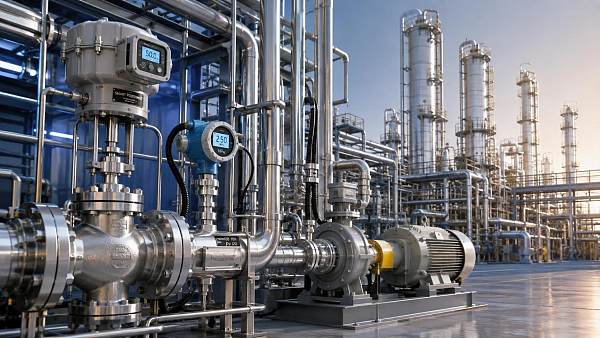
This is where FCSM’s general machinery perspective matters. Pump cavitation, valve throttling precision, and compressed air stability all shape separation consistency.
The strongest separation equipment trends mining planners should note in 2026 are therefore system-level. Standalone component gains matter less than coordinated process behavior.
The signals showing up across projects
- Dewatering targets are moving closer to water-reuse and tailings-risk objectives.
- Energy audits now examine pumping, air supply, and filtration together.
- Remote sites are favoring simpler maintenance access and predictive diagnostics.
- Ore variability is pushing demand for adaptive controls rather than fixed settings.
What is driving the next wave of separation equipment trends mining markets are pricing in
Several forces are converging at once. None acts alone, but together they are reshaping equipment selection and retrofit priorities.
The result is a more disciplined buying environment. Equipment must prove value under real process conditions, not only under nameplate assumptions.
The technologies getting more attention are practical, not speculative
One clear shift is toward smarter dewatering. Operators want equipment that responds to ore changes before moisture, pressure, or throughput drift too far.
This is increasing interest in inline density measurement, pressure trend analysis, valve-position feedback, and pump-health monitoring within separation circuits.
Low-energy filtration is another area gaining momentum. The focus is not only membrane or media performance, but total system energy across the duty cycle.
Better slurry handling is also moving up the agenda. Feed stability often determines whether downstream separation reaches designed efficiency.
That is why FCSM’s coverage of centrifugal pumps, plunger pumps, control valves, and compressor systems intersects naturally with separation equipment trends mining projects now prioritize.
A filter upgrade without stable pump behavior or accurate valve control rarely delivers its full promise. The market has learned that lesson repeatedly.
Where the strongest technical attention is moving
- Dewatering systems with tighter automation around feed consistency.
- Filtration packages designed for lower kWh per ton processed.
- Wear-resistant components that preserve separation accuracy longer.
- Predictive maintenance tools linked to pumps, valves, and air systems.
The impact spreads across recovery, maintenance, and environmental exposure
The effects of separation equipment trends mining sites face are broader than the separation plant itself. They reach metallurgy, utilities, tailings, and operating risk.
On recovery, more stable separation supports tighter process control upstream and downstream. Less fluctuation means fewer corrective actions and better metal balance confidence.
On maintenance, the major change is earlier visibility. Sensor data can reveal plugging, wear, cavitation, or air instability before a full process upset develops.
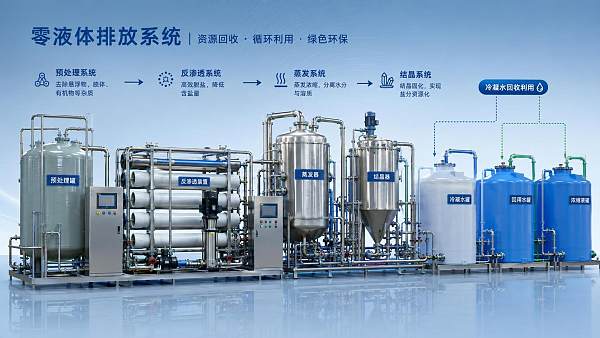
On environmental performance, better dewatering reduces fresh water dependency and can strengthen alignment with ZLD-oriented water management strategies.
This matters because many sites now face combined pressure. Lower emissions, safer tailings handling, and stronger resource productivity are being judged together.
The separation equipment trends mining leaders should watch in 2026 therefore create compound value. Gains in one area can reinforce resilience elsewhere.
What deserves closer scrutiny before 2026 budgets are locked
The main risk is treating separation upgrades as isolated capex. In practice, performance depends on how the fluid system behaves under dynamic load.
A useful first check is whether current bottlenecks come from core separation hardware or from surrounding machinery that destabilizes the process.
In many cases, valve response, pump efficiency loss, pressure oscillation, or compressed air inconsistency quietly erodes separation results.
That is why stronger evaluation frameworks are emerging. They compare lifecycle energy, wear behavior, water recovery, maintenance intervals, and controllability together.
- Track specific energy per ton under real ore variability, not test conditions alone.
- Review how control valves and pumps affect feed pressure stability.
- Map failure history across filtration, slurry transport, and air supply interfaces.
- Check whether digital monitoring covers causes, not only symptoms.
This kind of review usually produces better investment sequencing than a simple equipment replacement list.
The next useful move is to treat separation as a strategic fluid system
The most durable reading of separation equipment trends mining operators should carry into 2026 is straightforward. Higher performance will come from integration, not isolated optimization.
Sites that connect separation choices with pumping efficiency, valve precision, compressed air reliability, and predictive analytics will be better positioned.
That approach also fits the wider industrial direction FCSM tracks across fluid machinery. Decarbonization and digitalization are now practical operating disciplines, not abstract targets.
The next step is to build a short review cycle around process data, water balance, energy intensity, and tailings objectives. Then compare technology options against that reality.
Separation equipment trends mining markets are signaling in 2026 reward that discipline. The mines that respond early are likely to gain more stable output and lower operational exposure.
Related News
 What drives industrial wastewater treatment cost per cubic meter?Dr. Alistair VaughnIndustrial wastewater treatment cost per cubic meter depends on influent load, effluent targets, energy, technology, and sludge disposal. Explore the key cost drivers.
 How to verify CE compliance for fluid separation equipmentDr. Alistair VaughnFluid separation equipment CE verification made practical: learn how to check declarations, risk assessments, technical files, pressure safety, and installation readiness.
 Separation equipment trends reshaping industrial wastewater treatmentDr. Alistair VaughnSeparation equipment trends are reshaping industrial wastewater treatment through smarter membranes, modular systems, digital monitoring, and resource recovery strategies.
 When stainless steel separation equipment is the right choice for hygienic processesDr. Alistair VaughnStainless steel separation equipment: discover when hygienic design, corrosion resistance, CIP cleanability, and lifecycle reliability make it the smart choice.
 What to assess before choosing a process industry automation supplierDr. Alistair VaughnChoose a process industry automation supplier with confidence. Assess engineering depth, lifecycle reliability, digital integration, energy performance, and safety before you buy.
 How process control innovation in refineries reduces unplanned shutdownsDr. Alistair VaughnDiscover how process control innovation in refineries detects early deviations, improves valve and equipment reliability, and helps prevent costly unplanned shutdowns.
 What should a zero liquid discharge systems integrator include in its proposal?Dr. Alistair VaughnZero liquid discharge systems integrator proposal checklist: compare guarantees, utilities, scope, controls, waste handling, and lifecycle risk before award.
 Industrial wastewater treatment plant design: sizing for flow and loadDr. Alistair VaughnIndustrial wastewater treatment plant design guide: size systems for peak flow, pollutant loads, reliability, compliance, and lower lifecycle costs.
 Can predictive maintenance and machinery diagnostics prevent downtime?Dr. Alistair VaughnPredictive maintenance machinery diagnostics help reduce unplanned downtime by detecting early equipment issues, improving reliability, and enabling smarter maintenance decisions.
 Can a digital transformation machinery platform cut unplanned downtime?Dr. Alistair VaughnDiscover how a digital transformation machinery platform connects asset data, maintenance workflows, and process insights to reduce unplanned downtime.
 How water treatment equipment sizing affects operating costsDr. Alistair VaughnWater treatment equipment sizing shapes energy, chemical, and maintenance costs. Learn how to balance flow, pressure, recovery, and reliability for efficient operation.
 When does food processing automation justify the upfront investment?Dr. Alistair VaughnIndustrial automation solutions for food processing: discover when automation delivers measurable ROI through higher throughput, lower waste, reliable utilities, and stronger food safety control.