Water Treatment Automation: 2026 Upgrade Trends




As water utilities and process industries prepare for 2026, the push toward smarter, cleaner, and more resilient operations is accelerating. For enterprise decision-makers, industrial automation solutions for water treatment plants are no longer optional—they are becoming essential for improving efficiency, reducing energy use, strengthening compliance, and enabling predictive control across complex fluid systems.
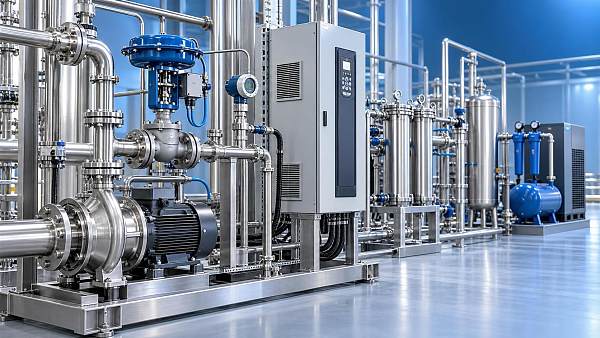
Across municipal, industrial, and reuse facilities, automation is moving beyond isolated PLC upgrades. It now connects pumps, valves, compressors, filters, analyzers, and supervisory platforms into one responsive operating environment.
This shift matters because water treatment performance depends on stable flow, pressure, dosing, aeration, separation, and discharge quality. Poor coordination between assets increases energy waste, downtime, chemical overuse, and compliance risk.
Water Treatment Automation in 2026: Core Definition and System Scope
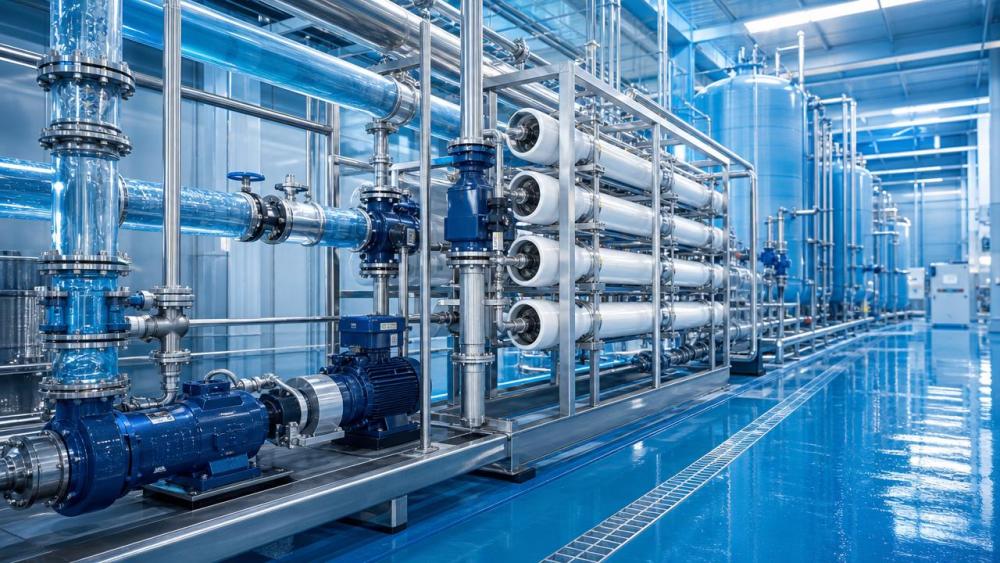
Industrial automation solutions for water treatment plants combine control hardware, field instrumentation, software, and analytics. Their purpose is to manage fluid processes with higher precision, visibility, and reliability.
A modern architecture usually includes sensors, PLCs, variable frequency drives, SCADA, edge gateways, and cloud dashboards. It also integrates alarms, historical trending, reporting, and cybersecurity controls.
In practical terms, automation governs how water moves, how contaminants are removed, and how equipment responds to changing demand. It links hydraulic behavior with operational intelligence.
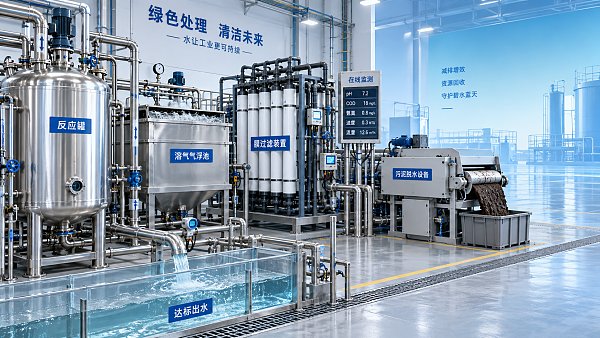
Main process elements under automation
- Raw water intake pumps and flow balancing
- Chemical dosing skids and pH adjustment loops
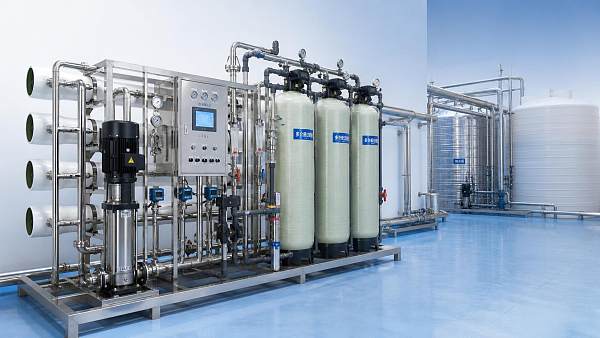
- Filtration, membrane, and backwash sequencing
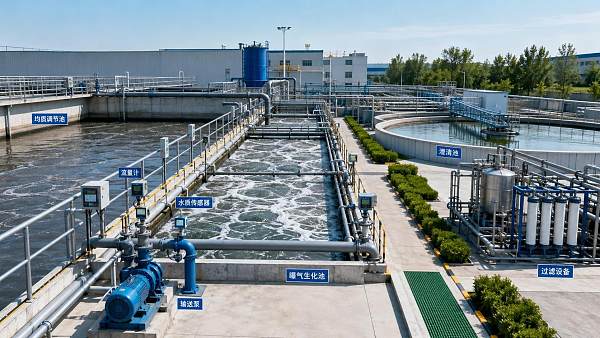
- Aeration blowers and dissolved oxygen control
- Sludge handling, dewatering, and discharge routing
- Energy monitoring, leak detection, and predictive maintenance
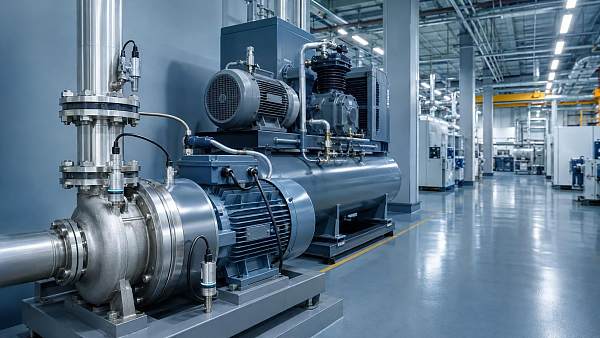
For FCSM-aligned sectors, the most important layer is fluid control coordination. Pump efficiency, valve precision, compressor stability, and filtration consistency directly influence automation outcomes.
Why Upgrade Pressure Is Rising Across Water Treatment Plants
The 2026 upgrade cycle is shaped by energy costs, compliance complexity, and aging infrastructure. Many facilities still operate with fragmented controls, manual adjustments, and limited data transparency.
At the same time, treatment targets are becoming tighter. Reuse standards, nutrient removal requirements, and discharge constraints demand more stable and auditable process control.
Key market signals behind automation investment
These pressures explain why industrial automation solutions for water treatment plants are now evaluated as long-term infrastructure, not just instrumentation projects.
Upgrade Trends Shaping Industrial Automation Solutions for Water Treatment Plants
Several technology trends are defining the next generation of industrial automation solutions for water treatment plants. The strongest trend is integration across previously separate equipment domains.
1. Pump and valve optimization through real-time control
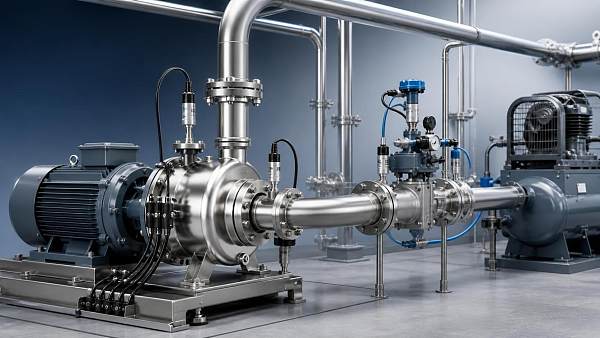
Centrifugal pumps consume a major share of plant energy. Pairing drives with pressure, flow, and level feedback enables dynamic setpoint control and lower throttling losses.
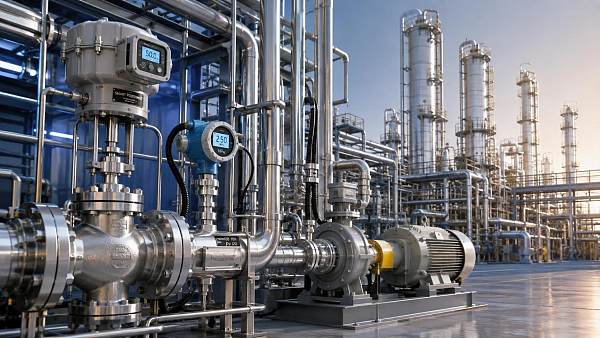
Smart pneumatic control valves add precision during chemical dosing, filtration, and sludge routing. Better valve positioning reduces oscillation, improves process stability, and protects downstream equipment.
2. Predictive maintenance for rotating and separation assets
2026 upgrades increasingly include vibration, temperature, motor current, and bearing health analytics. These tools identify cavitation, fouling, seal wear, and abnormal energy signatures before shutdowns occur.
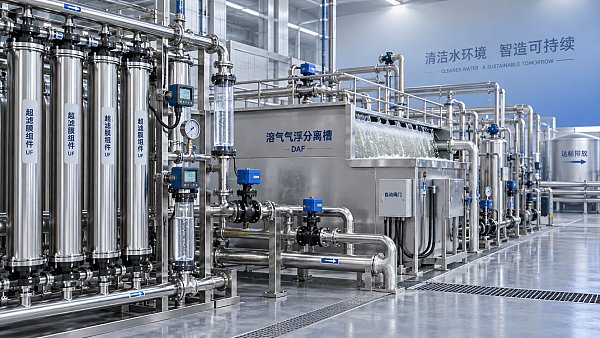
For membrane and filtration trains, automation tracks differential pressure, flux, and cleaning cycles. This supports earlier intervention and longer asset life.
3. Advanced aeration and compressor efficiency
Biological treatment depends on accurate air delivery. Modern automation uses dissolved oxygen, ammonia, and load forecasting to control blower output more intelligently.
Air compressor systems are also becoming smarter through variable frequency control, leak analytics, and two-stage efficiency strategies. This cuts power use without sacrificing response time.
4. Edge-to-cloud visibility with secure data layers
Industrial automation solutions for water treatment plants now rely on edge processing for fast local control and cloud platforms for benchmarking, reporting, and fleet-level analysis.
However, connectivity must be paired with secure segmentation, access control, patch governance, and event logging. Cyber resilience is now part of core plant reliability.
Business Value Across Water, Wastewater, and Reuse Operations
The strongest business case for industrial automation solutions for water treatment plants comes from measurable operational gains. These gains usually appear in energy, uptime, compliance, and process consistency.
- Lower specific energy consumption through optimized pump and blower control
- Reduced chemical waste through precise dosing and feedback loops
- Improved effluent quality stability during variable influent conditions
- Faster alarm response with centralized visibility and remote diagnostics
- Better maintenance planning using equipment condition data
- Stronger audit readiness through automated records and performance history
For complex facilities, the hidden value is coordination. When pumps, valves, compressors, and separators share data, process bottlenecks become easier to detect and correct.
Typical Use Cases for Industrial Automation Solutions for Water Treatment Plants
Different plant types prioritize different automation functions. The following comparison reflects common deployment patterns across the broader general machinery and fluid control landscape.
Implementation Priorities and Practical Considerations
Not every upgrade should begin with a full digital overhaul. The most effective roadmap starts with process constraints, asset criticality, and data quality.
Recommended steps
- Map the highest energy and failure points across pumping, aeration, and separation lines.
- Standardize instrumentation before adding advanced analytics.
- Use open communication protocols to reduce integration barriers.
- Prioritize cybersecurity from the design stage, not after commissioning.
- Define KPIs such as kWh per cubic meter, chemical intensity, and unplanned downtime.
- Validate control logic under upset conditions, not only normal operating ranges.
It is also important to avoid over-automation of unstable processes. Weak mechanical reliability, poor valve sizing, or chronic cavitation can undermine software-based optimization.
That is why industrial automation solutions for water treatment plants should be evaluated together with pump hydraulics, valve trim performance, compressor efficiency, and separation behavior.
Next-Step Outlook for 2026 Planning
The most successful 2026 upgrades will combine digital intelligence with strong fluid machinery fundamentals. Plants that connect controls with energy-efficient equipment will gain the most durable advantage.
Industrial automation solutions for water treatment plants should therefore be planned as integrated performance systems. The target is not only visibility, but repeatable efficiency, resilience, and compliance.
A practical next move is to review one treatment train, identify its control gaps, and compare them against asset-level energy and reliability data. That creates a focused path toward scalable modernization.
For organizations tracking pump sets, smart valves, compressors, and filtration technologies, this approach aligns upgrade spending with measurable process outcomes and long-term operational confidence.
Related News
 What drives industrial wastewater treatment cost per cubic meter?Dr. Alistair VaughnIndustrial wastewater treatment cost per cubic meter depends on influent load, effluent targets, energy, technology, and sludge disposal. Explore the key cost drivers.
 How to verify CE compliance for fluid separation equipmentDr. Alistair VaughnFluid separation equipment CE verification made practical: learn how to check declarations, risk assessments, technical files, pressure safety, and installation readiness.
 Separation equipment trends reshaping industrial wastewater treatmentDr. Alistair VaughnSeparation equipment trends are reshaping industrial wastewater treatment through smarter membranes, modular systems, digital monitoring, and resource recovery strategies.
 When stainless steel separation equipment is the right choice for hygienic processesDr. Alistair VaughnStainless steel separation equipment: discover when hygienic design, corrosion resistance, CIP cleanability, and lifecycle reliability make it the smart choice.
 What to assess before choosing a process industry automation supplierDr. Alistair VaughnChoose a process industry automation supplier with confidence. Assess engineering depth, lifecycle reliability, digital integration, energy performance, and safety before you buy.
 How process control innovation in refineries reduces unplanned shutdownsDr. Alistair VaughnDiscover how process control innovation in refineries detects early deviations, improves valve and equipment reliability, and helps prevent costly unplanned shutdowns.
 What should a zero liquid discharge systems integrator include in its proposal?Dr. Alistair VaughnZero liquid discharge systems integrator proposal checklist: compare guarantees, utilities, scope, controls, waste handling, and lifecycle risk before award.
 Industrial wastewater treatment plant design: sizing for flow and loadDr. Alistair VaughnIndustrial wastewater treatment plant design guide: size systems for peak flow, pollutant loads, reliability, compliance, and lower lifecycle costs.
 Can predictive maintenance and machinery diagnostics prevent downtime?Dr. Alistair VaughnPredictive maintenance machinery diagnostics help reduce unplanned downtime by detecting early equipment issues, improving reliability, and enabling smarter maintenance decisions.
 Can a digital transformation machinery platform cut unplanned downtime?Dr. Alistair VaughnDiscover how a digital transformation machinery platform connects asset data, maintenance workflows, and process insights to reduce unplanned downtime.
 How water treatment equipment sizing affects operating costsDr. Alistair VaughnWater treatment equipment sizing shapes energy, chemical, and maintenance costs. Learn how to balance flow, pressure, recovery, and reliability for efficient operation.
 When does food processing automation justify the upfront investment?Dr. Alistair VaughnIndustrial automation solutions for food processing: discover when automation delivers measurable ROI through higher throughput, lower waste, reliable utilities, and stronger food safety control.