Water Treatment Equipment Maintenance: 7 Mistakes That Raise Downtime




Water Treatment Equipment Maintenance: 7 Mistakes That Raise Downtime
For after-sales teams, water treatment equipment maintenance is never just a box to tick.
It shapes uptime, energy use, treatment quality, and compliance performance.
A skipped check on a pump, valve, membrane, or sensor can snowball fast.
That usually means emergency service, unstable output, and avoidable replacement cost.
Good water treatment equipment maintenance is practical, data-driven, and disciplined.
The goal is simple: find small issues before they become major downtime events.
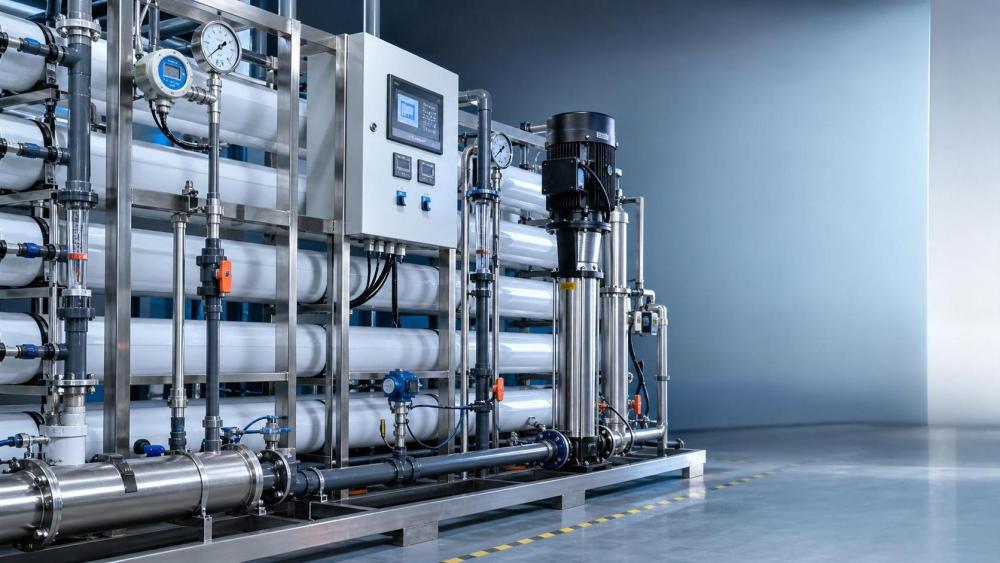
Below are seven common mistakes that quietly raise downtime in water treatment systems.
More importantly, each one includes a clear fix you can apply in daily service work.
1. Treating maintenance as calendar work only
Many teams still rely on fixed intervals alone.
That sounds safe, but water treatment equipment maintenance rarely follows the calendar perfectly.
Feed water quality changes, load shifts, and chemical dosage all affect wear rates.
A filter changed too late increases pressure drop and overloads pumps.
A membrane cleaned too early wastes labor, chemicals, and operating time.
The better approach is condition-based maintenance supported by trend data.
- Track differential pressure across filters and membrane stages.
- Monitor motor current, flow stability, and discharge pressure.
- Compare actual values against baseline commissioning data.
- Adjust service intervals when water quality or duty cycles change.
2. Ignoring early pressure and flow deviations
Small pressure shifts are often dismissed as normal fluctuation.
In reality, they are often the first warning sign in water treatment equipment maintenance.
A slow drop in flow can point to fouling, valve restriction, or pump wear.
A pressure spike may signal blockage, scaling, or a bad control response.
When these signals are missed, equipment works harder and fails sooner.
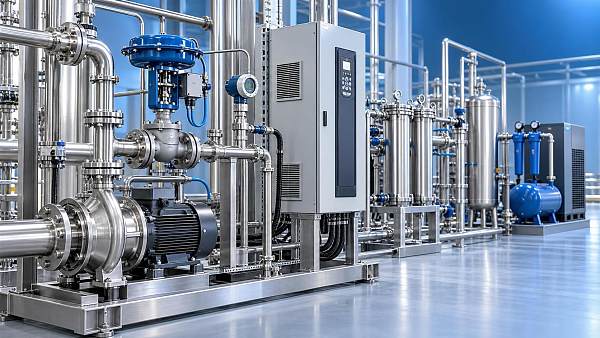
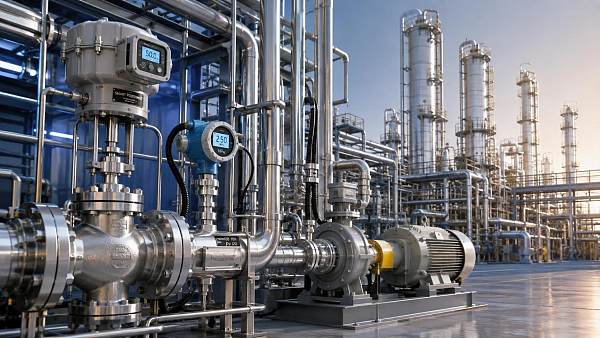
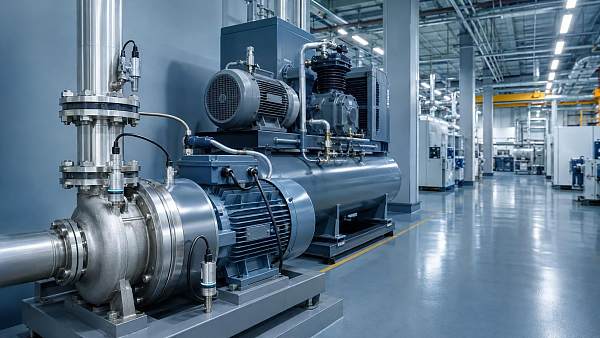
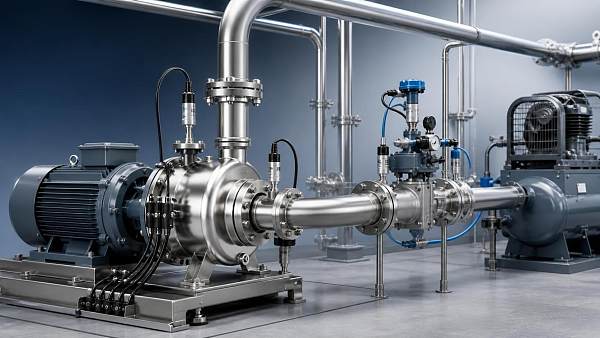
This is especially true in systems using centrifugal pumps and smart control valves.
Recent operating trends show that downtime often starts as a data issue, not a mechanical one.
What to do instead
- Set alarm bands for gradual drift, not only for critical trips.
- Review daily operating logs for repeat deviations.
- Check whether changes match valve position, pump speed, and feed conditions.
- Escalate repeated minor changes before they become shutdown events.
3. Using the wrong cleaning method for membranes and filters
This is one of the most expensive water treatment equipment maintenance mistakes.
Teams may clean often, but still reduce asset life through poor method selection.
Not all fouling is the same.
Organic fouling, scaling, biofouling, and particulate loading need different responses.
A harsh chemical mix or wrong pH can damage membranes and shorten filter life.
Incomplete flushing can also leave residues that hurt recovery and water quality.
In practical service work, root cause matters more than cleaning frequency.
4. Overlooking pump and valve alignment with real process conditions
Maintenance teams often replace parts without checking operating fit.
That can solve symptoms while the original stress remains in the system.
A pump running far from best efficiency point will vibrate, heat up, and wear faster.
A control valve sized poorly for actual flow will hunt, stick, or throttle inefficiently.
This raises downtime even when the equipment itself is technically healthy.
Water treatment equipment maintenance should always connect component health with process reality.
That is where fluid control insight makes a real difference.
Quick checkpoints
- Compare actual duty point with pump curve data.
- Review cavitation signs, noise, and seal wear patterns.
- Confirm valve stroke range matches normal operating load.
- Check whether frequent manual overrides point to sizing or control issues.
5. Failing to calibrate instruments and verify data quality
Many maintenance decisions depend on sensors.
If those readings drift, water treatment equipment maintenance becomes guesswork.
Pressure transmitters, conductivity meters, pH probes, and flowmeters all need verification.
A false reading can trigger unnecessary cleaning or hide actual performance loss.
The clearer signal here is simple: bad data creates bad maintenance timing.
As systems become more digital, instrument accuracy matters even more than before.
- Calibrate critical instruments on a risk-based schedule.
- Cross-check digital readings with manual measurements.
- Record calibration drift to identify weak devices.
- Replace unstable sensors before they distort maintenance planning.
6. Waiting for visible failure before acting
Reactive work still dominates many service environments.
The problem is that visible failure appears late in the damage cycle.
By the time leakage, overheating, or severe vibration appears, downtime is already close.
This mistake raises spare parts cost and stretches service windows.
Better water treatment equipment maintenance uses leading indicators instead of visible breakdown alone.
That includes vibration trends, energy draw, seal condition, and control response time.
Even a simple weekly review can prevent a rushed shutdown call.
7. Missing the link between maintenance, energy, and compliance
Downtime is not the only cost of poor maintenance practice.
A neglected membrane train or inefficient pump also raises energy consumption.
Unstable treatment performance can also create compliance risk.
That is especially serious in municipal reuse, industrial wastewater, and high-purity process water.
From a business view, water treatment equipment maintenance supports reliability, energy efficiency, and brand credibility together.
This also aligns with the wider shift toward digitalized and low-carbon fluid systems.
In other words, smart maintenance protects both production and long-term operating value.
A practical maintenance checklist that reduces downtime
If you want more consistent results, keep the process simple and repeatable.
- Establish baseline pressure, flow, energy, and water quality values.
- Review trend data before every scheduled service task.
- Match cleaning methods to actual fouling mechanisms.
- Inspect pumps, valves, and seals against real operating conditions.
- Verify instrument accuracy before major maintenance decisions.
- Use early warning indicators to plan intervention timing.
- Track energy and compliance effects after each maintenance cycle.
Final takeaway
The best water treatment equipment maintenance programs do not rely on habit alone.
They connect field checks, operating data, component behavior, and process goals.
That is how small maintenance actions prevent major downtime later.
If recent shutdowns keep repeating, the issue may be the maintenance method, not the equipment itself.
Start with the seven mistakes above, tighten the weak points, and build from data.
That shift usually delivers lower downtime, longer asset life, and far more stable system performance.
Related News
 What drives industrial wastewater treatment cost per cubic meter?Dr. Alistair VaughnIndustrial wastewater treatment cost per cubic meter depends on influent load, effluent targets, energy, technology, and sludge disposal. Explore the key cost drivers.
 How to verify CE compliance for fluid separation equipmentDr. Alistair VaughnFluid separation equipment CE verification made practical: learn how to check declarations, risk assessments, technical files, pressure safety, and installation readiness.
 Separation equipment trends reshaping industrial wastewater treatmentDr. Alistair VaughnSeparation equipment trends are reshaping industrial wastewater treatment through smarter membranes, modular systems, digital monitoring, and resource recovery strategies.
 When stainless steel separation equipment is the right choice for hygienic processesDr. Alistair VaughnStainless steel separation equipment: discover when hygienic design, corrosion resistance, CIP cleanability, and lifecycle reliability make it the smart choice.
 What to assess before choosing a process industry automation supplierDr. Alistair VaughnChoose a process industry automation supplier with confidence. Assess engineering depth, lifecycle reliability, digital integration, energy performance, and safety before you buy.
 How process control innovation in refineries reduces unplanned shutdownsDr. Alistair VaughnDiscover how process control innovation in refineries detects early deviations, improves valve and equipment reliability, and helps prevent costly unplanned shutdowns.
 What should a zero liquid discharge systems integrator include in its proposal?Dr. Alistair VaughnZero liquid discharge systems integrator proposal checklist: compare guarantees, utilities, scope, controls, waste handling, and lifecycle risk before award.
 Industrial wastewater treatment plant design: sizing for flow and loadDr. Alistair VaughnIndustrial wastewater treatment plant design guide: size systems for peak flow, pollutant loads, reliability, compliance, and lower lifecycle costs.
 Can predictive maintenance and machinery diagnostics prevent downtime?Dr. Alistair VaughnPredictive maintenance machinery diagnostics help reduce unplanned downtime by detecting early equipment issues, improving reliability, and enabling smarter maintenance decisions.
 Can a digital transformation machinery platform cut unplanned downtime?Dr. Alistair VaughnDiscover how a digital transformation machinery platform connects asset data, maintenance workflows, and process insights to reduce unplanned downtime.
 How water treatment equipment sizing affects operating costsDr. Alistair VaughnWater treatment equipment sizing shapes energy, chemical, and maintenance costs. Learn how to balance flow, pressure, recovery, and reliability for efficient operation.
 When does food processing automation justify the upfront investment?Dr. Alistair VaughnIndustrial automation solutions for food processing: discover when automation delivers measurable ROI through higher throughput, lower waste, reliable utilities, and stronger food safety control.