What drives process industry automation pricing in capital projects?




A capital project can appear comfortably funded until the automation estimate is opened for review. The purchase price of a PLC, control valves, variable-speed drives, analyzers, and engineering software may be visible early, yet the larger cost movement often comes later: added I/O, hazardous-area hardware, revised cause-and-effect logic, communications gateways, factory testing, field rework, and commissioning support. These items are frequently treated as details until they become change orders.
The short answer is that process industry automation pricing is driven by scope definition and integration risk more than by the price of individual devices. Equipment matters, but the strongest budget drivers are the number and criticality of control loops, the selected architecture, the operating environment, interfaces with packaged equipment, cybersecurity and data requirements, documentation quality, and the level of lifecycle reliability required. A lower initial quote can become the more expensive choice when it leaves those obligations unclear.
Start with the process, not the automation bill of materials
Automation costs rise in direct relation to how much the system must observe, decide, control, protect, and record. A simple transfer pump with local start/stop control is not comparable to a duty/standby pump train that must maintain pressure, avoid dry running, coordinate with upstream filtration, send alarms to a central control room, and preserve operating data for maintenance review.
Before requesting quotations, separate the process scope into functional layers. This prevents suppliers from pricing different assumptions under similar descriptions.
- Basic control: measurement, control loops, motor commands, valve positioning, local indication, and alarms.
- Process protection: trips, permissives, emergency shutdown interfaces, pressure protection logic, and safe-state behavior after loss of power or communications.
- Sequence control: startup, shutdown, cleaning, regeneration, backwash, compressor loading, pump alternation, and similar multi-step operations.
- Supervisory functions: historian connection, reports, energy monitoring, remote operation, condition monitoring, and production or quality data exchange.
- Package integration: communications and control boundaries for pumps, compressors, filtration skids, analyzers, motor-control centers, and third-party systems.
A project team may ask for “automation for a pump station,” while one bidder assumes hardwired local controls and another includes remote sequence control, vibration monitoring, variable-speed optimization, and a full interface to the site control system. The price difference is not necessarily a markup issue; it may represent two different operational outcomes.
Control architecture changes both material and engineering cost
The selected architecture affects panel count, network design, software development, testing effort, spare-parts strategy, and the amount of field cable required. A distributed arrangement with remote I/O can reduce long cable runs and simplify expansion in some plants, but it adds network hardware, enclosure requirements, configuration work, and communication diagnostics. A centralized design may be easier to understand for a compact facility, but cable routing and marshalling can become substantial when instruments are widely dispersed.
The choice between a PLC-based package, a distributed control system, and a hybrid arrangement should follow operating responsibility and process consequence. Continuous processes with many interacting loops, operator stations, alarm management needs, and frequent adjustments may justify a more capable supervisory architecture. Standalone utility skids may be better served by local PLC control with clearly defined communications to the plant system. Neither arrangement is inherently cheaper once the full installation and lifecycle obligations are counted.
Redundancy is another major pricing lever. Redundant controllers, power supplies, network paths, servers, and instrument signals increase capital cost, but their value depends on what failure would interrupt. For a noncritical auxiliary system, a well-documented manual fallback may be acceptable. For a process where a control interruption could create unsafe conditions, damage equipment, or halt an entire production line, redundancy may be a practical requirement rather than an optional upgrade.
Instrument selection is often where estimates become unreliable
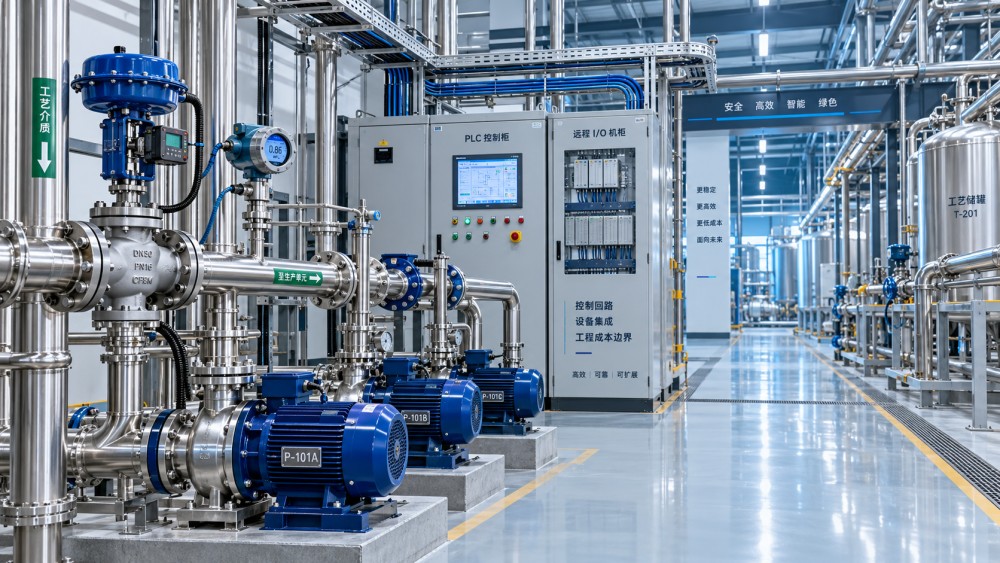
In fluid systems, the visible automation device is only part of the installed cost. A flowmeter may require straight-run pipe conditions, supports, isolation valves, grounding, impulse lines, flushing arrangements, or a different mounting position. A pressure transmitter handling corrosive, abrasive, high-temperature, or viscous media may need diaphragm seals, special wetted materials, heat tracing, remote mounting, or a protection arrangement that changes both mechanical and electrical scope.
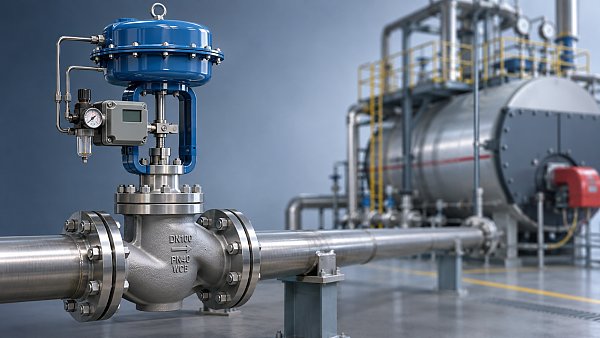
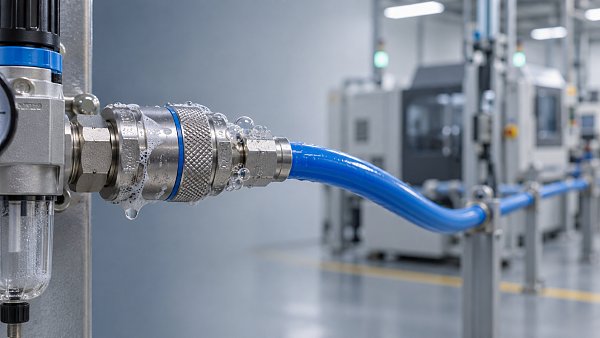
Smart pneumatic control valves illustrate the same point. The valve body, trim, actuator, positioner, air set, solenoid, limit switches, tubing, mounting kit, and commissioning work all belong to the functional control loop. Pricing also changes with leakage class, shutoff force, fail-open or fail-close action, cavitation risk, flashing service, noise limits, hazardous-area classification, and the need for specialized alloys. A valve selected only by nominal size and pressure class can be cheap on paper and costly in service.
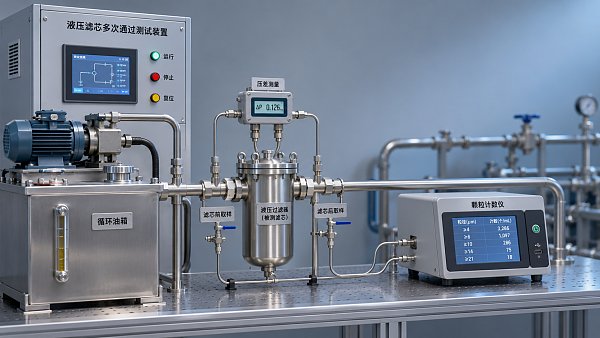
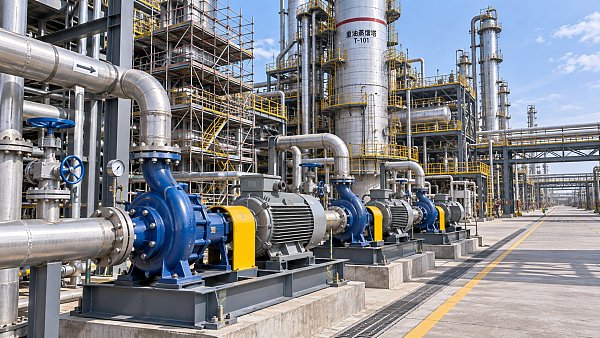
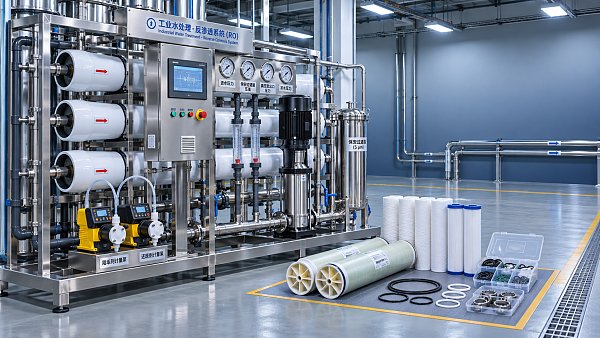
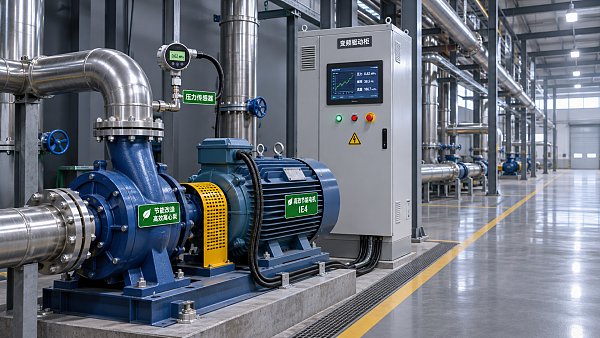
Rotating equipment introduces additional scope questions. Centrifugal pumps may require seal-system monitoring, bearing temperature inputs, vibration protection, minimum-flow control, suction-pressure protection, and variable-speed drive coordination. Compressor packages may include their own controls, but the project still needs to define remote start authority, load-sharing requirements, anti-surge functions where relevant, alarm ownership, and plant-system signals. Separation equipment may need differential-pressure monitoring, automatic backwash sequences, conductivity measurement, chemical dosing interlocks, or membrane protection logic.
These details should be developed before a budget is treated as firm. The project does not need every terminal number at an early stage, but it does need credible operating narratives and instrument duty descriptions.
Hazardous locations and compliance boundaries add cost in layers
Hazardous-area requirements can affect nearly every installed component: transmitters, valve positioners, junction boxes, cable glands, solenoids, local panels, lighting interfaces, and maintenance access. The cost increase is not limited to selecting a differently rated device. Design teams must also account for protection methods, segregation, grounding, documentation, inspection provisions, and the boundaries between safe and classified areas.
Environmental severity has a similar effect. Outdoor installations, coastal exposure, washdown areas, chemical handling zones, dusty environments, high ambient temperature, and vibration-prone machinery spaces may require upgraded enclosures, cable systems, coatings, air-purge arrangements, climate control, or more robust mounting. Omitting these requirements from an early request for quotation often produces an artificially low number that cannot survive detailed engineering.
A useful procurement question is not merely, “Is the device suitable?” Ask, “What additional installation and verification work is required for this device to remain suitable in its final location?” That question exposes costs that otherwise appear late.
Interface uncertainty is a frequent source of change orders
Capital projects increasingly combine vendor packages with site-wide automation. The interface between them is a commercial and technical boundary: who supplies signals, who owns the logic, who configures communications, who tests alarm behavior, and who remains responsible when data do not match?
Package suppliers may provide a local controller that protects their equipment. The plant control system may need status, commands, setpoints, trends, alarm annunciation, and permissives. Those requirements can be met through hardwired signals, industrial communication protocols, or a combination. Communications can reduce cable count, but they do not eliminate engineering. Data maps, network addressing, protocol configuration, cybersecurity controls, diagnostic handling, and integrated testing must all be priced.
Do not assume that a package described as “automated” is automatically integrated. Automation within a skid and integration into the operating plant are separate deliverables.
Software, testing, and documentation are not overhead
When equipment lists are used as the main basis for budgeting, engineering hours are often understated. Yet automation projects depend on documents and tested logic: control narratives, I/O lists, loop diagrams, network drawings, panel schematics, alarm databases, interlock matrices, software configuration, operator graphics, test records, and final as-built files.
The level of testing should match operational risk. A basic panel check is different from a factory acceptance test that exercises sequences, simulated faults, communications, alarms, and operator screens. Site acceptance testing adds another layer because actual motors, valves, instruments, utility conditions, and package systems must behave together. The more interfaces and sequences involved, the less reliable it is to treat testing as a small fixed percentage of hardware cost.
Late process changes are especially expensive after control logic and graphics are built. A revised pump duty, altered valve fail position, additional analyzer, different operating mode, or new shutdown condition may affect piping, electrical power, safety logic, software, documentation, and test scripts at once. Managing design maturity before releasing automation for detailed build is one of the most effective ways to control pricing.
Digital requirements need a defined business purpose
Remote access, dashboards, predictive maintenance inputs, energy reporting, and asset data collection can create real operational value, but vague digital requirements are costly. “Provide data to the cloud” or “make it Industry 4.0 ready” does not establish a usable scope. It leaves unanswered questions about data ownership, permitted users, connection methods, cybersecurity responsibility, retention, system availability, and whether the information supports operations, maintenance, compliance, or optimization.
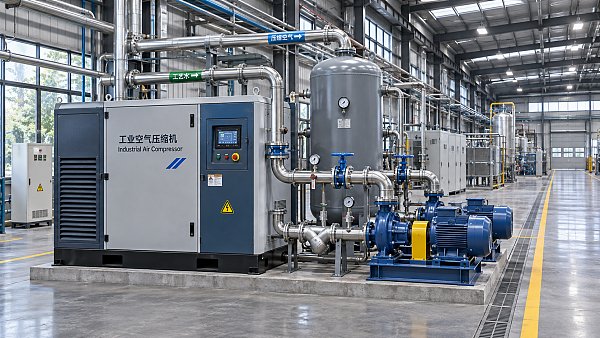
For example, a compressed-air system may benefit from tracking pressure stability, compressor loading, power demand, dryer condition, and leak-related operating patterns. A pumping system may benefit from monitoring run hours, vibration status, seal events, suction conditions, and energy use. Those needs should be translated into a defined tag list and operating decision. Collecting every available signal increases configuration and storage effort without necessarily improving maintenance decisions.
Build a pricing basis that bidders can actually price
Comparable automation pricing starts with a common basis of design. The request does not need to eliminate all unknowns, but it should clearly distinguish confirmed requirements from allowances and exclusions. Without that discipline, the lowest proposal may simply contain the fewest assumptions disclosed.
For each major process area, provide a concise control scope that identifies:
- Equipment included and its operating modes, including normal, startup, shutdown, maintenance, and abnormal conditions.
- Required measurements, final control elements, motors, drives, package interfaces, and local control stations.
- Control-system boundary: existing system extension, new system, local package control, or mixed architecture.
- Area classification, environmental conditions, enclosure expectations, and material constraints.
- Availability targets and any required redundancy or manual fallback provisions.
- Required documents, software deliverables, factory testing, site testing, training, spares, and commissioning support.
- Known unknowns that must be priced as stated allowances rather than hidden assumptions.
Ask bidders to identify exclusions, unit rates for likely additions, engineering-hour assumptions, and dependencies on information from other disciplines. This does not remove all change exposure, but it makes commercial comparisons more honest.
Evaluate the lowest price against lifecycle exposure
A low automation quote can be appropriate when the process is simple, interfaces are limited, and local manual recovery is acceptable. It becomes risky when the quote depends on unproven instrument suitability, omits integration testing, assumes nonhazardous installation, or leaves software ownership undefined.
During evaluation, examine the price alongside the control philosophy and exclusions. A proposal with a higher equipment total may reduce field labor by using a better-suited architecture. Another may include more engineering because the supplier has correctly recognized complex sequences, valve diagnostics, or package communications. The decision should focus on whether the proposed scope will deliver the required operating behavior without unbudgeted work being shifted to construction, commissioning, or operations.
For project managers, the most reliable cost-control action is to freeze functional intent early enough that automation can be engineered rather than guessed. Process industry automation pricing becomes more predictable when every control loop, protective action, interface, and test obligation has an owner, a boundary, and a stated assumption.
Facing technical bottlenecks in manufacturing or looking for more efficient industrial solutions? Leave your details below and let the engineering experts at FCSM solve them for you.
Related News
 Beijing Plan Calls for Higher Efficiency in Compressors, Pumps and Other EquipmentDr. Alistair VaughnBeijing's zero-carbon factory plan targets higher efficiency in compressors, pumps and other equipment. Explore what buyers and suppliers should verify.
 How does ISO 16889 measure hydraulic filter performance?Dr. Alistair VaughnIndustrial filtration and separation: discover how ISO 16889 measures hydraulic filter efficiency, beta ratios and contaminant capacity to help you compare filters with confidence.
 Sulzer and NABEP Agree to Support Rebuilding of Venezuelan Heavy-Oil UpgraderDr. Alistair VaughnSulzer and NABEP agree to support Venezuela’s Petrocedeño heavy-oil upgrader rebuild. Explore the supply-chain implications and key questions for suppliers.
 How to size control valves for boiler feedwaterDr. Alistair VaughnSize control valves for boiler feed with confidence. Learn to calculate Cv, assess low-load control, and prevent cavitation for reliable operation.
 How to detect leaks in industrial compressed air systemsDr. Alistair VaughnExplore compressed air system leak detection methods for industrial facilities. Find leaks safely, prioritize repairs, and verify results to reduce air loss.
 How to assess an industrial water treatment supplier's after-sales supportDr. Alistair VaughnAssess an industrial water treatment supplier’s after-sales support with practical checks for response times, technical expertise, spare parts and service costs.
 Selecting C20 Ductile Iron Pipe for Buried Water MainsDr. Alistair VaughnC20 ductile iron pipe selection starts with more than pressure class. Explore surge, soil, joint and approval checks to specify buried water mains with confidence.
 How industrial machinery retrofit trends are shaping energy efficiencyDr. Alistair VaughnExplore industrial machinery retrofit trends, from smart controls to system upgrades, and discover how to improve energy efficiency without compromising reliability.
 Gland Packing Market Forecast to Grow Through 2035 on Pump and Valve MaintenanceDr. Alistair VaughnGland packing market growth through 2035 is driven by pump and valve maintenance. Explore demand trends and opportunities in high-performance sealing.
 ComVac ASIA 2026 Opens in Shanghai, Focusing on Compressor IntelligenceDr. Alistair VaughnComVac ASIA 2026 opens in Shanghai, spotlighting intelligent compressors, digitalization and emerging opportunities in compressed air and vacuum technology.
 Industrial Compressor Overheating: Causes and Maintenance ChecksDr. Alistair VaughnIndustrial compressor selection starts with understanding overheating. Explore key causes, safety checks and maintenance tips to prevent recurring shutdowns.
 Industrial Compressor Sizing: Matching Capacity to DemandDr. Alistair VaughnMaster industrial compressor selection with practical guidance on sizing capacity, pressure, duty cycles and storage to meet demand efficiently.