Fluid Dynamics Research Methods Used in Pump Design




Understanding fluid dynamics research methods is essential to modern pump design, where efficiency, cavitation control, flow stability, and lifecycle reliability directly affect industrial performance. For information researchers exploring pump engineering trends, this article highlights the core analytical approaches, simulation tools, and testing methods that help engineers optimize hydraulic behavior and support smarter, low-carbon fluid system development.
Why do fluid dynamics research methods matter so much in pump design?
In industrial machinery, pump design is no longer judged only by flow rate and head. Buyers, engineers, and market researchers now look at energy consumption, noise, cavitation resistance, maintenance intervals, digital monitoring compatibility, and compliance with stricter process and carbon goals.
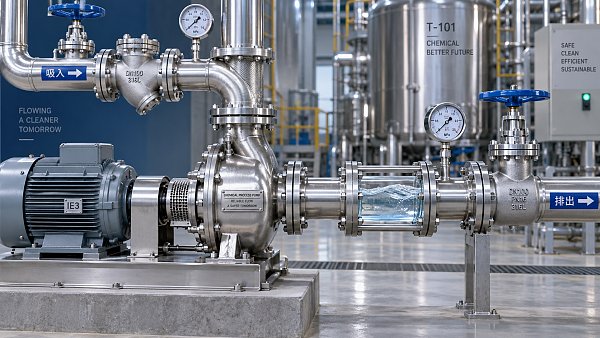
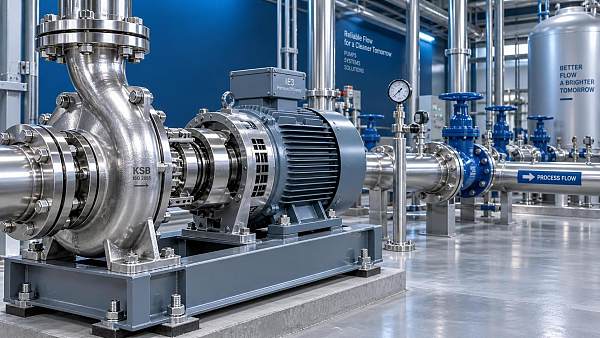
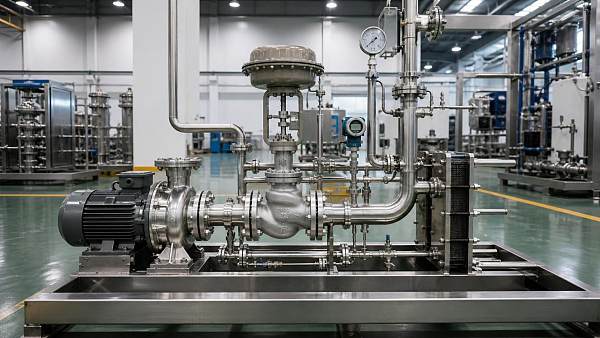
That is why fluid dynamics research methods have become central to centrifugal pumps, plunger pumps, booster systems, and integrated fluid control networks. They help explain what happens inside impellers, volutes, seals, suction lines, and discharge passages before expensive tooling, procurement, or field deployment begins.
For information researchers, the value is practical. These methods reveal whether a pump concept is likely to suffer hydraulic losses, unstable flow separation, recirculation, or vapor bubble collapse. They also help compare design maturity across suppliers, especially in sectors such as water treatment, chemical processing, energy, desalination, mining, and general manufacturing.
- They reduce design risk by predicting hydraulic behavior before prototype fabrication.
- They support procurement decisions by linking geometry choices to operating cost and reliability.
- They improve cross-functional communication between R&D teams, plant operators, and sourcing managers.
- They strengthen low-carbon strategies by identifying efficiency gains hidden in flow passages and control logic.
For a platform such as FCSM, which tracks pumps, control valves, compressors, and separation equipment as one connected fluid ecosystem, these research methods are not isolated engineering exercises. They are decision tools that connect hydraulic science with market intelligence, regulation shifts, and industrial decarbonization.
What are the main fluid dynamics research methods used in pump development?
Most successful pump programs do not rely on a single method. They combine theory, numerical simulation, laboratory testing, and field feedback. The strongest design decisions usually come from comparing results across several fluid dynamics research methods rather than trusting one model alone.
1. Analytical and theoretical modeling
This is the foundation stage. Engineers use continuity equations, Bernoulli-based energy balance, Euler pump equations, dimensionless coefficients, and similarity laws to estimate head generation, hydraulic efficiency, specific speed behavior, and likely operating windows.
Although simplified, analytical work is useful for early screening. It helps researchers identify whether a concept is physically reasonable before moving into expensive simulation or prototype work.
2. Computational Fluid Dynamics
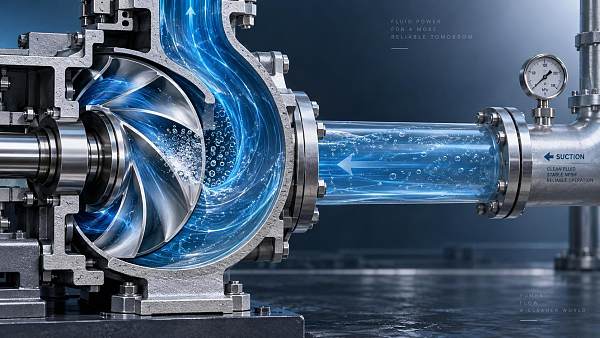
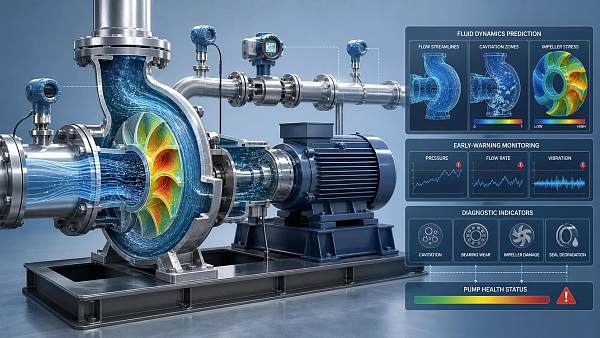
CFD is now one of the most visible fluid dynamics research methods in pump design. It allows engineers to visualize velocity distribution, pressure gradients, vortices, turbulent dissipation, cavitation zones, and internal recirculation in three dimensions.
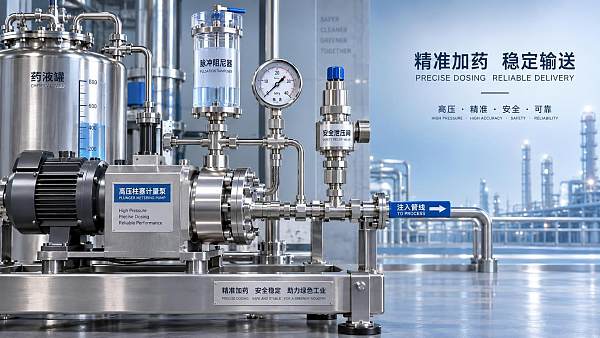
In centrifugal pumps, CFD often focuses on blade loading, tongue interaction, leakage paths, and off-design performance. In plunger or high-pressure pumps, the emphasis may shift toward valve chamber pulsation, transient pressure peaks, and volumetric loss mechanisms.
3. Experimental hydraulic testing
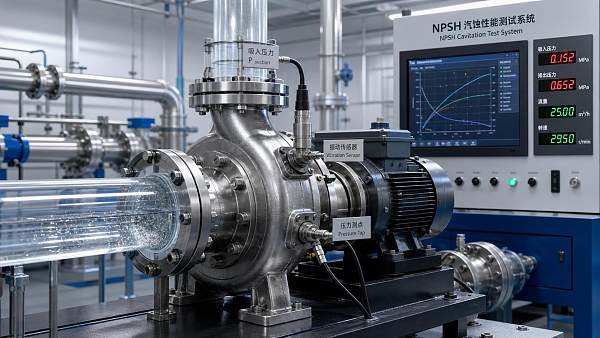
Physical testing remains essential because even advanced simulations depend on assumptions. Test rigs validate head-flow curves, power consumption, NPSH performance, vibration behavior, efficiency islands, and cavitation onset under controlled operating conditions.
For information researchers evaluating supplier claims, the presence of serious test validation is often a stronger signal than marketing language.
4. Flow visualization and diagnostic measurement
Methods such as Particle Image Velocimetry, Laser Doppler Velocimetry, pressure pulsation monitoring, acoustic analysis, and high-speed cavitation imaging give more direct insight into unstable or difficult-to-model flow structures.
These tools are especially useful when a pump appears acceptable on average performance curves but fails in noise, vibration, seal life, or part-load stability.
5. Digital twin and field data correlation
A growing method links design-stage models with operating data from sensors, drives, and control systems. This allows engineers to compare predicted flow behavior with real plant duty cycles, fouling trends, and transient events.
For FCSM’s audience, this matters because the future of pump design is tied to predictive maintenance, energy benchmarking, and smarter asset replacement timing.
How do the leading methods compare for research depth, cost, and decision value?
The table below compares major fluid dynamics research methods used in pump engineering from the viewpoint of information researchers, technical buyers, and product teams planning development priorities.
A balanced program usually starts with theory, expands into CFD, and then validates with testing. When a supplier only shows final efficiency data without describing the fluid dynamics research methods behind the design, comparison becomes harder and technical risk rises.
Which pump design problems are best solved by fluid dynamics research methods?
Different methods answer different design questions. For buyers or market researchers, this mapping is useful because it clarifies whether a pump supplier has actually addressed the failure mode that matters in a given application.
- Cavitation risk: studied through NPSH testing, cavitation CFD, suction recirculation analysis, and pressure fluctuation monitoring.
- Low efficiency at part load: examined through velocity field analysis, diffuser behavior studies, and transient operating simulations.
- Excess vibration and noise: assessed through pulsation analysis, rotor-stator interaction modeling, and acoustic diagnostics.
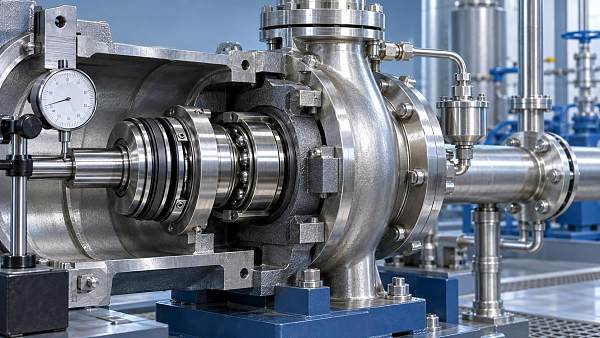
- Seal and bearing reliability concerns: linked to axial thrust prediction, leakage path modeling, and thermal-fluid interaction studies.
- Poor performance in corrosive or slurry service: connected to flow erosion zones, solids trajectory behavior, and material-service matching.
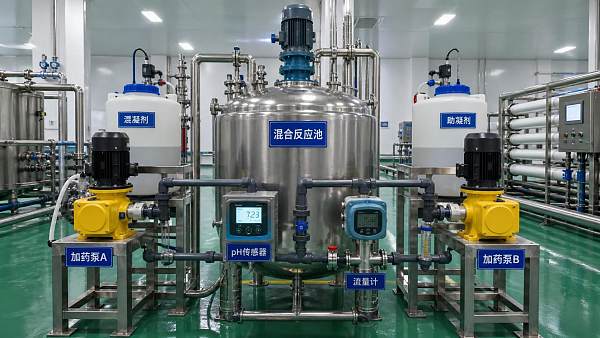
In sectors covered by FCSM, this problem-oriented approach is especially important. A desalination booster pump, a chemical transfer pump, and a wastewater circulation pump may all move liquid, but their fluid dynamics research methods need different emphasis because their dominant risks differ.
Application-specific focus areas
In SWRO systems, engineers often concentrate on pressure stability, volumetric efficiency, and pulsation control. In industrial centrifugal pumps, the focus frequently shifts to cavitation margin, hydraulic loss reduction, and wide-range efficiency. In filtration and separation support systems, flow uniformity and fouling-sensitive operation become more important.
What should information researchers evaluate when comparing pump suppliers or design proposals?
When fluid dynamics research methods are discussed in proposals, brochures, or technical meetings, not all evidence has equal value. The table below helps information researchers check whether a supplier’s research depth is likely to translate into real operating performance.
This kind of structured review is valuable in international procurement, where technical documents may look similar on the surface. FCSM’s strategic intelligence perspective is useful here because it connects hydraulic evidence with broader factors such as energy regulations, special material supply volatility, and replacement demand driven by carbon reduction targets.
How do these methods support lower cost and lower carbon performance?
A common mistake is to treat fluid dynamics research methods as purely academic. In reality, they directly affect lifecycle economics. A small hydraulic efficiency gain can create meaningful savings in large continuous-duty systems, especially in water, chemicals, utilities, and process plants.
Research-driven pump design can lower cost in several ways:
- By reducing hydraulic losses, it lowers power demand during long operating hours.
- By controlling cavitation, it extends impeller, seal, and bearing service intervals.
- By improving off-design stability, it reduces emergency shutdowns and process disturbances.
- By aligning pump behavior with VFD and control valve strategies, it supports system-level optimization rather than component-only optimization.
This is where FCSM’s cross-equipment view matters. Pump efficiency should not be judged in isolation. In real plants, pump behavior interacts with valve throttling, compressor energy logic, filtration pressure drops, and digital maintenance routines. Research methods that consider the whole fluid network often create better long-term value than designs optimized only for laboratory duty points.
Which standards, data points, and documentation should you look for?
Information researchers often need practical document checks rather than deep theory. When reviewing pump programs shaped by fluid dynamics research methods, look for traceable performance and test references rather than generic statements.
- Performance curve documentation that shows flow, head, efficiency, and power across operating range.
- NPSH or cavitation-related test data relevant to the intended suction conditions.
- Material compatibility statements for corrosive, abrasive, or high-temperature media.
- Noise, vibration, or pulsation observations for sensitive process installations.
- Reference to commonly recognized pump or testing standards where applicable, without assuming all projects use identical requirements.
The key is not paperwork volume but relevance. A technically dense report that ignores your actual viscosity range, solids content, temperature variation, or control mode may be less useful than a shorter but better targeted dataset.
Common misconceptions about fluid dynamics research methods in pump projects
“CFD alone guarantees a better pump.”
Not necessarily. CFD is powerful, but poor meshing, weak turbulence assumptions, or unrealistic boundary conditions can produce misleading confidence. Validation remains necessary.
“Higher design complexity always means higher efficiency.”
Sometimes a simpler hydraulic passage with better manufacturability performs more consistently in the field. Research methods should support the right level of complexity, not complexity for its own sake.
“A strong design-point curve is enough.”
Many industrial pumps spend much of their life away from best efficiency point. Off-design analysis is often where fluid dynamics research methods deliver the most decision value.
“Hydraulic efficiency is the only number that matters.”
A pump with slightly lower peak efficiency may still be the better choice if it has stronger cavitation margin, lower pulsation, easier maintenance access, or better integration with plant control systems.
FAQ: what do information researchers most often ask?
How do I know whether a supplier’s fluid dynamics research methods are credible?
Look for consistency across theory, simulation, and testing. Ask whether results were checked at multiple operating points, whether cavitation or pulsation was addressed, and whether performance evidence connects to the actual fluid service.
Which method is most important for centrifugal pump design?
There is no single best method. For centrifugal pumps, analytical design starts the process, CFD usually drives geometry refinement, and hydraulic testing confirms results. Cavitation-sensitive applications may need additional visualization or transient diagnostics.
Are fluid dynamics research methods only relevant for new pump development?
No. They are also used in retrofit projects, efficiency upgrades, vibration troubleshooting, material changes, and digital monitoring strategies. Existing pump fleets can benefit when field data is linked back to hydraulic models.
What is the biggest procurement risk if these methods are ignored?
The biggest risk is hidden mismatch between brochure performance and real duty conditions. That mismatch can lead to excess energy use, unstable operation, shortened component life, and earlier-than-planned replacement spending.
Why choose us for deeper pump intelligence and next-step evaluation?
FCSM is positioned for researchers and industrial decision teams that need more than isolated product descriptions. Our value lies in connecting fluid dynamics research methods with market direction, energy-efficiency regulation, supplier positioning, and practical equipment selection across pumps, valves, compressors, and separation systems.
If you are comparing pump technologies or preparing a sourcing roadmap, you can consult us on specific topics such as:
- Parameter confirmation for flow, head, NPSH margin, pressure pulsation, and efficiency targets.
- Product selection guidance for centrifugal pumps, high-pressure plunger pumps, and related fluid system components.
- Delivery cycle discussions influenced by materials, manufacturing complexity, and project urgency.
- Custom solution review for corrosive media, variable-load operation, SWRO duty, wastewater service, or low-carbon retrofit planning.
- Certification and compliance review based on project documents, test expectations, and international tender requirements.
- Quotation communication support that aligns technical evidence with commercial comparison.
For teams navigating pump design trends, replacement demand, or cross-border equipment evaluation, informed decisions start with the right questions. FCSM helps turn fluid behavior into usable procurement and technology intelligence.
Related News
 How fluid dynamics analysis helps size a chemical process pumpFluid Dynamics ScientistFluid dynamics analysis helps engineers size chemical process pumps for reliable flow, NPSH margin, efficiency, and safer long-term operation.
 How fluid dynamic cavitation analysis predicts pump erosion riskFluid Dynamics ScientistFluid dynamic cavitation analysis reveals pump erosion risks before costly damage occurs. Learn how CFD pinpoints vapor collapse zones, off-design threats, and effective mitigation.
 How to identify industrial pump parts causing repeated seal failuresFluid Dynamics ScientistIndustrial pump parts can reveal why seals fail repeatedly. Learn how to inspect sleeves, bearings, shafts, flush lines, and hydraulic conditions for lasting repairs.
 How to size plunger pumps for high pressure dosing accuratelyFluid Dynamics ScientistPlunger pumps for high pressure dosing: learn how to size flow, pressure, suction, pulsation control, and materials for accurate, reliable chemical injection.
 What drives centrifugal pump price differences for similar duty points?Fluid Dynamics ScientistCentrifugal pump price differences explained: compare efficiency, materials, seals, testing, and lifecycle costs to choose the right pump package.
 What Should EPC Buyers Check in Fluid Equipment Technical Specs?Fluid Dynamics ScientistWhat should an EPC buyer check in fluid equipment technical specs? Explore key checks for duty range, materials, efficiency, interfaces, compliance, and lifecycle reliability.
 How Can Chemical Dosing Costs Be Reduced in Industrial Wastewater Treatment?Fluid Dynamics ScientistHow to reduce chemical dosing cost in industrial wastewater treatment? Discover practical ways to optimize monitoring, mixing, controls, and chemical selection while protecting compliance.
 Which pump cavitation test methods best reveal NPSH margin?Fluid Dynamics ScientistPump cavitation test methods explained: compare NPSH3, vibration, acoustic emission, and endurance testing to verify real NPSH margin and prevent costly pump damage.
 How fluid separation process design affects product purity and yieldFluid Dynamics ScientistFluid separation process design directly impacts product purity and yield. Learn how better configuration, equipment choices, and control strategies improve performance.
 What drives process industry pumps price in corrosive duty applicationsFluid Dynamics ScientistProcess industry pumps price in corrosive duty depends on materials, seals, coatings, testing, and supplier support. Learn how to compare quotes, avoid hidden costs, and choose reliable lifecycle value.
 How Fluid Dynamics Predictive Analytics Improves Pump Failure ForecastingFluid Dynamics ScientistFluid dynamics predictive analytics helps forecast pump failures earlier by linking flow behavior to cavitation, wear, and damage—improving maintenance decisions and reducing downtime.
 What Pump System Technology Improves Energy Efficiency in Chemical Processing?Fluid Dynamics ScientistPump system technology for chemical processing starts with the real duty point. Learn how VFDs, hydraulic design, staging, and controls can cut energy use and improve reliability.