How Fluid Dynamics Equipment Impacts Pump Selection Reliability




For procurement teams, pump reliability starts long before purchase orders are signed. Understanding how fluid dynamics equipment shapes flow stability, cavitation risk, pressure control, and lifecycle efficiency is essential for selecting pumps that perform consistently under real operating conditions. This article explores the key factors that connect system behavior with smarter, lower-risk pump selection decisions.
What does fluid dynamics equipment mean in pump selection?
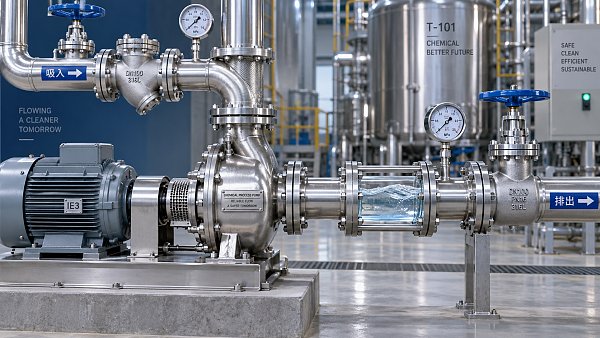
Fluid dynamics equipment includes pumps, valves, compressors, filters, separators, sensors, and pipe components that influence how liquids or gases move through a system.
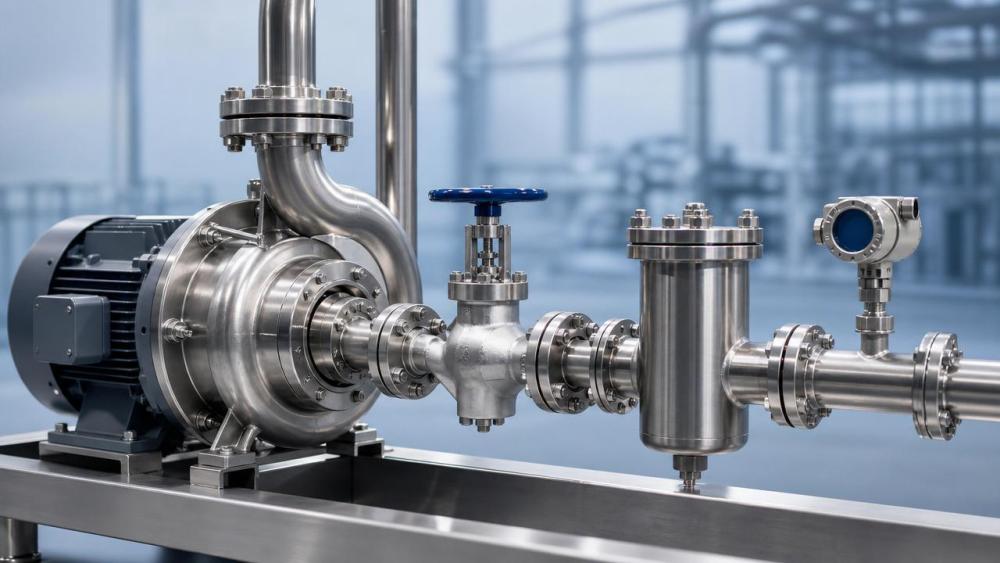
In pump selection, fluid dynamics equipment is not a side issue. It defines the hydraulic environment that the pump must survive and control every day.
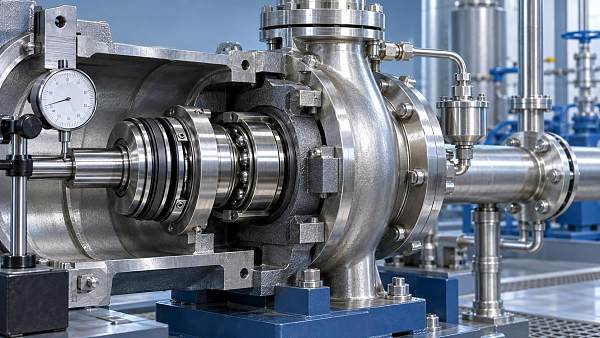
A pump may look efficient on paper. Yet poor system matching can create unstable suction, recirculation, vibration, overheating, or early seal and bearing failure.
That is why fluid dynamics equipment matters for reliability. It determines whether the selected pump operates near its best efficiency point or far from it.
In integrated industrial systems, a pump does not work alone. Smart valves, filtration units, separation stages, and pressure control hardware constantly change operating conditions.
When engineers evaluate fluid dynamics equipment correctly, they reduce hidden operating stress. That improves uptime, maintenance intervals, and energy performance across the asset lifecycle.
Why the system view matters
- Piping layout changes friction loss and suction conditions.
- Control valves influence pressure drop and flow stability.
- Filters affect differential pressure and contamination load.
- Separators change fluid properties and solids content.
- Instrumentation improves visibility into transient behavior.
How does fluid dynamics equipment affect cavitation and suction reliability?
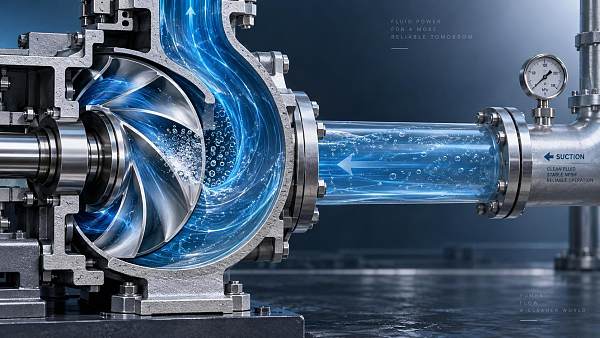
Cavitation remains one of the biggest threats to pump reliability. It starts when local pressure falls below the liquid vapor pressure at the pump inlet.
Many selection errors come from focusing only on rated flow and head. Reliable choices require closer attention to net positive suction head and inlet conditions.
Fluid dynamics equipment strongly affects those inlet conditions. Long suction lines, undersized strainers, sharp elbows, clogged filters, or unstable tank levels raise risk quickly.
Even accurate pump curves cannot protect reliability if the surrounding fluid dynamics equipment creates fluctuating suction pressure or entrained gas pockets.
Common cavitation triggers linked to the system
- Restricted suction piping and excessive line loss
- Poor tank geometry causing vortex formation
- Dirty filtration stages raising inlet resistance
- Temperature increases that reduce vapor margin
- Valve positions that create unstable inlet pressure
Selection reliability improves when fluid dynamics equipment is reviewed as a complete suction energy balance, not as isolated mechanical parts.
This is especially important in chemical transfer, wastewater treatment, desalination, food processing, mining slurry, and thermal utility systems.
In these applications, fluid properties change over time. Viscosity, solids load, gas content, and temperature can shift faster than standard nameplate assumptions.
Which operating conditions should be checked before choosing a pump?
A reliable pump decision depends on more than flow rate and discharge pressure. The surrounding fluid dynamics equipment must be mapped against real operating variability.
Key conditions to verify
- Minimum, normal, and maximum flow demand
- Static head and dynamic friction head
- Fluid temperature, density, and viscosity
- Presence of solids, fibers, or corrosive media
- Control valve rangeability and expected throttling
- Filtration pressure loss over time
- Startup, shutdown, and load transition behavior
These checks help identify whether the pump will run close to the best efficiency point under actual conditions, not only under design-point assumptions.
Fluid dynamics equipment often introduces off-design conditions. A separator fouls, a valve trims flow, or a filter blinds gradually, shifting the whole pump duty point.
Without that context, a selected pump may be oversized. Oversizing increases recirculation, energy waste, vibration, and mechanical stress during low-flow operation.
Undersizing is equally dangerous. It can force continuous operation near runout, increasing seal wear, shaft deflection, and unstable pressure delivery.
A practical preselection checklist
How do valves, filters, and separators change pump selection outcomes?
Fluid dynamics equipment around the pump often decides whether a technically correct model becomes a reliable field performer.
Control valves can either stabilize flow or create damaging pressure fluctuations. Their sizing, trim design, and operating range affect pump loading directly.
If a valve spends most of its time heavily throttled, the pump may be too large for the real process demand.
Filters and strainers protect pumps from particles, but they add resistance. As contamination builds, differential pressure rises and suction margins shrink.
Separators also matter. They can remove solids or gas, improving pump life, yet they may introduce pressure drop or intermittent flow behavior.
The best selection approach compares the full system curve with the pump curve across clean, dirty, minimum, and peak operating scenarios.
Where this matters most
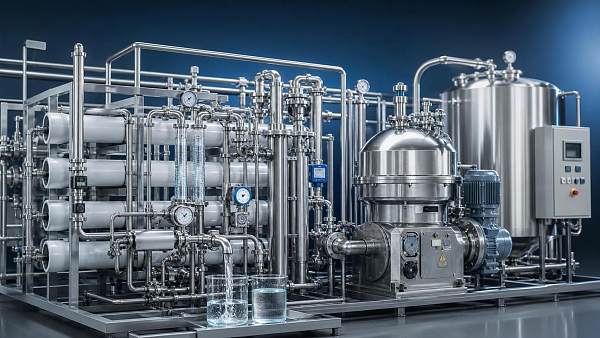
- RO desalination skids with high-pressure pretreatment stages
- Municipal and industrial wastewater trains
- Chemical plants with corrosive and variable media
- Boiler feed and thermal circulation loops
- Food, beverage, and hygienic processing lines
What are the biggest mistakes when evaluating fluid dynamics equipment?
One common mistake is choosing by catalog performance alone. Reliable operation depends on interaction between pump hydraulics and system behavior.
Another mistake is ignoring future fouling. Clean-system calculations often underestimate the resistance created by real filtration and separation equipment.
Transient conditions are also overlooked. Startup surges, valve repositioning, and intermittent tank levels can create short but damaging hydraulic disturbances.
Material selection errors add risk too. Fluid dynamics equipment may expose the pump to abrasion, corrosion, or gas entrainment not reflected in basic duty data.
High-risk assumptions to avoid
- Assuming constant fluid properties year-round
- Ignoring minimum flow protection needs
- Treating valve pressure drop as fixed
- Not modeling dirty filter conditions
- Using excessive design margins without checking efficiency
These mistakes increase total cost of ownership. They also reduce confidence in pump availability, especially in continuous process environments.
How can fluid dynamics equipment improve lifecycle cost and reliability?
Well-matched fluid dynamics equipment supports lower power consumption, steadier flow, and fewer unplanned interventions across the operating life of the pump.
Accurate valve sizing can reduce throttling losses. Better suction design can protect NPSH margin. Filtration planning can limit pressure penalties as systems age.
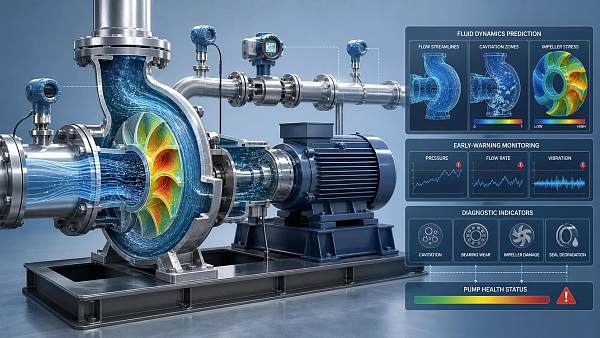
Digital monitoring adds another advantage. Pressure, vibration, temperature, and flow data reveal whether fluid dynamics equipment is pushing the pump away from safe operation.
This aligns with FCSM’s view of smart fluid control. Reliability comes from integrating hydraulic understanding, energy efficiency, and predictive maintenance into one decision path.
FAQ summary table
In the end, fluid dynamics equipment is a reliability multiplier. It can protect pump performance or quietly undermine it through poor hydraulic fit.
A stronger selection process starts with system mapping, operating range validation, and scenario-based review of valves, filters, separators, and suction conditions.
For better outcomes, compare pump options against the complete hydraulic context. That step turns fluid dynamics equipment from a hidden risk into a measurable advantage.
Related News
 How fluid dynamics analysis helps size a chemical process pumpFluid Dynamics ScientistFluid dynamics analysis helps engineers size chemical process pumps for reliable flow, NPSH margin, efficiency, and safer long-term operation.
 How fluid dynamic cavitation analysis predicts pump erosion riskFluid Dynamics ScientistFluid dynamic cavitation analysis reveals pump erosion risks before costly damage occurs. Learn how CFD pinpoints vapor collapse zones, off-design threats, and effective mitigation.
 How to identify industrial pump parts causing repeated seal failuresFluid Dynamics ScientistIndustrial pump parts can reveal why seals fail repeatedly. Learn how to inspect sleeves, bearings, shafts, flush lines, and hydraulic conditions for lasting repairs.
 How to size plunger pumps for high pressure dosing accuratelyFluid Dynamics ScientistPlunger pumps for high pressure dosing: learn how to size flow, pressure, suction, pulsation control, and materials for accurate, reliable chemical injection.
 What drives centrifugal pump price differences for similar duty points?Fluid Dynamics ScientistCentrifugal pump price differences explained: compare efficiency, materials, seals, testing, and lifecycle costs to choose the right pump package.
 What Should EPC Buyers Check in Fluid Equipment Technical Specs?Fluid Dynamics ScientistWhat should an EPC buyer check in fluid equipment technical specs? Explore key checks for duty range, materials, efficiency, interfaces, compliance, and lifecycle reliability.
 How Can Chemical Dosing Costs Be Reduced in Industrial Wastewater Treatment?Fluid Dynamics ScientistHow to reduce chemical dosing cost in industrial wastewater treatment? Discover practical ways to optimize monitoring, mixing, controls, and chemical selection while protecting compliance.
 Which pump cavitation test methods best reveal NPSH margin?Fluid Dynamics ScientistPump cavitation test methods explained: compare NPSH3, vibration, acoustic emission, and endurance testing to verify real NPSH margin and prevent costly pump damage.
 How fluid separation process design affects product purity and yieldFluid Dynamics ScientistFluid separation process design directly impacts product purity and yield. Learn how better configuration, equipment choices, and control strategies improve performance.
 What drives process industry pumps price in corrosive duty applicationsFluid Dynamics ScientistProcess industry pumps price in corrosive duty depends on materials, seals, coatings, testing, and supplier support. Learn how to compare quotes, avoid hidden costs, and choose reliable lifecycle value.
 How Fluid Dynamics Predictive Analytics Improves Pump Failure ForecastingFluid Dynamics ScientistFluid dynamics predictive analytics helps forecast pump failures earlier by linking flow behavior to cavitation, wear, and damage—improving maintenance decisions and reducing downtime.
 What Pump System Technology Improves Energy Efficiency in Chemical Processing?Fluid Dynamics ScientistPump system technology for chemical processing starts with the real duty point. Learn how VFDs, hydraulic design, staging, and controls can cut energy use and improve reliability.