How Fluid Dynamics Research Improves Pump Efficiency




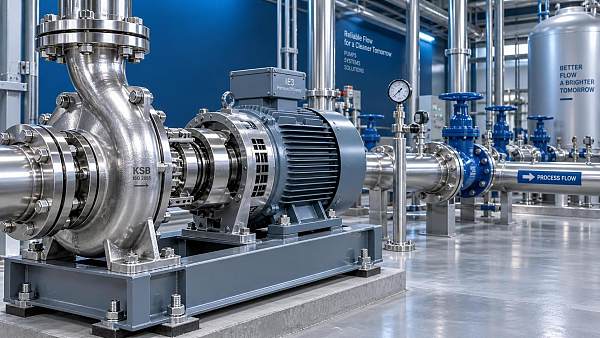
Pump efficiency is often discussed in terms of motor rating, impeller geometry, or material selection, yet the deeper driver is flow behavior inside the machine and across the system.
That is why fluid dynamics research has moved from the laboratory into routine technical evaluation. It helps explain why two pumps with similar datasheets can deliver very different energy use, stability, and maintenance outcomes.
For industrial decision-making, the value is practical. Better insight into cavitation, turbulence, recirculation, and pressure loss leads to more accurate comparisons, lower lifecycle cost, and fewer surprises after commissioning.
Why fluid behavior matters more than nameplate efficiency
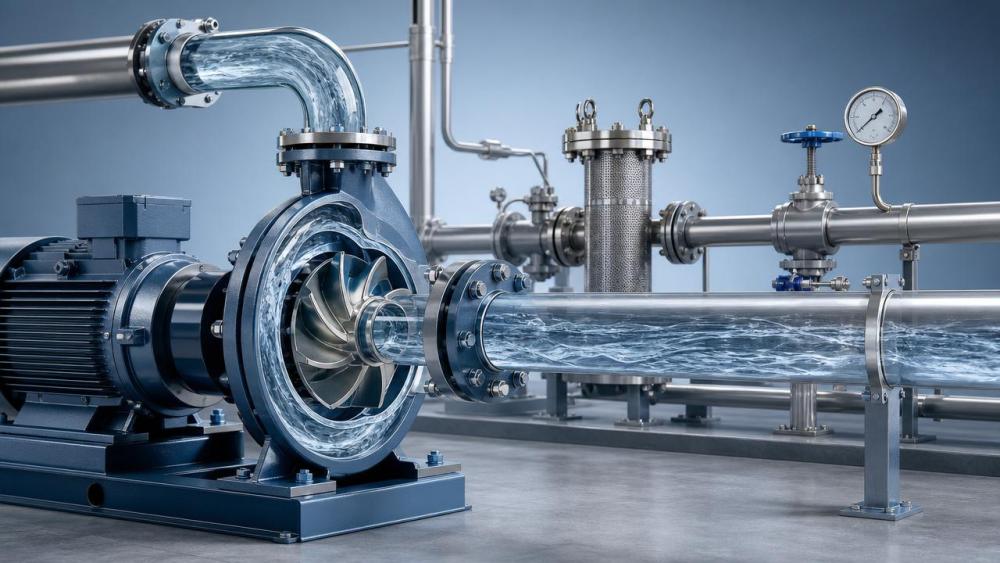
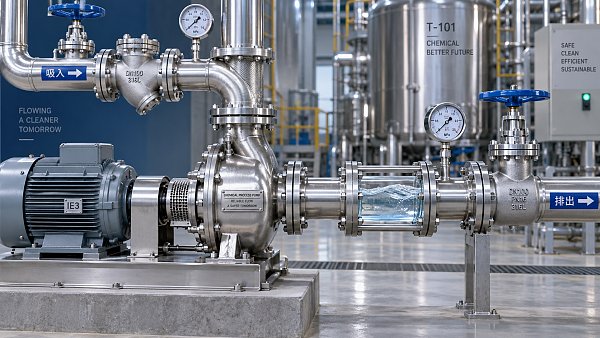
A pump does not operate in isolation. It interacts with suction piping, discharge resistance, fluid properties, control valves, filters, and changing demand profiles.
Nameplate efficiency captures performance near a defined test point. Real plants rarely stay at that point for long.
Fluid dynamics research examines what happens when viscosity shifts, inlet conditions deteriorate, solids appear, or duty cycles drift away from best efficiency point.
This is especially relevant in process industries, water treatment, energy, and chemical systems, where pumps are the hydraulic heart of wider operating networks.
FCSM follows this topic closely because pump performance is linked to the same system logic that shapes control valves, compressors, and separation equipment.
When flow is not understood correctly, inefficiency spreads across the network. Power draw rises, vibration grows, valve throttling becomes excessive, and reliability margins shrink.
What fluid dynamics research actually studies
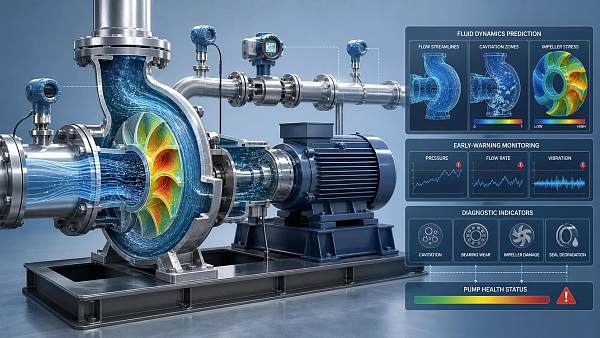
At its core, fluid dynamics research studies how liquids or gases move under pressure, velocity gradients, and geometric constraints.
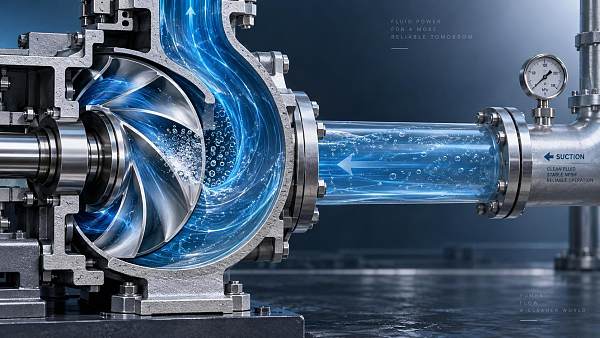
In pump applications, that means tracking how energy transfers from the impeller to the fluid and where that energy is lost.
The research may involve physical testing, CFD simulation, field measurements, or a combination of all three.
Key loss mechanisms under review
- Hydraulic losses caused by friction, separation, and internal leakage.
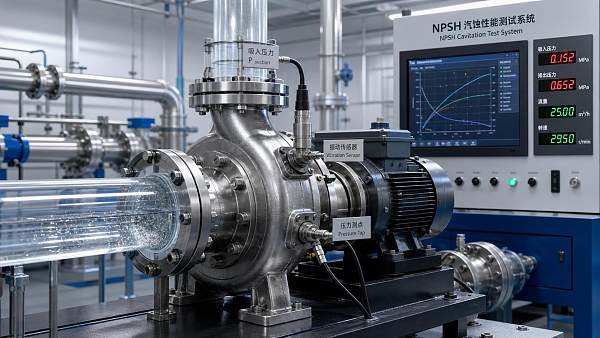
- Cavitation triggered by low suction pressure or poor inlet design.
- Flow recirculation near low-flow or off-design operation.
- Turbulence intensity that converts useful energy into heat and noise.
- Transient effects during startup, shutdown, or rapid control changes.
These factors explain why fluid dynamics research is not only about higher efficiency curves. It is also about durability, controllability, and predictable operation.
Where efficiency gains usually come from
The biggest gains rarely come from one dramatic design change. They usually result from several smaller corrections guided by fluid analysis.
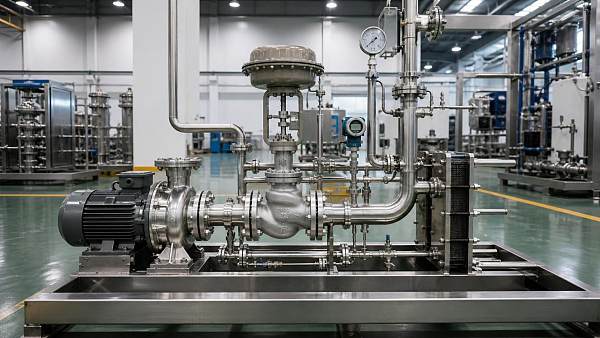
In many cases, fluid dynamics research shows that the pump itself is not the only issue. The piping layout, valve strategy, and filtration stage may be consuming the efficiency that the pump was designed to deliver.
Why the topic is receiving more industry attention
Energy efficiency regulations are becoming stricter. Carbon reduction targets are forcing operators to examine auxiliary equipment with the same seriousness once reserved for boilers or turbines.
Pumps are now assessed across the full lifecycle, not only at purchase. That changes the role of fluid dynamics research from optional analysis to an evaluation advantage.
The trend is even clearer in sectors covered by FCSM, where centrifugal pumps, plunger pumps, control valves, air compressors, and separation systems increasingly operate as one connected efficiency chain.
Digital tools are also changing expectations. Three-dimensional CFD, sensor-based monitoring, and predictive maintenance platforms make flow-related losses easier to identify and harder to ignore.
More importantly, supply chain pressure raises the cost of poor selection. Oversized pumps, unstable low-flow operation, or cavitation-related damage now carry a larger commercial penalty.
How to read pump performance through a fluid dynamics lens
A useful evaluation starts by separating catalog performance from system performance.
Catalog performance reflects controlled testing. System performance reflects actual piping losses, control logic, fluid quality, and process variability.
Questions that improve technical judgment
- How far will operation drift from best efficiency point during normal duty?
- What suction margin exists under summer temperature or tank level changes?
- Will solids, gas entrainment, or viscosity changes alter internal flow patterns?
- How much throttling is being used to correct a poor pump-system match?
- What vibration or noise signatures suggest hidden flow instability?
These questions translate fluid dynamics research into site-level judgment. They also reduce the risk of choosing equipment that looks strong on paper but weak in service.
Typical scenarios where research creates measurable value
In chemical processing, fluid dynamics research helps manage corrosive media, varying density, and seal-protection concerns.
In water and wastewater systems, it supports lower energy consumption, stable head delivery, and reduced cavitation near fluctuating intake conditions.
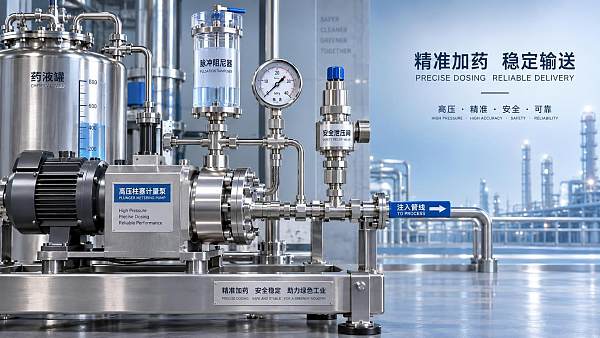
In SWRO or high-pressure plunger systems, it improves volumetric efficiency while limiting pulsation and wear.
In filtration and separation lines, it helps balance pump output with membrane protection, pressure drop, and fouling control.
Even where pumps are not the final focus, the same logic supports smarter interaction with pneumatic valves and compressor-driven utilities.
That wider perspective is important because hydraulic inefficiency often appears first as a system symptom, not as an obvious pump defect.
Practical signals worth comparing during evaluation
Not every project needs a full simulation campaign. Still, several indicators reveal whether fluid dynamics research has meaningfully informed the design.
- Clear explanation of off-design performance, not only best-point data.
- Documented cavitation analysis with realistic NPSH assumptions.
- Evidence of flow uniformity improvements in impeller, volute, or inlet geometry.
- Noise and vibration expectations tied to hydraulic behavior.
- System-level recommendations for valves, piping, and control strategy.
When these points are present, fluid dynamics research is usually being used as a decision tool rather than a marketing phrase.
That distinction matters, especially when comparing high-efficiency replacement projects influenced by decarbonization targets and tighter operating budgets.
Turning analysis into better next decisions
The most useful outcome of fluid dynamics research is not a complex graphic. It is a clearer basis for choosing, sizing, and operating the pump within its real process context.
A practical next step is to review current duty variation, suction conditions, and control behavior before comparing equipment options.
Then compare which suppliers or information sources can connect pump hydraulics with valve interaction, filtration resistance, energy rules, and maintenance consequences.
That broader view is where platforms such as FCSM are useful, because they place pump efficiency inside the larger network of smart fluid control.
When the goal is long-term performance, the better question is not simply which pump is efficient. It is which design stays efficient under the flow conditions the site will actually face.
Related News
 How fluid dynamics analysis helps size a chemical process pumpFluid Dynamics ScientistFluid dynamics analysis helps engineers size chemical process pumps for reliable flow, NPSH margin, efficiency, and safer long-term operation.
 How fluid dynamic cavitation analysis predicts pump erosion riskFluid Dynamics ScientistFluid dynamic cavitation analysis reveals pump erosion risks before costly damage occurs. Learn how CFD pinpoints vapor collapse zones, off-design threats, and effective mitigation.
 How to identify industrial pump parts causing repeated seal failuresFluid Dynamics ScientistIndustrial pump parts can reveal why seals fail repeatedly. Learn how to inspect sleeves, bearings, shafts, flush lines, and hydraulic conditions for lasting repairs.
 How to size plunger pumps for high pressure dosing accuratelyFluid Dynamics ScientistPlunger pumps for high pressure dosing: learn how to size flow, pressure, suction, pulsation control, and materials for accurate, reliable chemical injection.
 What drives centrifugal pump price differences for similar duty points?Fluid Dynamics ScientistCentrifugal pump price differences explained: compare efficiency, materials, seals, testing, and lifecycle costs to choose the right pump package.
 What Should EPC Buyers Check in Fluid Equipment Technical Specs?Fluid Dynamics ScientistWhat should an EPC buyer check in fluid equipment technical specs? Explore key checks for duty range, materials, efficiency, interfaces, compliance, and lifecycle reliability.
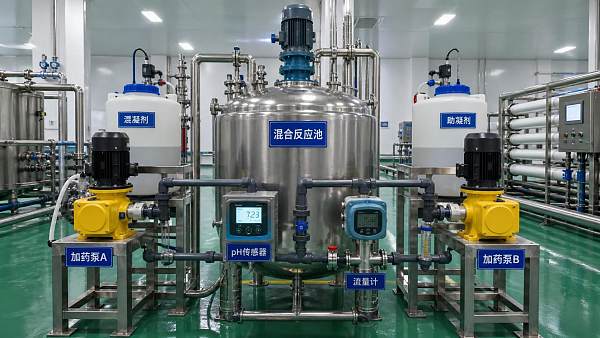
 How Can Chemical Dosing Costs Be Reduced in Industrial Wastewater Treatment?Fluid Dynamics ScientistHow to reduce chemical dosing cost in industrial wastewater treatment? Discover practical ways to optimize monitoring, mixing, controls, and chemical selection while protecting compliance.
 Which pump cavitation test methods best reveal NPSH margin?Fluid Dynamics ScientistPump cavitation test methods explained: compare NPSH3, vibration, acoustic emission, and endurance testing to verify real NPSH margin and prevent costly pump damage.
 How fluid separation process design affects product purity and yieldFluid Dynamics ScientistFluid separation process design directly impacts product purity and yield. Learn how better configuration, equipment choices, and control strategies improve performance.
 What drives process industry pumps price in corrosive duty applicationsFluid Dynamics ScientistProcess industry pumps price in corrosive duty depends on materials, seals, coatings, testing, and supplier support. Learn how to compare quotes, avoid hidden costs, and choose reliable lifecycle value.
 How Fluid Dynamics Predictive Analytics Improves Pump Failure ForecastingFluid Dynamics ScientistFluid dynamics predictive analytics helps forecast pump failures earlier by linking flow behavior to cavitation, wear, and damage—improving maintenance decisions and reducing downtime.
 What Pump System Technology Improves Energy Efficiency in Chemical Processing?Fluid Dynamics ScientistPump system technology for chemical processing starts with the real duty point. Learn how VFDs, hydraulic design, staging, and controls can cut energy use and improve reliability.