How Industrial CFD Simulation Cuts Pump Energy Loss




For capital projects where every kilowatt must be justified, pump efficiency is no longer judged by nameplate data alone. Industrial CFD simulation gives a sharper view of where energy disappears inside a pump, from cavitation near the impeller eye to recirculation at off-design flow. That matters across process industries, water systems, power facilities, and filtration lines, where fluid machinery sits at the center of cost, reliability, and decarbonization decisions. When simulation is used well, it turns efficiency claims into evidence and helps separate genuine hydraulic improvement from optimistic marketing.
Why pump energy loss is under closer scrutiny
Energy use from pump systems often remains hidden inside broader utility spending. Yet in many plants, pumps run continuously, absorb large motor loads, and influence upstream and downstream process stability.
A small hydraulic penalty can become a major lifecycle cost. Lower efficiency also raises heat, vibration, seal stress, and maintenance frequency, especially in abrasive, corrosive, or high-temperature services.
This is one reason industry intelligence platforms such as FCSM keep tracking fluid dynamic behavior, cavitation risk, and energy-efficiency shifts across general machinery. The same pressure shaping compressor upgrades and smart valve control is also changing pump evaluation standards.
Regulatory pressure adds another layer. Motor efficiency rules, carbon targets, and tender requirements increasingly reward documented performance, not only estimated savings. Industrial CFD simulation helps create that documentation earlier in the decision cycle.
What industrial CFD simulation actually reveals
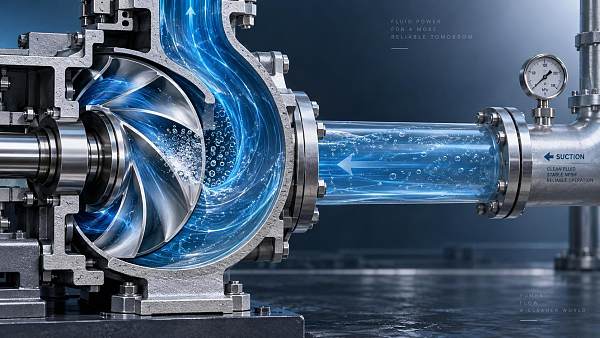
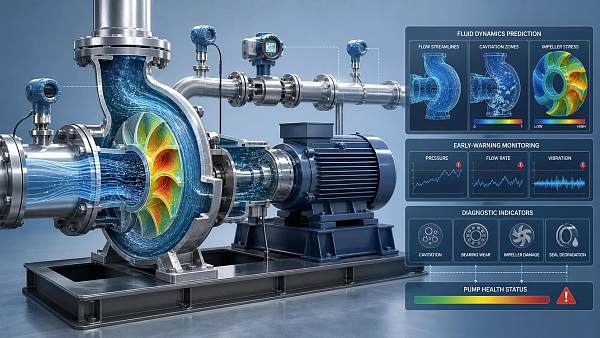
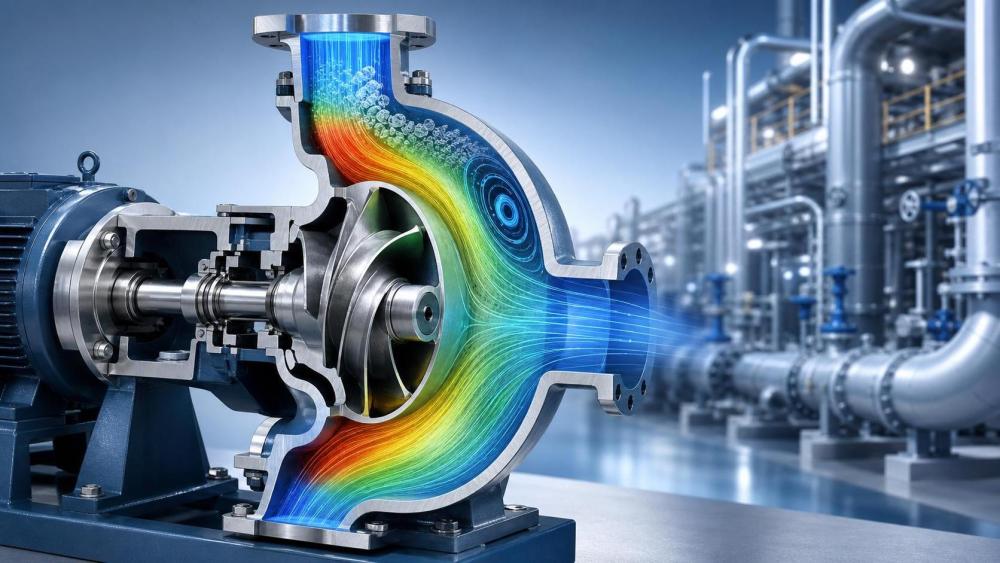
At its core, industrial CFD simulation models how fluid moves through the pump’s internal geometry. It calculates velocity, pressure, turbulence, vapor formation, and hydraulic losses in areas that cannot be observed directly during operation.
That makes it useful for more than a theoretical design exercise. It shows whether energy is being converted into useful head or wasted through unstable flow structures.
Common loss mechanisms seen in simulation
- Inlet recirculation that increases turbulence and disrupts impeller loading.
- Cavitation zones that consume energy and damage surfaces over time.
- Flow separation in diffusers, volutes, or return channels.
- Hydraulic imbalance that raises shaft deflection and bearing losses.
- Off-design operating points where efficiency collapses faster than expected.
In practical terms, industrial CFD simulation translates internal flow behavior into decision-ready information. It connects geometry choices with measurable outcomes such as head rise, NPSHr margin, efficiency curve shape, and power consumption.
Where the biggest efficiency gains usually come from
Not every efficiency problem starts with the motor. In many cases, the largest avoidable losses sit in hydraulic design details that appear minor on drawings but have a strong effect on real performance.
Impeller and casing interaction
Blade inlet angle, outlet width, wrap angle, and leading-edge profile all influence how smoothly fluid enters and leaves the impeller. A mismatch here can generate shock loss and uneven pressure loading.
The volute or diffuser then decides whether that energy is recovered efficiently. Industrial CFD simulation often shows that modest casing refinements can reduce recirculation and flatten local pressure spikes.
Clearances and leakage paths
Wear ring gaps, balance holes, sidewall clearances, and interstage leakage can quietly erode efficiency. These losses are easy to underestimate, especially when comparing a new design with a worn installed unit.
Operating range fit
A pump may test well near best efficiency point but spend most of its life elsewhere. Simulation helps determine how sharply losses increase at reduced flow, overload flow, or unstable duty conditions.
How simulation supports evaluation in real projects
The value of industrial CFD simulation becomes clearer when comparing project scenarios, not just reviewing one design in isolation. It helps rank options that may look similar in datasheets.
This approach aligns well with broader machinery evaluation. The same digital scrutiny used for valve noise, compressor thermodynamics, and filtration performance is now expected in critical pump decisions.
What to look for in a credible simulation study
Not all simulation output deserves equal trust. Colorful flow plots can look persuasive while hiding weak assumptions, poor boundary conditions, or limited operating coverage.
Useful questions during review
- Was the model validated against test data or field measurements?
- Were multiple duty points evaluated, not only the best efficiency point?
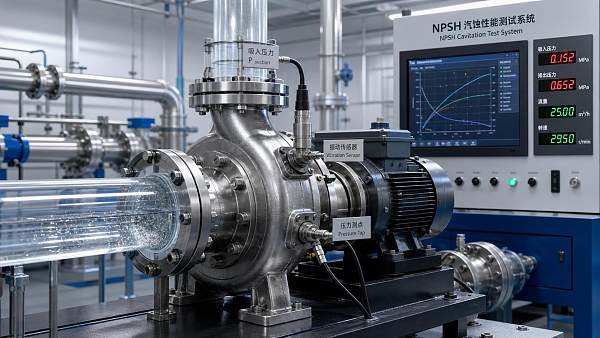
- Did the study include cavitation analysis and NPSH sensitivity?
- Are leakage, roughness, or wear-related effects addressed realistically?
- Do conclusions link clearly to power draw, head, and reliability outcomes?
A strong industrial CFD simulation study should explain why losses occur, where they occur, and how much improvement each design change can reasonably deliver.
It should also state the limits of the model. This matters in slurry service, multiphase duty, extreme viscosity, or transient operations where simplified assumptions can distort the result.
Typical use cases across the fluid machinery landscape
Pump energy loss is rarely an isolated topic. It affects system balance, control response, filtration stability, and even compressor-related utilities in integrated plants.
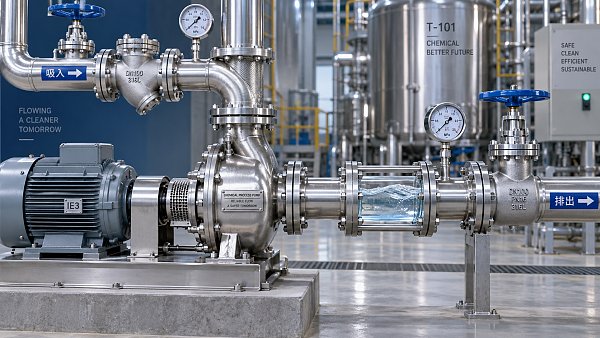
In chemical processing, industrial CFD simulation helps evaluate corrosive-duty pumps where efficiency upgrades must not compromise seal environment or local pressure margins.
In water and wastewater systems, it supports intake, transfer, and high-pressure applications where energy costs dominate long operating cycles and cavitation can trigger rapid deterioration.
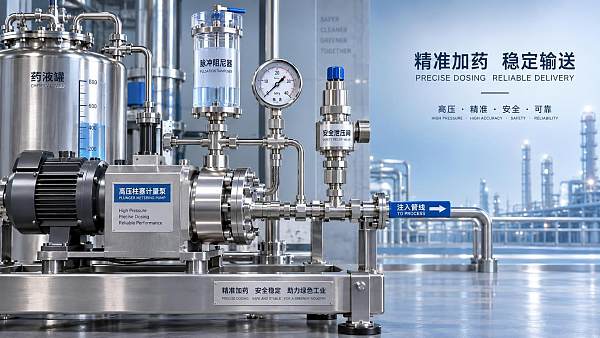
In SWRO and other high-pressure services, it complements analysis of plunger pumps, valves, and separation equipment by showing where fluid handling efficiency affects the entire process chain.
In power, mining, and heavy industry, industrial CFD simulation is often used to examine abrasive wear patterns alongside hydraulic loss. That combination gives a more realistic view of lifecycle value.
How to turn findings into better decisions
Simulation creates value when it leads to cleaner comparison standards. One useful step is to assess pumps through a shared framework that combines hydraulic, mechanical, and commercial evidence.
- Compare efficiency across the real operating window, not a single design point.
- Check whether predicted savings remain credible after wear and clearance growth.
- Link internal flow improvements to maintenance intervals and spare part exposure.
- Review energy claims alongside system controls, valve behavior, and pipe conditions.
- Use industrial CFD simulation as one layer of evidence, then verify with testing.
That last point is important. Simulation is powerful, but it works best when paired with test curves, site operating data, and a realistic understanding of system variability.
For organizations following the broader intelligence trends highlighted by FCSM, this is the practical direction: use digital flow analysis to narrow choices, identify hidden loss mechanisms, and build a stronger basis for lifecycle decisions.
The next step is usually straightforward. Map the actual duty range, collect field performance deviations, and compare them against a simulation-backed review of hydraulic losses. That makes pump selection less dependent on assumptions and more aligned with energy, reliability, and low-carbon targets.
Related News
 How fluid dynamics analysis helps size a chemical process pumpFluid Dynamics ScientistFluid dynamics analysis helps engineers size chemical process pumps for reliable flow, NPSH margin, efficiency, and safer long-term operation.
 How fluid dynamic cavitation analysis predicts pump erosion riskFluid Dynamics ScientistFluid dynamic cavitation analysis reveals pump erosion risks before costly damage occurs. Learn how CFD pinpoints vapor collapse zones, off-design threats, and effective mitigation.
 How to identify industrial pump parts causing repeated seal failuresFluid Dynamics ScientistIndustrial pump parts can reveal why seals fail repeatedly. Learn how to inspect sleeves, bearings, shafts, flush lines, and hydraulic conditions for lasting repairs.
 How to size plunger pumps for high pressure dosing accuratelyFluid Dynamics ScientistPlunger pumps for high pressure dosing: learn how to size flow, pressure, suction, pulsation control, and materials for accurate, reliable chemical injection.
 What drives centrifugal pump price differences for similar duty points?Fluid Dynamics ScientistCentrifugal pump price differences explained: compare efficiency, materials, seals, testing, and lifecycle costs to choose the right pump package.
 What Should EPC Buyers Check in Fluid Equipment Technical Specs?Fluid Dynamics ScientistWhat should an EPC buyer check in fluid equipment technical specs? Explore key checks for duty range, materials, efficiency, interfaces, compliance, and lifecycle reliability.
 How Can Chemical Dosing Costs Be Reduced in Industrial Wastewater Treatment?Fluid Dynamics ScientistHow to reduce chemical dosing cost in industrial wastewater treatment? Discover practical ways to optimize monitoring, mixing, controls, and chemical selection while protecting compliance.
 Which pump cavitation test methods best reveal NPSH margin?Fluid Dynamics ScientistPump cavitation test methods explained: compare NPSH3, vibration, acoustic emission, and endurance testing to verify real NPSH margin and prevent costly pump damage.
 How fluid separation process design affects product purity and yieldFluid Dynamics ScientistFluid separation process design directly impacts product purity and yield. Learn how better configuration, equipment choices, and control strategies improve performance.
 What drives process industry pumps price in corrosive duty applicationsFluid Dynamics ScientistProcess industry pumps price in corrosive duty depends on materials, seals, coatings, testing, and supplier support. Learn how to compare quotes, avoid hidden costs, and choose reliable lifecycle value.
 How Fluid Dynamics Predictive Analytics Improves Pump Failure ForecastingFluid Dynamics ScientistFluid dynamics predictive analytics helps forecast pump failures earlier by linking flow behavior to cavitation, wear, and damage—improving maintenance decisions and reducing downtime.
 What Pump System Technology Improves Energy Efficiency in Chemical Processing?Fluid Dynamics ScientistPump system technology for chemical processing starts with the real duty point. Learn how VFDs, hydraulic design, staging, and controls can cut energy use and improve reliability.