Pump Cavitation Analysis: Signs, Causes, and Fast Fixes




Pump Cavitation Analysis: What It Really Tells You in the Field
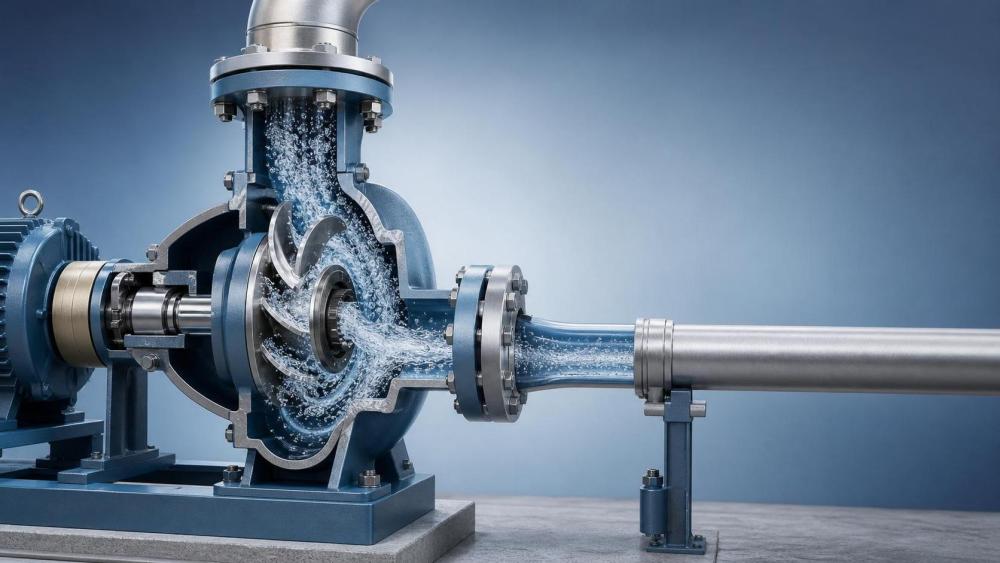
Pump cavitation analysis matters most when a pump sounds wrong, runs rough, or suddenly loses output.
In many service cases, the first clues are noise, vibration, seal leakage, and unstable discharge pressure.
If those signals are ignored, impellers, sleeves, bearings, and mechanical seals usually pay the price.
Good pump cavitation analysis helps separate a true hydraulic problem from alignment, motor, or piping issues.
That saves time on site and prevents replacing healthy parts while the real cause stays untouched.
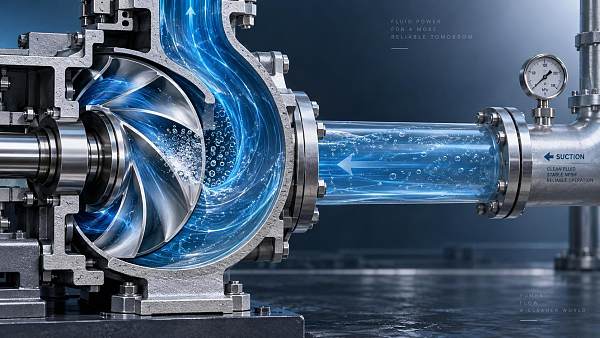
At a basic level, cavitation begins when local pressure drops below liquid vapor pressure.
Tiny vapor bubbles form, move, and then collapse where pressure rises again inside the pump.
That collapse creates shock energy strong enough to pit metal and disturb stable flow.
From a maintenance view, pump cavitation analysis is less about theory and more about finding why pressure margin disappeared.
Early Signs That Point to Cavitation
The most familiar sign is a sharp crackling noise, often compared to gravel or marbles inside the casing.
That sound alone is not enough, but it is often the first trigger for pump cavitation analysis.
A stronger signal is when the noise comes with fluctuating suction or discharge readings.
You may also see reduced flow, unstable head, or poor response after valve adjustments.
Vibration trends often rise before visible damage appears on the impeller eye or vanes.
In severe cases, seal faces overheat because the hydraulic condition becomes erratic.
Bearings can also suffer, not because cavitation hits them directly, but because vibration travels through the assembly.
Look closely at performance history, not only the current complaint.
A pump that used to meet duty but now misses flow after process changes deserves immediate pump cavitation analysis.
- Crackling, popping, or gravel-like noise near the suction end
- Discharge pressure hunting during steady demand
- Flow reduction without clear blockage downstream
- Rising vibration and repeated seal complaints
- Visible pitting on impeller surfaces after teardown
Main Causes Behind Pump Cavitation Analysis Findings
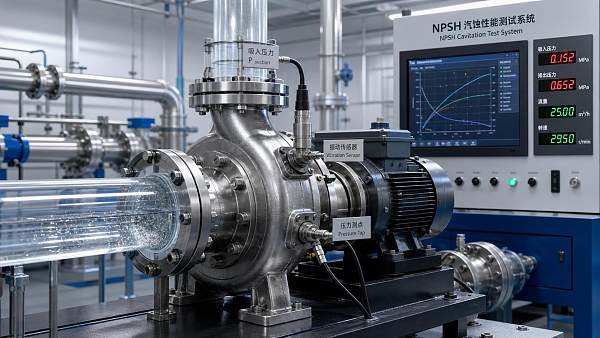
Most pump cavitation analysis results lead back to one issue: insufficient NPSH available.
When NPSHa falls below what the pump needs, vapor bubbles start forming at the suction side.
Low tank level is a common reason, especially after operational changes or poor level control.
High liquid temperature is another frequent driver because vapor pressure rises quickly.
Even a pump that worked well in winter may struggle during hotter production periods.
Air ingress also shows up often during pump cavitation analysis.
Loose flanges, worn gaskets, valve stem packing leaks, or poor suction line sealing can pull air inward.
That does not always create textbook cavitation, but it can produce similar symptoms and worsen pressure instability.
Suction piping mistakes are another major root cause.
Undersized pipe, too many elbows, clogged strainers, and badly placed reducers all increase losses.
Running far from the best efficiency point can also trigger damaging internal recirculation.
This is why pump cavitation analysis should always include operating point review, not just hardware inspection.
Typical root causes to confirm
- NPSHa too low because of low source level
- Hot liquid with elevated vapor pressure
- Air leakage on suction piping or fittings
- Blocked strainer or partially closed suction valve
- Pump oversized or forced away from BEP
- Excessive fluid friction in poor piping layout
A Fast Field Checklist for Pump Cavitation Analysis
When time is limited, a structured checklist keeps troubleshooting focused.
Start with operating data before touching the pump.
Compare current suction pressure, discharge pressure, flow, temperature, and motor load with normal baseline values.
If the suction side changed, pump cavitation analysis should focus there first.
- Listen at the suction casing and compare sound at different loads.
- Check source level, liquid temperature, and suction valve position.
- Inspect strainers, filters, and temporary screens for fouling.
- Look for air entry points around flanges, vents, and seal systems.
- Review whether recent process changes altered required flow or head.
- Confirm actual pump speed if a VFD or control logic is involved.
A quick visual teardown can help if pitting appears near the impeller eye.
That damage pattern supports the pump cavitation analysis and narrows the timeline of the problem.
Fast Fixes That Usually Work First
The fastest fix is not always a pump repair.
Often, restoring stable suction conditions removes the problem without opening the machine.
Raise source level if possible, reduce liquid temperature, or clear the suction path.
If a strainer is blocked, cleaning it may immediately improve NPSHa.
If air ingress is present, reseal joints and tighten fittings before changing rotating parts.
Another practical move is reducing pump speed when the process allows it.
Lower speed cuts NPSHr and often calms a marginal system very quickly.
In other cases, slightly opening or correcting discharge control may move operation closer to BEP.
That is why effective pump cavitation analysis always connects hydraulic symptoms with operating practice.
Quick action table
When a Fast Fix Is Not Enough
Some cases need a deeper correction because the system itself is the problem.
If pump cavitation analysis keeps pointing to low suction margin, redesign may be unavoidable.
That may include a larger suction line, fewer fittings, a shorter run, or a different pump selection.
An inducer, booster pump, or lower-speed unit can also solve chronic cavitation risk.
In process industries, digital monitoring adds another advantage.
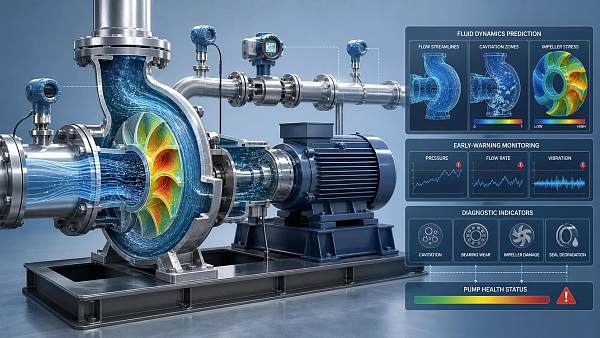
Trend alarms for vibration, suction pressure, temperature, and valve position can flag the pattern early.
That turns pump cavitation analysis from reactive troubleshooting into predictive maintenance.
For organizations managing pump fleets, this is where reliability and efficiency start to align.
Practical Closing Takeaway
Strong pump cavitation analysis is built on observation, operating data, and fast root-cause checks.
Listen for the sound, verify the pressure margin, inspect the suction side, and confirm how the pump is being run.
Most importantly, do not treat cavitation as only a pump defect.
It is usually a system warning that pressure, temperature, flow, or operating logic has drifted out of balance.
When handled early, pump cavitation analysis leads to quick fixes, less downtime, and longer component life.
When ignored, it often returns as repeated failures that consume labor, parts, and trust.
Use the signs, trace the cause, apply the fast fix, and escalate to system changes when the data tells you to.
Related News
 How fluid dynamics analysis helps size a chemical process pumpFluid Dynamics ScientistFluid dynamics analysis helps engineers size chemical process pumps for reliable flow, NPSH margin, efficiency, and safer long-term operation.
 How fluid dynamic cavitation analysis predicts pump erosion riskFluid Dynamics ScientistFluid dynamic cavitation analysis reveals pump erosion risks before costly damage occurs. Learn how CFD pinpoints vapor collapse zones, off-design threats, and effective mitigation.
 How to identify industrial pump parts causing repeated seal failuresFluid Dynamics ScientistIndustrial pump parts can reveal why seals fail repeatedly. Learn how to inspect sleeves, bearings, shafts, flush lines, and hydraulic conditions for lasting repairs.
 How to size plunger pumps for high pressure dosing accuratelyFluid Dynamics ScientistPlunger pumps for high pressure dosing: learn how to size flow, pressure, suction, pulsation control, and materials for accurate, reliable chemical injection.
 What drives centrifugal pump price differences for similar duty points?Fluid Dynamics ScientistCentrifugal pump price differences explained: compare efficiency, materials, seals, testing, and lifecycle costs to choose the right pump package.
 What Should EPC Buyers Check in Fluid Equipment Technical Specs?Fluid Dynamics ScientistWhat should an EPC buyer check in fluid equipment technical specs? Explore key checks for duty range, materials, efficiency, interfaces, compliance, and lifecycle reliability.
 How Can Chemical Dosing Costs Be Reduced in Industrial Wastewater Treatment?Fluid Dynamics ScientistHow to reduce chemical dosing cost in industrial wastewater treatment? Discover practical ways to optimize monitoring, mixing, controls, and chemical selection while protecting compliance.
 Which pump cavitation test methods best reveal NPSH margin?Fluid Dynamics ScientistPump cavitation test methods explained: compare NPSH3, vibration, acoustic emission, and endurance testing to verify real NPSH margin and prevent costly pump damage.
 How fluid separation process design affects product purity and yieldFluid Dynamics ScientistFluid separation process design directly impacts product purity and yield. Learn how better configuration, equipment choices, and control strategies improve performance.
 What drives process industry pumps price in corrosive duty applicationsFluid Dynamics ScientistProcess industry pumps price in corrosive duty depends on materials, seals, coatings, testing, and supplier support. Learn how to compare quotes, avoid hidden costs, and choose reliable lifecycle value.
 How Fluid Dynamics Predictive Analytics Improves Pump Failure ForecastingFluid Dynamics ScientistFluid dynamics predictive analytics helps forecast pump failures earlier by linking flow behavior to cavitation, wear, and damage—improving maintenance decisions and reducing downtime.
 What Pump System Technology Improves Energy Efficiency in Chemical Processing?Fluid Dynamics ScientistPump system technology for chemical processing starts with the real duty point. Learn how VFDs, hydraulic design, staging, and controls can cut energy use and improve reliability.