Pump Cavitation Solution: Causes, Fixes, and Prevention Steps




Why does pump cavitation become a serious reliability problem so quickly?
Pump cavitation is not just a noise issue. It is a fluid dynamic failure that can escalate from minor instability to major hardware damage in a short time.
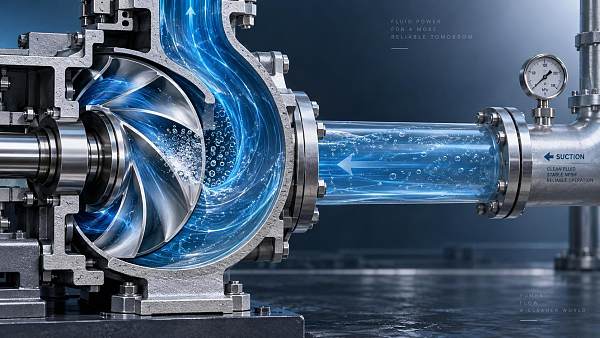
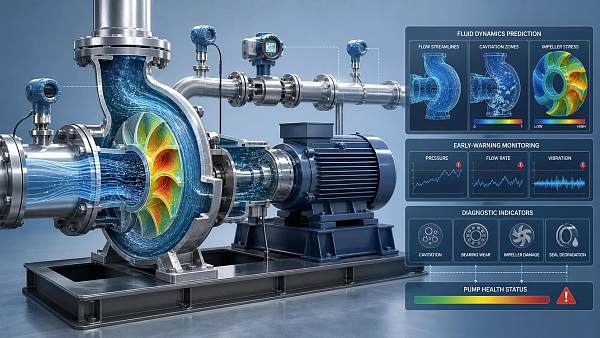
In simple terms, cavitation starts when local pressure drops below the liquid vapor pressure. Tiny vapor bubbles form, then collapse violently as pressure recovers.
That collapse releases shock energy against impellers, casings, and wear rings. The result is pitting, vibration, performance loss, and rising maintenance cost.
A practical pump cavitation solution matters because the first visible symptom is rarely the root cause. Operators may hear rattling, but the real problem often sits in suction conditions.
This is especially relevant across process industries. Water systems, chemical transfer lines, filtration skids, and high-duty cooling loops all depend on stable hydraulic behavior.
Within broader fluid machinery intelligence, cavitation is a key indicator of system mismatch. It links pump design, valve behavior, filtration resistance, and energy efficiency in one failure pattern.
That is why FCSM often frames cavitation as more than a pump defect. It is a system-level warning inside the industrial “blood vessels” that move critical fluids.
What usually causes cavitation in real operating conditions?
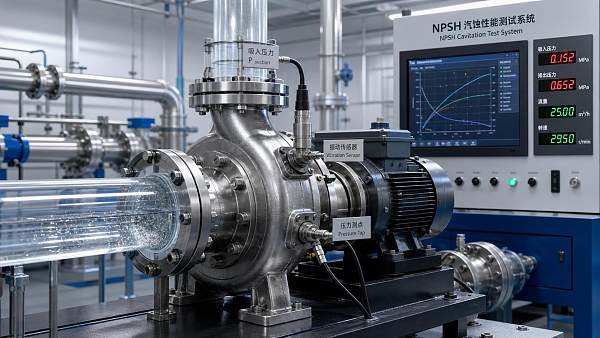
The most common trigger is insufficient Net Positive Suction Head available, or NPSHa. If the pump needs more than the system can provide, cavitation becomes likely.
Still, the field picture is usually more complicated. Several smaller issues often combine until the pump crosses the cavitation threshold.
- Blocked suction strainers or dirty filters that increase inlet loss.
- Undersized suction piping or too many elbows near the pump nozzle.
- Low tank level that reduces static suction head.
- Fluid temperature increase that raises vapor pressure.
- Control valves set in ways that disturb upstream flow balance.
- Operation far from the best efficiency point.
In actual maintenance work, one of the most overlooked causes is recent system change. A new valve trim, a longer pipe run, or a tighter filter can alter suction margin.
Another frequent mistake is assuming every loud pump is cavitating. Air entrainment, bearing failure, and recirculation can sound similar, but the corrective action is different.
A strong pump cavitation solution therefore begins with verification, not replacement. If the diagnosis is weak, the repair cycle becomes expensive and repetitive.
How can you tell whether it is cavitation or a different pump fault?
The better approach is to compare symptoms, operating data, and recent process changes together. Sound alone is not enough.
Cavitation often produces a crackling or gravel-like noise. It may also show unstable discharge pressure, fluctuating flow, and falling pump efficiency under load.
If the problem becomes severe, inspection may reveal impeller pitting near the inlet eye. The damage pattern usually looks hammered rather than uniformly worn.
The table below helps sort out common confusion points before choosing a pump cavitation solution.
Where digital monitoring is available, trend suction pressure, motor load, vibration, and valve position together. That broader view often reveals the real sequence behind the event.
What is the fastest pump cavitation solution when the unit must stay available?
The fastest fix is usually not a major rebuild. It is a temporary operating adjustment that restores suction margin and stabilizes flow.
If the process allows it, reduce pump speed first. Lower speed reduces NPSHr and often calms cavitation quickly, especially on variable frequency systems.
If speed cannot change, review valve positions and upstream restrictions. A partially clogged strainer or a throttled suction valve can be enough to trigger the problem.
Another practical step is increasing suction source level or lowering fluid temperature where possible. Even a modest change can recover useful suction head.
- Clean suction strainers and check differential pressure across filters.
- Confirm suction valves are fully open and not damaged internally.
- Reduce flow demand if the pump is running too far right on the curve.
- Temporarily switch to a standby line with lower inlet loss.
When damage has already started, a short-term pump cavitation solution may only buy time. Pitted impellers do not heal, and erosion tends to worsen hydraulic instability.
That is why immediate stabilization should be paired with a shutdown scope. Inspect the impeller eye, casing wear areas, seal faces, and vibration trend before restarting blindly.
When does the problem require redesign instead of another repair?
If cavitation returns after cleaning, alignment, and normal maintenance, the system likely has a design mismatch. Repeating the same repair will not solve it.
One sign is chronic operation away from the best efficiency point. Another is low NPSH margin built into the original suction layout.
In broader machinery networks, upstream and downstream equipment also matter. A tighter separation stage, a new control strategy, or a changed process fluid can shift hydraulic balance.
This system perspective is central to FCSM’s analysis approach. Pump behavior rarely exists alone; it interacts with valves, filtration losses, and energy-efficiency upgrades across the line.
A redesign-level pump cavitation solution may include suction pipe enlargement, elevation changes, booster arrangements, inducer use, or reselecting the pump for actual duty.
Sometimes the smarter choice is operational rather than structural. A VFD, revised control valve logic, or minimum flow protection can reduce repeated hydraulic stress.
The important point is cost logic. Frequent impeller replacement, repeated seal failures, and unplanned downtime can exceed the price of redesign surprisingly fast.
Which prevention steps actually reduce repeat cavitation events?
The best pump cavitation solution is prevention built into routine checks, not emergency reaction after metal loss appears.
In practice, prevention works when hydraulic margin, instrumentation, and maintenance routines support each other. One without the others is usually not enough.
A practical prevention checklist
- Track actual NPSHa against expected operating conditions, not nameplate assumptions.
- Keep suction lines short, smooth, and free from unnecessary restrictions.
- Monitor filter fouling because separation performance can quietly raise pump inlet losses.
- Review control valve strategy after process changes or energy-saving retrofits.
- Trend vibration and power draw to catch degradation before visible erosion appears.
- Confirm pumps run near their preferred hydraulic range during normal duty.
It also helps to keep a structured failure history. Repeated cavitation events often line up with seasonal temperature changes, altered fluid composition, or upstream maintenance intervals.
Where plants are moving toward digitalization and predictive maintenance, cavitation should be treated as a cross-equipment signal. It can expose energy waste as well as reliability risk.
That broader view supports the same industrial goals FCSM highlights across pumps, valves, compressors, and filtration systems: stable performance, lower lifecycle cost, and smarter fluid control.
Before choosing a pump cavitation solution, what should be confirmed first?
Start with four facts: actual flow, suction pressure, liquid temperature, and recent system changes. Without them, diagnosis stays speculative.
Then compare the pump curve with real operating duty. Many recurring problems come from process drift rather than sudden pump failure.
If hardware damage is present, document where it appears. Cavitation at the impeller eye suggests one path. Random erosion elsewhere may suggest another mechanism.
A reliable pump cavitation solution usually combines immediate stabilization, root-cause verification, and a prevention plan tied to the whole fluid system.
That next step may be as small as cleaning a strainer, or as large as reworking suction design. The key is choosing based on evidence, not habit.
For long-term performance, keep cavitation review linked to valve settings, filtration resistance, energy targets, and operating data. That is where repeat failures usually stop.
Related News
 How fluid dynamics analysis helps size a chemical process pumpFluid Dynamics ScientistFluid dynamics analysis helps engineers size chemical process pumps for reliable flow, NPSH margin, efficiency, and safer long-term operation.
 How fluid dynamic cavitation analysis predicts pump erosion riskFluid Dynamics ScientistFluid dynamic cavitation analysis reveals pump erosion risks before costly damage occurs. Learn how CFD pinpoints vapor collapse zones, off-design threats, and effective mitigation.
 How to identify industrial pump parts causing repeated seal failuresFluid Dynamics ScientistIndustrial pump parts can reveal why seals fail repeatedly. Learn how to inspect sleeves, bearings, shafts, flush lines, and hydraulic conditions for lasting repairs.
 How to size plunger pumps for high pressure dosing accuratelyFluid Dynamics ScientistPlunger pumps for high pressure dosing: learn how to size flow, pressure, suction, pulsation control, and materials for accurate, reliable chemical injection.
 What drives centrifugal pump price differences for similar duty points?Fluid Dynamics ScientistCentrifugal pump price differences explained: compare efficiency, materials, seals, testing, and lifecycle costs to choose the right pump package.
 What Should EPC Buyers Check in Fluid Equipment Technical Specs?Fluid Dynamics ScientistWhat should an EPC buyer check in fluid equipment technical specs? Explore key checks for duty range, materials, efficiency, interfaces, compliance, and lifecycle reliability.
 How Can Chemical Dosing Costs Be Reduced in Industrial Wastewater Treatment?Fluid Dynamics ScientistHow to reduce chemical dosing cost in industrial wastewater treatment? Discover practical ways to optimize monitoring, mixing, controls, and chemical selection while protecting compliance.
 Which pump cavitation test methods best reveal NPSH margin?Fluid Dynamics ScientistPump cavitation test methods explained: compare NPSH3, vibration, acoustic emission, and endurance testing to verify real NPSH margin and prevent costly pump damage.
 How fluid separation process design affects product purity and yieldFluid Dynamics ScientistFluid separation process design directly impacts product purity and yield. Learn how better configuration, equipment choices, and control strategies improve performance.
 What drives process industry pumps price in corrosive duty applicationsFluid Dynamics ScientistProcess industry pumps price in corrosive duty depends on materials, seals, coatings, testing, and supplier support. Learn how to compare quotes, avoid hidden costs, and choose reliable lifecycle value.
 How Fluid Dynamics Predictive Analytics Improves Pump Failure ForecastingFluid Dynamics ScientistFluid dynamics predictive analytics helps forecast pump failures earlier by linking flow behavior to cavitation, wear, and damage—improving maintenance decisions and reducing downtime.
 What Pump System Technology Improves Energy Efficiency in Chemical Processing?Fluid Dynamics ScientistPump system technology for chemical processing starts with the real duty point. Learn how VFDs, hydraulic design, staging, and controls can cut energy use and improve reliability.