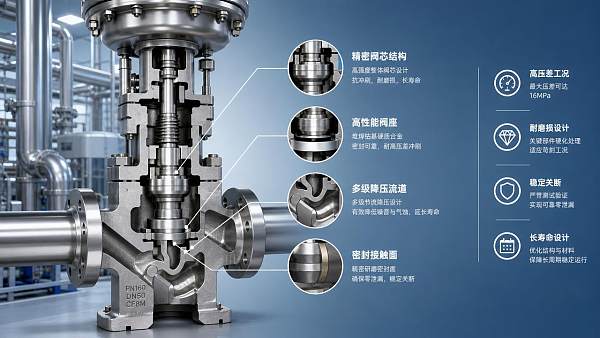
High Temperature Valves: Leakage Risks Under Thermal Cycling




In high-risk process environments, high temperature valves face repeated thermal cycling that slowly weakens sealing integrity. Small dimensional shifts, gasket stress loss, and material fatigue can create hidden leakage paths.
Across power, refining, chemical processing, water treatment, and heavy manufacturing, understanding leakage risks under temperature swings supports safer uptime, better compliance, and more stable asset performance.
Why thermal cycling creates different leakage risks in different operating scenarios

Not all high temperature valves fail for the same reason. Leakage behavior changes with media type, pressure fluctuation, shutdown frequency, actuator loading, and the speed of temperature ramping.
A steam isolation valve may struggle with packing relaxation after hot-cold starts. A control valve in corrosive service may suffer seat distortion, oxidation, and stem wear at the same time.
This is why scenario-based evaluation matters. The best leakage prevention strategy depends on where the valve operates, how often it cycles, and which sealing interfaces see the highest thermal mismatch.
Key failure mechanisms behind thermal cycling leakage
- Differential expansion between body, bonnet, stem, seat, and bolting
- Packing stress loss during repeated heating and cooling
- Gasket creep, oxidation, and reduced recovery after compression changes
- Thermal fatigue cracks near welds, corners, and threaded zones
- Seat and disc misalignment caused by distortion under uneven heating
- Surface wear accelerated by cycling, vibration, and flashing media
Scenario 1: Steam systems and power units where startup cycles drive seal instability
In steam headers, boilers, turbines, and auxiliary lines, high temperature valves often see rapid heat-up followed by long steady operation. Leakage risk rises sharply during startup and shutdown windows.
Fast thermal gradients can loosen bolting preload and reduce packing density. Condensate presence also worsens erosion around seats, especially when valves throttle during warming procedures.
Core judgment points for steam service
- How many hot-cold cycles occur per week or month
- Whether startup ramp rates are controlled or abrupt
- If valve leakage appears mainly at stem packing or body-bonnet joints
- Whether steam purity and condensate control are stable
In this scenario, high temperature valves benefit from live-loaded packing, controlled torque procedures, and thermal warm-up planning. Design margins must reflect real cycling frequency, not nameplate temperature alone.
Scenario 2: Refining and petrochemical lines where heat, pressure, and chemistry interact
Fired heaters, catalytic units, transfer lines, and hot hydrocarbon services create a more complex leakage picture. Here, high temperature valves face thermal cycling alongside corrosion, coke formation, and pressure pulsation.
Thermal expansion mismatch becomes more dangerous when deposits restrict movement or when corrosive attack thins sealing surfaces. Fugitive emissions risk also increases if packing ages unevenly under elevated temperatures.
Core judgment points for refining service
- Whether media chemistry promotes oxidation, sulfidation, or coking
- If emissions control standards require stricter stem sealing performance
- Whether valves are isolation duty or frequent throttling duty
- How often upset conditions force rapid temperature swings
For these assets, leakage prevention depends on alloy selection, low-emission packing systems, trim hardness control, and inspection intervals tied to process upset history rather than calendar-only maintenance.
Scenario 3: High-temperature chemical processing where corrosion changes the leakage timeline
In acid handling, solvent recovery, polymer production, and specialty chemical reactors, high temperature valves often fail gradually instead of suddenly. Small leaks may start after many cycles with little visible warning.
Corrosion can reduce gasket resilience, attack stem finishes, and roughen seating surfaces. Thermal cycling then magnifies those flaws until leakage becomes measurable during pressure hold or emissions checks.
Core judgment points for chemical service
- Compatibility between media, sealing material, and base metal
- Whether process cleaning creates extra thermal shock events
- If valve stems show scoring, pitting, or deposit buildup
- Whether emissions monitoring captures small early-stage leaks
In this environment, high temperature valves should be selected through a combined thermal and chemical compatibility review. Material charts alone rarely predict long-term leakage behavior accurately.
Scenario 4: Water, filtration, and utility plants where cycling is frequent but often underestimated
Utility steam lines, thermal sludge treatment, hot water loops, and filtration skids may seem less severe. Yet frequent starts, standby periods, and load changes can make high temperature valves leak earlier than expected.
This happens because specification teams often focus on pressure class while overlooking cycle count, actuator travel frequency, and maintenance access. Moderate temperature with high repetition can still be damaging.
Core judgment points for utility service
- Daily cycle frequency versus annual turnaround intervals
- Whether valves remain partially open during temperature transitions
- How accessible packing adjustment and leak checks are in the field
- Whether data logs capture temperature swings and valve travel together
How scenario demands differ for high temperature valves
Practical adaptation steps that reduce leakage under thermal cycling
- Map valves by real thermal cycle exposure, not just by maximum temperature rating.
- Separate body leakage, stem leakage, and seat leakage in inspection records.
- Use material combinations with similar thermal expansion where sealing stability is critical.
- Review bolting, gasket, and packing systems as one sealing package.
- Track startup speed, upset frequency, and valve travel position in operating logs.
- Apply predictive checks such as emissions scans, torque verification, and stem friction trending.
For digital asset programs, high temperature valves should be linked to temperature history, actuator signatures, and maintenance findings. This creates a clearer leakage forecast than isolated manual inspections.
Common misjudgments that let leakage risks grow unnoticed
- Assuming a high temperature rating alone guarantees thermal cycling resistance
- Treating all leaks as packing issues while ignoring seat distortion or flange preload loss
- Using shutdown intervals that ignore actual cycle count and upset frequency
- Selecting materials for corrosion only, without checking thermal expansion mismatch
- Missing the effect of partial-open operation during warm-up or cooldown stages
These errors are common across general industry because thermal fatigue develops quietly. By the time visible leakage appears, sealing surfaces or bolted joints may already be significantly degraded.
Next actions for evaluating high temperature valves in real operating environments
Start with a leakage risk list for the most cycle-exposed high temperature valves. Rank assets by startup frequency, process criticality, media hazard, and past leak history.
Then compare design assumptions with actual field conditions. Review thermal ramps, sealing material performance, emissions observations, and maintenance records in one decision framework.
For broader equipment intelligence, FCSM connects valve reliability, fluid control strategy, and process decarbonization insights. That integrated view helps reduce leakage risk while improving system efficiency and lifecycle confidence.
Related News
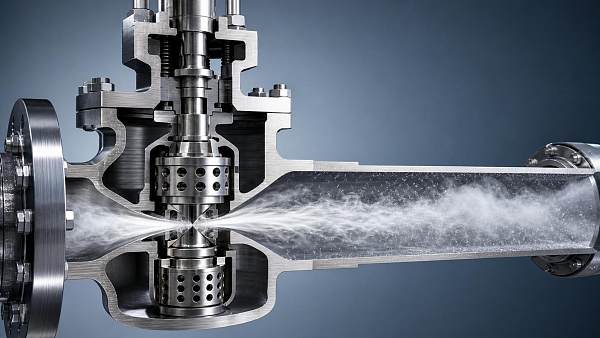
 Valve Trim Design for Steam: What Affects Erosion Risk MostProcess Control ArchitectValve trim design for steam: learn what drives erosion risk most—pressure drop, velocity, moisture, and trim geometry—and how smarter selection improves valve life, reliability, and project value.
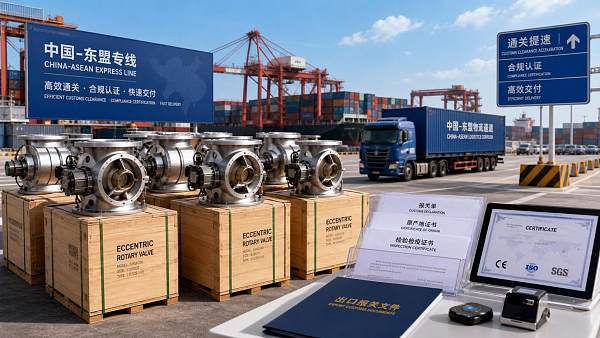
 China Customs Extends ASEAN Fast-Track for Rotary ValvesProcess Control ArchitectChina Customs extends ASEAN fast-track for rotary valves under HS 8481.80. Learn how RCEP, e-COC, and certification rules can cut clearance time and improve delivery planning.
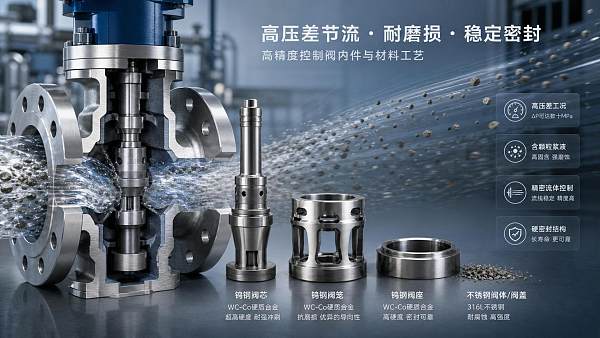
 Valve Trim Tungsten Carbide vs Stainless Steel in Abrasive ServiceProcess Control ArchitectValve trim tungsten carbide vs stainless steel: discover which trim performs better in abrasive service, reduces wear, extends maintenance intervals, and lowers process risk.
 CBP Defines HTS 8481.80.50 for Rotary ValvesProcess Control ArchitectCBP defines HTS 8481.80.50 for rotary valves, confirming 2.5% MFN duty and no Section 301 tariffs. See what U.S. importers, suppliers, and brokers should review now.
 Hannover Messe 2027 Opens Presales for Low-Carbon Fluid EquipmentProcess Control ArchitectHannover Messe 2027 opens presales for low-carbon fluid equipment, spotlighting Green Process Automation, stricter IEC 62443/ATEX compliance, and new opportunities for valves, pumps, and exporters.
 CTEF Signals New Buying Rules for Rotary ValvesProcess Control ArchitectCTEF signals new buying rules for rotary valves as buyers prioritize API 609 Class D, H₂S resistance, high-temperature sealing, and localized spare-parts support. See what suppliers must prepare now.
 700+ Overseas Buyers Target Smart Positioners, Rotary ValvesProcess Control ArchitectSmart positioners and rotary valves draw strong attention as 700+ overseas buyers head to Kunming. Discover sourcing trends, export support, and why 43% prioritize these categories.
 Valve Performance Analysis: Key Metrics That Reveal Control ProblemsProcess Control ArchitectValve performance analysis reveals key control problems through metrics like accuracy, response time, leakage, deadband, and diagnostics—helping improve safety and efficiency.
 Valve Trim Design: How It Affects Shutoff LifeProcess Control ArchitectValve trim design directly impacts shutoff life, leakage control, and valve reliability. Learn how smarter trim choices reduce wear, downtime, and energy loss.
 High Temperature Valves: Leakage Risks Under Thermal CyclingProcess Control ArchitectHigh temperature valves face hidden leakage risks under thermal cycling. Learn key failure modes, industry-specific scenarios, and practical steps to improve sealing, uptime, and compliance.