Valve Trim Design: How It Affects Shutoff Life




For technical evaluators, valve trim design is not a hidden detail. It is a direct driver of shutoff life, leakage control, and service stability in demanding fluid systems.
Across process industries, tighter emissions rules, harsher media, and longer maintenance cycles are raising the importance of valve trim design. Small internal geometry choices now carry large lifecycle consequences.
When trim selection matches pressure drop, temperature, solids content, and actuation force, shutoff performance remains predictable. When it does not, seat wear, vibration, and leakage often accelerate earlier than expected.
Valve trim design is becoming a frontline reliability decision
In modern plants, control valves face more dynamic operating windows. Frequent cycling, higher differential pressure, and digital optimization strategies increase the number of demanding closure events every day.
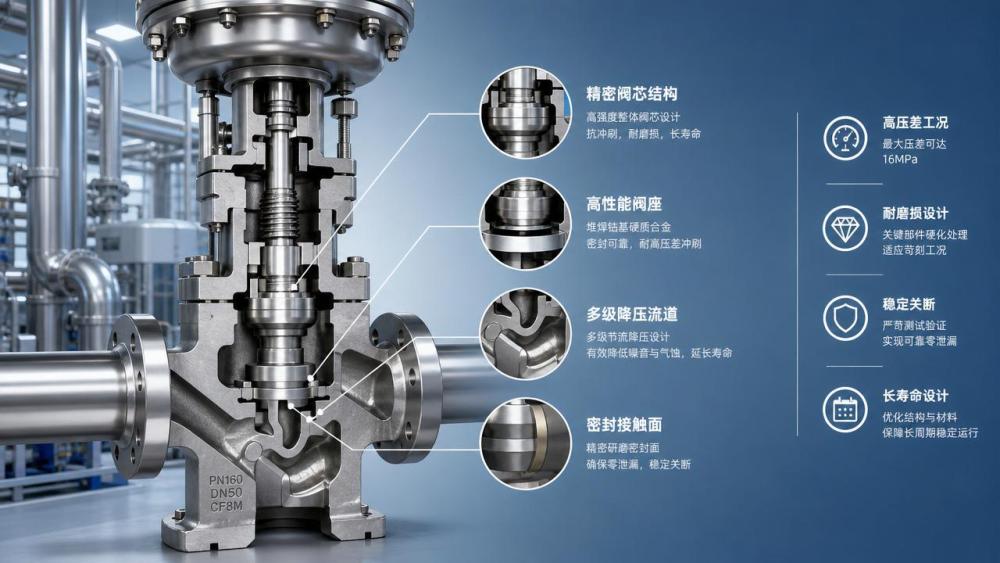
That shift makes valve trim design central to shutoff life. The trim determines contact pattern, sealing force transfer, flow path behavior, and resistance to cavitation, flashing, and particle attack.
For FCSM-covered sectors, this matters across pump systems, pneumatic control valves, compressors, and filtration loops. Unstable shutoff can disturb process balance, waste energy, and increase unplanned intervention.
The strongest trend signals are coming from harsher service conditions
Several market signals explain why valve trim design receives more technical scrutiny than before. Reliability expectations are rising while fluid conditions are becoming less forgiving.
- Higher cycling frequency from automated control strategies
- More corrosive and erosive media in chemical and water treatment lines
- Greater use of high-pressure drops in compact process layouts
- Longer maintenance intervals under labor and uptime pressure
- Stricter leakage and fugitive emission expectations
These conditions expose weak trim layouts quickly. A design that looks acceptable on paper may fail early once flow instability, wire drawing, or seat distortion appears in real service.
Why valve trim design directly changes shutoff life
Shutoff life depends on how smoothly the trim absorbs repeated closure forces while resisting damage from the flowing medium. Four mechanisms are especially important.
1. Seat load distribution decides sealing durability
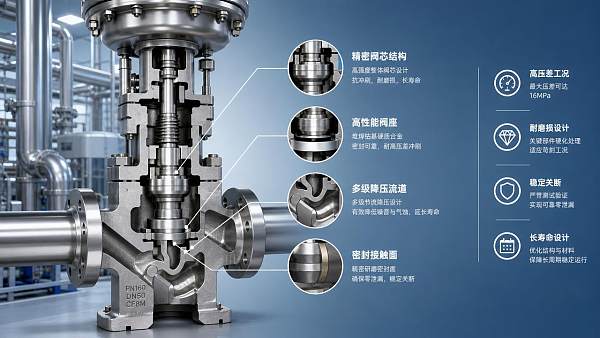
Good valve trim design spreads load evenly across the seating surface. Uneven contact creates local stress peaks, which accelerate indentation, galling, and leakage channels.
Balanced geometry also reduces sensitivity to stem misalignment and actuator variation. This is critical when shutoff class must be maintained through thousands of cycles.
2. Flow path shape controls erosion and wire drawing
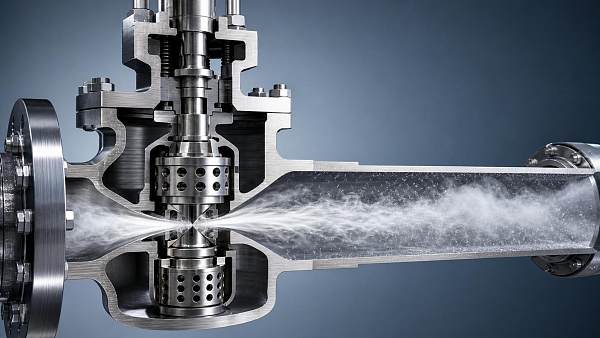
If the trim forces fluid through highly concentrated jets near the seat, metal loss can become rapid. Over time, the sealing edge no longer closes tightly.
Multi-stage or guided valve trim design often lowers local velocity peaks. That extends shutoff life in severe pressure reduction service.
3. Stability under throttling affects final closure quality
A valve does not fail only at full close. Instability during throttling can generate vibration, trim chatter, and repeated micro-impacts that damage sealing surfaces before shutoff occurs.
That is why valve trim design must be evaluated across the operating range, not only at the shutoff point.
4. Material pairing influences wear and thermal behavior
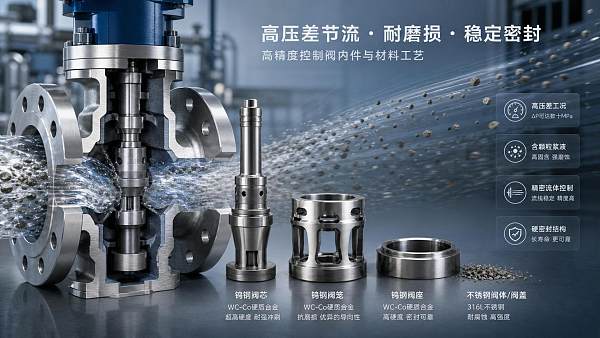
Trim geometry and material cannot be separated. Hard-facing, surface finish, and thermal expansion behavior all affect how the plug and seat remain matched over time.
In hot or corrosive service, poor material pairing can negate an otherwise sound valve trim design.
The main drivers behind better shutoff-focused trim selection
The operational impact reaches far beyond the valve body
The effect of valve trim design spreads through the entire process loop. Poor shutoff life does not stay isolated inside one control valve.
In pump systems, leakage through worn trim can create recirculation, heat buildup, and unstable downstream control. In compressor and pneumatic networks, weak shutoff can waste compressed air and disturb pressure balance.
In filtration, desalination, and chemical dosing lines, short shutoff life may compromise batch accuracy, isolation safety, and media containment. The result is often higher energy use, lower product consistency, and more maintenance exposure.
- More frequent seat leakage testing and adjustments
- Higher spare trim consumption and downtime cost
- Reduced confidence in automated control performance
- Greater risk during isolation-critical operations
What deserves the closest attention when comparing valve trim design options
A useful review should go beyond Cv and body size. Shutoff life depends on a more complete technical picture.
- Seat geometry and actual contact width under load
- Guide design and resistance to side loading
- Pressure drop distribution through the trim path
- Expected cavitation, flashing, or noise regime
- Material hardness, coating integrity, and galling resistance
- Actuator thrust margin at end-of-stroke conditions
- Performance history in similar fluid and cycle profiles
The best valve trim design is rarely the most complex one. It is the one that fits the actual damage mechanism in service.
A practical evaluation path can reduce early shutoff failure
This approach aligns with broader industrial trends. Data-led equipment decisions now outperform generic specification habits, especially where uptime and energy intensity are tightly managed.
The next competitive advantage will come from trim intelligence, not only trim hardware
The future of valve trim design is not limited to metallurgy or shape refinement. It increasingly includes simulation, diagnostics, and service feedback loops.
CFD-based flow analysis, actuator signature tracking, and wear pattern data can reveal why one trim survives while another loses shutoff life. That insight supports stronger standardization and fewer repeat failures.
For fluid control systems under decarbonization and digital transformation pressure, this matters. Longer shutoff life reduces waste, avoids hidden energy loss, and improves reliability across connected equipment.
A sound next step is to review critical valve positions by duty severity, not only by line size. Then compare valve trim design against real closure cycles, damage mechanisms, and maintenance history.
That simple shift often reveals where shutoff life can be extended fastest. It also turns valve trim design from a component detail into a strategic reliability lever.
Related News
 Valve Trim Design for Steam: What Affects Erosion Risk MostProcess Control ArchitectValve trim design for steam: learn what drives erosion risk most—pressure drop, velocity, moisture, and trim geometry—and how smarter selection improves valve life, reliability, and project value.
 China Customs Extends ASEAN Fast-Track for Rotary ValvesProcess Control ArchitectChina Customs extends ASEAN fast-track for rotary valves under HS 8481.80. Learn how RCEP, e-COC, and certification rules can cut clearance time and improve delivery planning.
 Valve Trim Tungsten Carbide vs Stainless Steel in Abrasive ServiceProcess Control ArchitectValve trim tungsten carbide vs stainless steel: discover which trim performs better in abrasive service, reduces wear, extends maintenance intervals, and lowers process risk.
 CBP Defines HTS 8481.80.50 for Rotary ValvesProcess Control ArchitectCBP defines HTS 8481.80.50 for rotary valves, confirming 2.5% MFN duty and no Section 301 tariffs. See what U.S. importers, suppliers, and brokers should review now.
 Hannover Messe 2027 Opens Presales for Low-Carbon Fluid EquipmentProcess Control ArchitectHannover Messe 2027 opens presales for low-carbon fluid equipment, spotlighting Green Process Automation, stricter IEC 62443/ATEX compliance, and new opportunities for valves, pumps, and exporters.
 CTEF Signals New Buying Rules for Rotary ValvesProcess Control ArchitectCTEF signals new buying rules for rotary valves as buyers prioritize API 609 Class D, H₂S resistance, high-temperature sealing, and localized spare-parts support. See what suppliers must prepare now.
 700+ Overseas Buyers Target Smart Positioners, Rotary ValvesProcess Control ArchitectSmart positioners and rotary valves draw strong attention as 700+ overseas buyers head to Kunming. Discover sourcing trends, export support, and why 43% prioritize these categories.
 Valve Performance Analysis: Key Metrics That Reveal Control ProblemsProcess Control ArchitectValve performance analysis reveals key control problems through metrics like accuracy, response time, leakage, deadband, and diagnostics—helping improve safety and efficiency.
 Valve Trim Design: How It Affects Shutoff LifeProcess Control ArchitectValve trim design directly impacts shutoff life, leakage control, and valve reliability. Learn how smarter trim choices reduce wear, downtime, and energy loss.
 High Temperature Valves: Leakage Risks Under Thermal CyclingProcess Control ArchitectHigh temperature valves face hidden leakage risks under thermal cycling. Learn key failure modes, industry-specific scenarios, and practical steps to improve sealing, uptime, and compliance.