Control Valve Price: What Changes Total Cost?




Why does control valve price vary so much between similar-looking quotes?
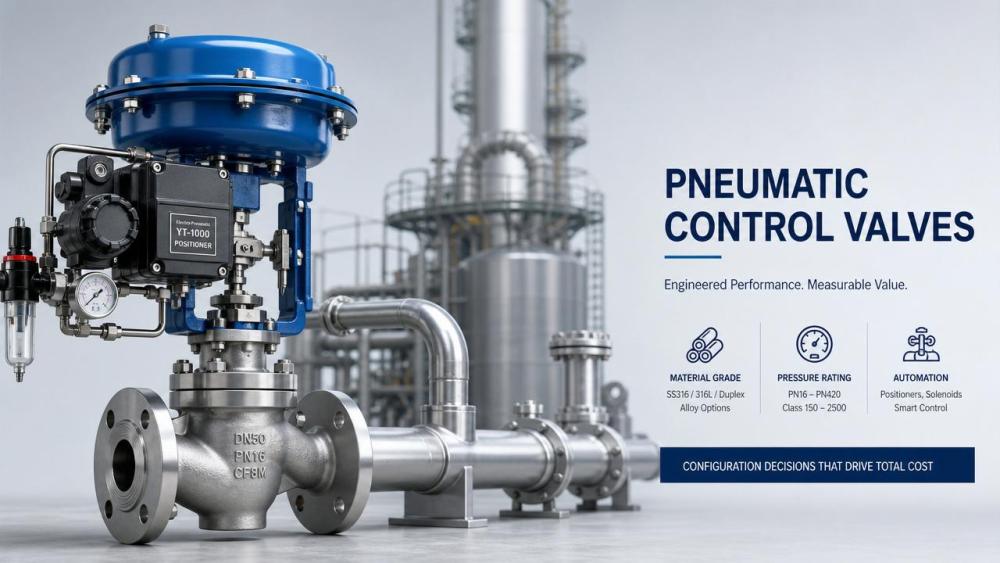
At first glance, two valves may appear nearly identical. The control valve price can still differ sharply once specifications move beyond body size and end connection.
In practical buying situations, cost is shaped by process risk. A valve for clean water rarely costs like one handling corrosive chemicals, flashing liquids, or high-pressure steam.
That is why the quoted figure should be treated as a technical outcome, not just a sales number. The real question is what level of control, durability, and compliance is built into it.
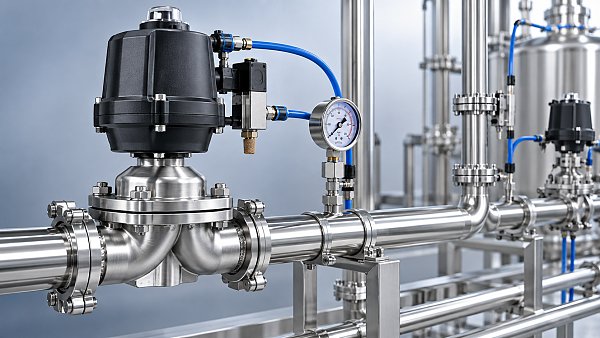
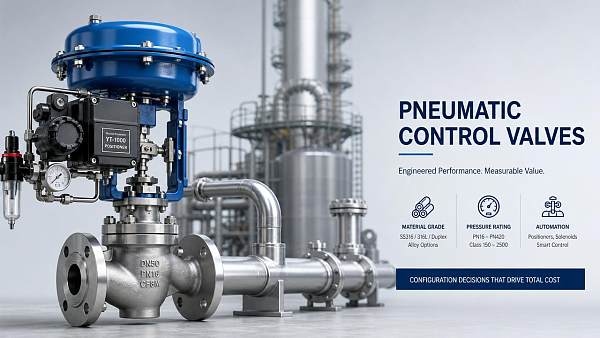
Across process industries, smart pneumatic control valves act like the throats of automated pipe networks. Their trim design, actuator response, and position feedback affect both performance and total ownership cost.
FCSM follows these cost drivers closely because they connect valve selection with wider plant efficiency. The same logic applies whether the line serves pumps, compressors, filtration skids, or complex process loops.
A low entry quote may exclude accessories, test documents, commissioning support, or future spare availability. A higher control valve price sometimes reflects lower operational risk over ten years.
Which specifications usually move control valve price the most?
The biggest cost swings usually come from materials, pressure rating, trim design, and automation package. These items directly affect manufacturing complexity and service life.
Body and trim material are often the first major drivers. Carbon steel, stainless steel, duplex, Hastelloy, and special alloys sit in very different cost brackets.
Pressure class also matters more than many expect. Moving from ANSI 150 to 300 or 600 changes wall thickness, bolting, actuator sizing, and testing requirements.
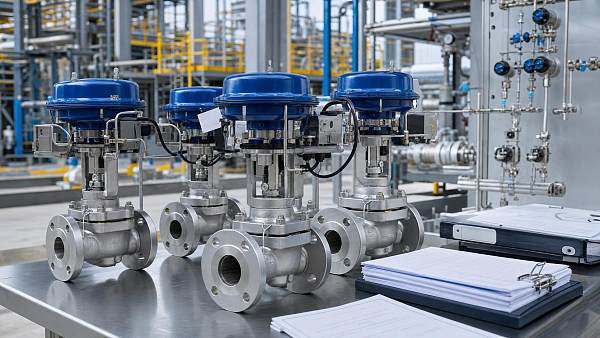
Then comes trim geometry. Standard globe trim is not priced like low-noise, anti-cavitation, multi-stage pressure reduction, or severe-service trim built for critical velocity conditions.
Actuator type influences cost as well. Pneumatic diaphragm units are often simpler, while piston actuators, fail-safe packages, and electro-pneumatic positioners increase control precision and price.
To make quote review easier, the table below shows where the control valve price usually changes fastest.
If a supplier cannot explain these differences clearly, comparing offers becomes guesswork. Good technical transparency is often more valuable than a small discount.
Is the lowest control valve price really the lowest total cost?
Usually not. A lower initial number can turn expensive once installation delays, unstable control, trim erosion, or repeated maintenance appear during operation.
This happens often in severe-service loops. A valve that hunts, leaks internally, or generates excess noise may force process instability far beyond the cost of the part itself.
For plants investing in digitalization and energy efficiency, the valve also affects the wider system. Poor throttling can raise pump recirculation losses, compressor loading fluctuations, and downstream filtration stress.
That wider view is central to FCSM’s coverage of fluid machinery. Valve decisions are rarely isolated. They interact with pump curves, air systems, and process reliability targets across the whole network.
A practical way to judge total cost is to separate visible and hidden spending.
- Visible cost includes unit price, freight, duties, accessories, and startup support.
- Hidden cost includes tuning time, spare trim replacement, downtime exposure, and utility loss from poor control accuracy.
- Lifecycle cost includes inspection frequency, smart diagnostics value, and how easily parts can be sourced later.
When the process is critical, the better question is not “What is the cheapest control valve price?” but “What level of operating stability does this quote actually buy?”
How should quotes be compared when suppliers use different configurations?
This is where many buying teams lose clarity. One supplier may quote a complete assembly, while another only prices the valve body and a basic actuator.
A reliable comparison starts with normalization. Put every offer onto the same technical checklist before looking at the final control valve price.
The checklist should not be long, but it must be exact enough to expose omissions.
- Valve type, size, pressure class, flow coefficient, and leakage class
- Body, trim, seat, stem, gasket, and packing materials
- Actuator model, fail position, airset, solenoid, limit switches, and positioner brand
- Test scope, certificates, material traceability, and painting requirements
- Lead time, spare parts list, warranty terms, and commissioning support
In many cases, the gap between quotes is less about margin and more about scope. Once normalized, the control valve price differences usually make more sense.
If service conditions are complex, it also helps to ask for sizing assumptions. Suppliers should state expected flow range, pressure drop, cavitation index, and noise basis.
What mistakes push control valve price higher later, even if the order looked efficient?
One common mistake is oversimplifying the process data. If fluid properties, upset conditions, or minimum flow are incomplete, the selected valve may be wrong from the start.
Another issue is over-specifying every project. Not every water, air, or utility line needs premium severe-service trim or advanced diagnostics.
The opposite problem is more costly. Choosing a basic valve for flashing hydrocarbons, aggressive slurry, or high differential pressure often leads to trim damage and repeated shutdown work.
Lead time risk is often missed too. A favorable control valve price means less if exotic alloy trim adds months to delivery and disrupts the larger equipment schedule.
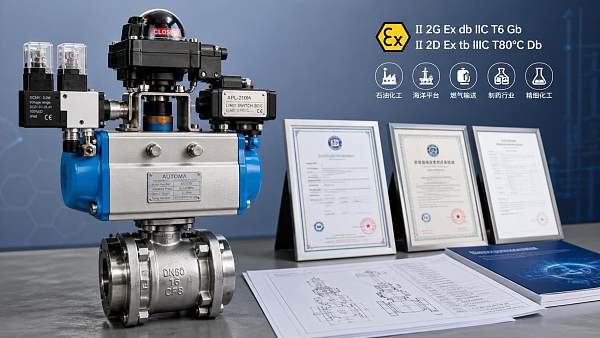
There is also the documentation issue. Projects tied to energy, chemical, water treatment, or export compliance may require specific certificates that should be confirmed before purchase.
A useful rule is to watch for these warning signs:
- Sizing report is missing or based on unclear assumptions.
- Quotation excludes accessories needed for installation or shutdown logic.
- Material description is generic, with no trim detail.
- Spare parts and maintenance intervals are not discussed.
- Lead time is attractive but unsupported by stock or production evidence.
What is a practical way to estimate a fair control valve price before ordering?
A fair estimate begins with process clarity, not catalog browsing. Define the medium, normal and maximum flow, inlet and outlet pressure, temperature, shutoff requirement, and control signal.
Next, group the valve by service severity. General utility service, clean liquid control, corrosive duty, and anti-cavitation duty should never be budgeted the same way.
Then ask suppliers to break out the offer. A separated price for valve body, actuator, positioner, accessories, testing, and spare parts reveals where negotiation is possible.
Informed buyers also compare the support behind the hardware. FCSM’s industry perspective shows that strong technical interpretation often prevents misselection more effectively than chasing the lowest figure.
Before release, use a short decision table like this one.
A sound buying decision usually comes from this sequence: understand the duty, normalize the quote, test the assumptions, and only then judge the control valve price.
So what should be checked before making the final decision?
The best final review is simple and disciplined. Confirm whether the valve fits the process, the project, and the long-term maintenance plan at the same time.
A reasonable control valve price should align with service severity, response requirements, compliance needs, and expected operating life. If one of those pieces is unclear, the quote is not ready.
It helps to keep three checkpoints in view: technical adequacy, scope completeness, and downstream operating impact. That approach reduces hidden costs more effectively than late-stage bargaining.
The next step is practical. Organize process data, request comparable supplier breakdowns, and review how each option affects reliability, maintenance, and system efficiency before placing the order.
When those checks are done well, the control valve price becomes easier to judge—and much less likely to create surprises after installation.
Related News
 Which valve technology standards apply to pneumatic diaphragm valves?Process Control ArchitectValve technology standards for pneumatic diaphragm valves: explore design, testing, actuator safety, hygienic compliance, and specification guidance for reliable selection.
 How to verify certification requirements for explosion proof pneumatic valvesProcess Control ArchitectExplosion proof pneumatic valves certification explained: learn how to verify markings, ATEX/IECEx scope, accessory compliance, and supplier documents to avoid inspection delays and safety risks.
 How to Choose Pneumatic Control Valves for Pharmaceutical Plants With CIP and SIP RequirementsProcess Control ArchitectPneumatic control valves for pharmaceutical plants must handle CIP and SIP with hygienic design, stable control, and full documentation. Learn how to choose compliant, reliable valve packages.
 CBP Tightens Entry Rules for Pneumatic Diaphragm ValvesProcess Control ArchitectPneumatic diaphragm valves face tighter CBP entry rules from Aug 1, 2026. Learn the new material declaration and ISO 15848-2 filing requirements to reduce hold and re-export risk.
 SABIC Sets ISO 21872-2 Rule for Diaphragm ValvesProcess Control ArchitectSABIC sets ISO 21872-2 rule for diaphragm valves, making SASO-accredited certification mandatory for active tenders. Learn how this impacts suppliers, procurement teams, and PO readiness.
 EN 14895:2026 Sets New CE Bar for Diaphragm ValvesProcess Control ArchitectEN 14895:2026 raises the CE compliance bar for diaphragm valves. Learn what changes by 2027, who must re-certify, and how to avoid EU customs and delivery risks.
 Pneumatic Valve Technology Supplier Checklist: Performance Risks to Review Before OrderingProcess Control ArchitectPneumatic valve technology supplier selection affects uptime, air efficiency, and lifecycle cost. Review key performance risks, support proof, and pre-order checks before you buy.
 EU Updates EN 14382 for Pneumatic Diaphragm ValvesProcess Control ArchitectEU Updates EN 14382 for Pneumatic Diaphragm Valves: learn how stricter leakage, aggressive-media testing, and elastomer traceability rules may affect EU customs, tenders, and supplier compliance.
 Control Valve Price: What Changes Total Cost?Process Control ArchitectControl valve price varies with materials, pressure class, trim, actuator, and certification. Learn how to compare quotes, avoid hidden costs, and choose the right value before ordering.
 Pneumatic Valve Technology Trends in 2026: Smarter Control, Lower Air Loss, Better ReliabilityProcess Control ArchitectPneumatic valve technology in 2026 delivers smarter control, lower air loss, and stronger reliability. Explore key trends, diagnostics, and efficiency gains driving better plant performance.
 Pneumatic Valve Technology: Common Failure RisksProcess Control ArchitectPneumatic valve technology failure risks explained: discover causes of sticking, leakage, slow response, and drift to improve uptime and maintenance efficiency.
 Process Control Valves: Selection Risks That Raise Maintenance CostsProcess Control ArchitectProcess control valves can quietly drive maintenance costs. Learn key selection risks—sizing, trim, materials, actuators—and how to improve uptime and lifecycle value.