Automation Solutions Cutting Contamination Risk in Pharma Valves




In pharmaceutical processing, even minor valve contamination can trigger costly quality deviations and compliance risks. As manufacturers pursue stricter hygiene standards and process consistency, industrial automation solutions for pharmaceutical industry are becoming essential for reducing human error, improving valve control accuracy, and strengthening contamination prevention across critical fluid handling systems.
For quality and safety teams, the core question is no longer whether automation matters. It is which automation functions most effectively lower contamination risk at valves without adding unnecessary complexity, validation burden, or maintenance exposure.
The practical answer is clear. The highest-value automation solutions are those that control valve movement precisely, reduce manual intervention, verify cleanability, document every critical action, and detect abnormal conditions before contamination spreads into product-contact systems.
What Quality and Safety Teams Are Really Trying to Prevent
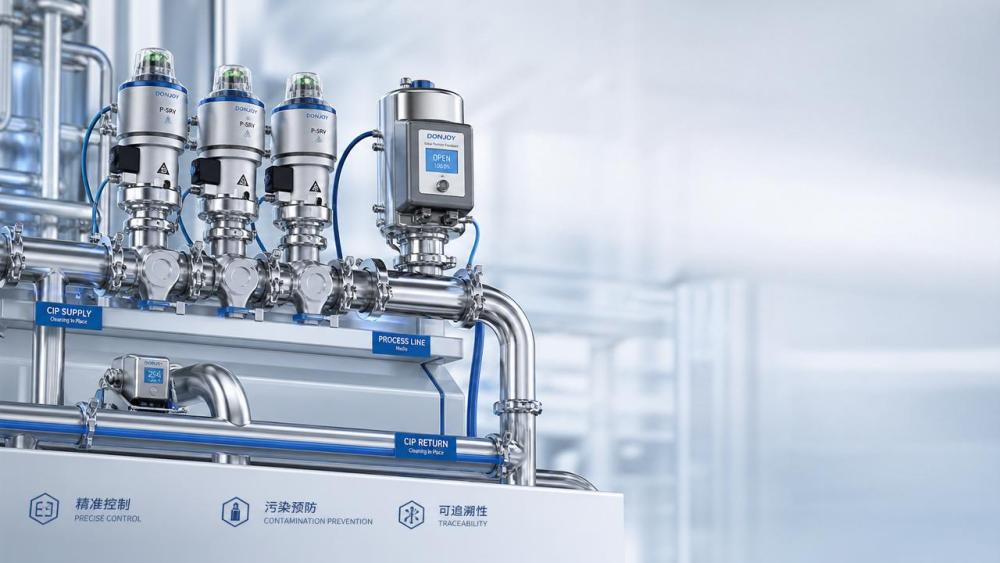
When readers search for automation solutions cutting contamination risk in pharma valves, they usually want help with a very specific operational challenge. They are trying to reduce contamination pathways in product, utility, and cleaning circuits.
For quality control personnel, the concern is batch integrity. For safety and compliance managers, the concern is broader: whether valve-related failures can trigger deviation reports, microbial events, cross-contamination, recalls, or audit findings.
Valve contamination risk in pharmaceutical plants rarely comes from one dramatic event alone. It often develops through small failures such as incomplete valve closure, dead-leg exposure, manual misalignment, seal wear, wrong line clearance, or inconsistent clean-in-place execution.
These issues become more serious in sterile processing, high-potency drug handling, WFI systems, buffer preparation, and multi-product facilities. In such settings, a single uncontrolled valve position can compromise product quality, environmental control, and traceability.
That is why industrial automation solutions for pharmaceutical industry are increasingly evaluated not just as productivity tools, but as contamination control measures. Their value lies in removing uncertainty from fluid routing and sanitary process control.
Where Valve-Related Contamination Usually Starts
Before choosing technologies, it helps to identify the most common contamination origins around pharmaceutical valves. Many plants focus heavily on material selection but underestimate how operating behavior and maintenance practices influence contamination risk.
One major source is manual handling. Each manual adjustment, line changeover, or intervention near a critical valve increases the possibility of operator error, unintended contact, or incorrect sequencing during production or cleaning.
Another source is poor position control. A valve that fails to reach its intended seat or travel range can allow product hold-up, backflow, air ingress, or mixing between process streams that should remain isolated.
Dead legs and poor drainability also matter. Even well-designed hygienic valves can create contamination concerns if installed in layouts that trap residue, slow CIP flow, or leave product films after batch transfer.
Seal degradation is another weak point. Worn diaphragms, seats, and stem seals may not immediately fail in a visible way. Instead, they may create micro-leakage, particle shedding, or hidden ingress points that only appear later during investigation.
Finally, weak documentation and delayed detection make all technical issues worse. If the plant cannot prove valve status, cleaning completion, or intervention history, even a minor event can turn into a major quality deviation.
Which Automation Functions Deliver the Biggest Contamination-Control Benefit
Not every automation investment delivers the same value. For quality and safety readers, the most important solutions are those that directly reduce contamination opportunities rather than simply increase process speed or operator convenience.
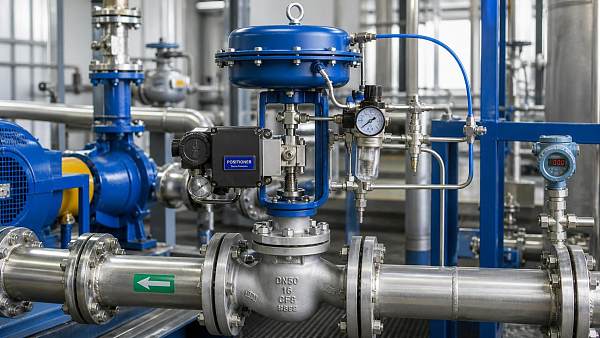
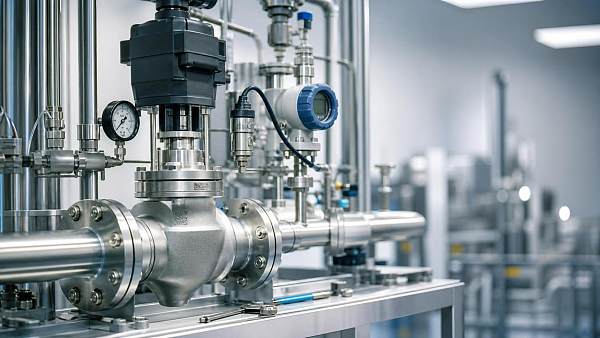
Automated valve actuation is usually the starting point. Pneumatic or electric actuators reduce manual contact with critical valves and ensure repeatable movement, especially in high-frequency switching applications where consistency matters.
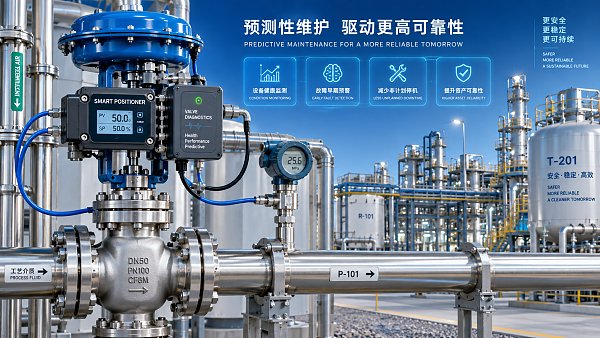
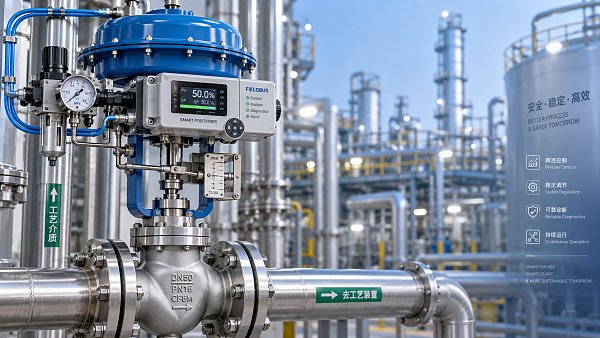
Smart position feedback adds another layer of protection. Instead of assuming a valve has opened or closed correctly, the control system confirms actual travel status and can trigger alarms when position deviation occurs.
Interlocked valve sequencing is especially valuable in pharmaceutical transfers and CIP operations. It prevents the wrong valve from opening at the wrong time and blocks unsafe routing combinations that could lead to cross-contamination.
Recipe-driven automation also helps. When valve sequences are tied to validated batch or cleaning recipes, operators are less likely to improvise steps, skip hold times, or create undocumented routing changes during pressure situations.
Integrated sensors strengthen risk control further. Pressure, conductivity, temperature, and flow feedback can verify whether a valve operation produced the expected process result, helping teams identify hidden leaks or incomplete isolation.
Automated data logging is often underestimated, but it matters greatly in regulated production. Time-stamped records of valve positions, alarms, cleaning steps, and access events support investigations, reviews, and audit readiness.
How Automation Reduces Human Error Without Weakening GMP Control
Some pharmaceutical teams worry that more automation means less operator awareness. In practice, well-designed automation does the opposite. It standardizes execution while making critical process events more visible and reviewable.
Human error around valves often comes from repetitive tasks performed under time pressure. Examples include opening the wrong branch, skipping a flush step, or confirming line clearance based on memory rather than system verification.
Automation reduces these risks by embedding approved logic into the process. Operators still supervise and intervene when necessary, but the system prevents unauthorized sequences and confirms whether each required step actually occurred.
This is particularly useful during cleaning and changeover. Automated valve sequencing can ensure pre-rinse, caustic circulation, final rinse, and drain steps occur in the correct order and within validated parameters.
From a GMP perspective, this supports procedural consistency rather than replacing accountability. Quality teams gain a clearer record of what happened, when it happened, and whether the process stayed within defined operating limits.
The key is design discipline. Automation should not hide risk behind complexity. It should make hygienic control easier to verify, easier to document, and easier to maintain across shifts, products, and operators.
What to Look for in Pharmaceutical Valve Automation Systems
When evaluating suppliers or retrofit options, quality and safety teams should focus on contamination prevention features first. Performance claims are less meaningful if the system does not support sanitary design and regulatory documentation needs.
Hygienic compatibility is essential. Valve assemblies, actuators, positioners, and sensor interfaces should be suitable for pharmaceutical environments, with materials and surface finishes aligned to product-contact and cleanability requirements.
Cleanability should be examined in real operating context, not only in brochures. Ask whether the automated valve configuration supports full drainage, minimizes dead space, and remains stable through repeated SIP or CIP cycles.
Position verification must be reliable. Limit switches alone may not be enough for higher-risk service. In critical lines, continuous position monitoring and fault diagnostics provide stronger assurance than simple open-close indication.
Alarm logic should be meaningful and actionable. If the system generates too many noncritical alerts, operators start ignoring them. Better designs prioritize deviations that can affect contamination control, isolation integrity, or cleaning effectiveness.
Access control and audit trails are also important. The ability to see who changed a parameter, overrode a sequence, or acknowledged an alarm can be decisive during deviation review and regulatory inspection.
Finally, consider maintainability. Complex automation that is hard to inspect, calibrate, or validate may create new risk. The best systems reduce contamination exposure while remaining understandable to engineering, production, and quality teams.
High-Risk Use Cases Where Automation Has the Clearest ROI
Although automation can improve most pharmaceutical fluid systems, some use cases produce especially strong returns in contamination risk reduction. These are often the best places to prioritize investment.
Sterile processing lines are an obvious example. In aseptic environments, minimizing manual valve intervention is critical because every unnecessary touchpoint increases the possibility of contamination or procedural deviation.
Multi-product plants also benefit greatly. Automated routing logic helps prevent crossovers between product families, supports validated changeovers, and reduces reliance on manual line-up checks during busy production schedules.
CIP and SIP skids are another priority area. Since cleaning failures often remain hidden until quality issues emerge later, automated sequencing with verification feedback can significantly improve confidence in sanitation repeatability.
High-potency or hazardous material systems gain dual value. Automation lowers contamination risk to the product while also reducing operator exposure during transfer, isolation, and cleaning activities around enclosed valve networks.
Water-for-injection and purified water loops should not be overlooked either. These systems demand stable hygienic control, and valve automation can help maintain circulation integrity, prevent stagnation, and document critical interventions.
Common Implementation Mistakes That Undermine the Benefit
Even strong technology can fail to reduce contamination risk if implemented poorly. Many projects underperform because teams treat automation as a controls upgrade rather than a contamination-control strategy tied to actual process hazards.
One frequent mistake is automating a bad piping design. If dead legs, poor slope, difficult drain points, or inaccessible valve locations remain unchanged, automation alone will not solve the underlying hygienic weakness.
Another mistake is separating engineering decisions from quality risk review. Valve logic, alarm thresholds, and override rules should be evaluated not only for operability, but also for contamination impact and investigation defensibility.
Insufficient training creates additional problems. Operators and maintenance teams need to understand not just how the system works, but why certain interlocks, permissions, and alarm responses are critical to product protection.
Validation is also sometimes underestimated. In pharmaceutical environments, automation that influences product routing, cleaning confirmation, or critical process control must be properly documented, tested, and change-managed.
Finally, plants should avoid over-automation for low-risk points while neglecting critical valves. The best results come from prioritizing systems where contamination consequences are highest and where manual error has historically been difficult to control.
How to Judge Whether an Automation Project Is Actually Working
For quality and safety managers, project success should not be measured only by uptime or labor savings. The more meaningful question is whether contamination exposure and deviation vulnerability have measurably decreased.
Start with deviation trends. Are valve-related incidents, line clearance errors, cleaning failures, or unexplained cross-contamination events decreasing after implementation? These indicators reveal whether the system is changing real behavior.
Review alarm quality as well. Helpful automation usually produces earlier, more targeted alerts that allow intervention before contamination reaches product. A flood of nuisance alarms suggests poor tuning rather than strong control.
Examine batch consistency and cleaning reproducibility. If process outcomes are more stable and investigations require less reconstruction of events, that usually indicates the automation is improving both execution and traceability.
Maintenance data can provide additional evidence. Fewer unexpected seal failures, fewer emergency interventions, and more predictable component replacement patterns often show that valve operation has become more controlled and less damaging.
Audit readiness is another practical measure. If teams can quickly retrieve valve status history, sequence records, and override logs, the automation is not only controlling the process better, but also strengthening compliance confidence.
Why This Matters for the Future of Pharmaceutical Manufacturing
Pharmaceutical manufacturing is moving toward tighter process control, stronger digital traceability, and lower tolerance for undocumented manual variability. Valve automation sits directly within that shift because valves govern product movement, cleaning, and isolation.
As facilities modernize, industrial automation solutions for pharmaceutical industry will increasingly be judged by their ability to support contamination prevention, electronic evidence, and lifecycle reliability rather than simple mechanical actuation alone.
This trend is especially relevant as regulators and internal quality teams expect faster root-cause analysis, stronger process understanding, and more robust contamination control strategies across both legacy plants and new facilities.
For organizations managing critical fluid systems, the most effective approach is not to automate everything at once. It is to identify the valve points where human error, hidden leakage, or cleaning uncertainty create the highest quality risk.
From there, automation becomes a focused quality investment. It helps standardize execution, reduce exposure, improve verification, and generate the records needed to defend product integrity under inspection and internal review.
In short, contamination risk in pharma valves is rarely solved by hardware alone. The real advantage comes when hygienic valve design, intelligent automation, and disciplined quality oversight work together as one control strategy.
Related News
 How fluid control digitalization improves valve maintenance planningProcess Control ArchitectFluid control digitalization helps teams prioritize valve maintenance, reduce unplanned downtime, and improve reliability with actionable condition data.
 How smart valve positioners improve process control valve accuracyProcess Control ArchitectDiscover how smart positioners improve process control valve accuracy, reduce friction-related errors, enhance stability, and enable predictive maintenance.
 How to evaluate a valve automation supplier before placing an orderProcess Control ArchitectChoose a valve automation supplier with confidence. Learn how to assess engineering capability, compatibility, testing, lead times, and lifecycle support before ordering.
 How Does Industrial Automation Change Valve Specification Requirements?Process Control ArchitectHow does industrial automation change valve specification needs? Discover smarter sizing, diagnostics, protocols, fail-safe design, and lifecycle strategies for reliable control.
 Retrofit vs replacement automation: which option minimizes downtime?Process Control ArchitectRetrofit vs replacement automation: compare downtime, integration risk, lifecycle costs, and phased execution to protect uptime and modernize with confidence.
 When smart pneumatic control valves improve water treatment stabilityProcess Control ArchitectSmart pneumatic control valves for water treatment improve flow precision, dosing consistency, diagnostics, and plant stability. Learn how to select the right solution.
 When predictive maintenance for process valves pays off in plant operationsProcess Control ArchitectPredictive maintenance for process valves can cut downtime, reduce energy loss, and boost reliability. Learn when it pays off in plant operations—and how to justify the investment.
 Revised EN 14382:2026 Adds EMC Immunity Test for Smart Valve Positioners in EU ExportsProcess Control ArchitectEN 14382:2026 now mandates EMC immunity testing for Smart Valve Positioners, reshaping EU export compliance for valve OEMs and integrators. Learn what changed and how to prepare.
 FDA Tightens Import Rules for Smart Valve PositionersProcess Control ArchitectSmart valve positioners now face stricter FDA import rules. Learn how IEC 61508 SIL2 or UL 61508 documentation affects U.S. clearance, suppliers, and compliance planning.
 EN 14382:2026 Raises EU Entry Bar for Smart PositionersProcess Control ArchitectEN 14382:2026 raises the EU entry bar for Smart Valve Positioners with a 150 ms step response cap and IEC 62443-4-2 cybersecurity checks. Learn what exporters, buyers, and compliance teams must do before Nov 1, 2026.
 High-Precision Stainless Steel Control Valves for Corrosive Process LinesProcess Control ArchitectHigh-precision control valves stainless steel solutions improve corrosion resistance, flow stability, and safety in demanding process lines. Discover how to reduce downtime and boost control accuracy.
 How a Valve Performance Consultant Improves Uptime and Control AccuracyProcess Control ArchitectValve performance consultant insights to improve uptime, control accuracy, and energy efficiency. Learn how targeted diagnostics solve hidden valve issues across process systems.