Digital Fluid Control: When Precision Improves Process Stability




Digital fluid control matters most when stability has no room for drift
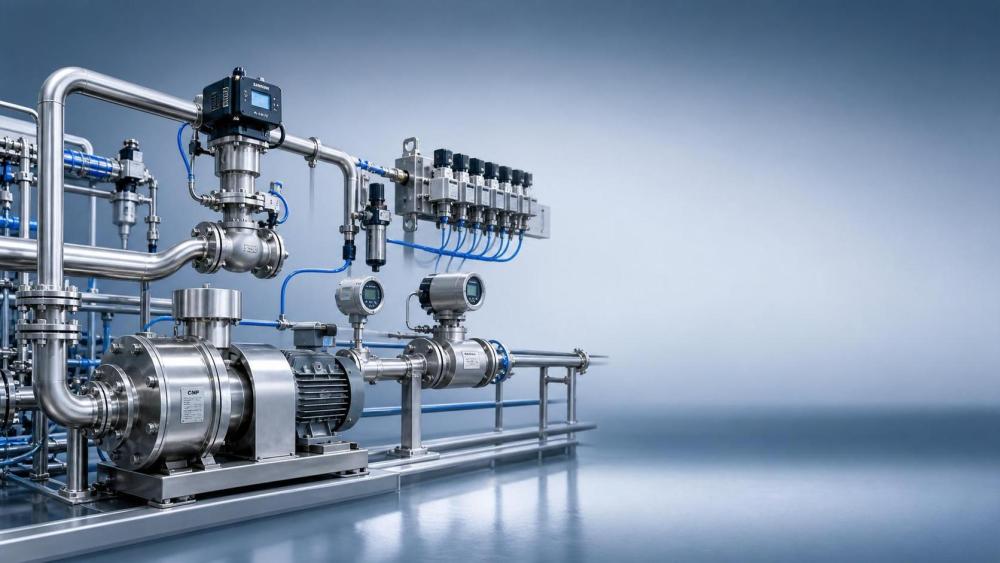
Digital fluid control becomes valuable when a process cannot absorb small errors. A minor pressure swing can upset dosing accuracy, membrane loading, heat balance, or compressed air quality.
That is why precision now affects more than instrument performance. It shapes uptime, energy efficiency, maintenance timing, and the confidence to run closer to design limits.
Across pumps, smart pneumatic valves, compressors, and separation equipment, the best results come from matching control depth to operating reality, not from installing sensors everywhere.
This practical view aligns with how FCSM reads the machinery landscape. Fluid networks behave like industrial blood vessels and respiratory systems, where instability in one node often spreads across the plant.
Why one fluid network demands tighter control than another
Different processes react to variation in different ways. A water transfer line may tolerate slow flow deviation, while a corrosive chemical loop may punish even brief valve hesitation.
The real judgment point is not whether digital fluid control is useful. It is where precision changes plant behavior enough to justify higher instrumentation, smarter actuation, and stronger data integration.
Three factors usually decide that threshold:
- Process sensitivity to flow, pressure, temperature, or air quality drift.
- The cost of unstable operation, including energy waste, product loss, and cleaning downtime.
- How quickly field conditions change across load cycles, feed quality, and ambient demand.
In practice, digital fluid control is strongest where these factors overlap. That is common in modern low-carbon factories, high-efficiency utilities, and process lines under tighter regulatory pressure.
Pump systems show the value of precision before failure becomes visible
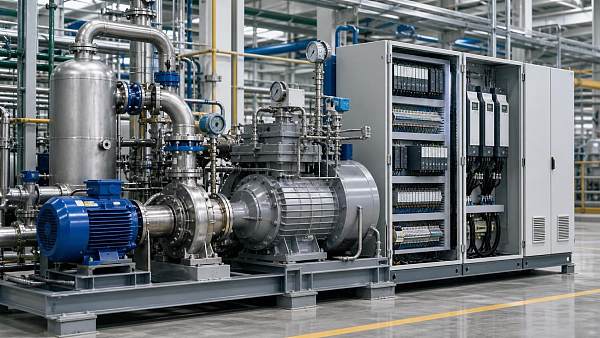
Centrifugal pump networks often appear stable until cavitation, recirculation, or seal stress begins developing quietly. By then, energy use has usually been drifting for weeks.
Here, digital fluid control is less about remote visibility and more about preventing operation outside the efficient envelope. Pressure, suction conditions, vibration, and valve response must be read together.
This matters in chemical transfer, municipal water boosting, and nuclear support systems alike. The fluids differ, but the control problem is similar: avoid unstable hydraulic behavior before damage becomes obvious.
A more advanced setup may also combine CFD-based insight with live operating data. That approach helps explain why two pumps with similar curves perform differently once pipeline resistance, fluid properties, and duty cycling shift.
What to check in pump-heavy applications
- Whether control logic protects against low-flow operation and suction instability.
- Whether valve modulation introduces pressure shock during ramp changes.
- Whether energy monitoring is tied to hydraulic performance, not only motor load.
Valve precision becomes critical in corrosive, hot, and high-pressure service
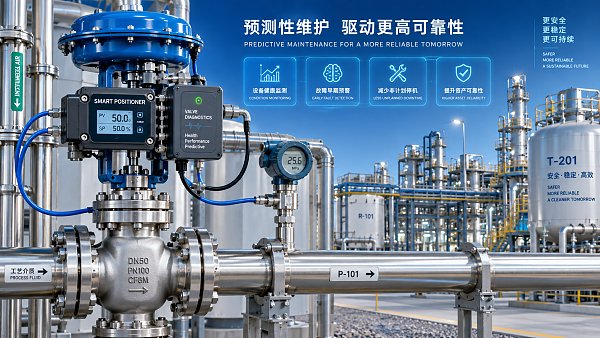
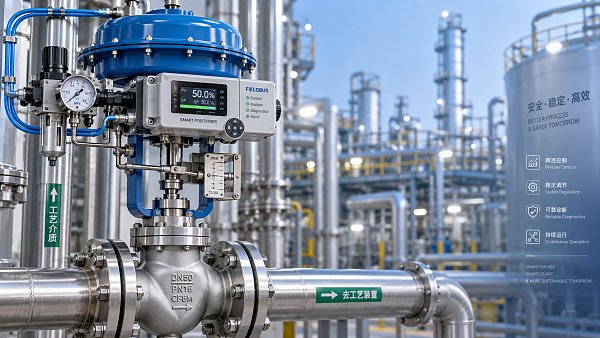
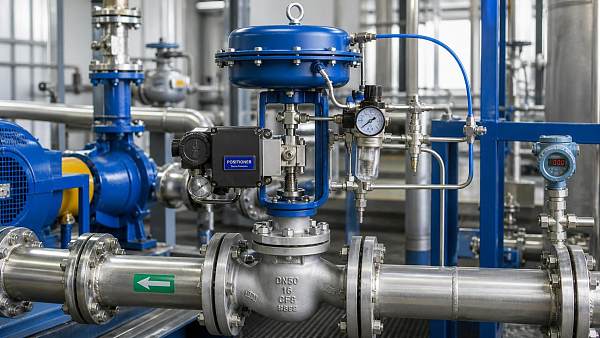
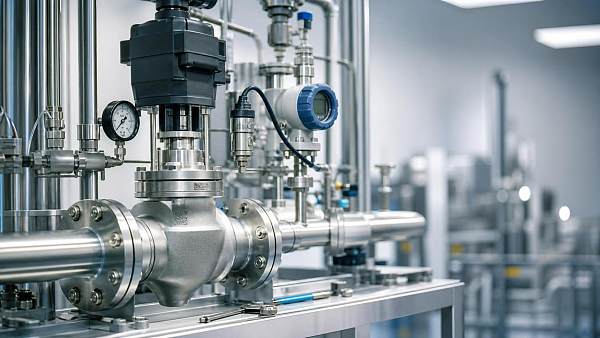
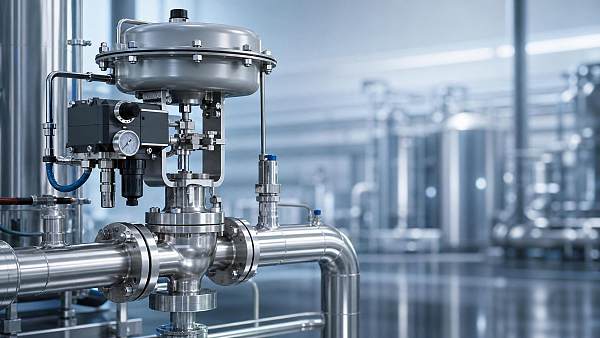
Control valves sit where process intent meets mechanical reality. In harsh service, small trimming errors or delayed positioner response can create oversized consequences.
Digital fluid control helps here by tightening feedback loops around actual valve behavior. The important question is not only the rated Cv. It is how the valve performs near critical velocities and unstable load points.
In corrosive pipelines, repeatability and material compatibility often matter more than headline precision. In thermal service, hysteresis and actuator reliability may dominate the decision.
This is where FCSM’s focus on noise models, flow trim curves, and electro-pneumatic positioners reflects real plant logic. Stable throttling depends on the interaction of trim geometry, air supply quality, and process turbulence.
Compressed air and separation lines need a different control mindset
Air compressor systems rarely fail because of one dramatic event. More often, they lose stability through demand swings, poor sequencing, moisture variation, or mismatched setpoints.
Digital fluid control in this context should reduce unloaded running, pressure overshoot, and hidden leakage losses. Precision means balancing compressed air availability with the lowest practical energy intensity.
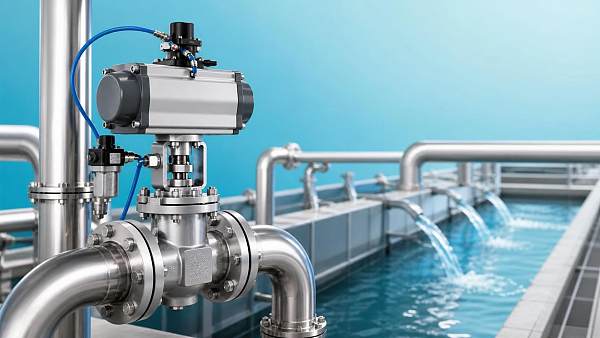
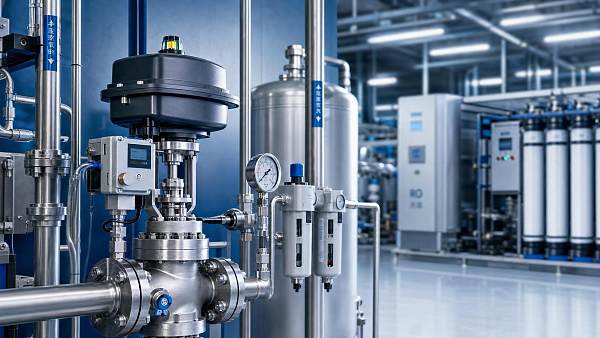
Separation systems tell a related story. In filtration, RO, and ZLD applications, control quality directly affects membrane life, fouling risk, and cleaning intervals.
When feed quality shifts, rigid control bands can work against stability. A smarter strategy adapts pump speed, dosing, and pressure staging before transmembrane stress starts climbing.
Different operating scenes change what digital fluid control should prioritize
The same technology stack should not be applied identically across every line. Different scenes demand different control priorities, especially when process risk and maintenance windows vary.
The table shows why digital fluid control decisions should start from failure modes and process constraints, not from a fixed equipment checklist.
Where projects often misread the real requirement
A frequent mistake is treating similar lines as identical because they use similar pumps or valves. In reality, duty cycle, fluid chemistry, and startup frequency can change control needs sharply.
Another weak point is chasing instrument accuracy while ignoring response quality. A sensor can be precise on paper yet still support poor control if signal delay, actuator lag, or air supply instability remains unresolved.
Cost is also misread. Lower initial hardware spend may look attractive, but repeated membrane cleaning, compressor oversizing, or valve trim replacement can quickly erase that advantage.
In digital fluid control projects, the better question is whether the system stays stable across changing loads, not whether each device meets an isolated specification.
A practical way to adapt digital fluid control before rollout
A useful rollout path begins with operating evidence. Trend data should show where flow, pressure, or valve response already causes hidden instability or avoidable energy loss.
Then compare control needs across the line rather than at one machine. Pump behavior, valve authority, compressor sequencing, and separation load should be reviewed as one connected network.
- Map the most sensitive variables and define acceptable drift ranges.
- Check whether existing sensors capture process causes, not only symptoms.
- Test control logic against startup, turndown, upset recovery, and seasonal changes.
- Review maintenance capability before adding advanced diagnostics or analytics layers.
This is also where strategic intelligence adds value. Market data, energy regulations, special alloy supply risk, and performance modeling help keep digital fluid control decisions realistic over the equipment lifecycle.
Precision pays off when it fits the process, not just the specification
Digital fluid control improves process stability when precision is applied where variation actually hurts output, energy use, or reliability. The strongest projects treat pumps, valves, compressors, and separation systems as one living network.
A sensible next step is to sort operating scenes by sensitivity, compare their control limits, and identify where unstable behavior starts long before failure alarms appear.
From there, it becomes easier to set adaptation standards, confirm implementation difficulty, and decide which digital fluid control upgrades deserve priority now and which can wait.
Related News
 How fluid control digitalization improves valve maintenance planningProcess Control ArchitectFluid control digitalization helps teams prioritize valve maintenance, reduce unplanned downtime, and improve reliability with actionable condition data.
 How smart valve positioners improve process control valve accuracyProcess Control ArchitectDiscover how smart positioners improve process control valve accuracy, reduce friction-related errors, enhance stability, and enable predictive maintenance.
 How to evaluate a valve automation supplier before placing an orderProcess Control ArchitectChoose a valve automation supplier with confidence. Learn how to assess engineering capability, compatibility, testing, lead times, and lifecycle support before ordering.
 How Does Industrial Automation Change Valve Specification Requirements?Process Control ArchitectHow does industrial automation change valve specification needs? Discover smarter sizing, diagnostics, protocols, fail-safe design, and lifecycle strategies for reliable control.
 Retrofit vs replacement automation: which option minimizes downtime?Process Control ArchitectRetrofit vs replacement automation: compare downtime, integration risk, lifecycle costs, and phased execution to protect uptime and modernize with confidence.
 When smart pneumatic control valves improve water treatment stabilityProcess Control ArchitectSmart pneumatic control valves for water treatment improve flow precision, dosing consistency, diagnostics, and plant stability. Learn how to select the right solution.
 When predictive maintenance for process valves pays off in plant operationsProcess Control ArchitectPredictive maintenance for process valves can cut downtime, reduce energy loss, and boost reliability. Learn when it pays off in plant operations—and how to justify the investment.
 Revised EN 14382:2026 Adds EMC Immunity Test for Smart Valve Positioners in EU ExportsProcess Control ArchitectEN 14382:2026 now mandates EMC immunity testing for Smart Valve Positioners, reshaping EU export compliance for valve OEMs and integrators. Learn what changed and how to prepare.
 FDA Tightens Import Rules for Smart Valve PositionersProcess Control ArchitectSmart valve positioners now face stricter FDA import rules. Learn how IEC 61508 SIL2 or UL 61508 documentation affects U.S. clearance, suppliers, and compliance planning.
 EN 14382:2026 Raises EU Entry Bar for Smart PositionersProcess Control ArchitectEN 14382:2026 raises the EU entry bar for Smart Valve Positioners with a 150 ms step response cap and IEC 62443-4-2 cybersecurity checks. Learn what exporters, buyers, and compliance teams must do before Nov 1, 2026.
 High-Precision Stainless Steel Control Valves for Corrosive Process LinesProcess Control ArchitectHigh-precision control valves stainless steel solutions improve corrosion resistance, flow stability, and safety in demanding process lines. Discover how to reduce downtime and boost control accuracy.
 How a Valve Performance Consultant Improves Uptime and Control AccuracyProcess Control ArchitectValve performance consultant insights to improve uptime, control accuracy, and energy efficiency. Learn how targeted diagnostics solve hidden valve issues across process systems.